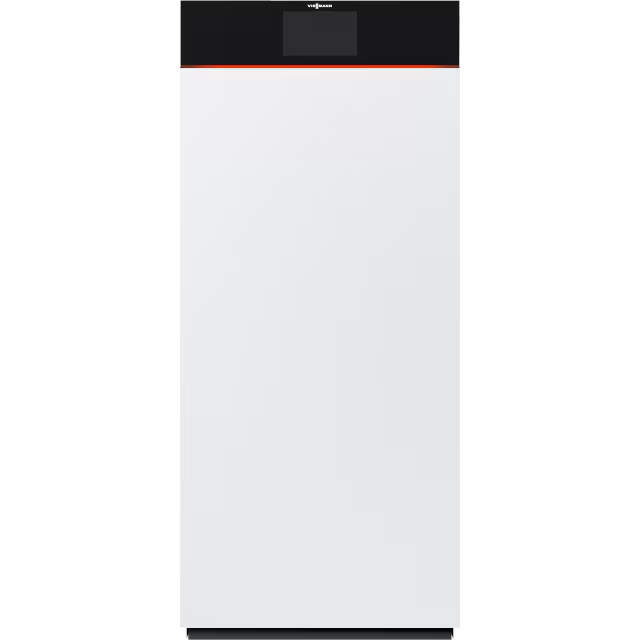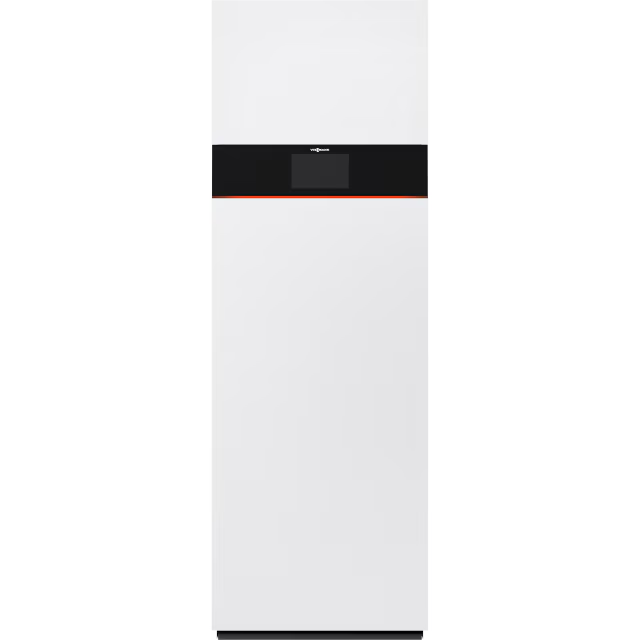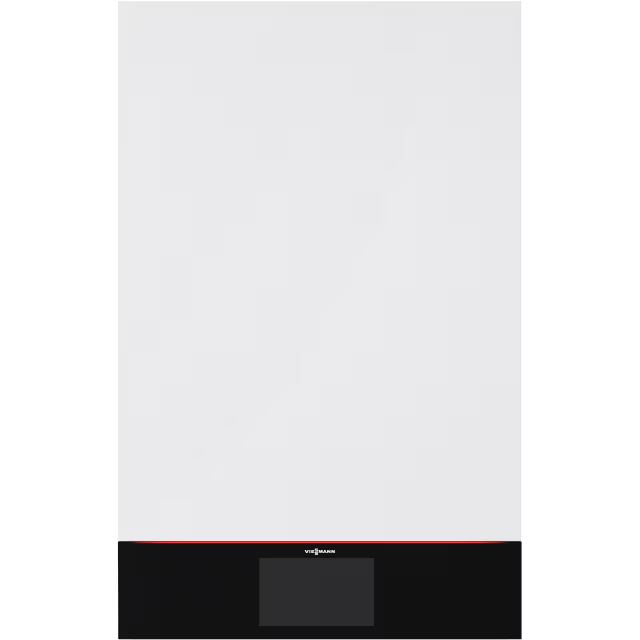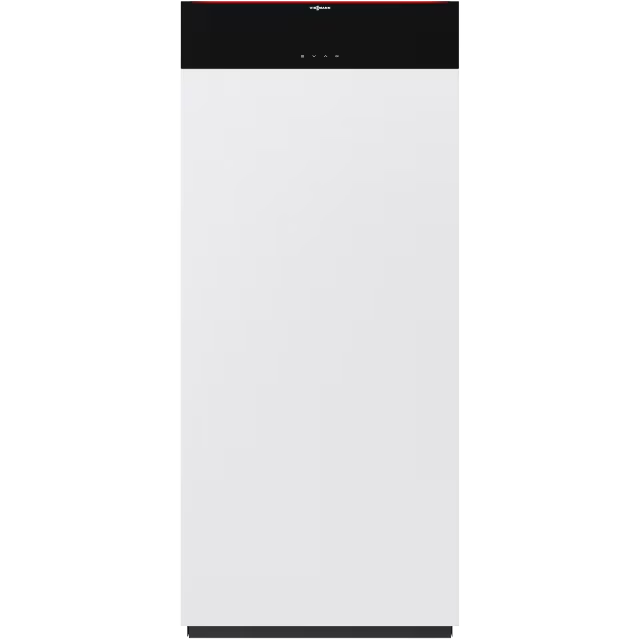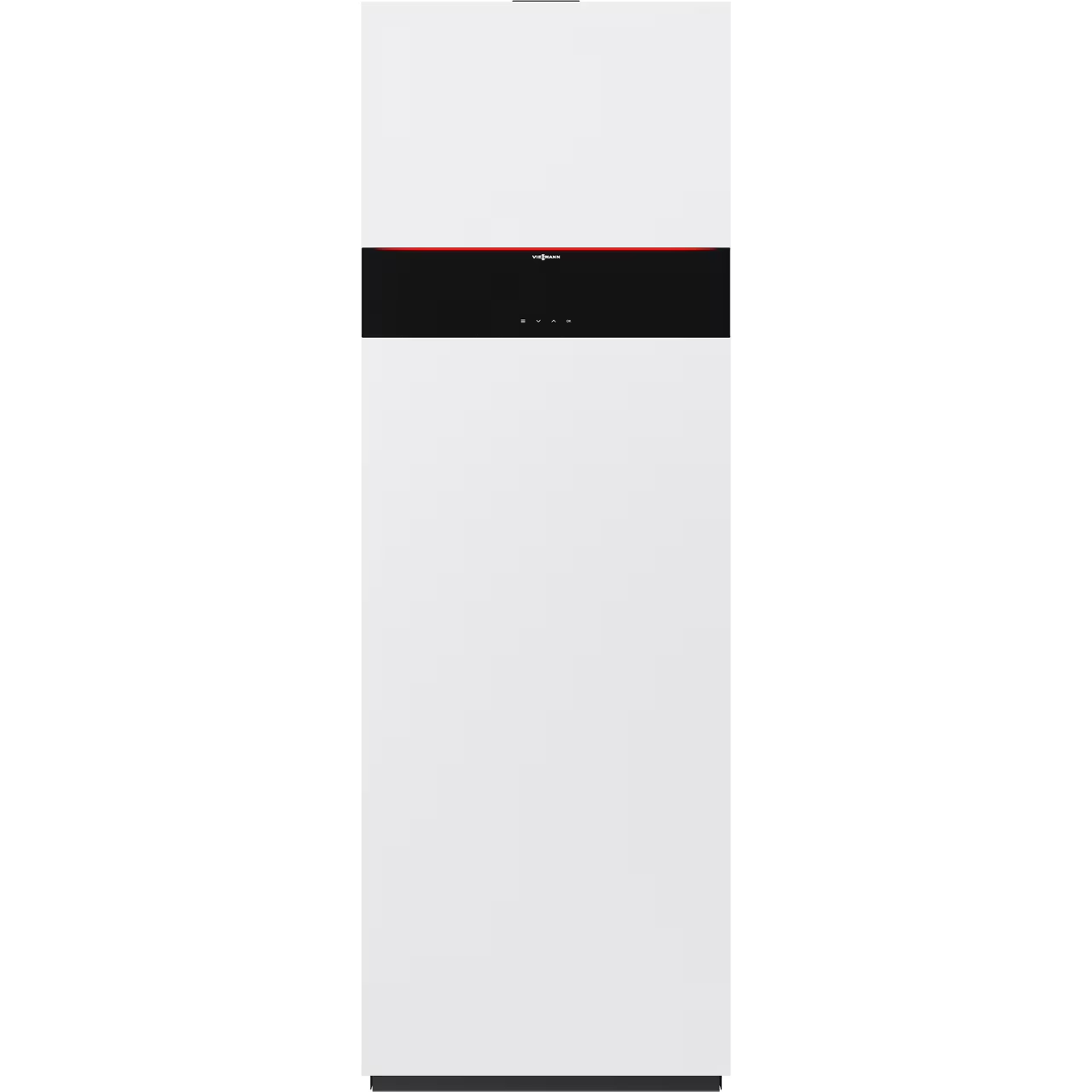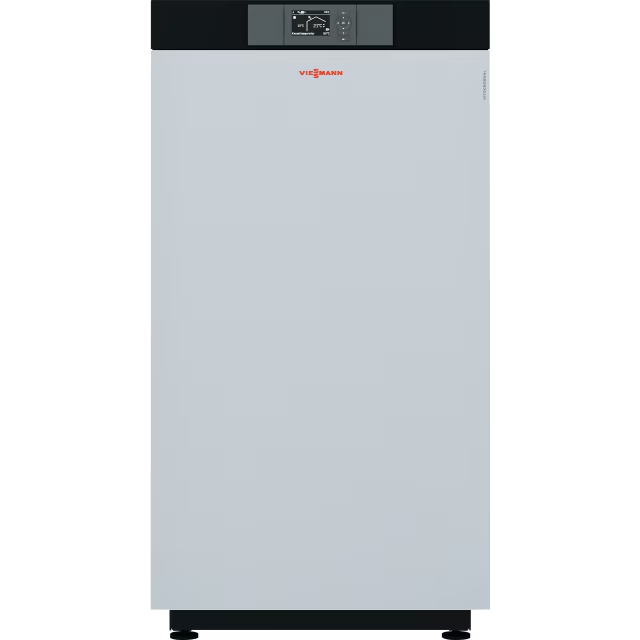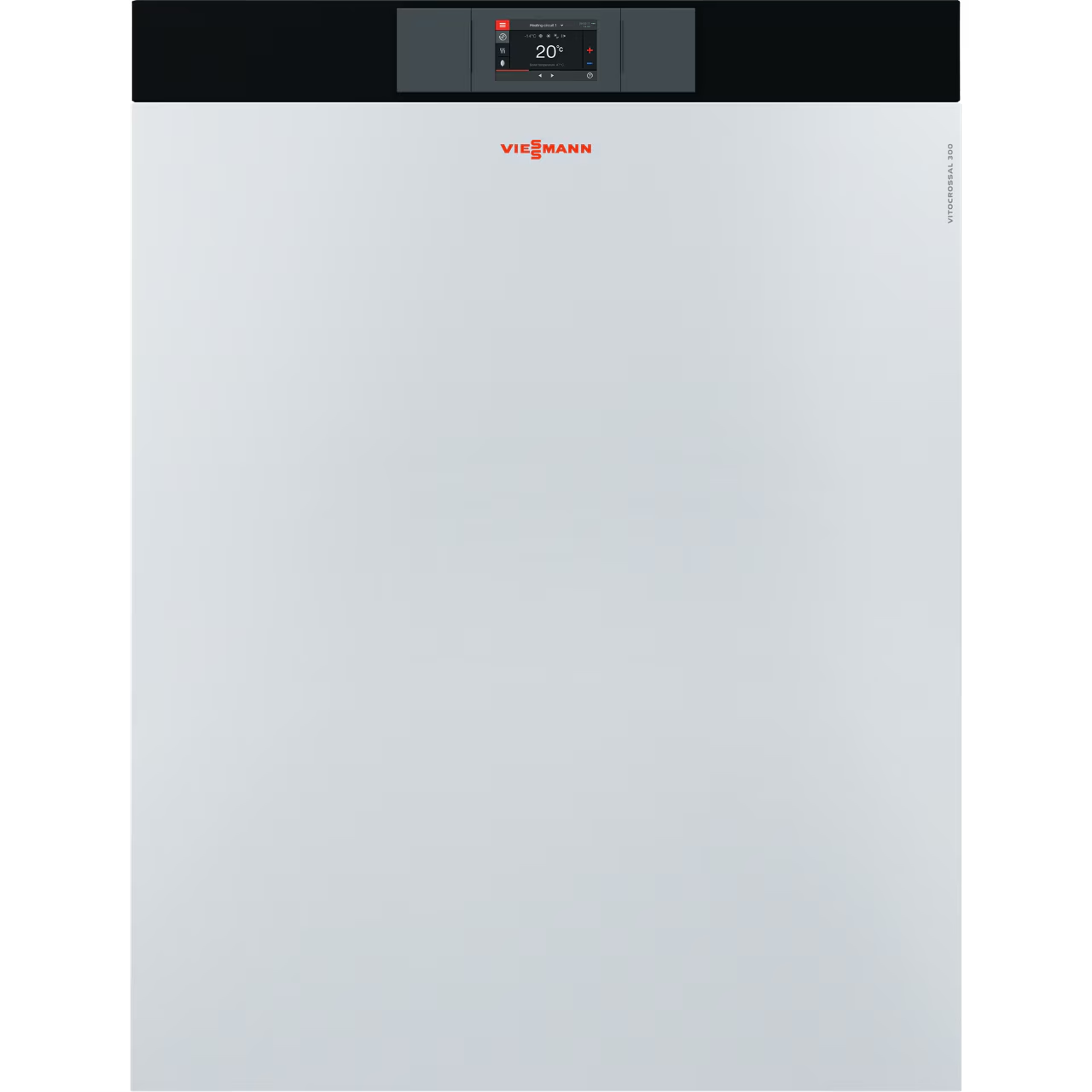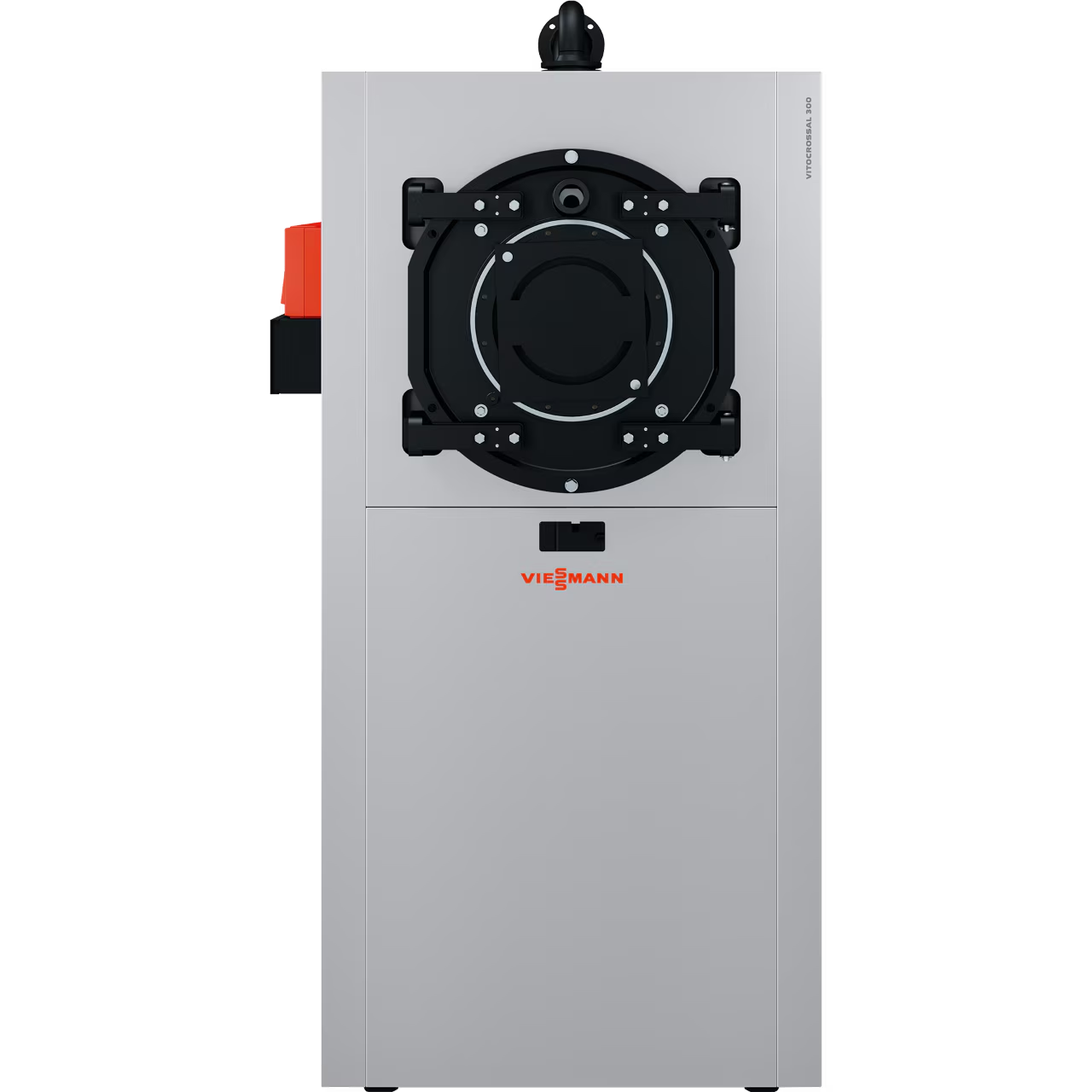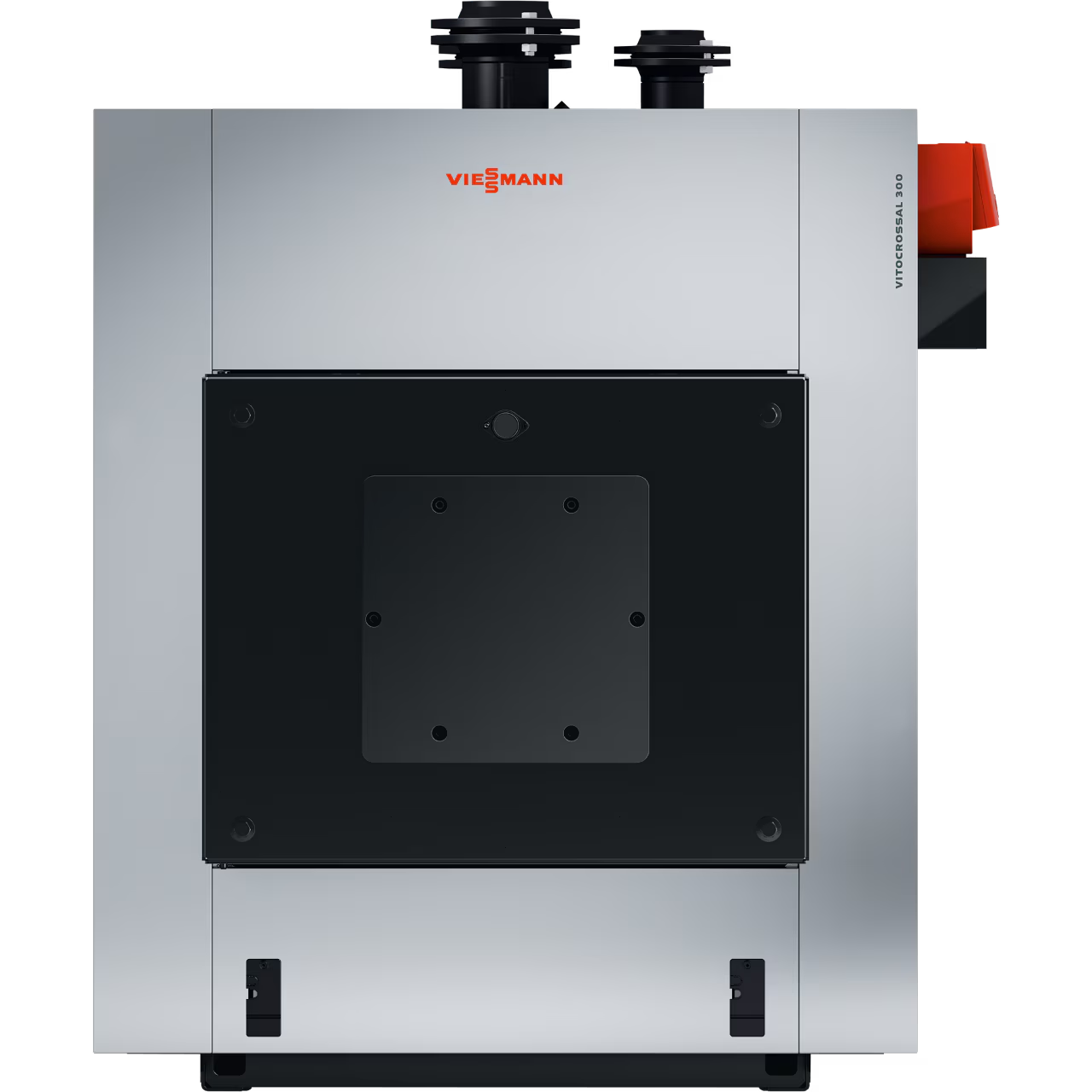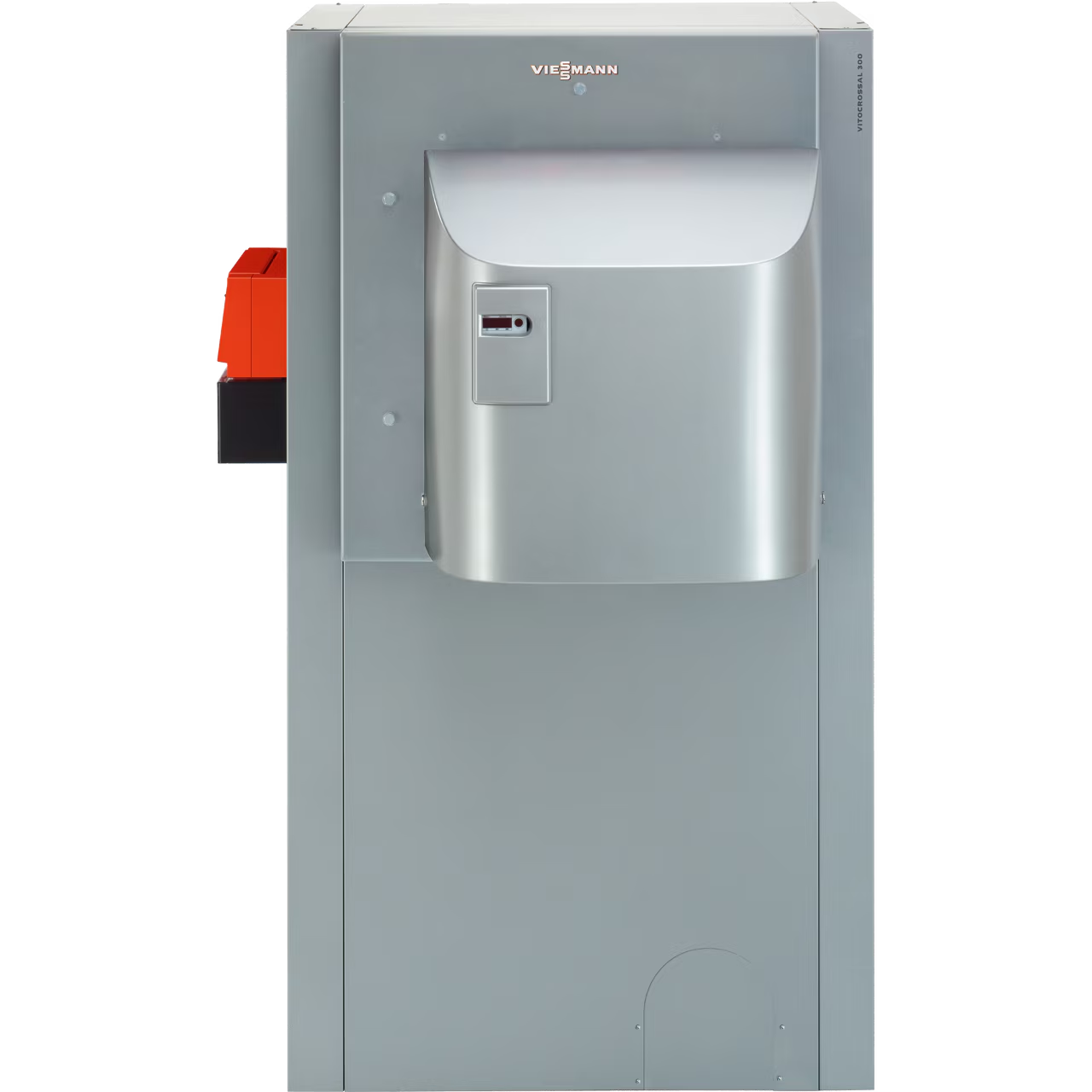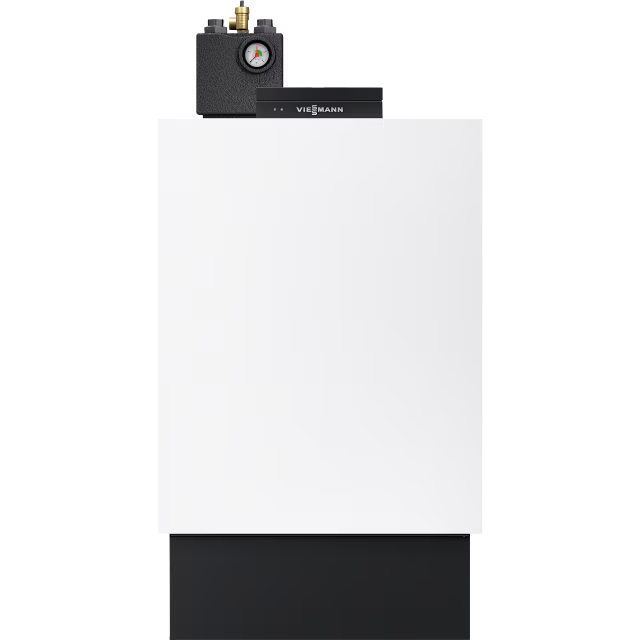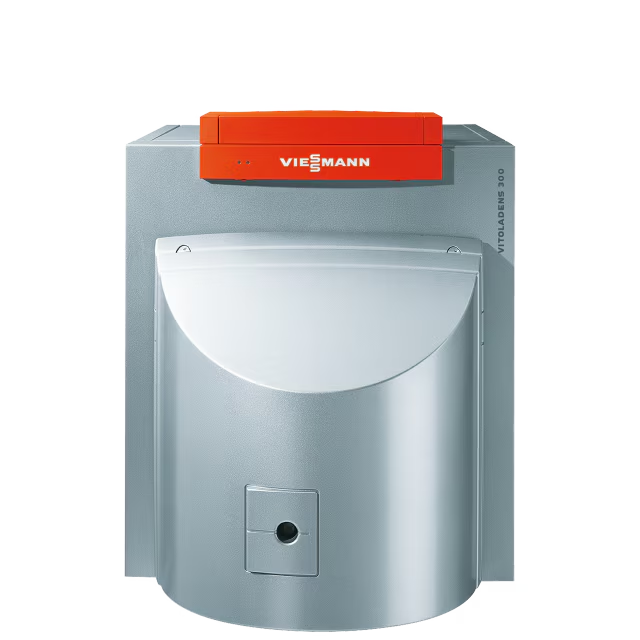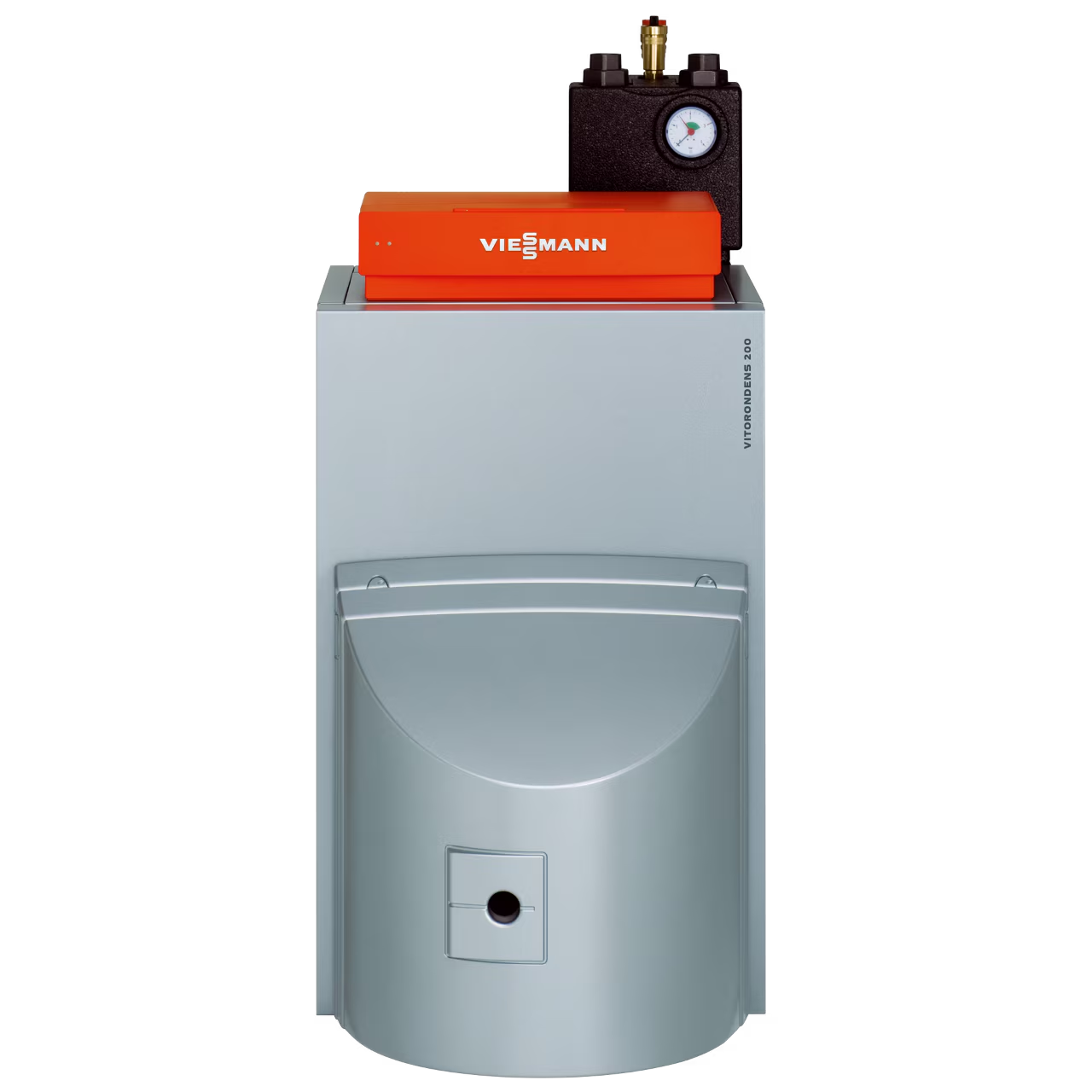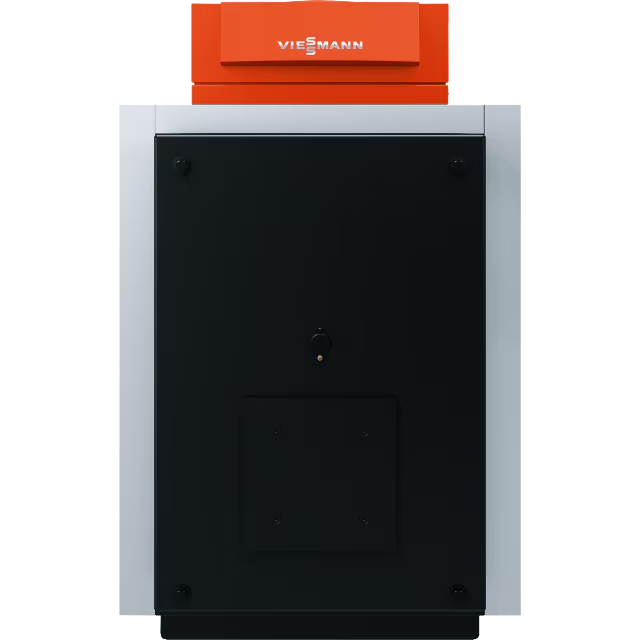


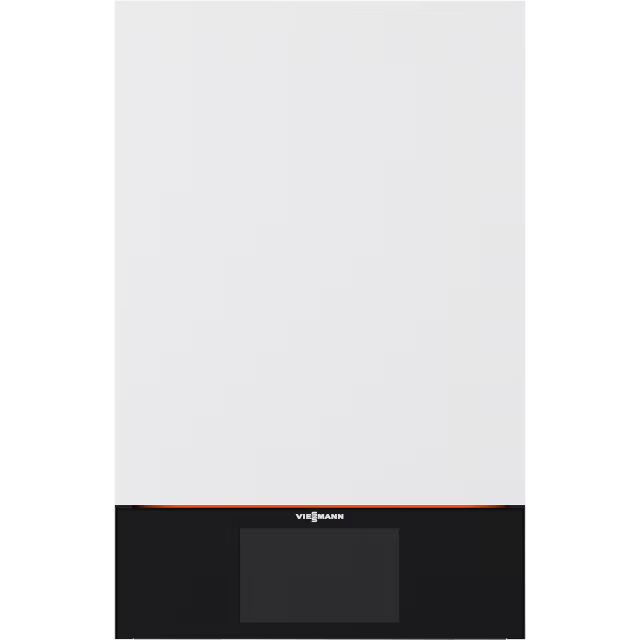
Vitodens 300-W
Gas Boiler
- Rated heat output: 1.9 - 32 kW
- Energy cabin
- Very easy to operate
- H₂ 20 % complete
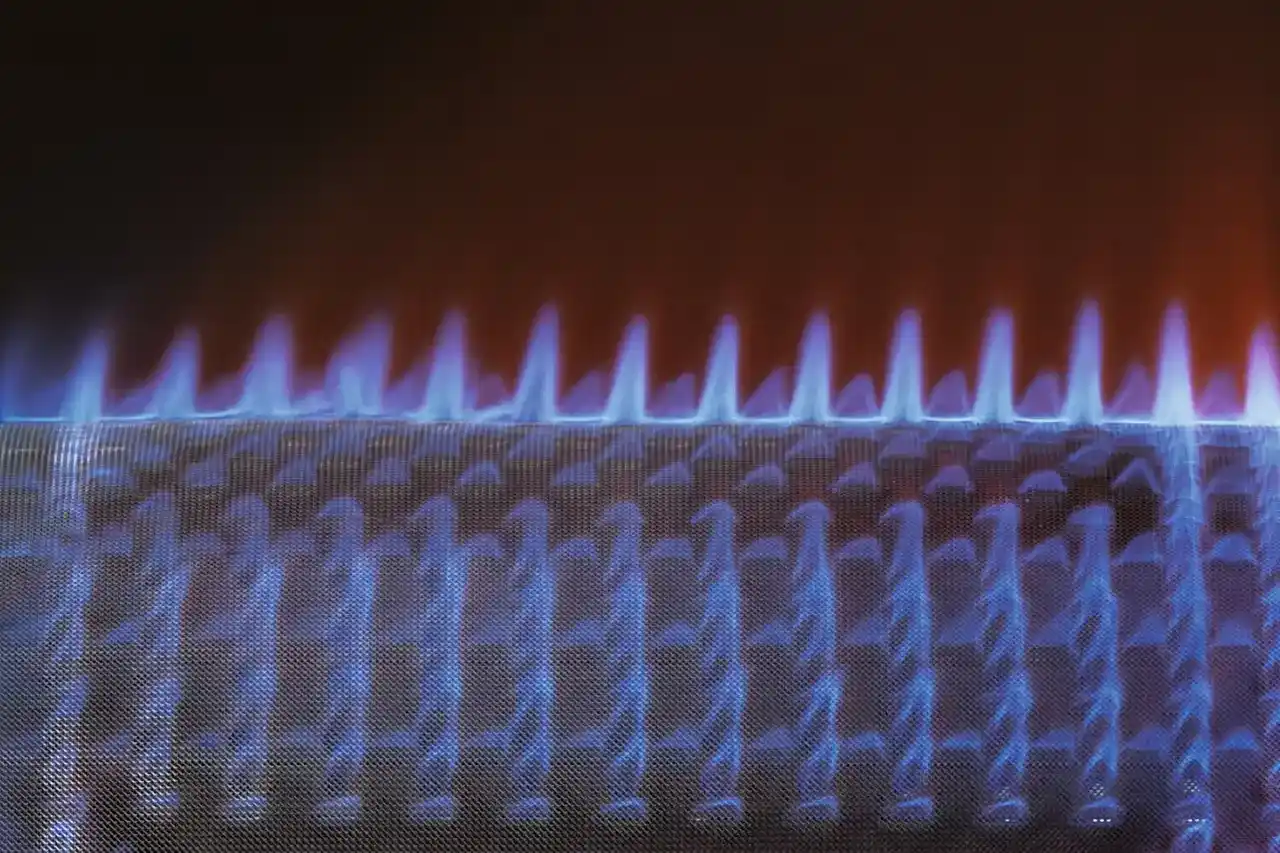
When it comes to extracting maximum value from fuel and converting it into heat, condensing technology is essential. This term refers to the optimal use of the gross heating value. It differs from the term “net heating value,” which simply describes the measurable heat produced by burning the fuel.
Until the 1970s, constant-temperature boilers were considered cutting-edge. They were later replaced by low-temperature boilers, which are still used in many homes today. Both types of boilers have one thing in common: they use only the heat released as a measurable temperature (net calorific value) during combustion of the fuel (natural gas or fuel oil). In contrast, flue gases, which can reach temperatures of up to 200 degrees Celsius, are deliberately diverted from the chimney to prevent condensation from forming in the heating system and chimneys. Flue gases contain valuable heat, which is then lost.
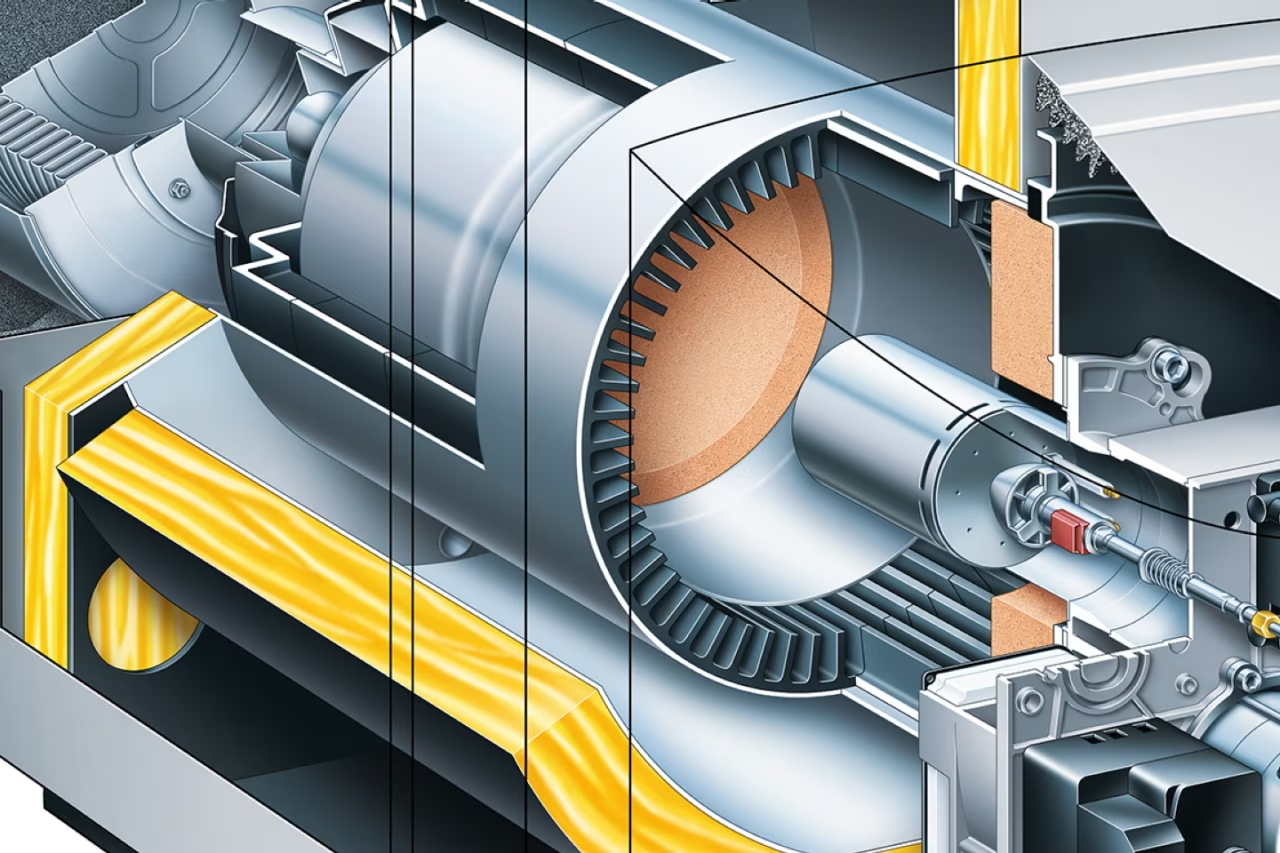
A unique feature of condensing technology is that it additionally utilizes the condensation heat (gross calorific value) contained in the flue gases, thereby significantly increasing the boiler’s standard seasonal efficiency [according to DIN]. The section “Operating Principle of Gas Condensing Technology” explains in detail how the gross calorific value is obtained using natural gas as a fuel.
Those modernizing their homes or heating systems today and continuing to use fossil fuels typically rely on condensing technology. This is a logical step, as existing buildings contain many boilers that use outdated technology and operate inefficiently.
By replacing your outdated boiler with a new one, you’ll keep your heating costs low from day one. It also reduces the environmental impact by burning only the necessary amount of fuel. Last but not least, a new condensing boiler significantly increases property value.
| Heating system | The old system | New system | Saving |
|---|---|---|---|
| Consumption/year | 3400 m³ | 2500 m³ | 900 m³ / 1.8 t CO₂ |
| Costs/year | €2510 | €1850 | €660 / 26% |
| Heating system | The old system | New system | Saving |
|---|---|---|---|
| Consumption/year | 3400 l | 2590 l | 810 l / 2.1 t CO₂ |
| Costs/year | €2380 | €1,760 | €620 / 26% |
*Basis for comparison: House (built 1985), living area 140 m², with an old fuel oil or gas boiler with a capacity of 27 kW. Rounded consumption costs using standard values (EID) for 3400 liters of fuel oil or 3400 m³ of natural gas. Average energy price in 2017
Photo: © Dariusz Jarzabek / Shutterstock.com
Along with modernization projects, condensing technology is also used in new buildings. However, due to stricter legal requirements, it is often combined with renewable energy sources. Most Viessmann condensing boilers are designed for use with a solar system for backup central heating or hot water heating. This combination not only provides system owners with extremely efficient heating but also saves resources. Finally, the government supports the addition of solar thermal energy with attractive subsidies. However, these are only available for regenerative heat generators.
Get a free, no-obligation personal consultation from our qualified sales partners!
Request a specialist consultation →
As a fuel, gas has low emissions and a high energy content. It is used not only in gas heating but also in other heating systems. Learn more about the characteristics of this fuel in this section.
Looking to upgrade your gas heating system and continue heating with gas? Our condensing boilers burn safely and efficiently. Learn more here.
A gas condensing boiler heats efficiently and is therefore more economical for the climate and your wallet. We’ve summarized the advantages.
An oil-fired condensing boiler operates efficiently and reliably. Modern boilers can achieve energy savings of up to 35%.
How does oil condensation technology work in detail and why is it a smart option? !
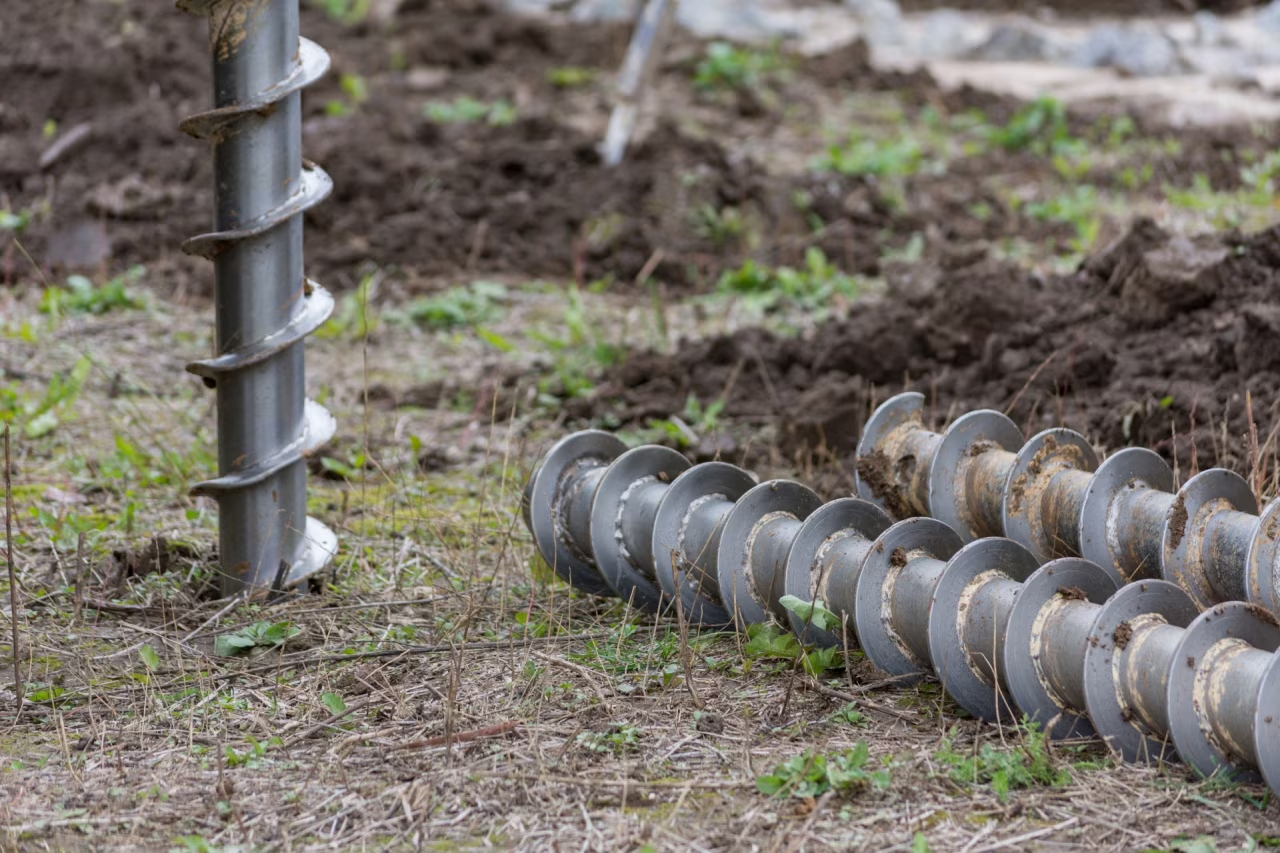
Geothermal probes for brine/water heat pumps extract heat from depths of up to 100 meters. In this section, you’ll learn what to consider when using this method.
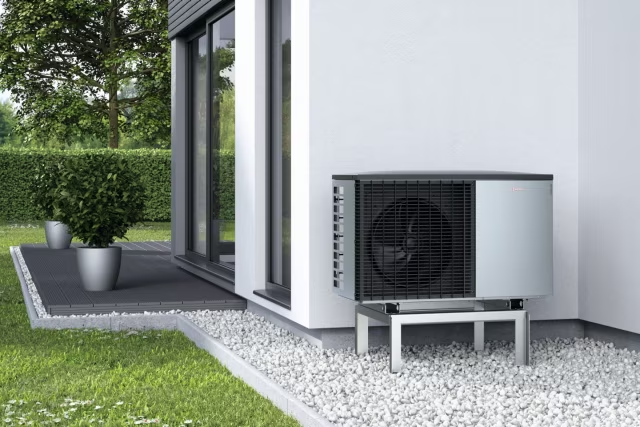
Sound quality is important, especially when using air-source heat pumps. Visit this page to learn why.
How much heat does a heat pump consume? We explain the factors involved and how to calculate it. Learn more about consumption now!