MENU

© Unconventional / Shutterstock.com

As soon as the weather gets colder, we turn on the heating to keep our home cozy and warm. But what should you do if you, the system owner, discover that the heating isn’t heating? System faults and radiators that remain cold are most often noticed at the beginning of the heating season, when the heating system has been running in summer mode for a long time to save energy and heating costs.

We’ll explain when you should contact a heating contractor for repairs. Also learn what you can do yourself to fix heating system problems as quickly as possible, and ideally, avoid them altogether.

Identifying faults and properly assigning them to a heating engineer

When should you ask your heating contractor to troubleshoot? It’s best to do this immediately after you notice a problem and/or identify a possible fault. To ensure this is done as effectively as possible, we’ve listed below common faults that you should notify your heating engineer about. Of course, in individual cases, the causes may differ from these situations. The appropriate troubleshooting measures ultimately depend on the technology used and the specific conditions on the property. We recommend that you always seek advice from a heating specialist first if your heating isn’t working properly.

If your heating system isn’t heating, always check the heating system itself. Certain faults cause a fault code to appear on the Viessmann heating system display. This code can be found in the table in the Viessmann heating system service manual. To ensure your heating engineer can resolve the issue as quickly as possible, we recommend writing down the displayed fault code. Simply provide it to the engineer when you place your repair order. This will allow them to better prepare for the repair.

FAQ - Frequently Asked Questions about Heating

FAQ - Frequently Asked Questions about Heating

Read more
Heating check

Heating check


Read more
Heating system - which one is right for you?

Heating system - which one is right for you?

Read more

Are your radiators not heating up or is the entire heating system not working?

If you have turned the thermostats all the way up and the radiators are not heating up, there are two main cases to consider:

  1. The heating system is operating normally, but hot water is not reaching some or all of the radiators in the heating circuit. This is evident by the radiators not heating up or only heating up at the top.
  2. If the heating does not work, the boiler and/or the entire heating system may be faulty.

Typically, the heating doesn't get hot enough and the room temperature drops sharply overnight.

Check your heating system settings:

  • Is she still set to summer mode?
  • Does the heating system work exclusively to heat hot water?
  • Is the system time set correctly?
  • Did the system return to default settings after the power outage?

These parameters can be accessed directly from the display of your Viessmann heating system. In most Viessmann systems, they can be adjusted using a mechanical knob or the display’s touchscreen. For older heating systems, it is strongly recommended to call a professional installer to avoid damage from incorrect settings.

Some radiators do not heat up while others work

In this case, a heating engineer will likely need to release the stuck thermostatic valve or replace the thermostat. This could be due to the thermostat being set to zero during the summer, or the freeze protection setting remaining unchanged for a long time, causing the valve to become stuck and no longer allowing heating water to flow into the radiator.

The radiator only heats up near the thermostat, but otherwise remains cold or lukewarm

A heating engineer should bleed the radiator. This is because there’s air in the heating circuit. You may be able to bleed the radiator yourself. Our guide to bleeding a heating system explains how and what equipment you’ll need. However, an inspection is necessary afterward, and it’s best to contact a contractor if you have any doubts.

The radiators at the far ends of the heating circuit do not heat up

A heating engineer must perform hydraulic balancing. The reason: the water in the heating circuit is unevenly distributed, causing excessively different pressure ratios between individual radiators. This can occur, for example, after replacing several radiators or upgrading a boiler. Germany’s Federal Office for Economic Affairs and Export Control (BAFA) subsidizes hydraulic balancing by 30 percent.

The boiler is working properly, but the heating surfaces and heating pipes do not heat up.

Cause: The heating circuit pump is not working properly. To check, you can press the tip of a screwdriver against the pump body and listen for vibration or flow noise from the screwdriver handle. If you hear nothing, the heating circuit pump is not working. Report the problem to your heating contractor; they will repair or replace the pump.

The boiler does not start and the display shows a fault code

A boiler malfunction can have various causes. A heating system installer can identify the fault based on the error code that appears on your Viessmann heating system’s display. They will then clear the code, perform the necessary repairs, and, in the best-case scenario, simply restart the boiler. It’s best to have the code ready when you contact a contractor. This way, they can better prepare.

The heating does not warm up and the fill level indicator on the gas tank or oil tank is quite low

The problem is most likely caused by a lack of fuel. Check the fuel supply to your heating system:

  • Is the gas tap open or closed?
  • What is the fill level of the oil or gas tank?
  • Is the feeder mechanism in your pellet or wood chip heating system jammed or clogged?

Call a contractor to inspect your oil heating system, liquefied petroleum gas tank, or gas connection—depending on the type of heating system you have. Oil or gas tanks should never be completely empty. If the level indicators drop below the required fill level—usually 15-20 centimeters for oil—the burner is receiving too little fuel or no fuel at all.

The heating system does not start

If the entire heating system no longer starts, it may be due to the faulty tripping of the emergency stop switch for pellet, oil, or wood chip heating systems. A small light on the emergency stop switch indicates whether the switch is in the “on” or “off” position. Trip the switch again and restart the boiler. If in doubt, consult your heating contractor.

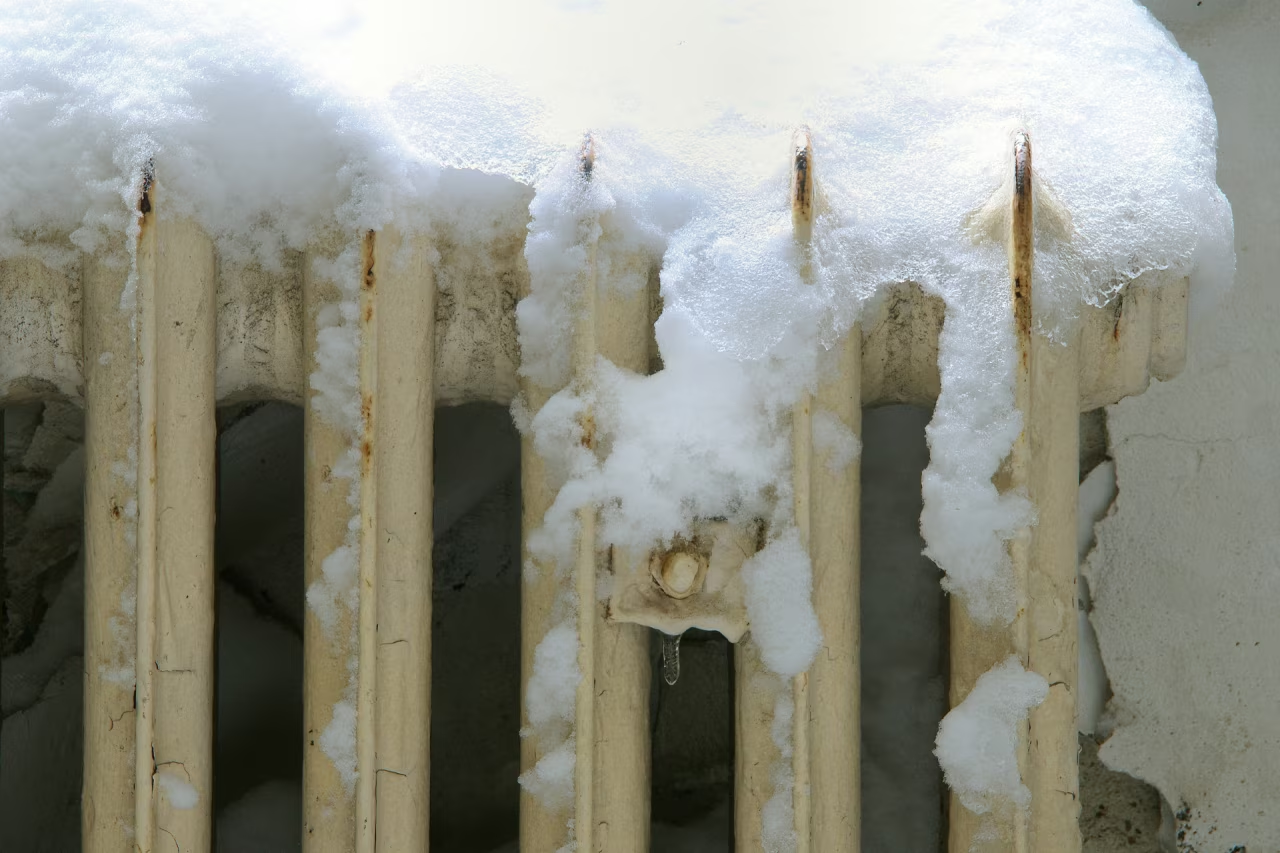
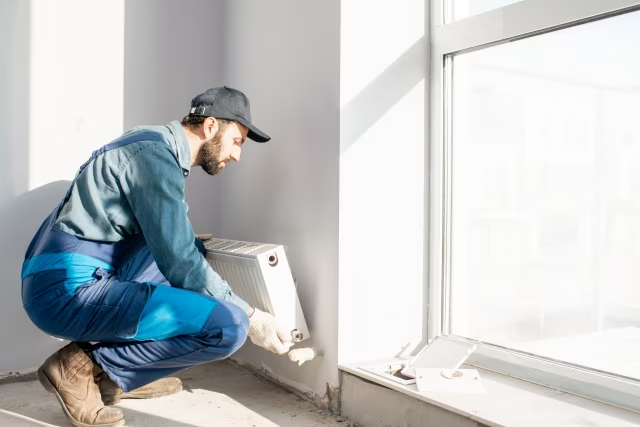
When the outside temperature drops and the heating isn't working, it can quickly become a nuisance. The worst-case scenario is the threat of uncomfortable days and nights. But serious frost damage, such as burst water pipes, is also possible. Photo: © Zoonar GmbH / Shutterstock.com

How to avoid costly repairs

If you notice that your heating system isn’t heating, you should contact your heating contractor immediately. It’s best to remember to check your heating system in advance. Be sure to schedule sufficient time, as contractors are typically especially busy at the beginning of the heating season.

We also recommend regular heating system maintenance. Annual heating system maintenance allows you to identify problems early and prevent them from developing into more serious ones. This is money well spent, as a heating system that is serviced annually operates more efficiently. Our heating system maintenance guide : benefits, intervals, costs, and maintenance contracts—everything you need to know about Viessmann’s range of services.

Other Viessmann guides and tips

What to do in case of malfunction?

What to do in case of malfunction?

Read more
Maintenance of photovoltaic systems

Maintenance of photovoltaic systems

Read more
Replacing radiators

Replacing radiators

Read more