

© lovelyday12 / Shutterstock.com
Finding the Right Alternative to Gas Heating
Rising gas prices, which are currently subject to increasing fluctuations, and the uncertain future of gas heating in terms of climate policy are forcing many homeowners to consider alternatives to their gas heating system. There are many things to consider—but where and how to start? In the following guide, we present several possible options for switching from gas heating to a renewable energy heating system. Please note that it is impossible to provide definitive recommendations, as buildings, local conditions, and individual heating habits vary greatly. It is recommended to consult your local AHI-Carrier partner for comprehensive advice.
Replace gas heating with a heat pump
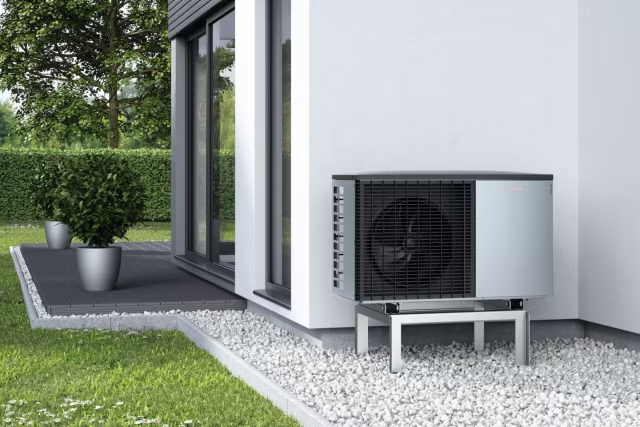
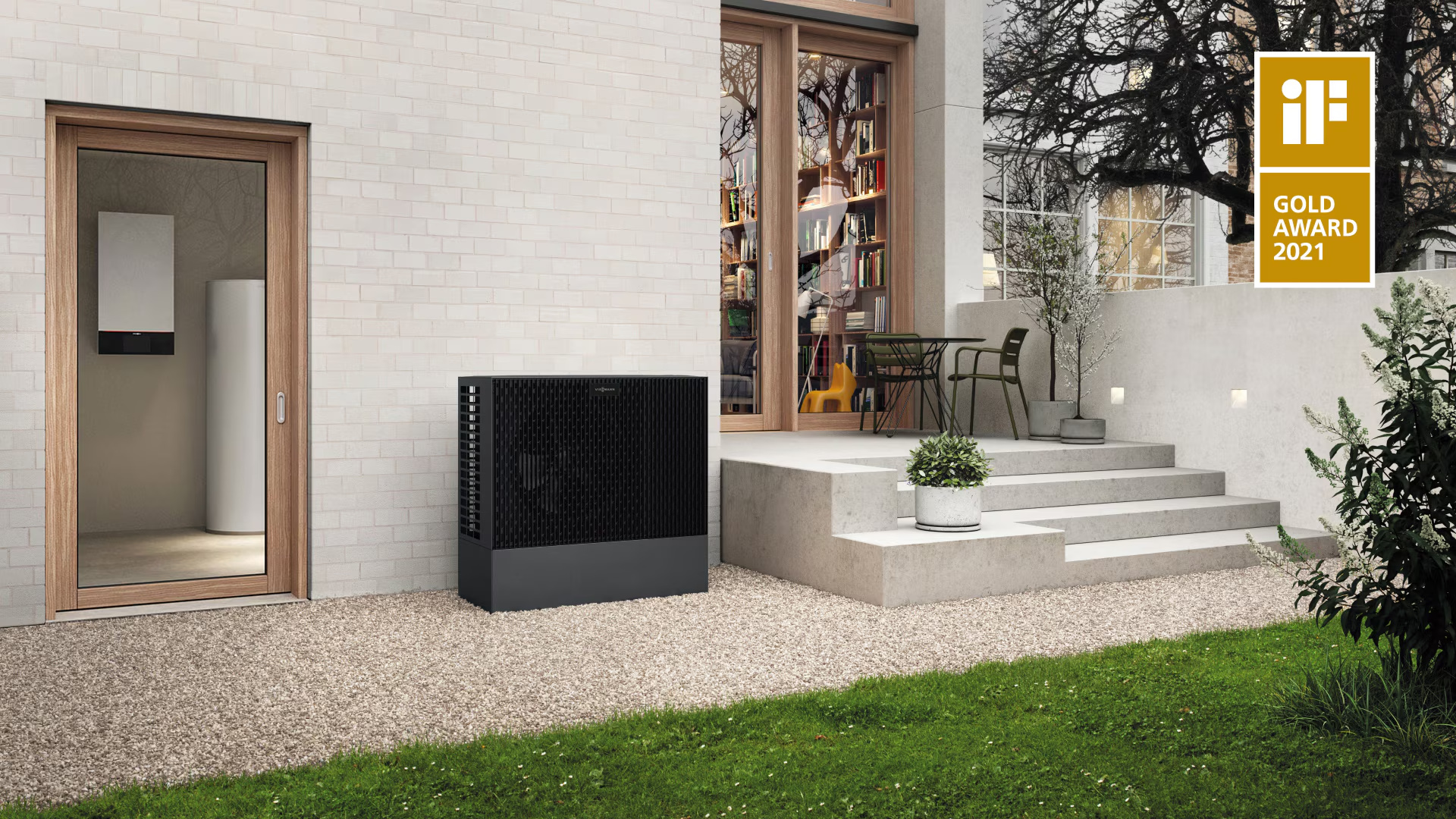
Heat pumps are used in many new construction projects. They can also be useful in existing buildings when converting from a gas heating system to a heat pump. Not only do they help reduce fossil fuel consumption, thereby saving valuable resources and reducing climate-damaging CO2 emissions, but they also provide a quiet, efficient, and safe heating system. The new AHI-Carrier Vitocal heat pump was developed specifically for use in existing buildings. Learn more about this intelligent heat pump:
Green energy instead of fossil natural gas
Heat pumps utilize ambient energy. During operation, the pump extracts thermal energy from the air, soil, or groundwater. The heat pump’s special function uses this energy to evaporate a refrigerant, which is then compressed and heated. In the closed circuit of the heat pump, this heat is transferred to the heating water, which in turn can be used to heat rooms or produce domestic hot water. This means that, unlike gas heating, a heat pump does not require combustion. Only about a quarter of the energy consumed needs to be available as electricity. If you want to completely eliminate fossil fuels, you should choose a “green” electricity tariff or generate your own electricity using a photovoltaic (PV) system . This will not only increase your energy self-sufficiency but also minimize CO2 emissions. AHI-Carrier Strom also offers you the option to rent a modular AHI-Carrier Strom energy system, including a photovoltaic system, a heat pump, and an energy storage unit.
Heating without gas using wood heating
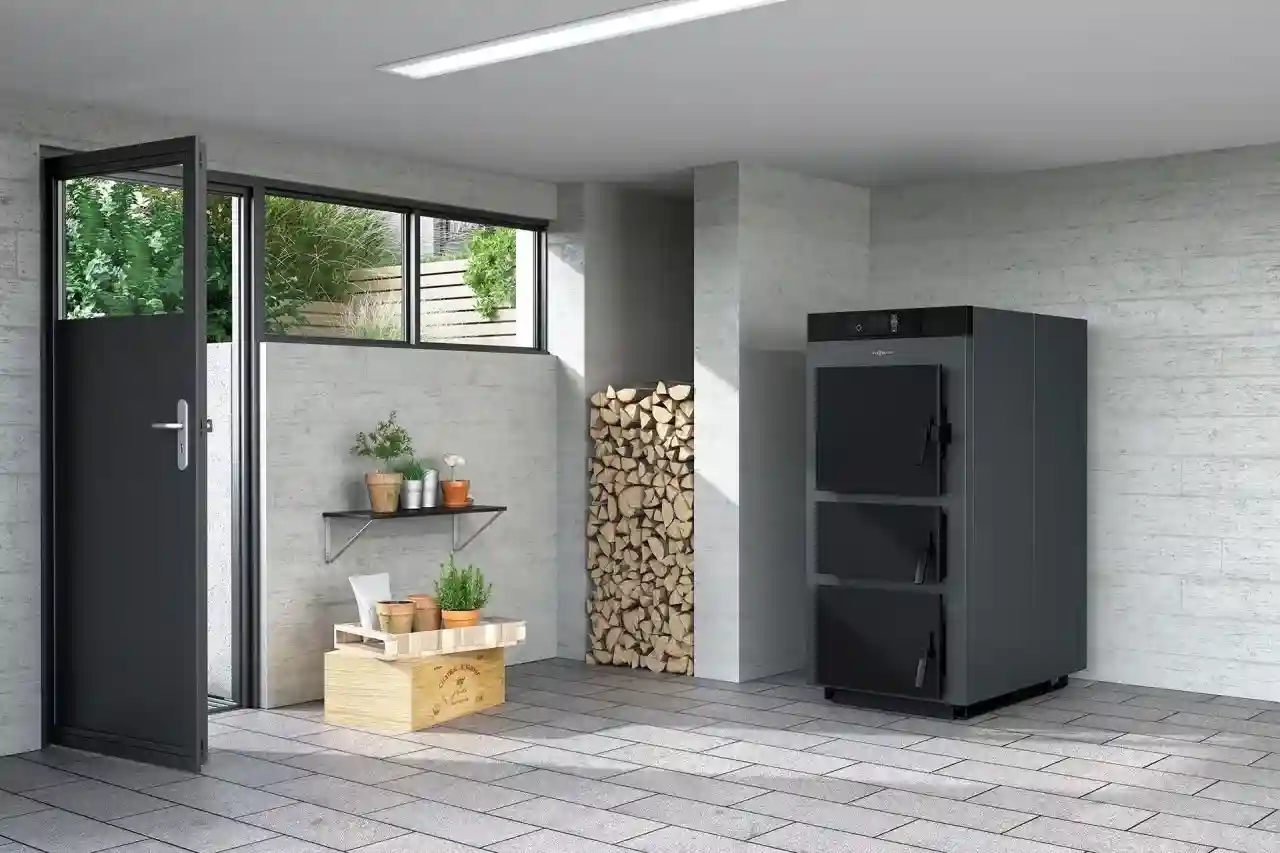
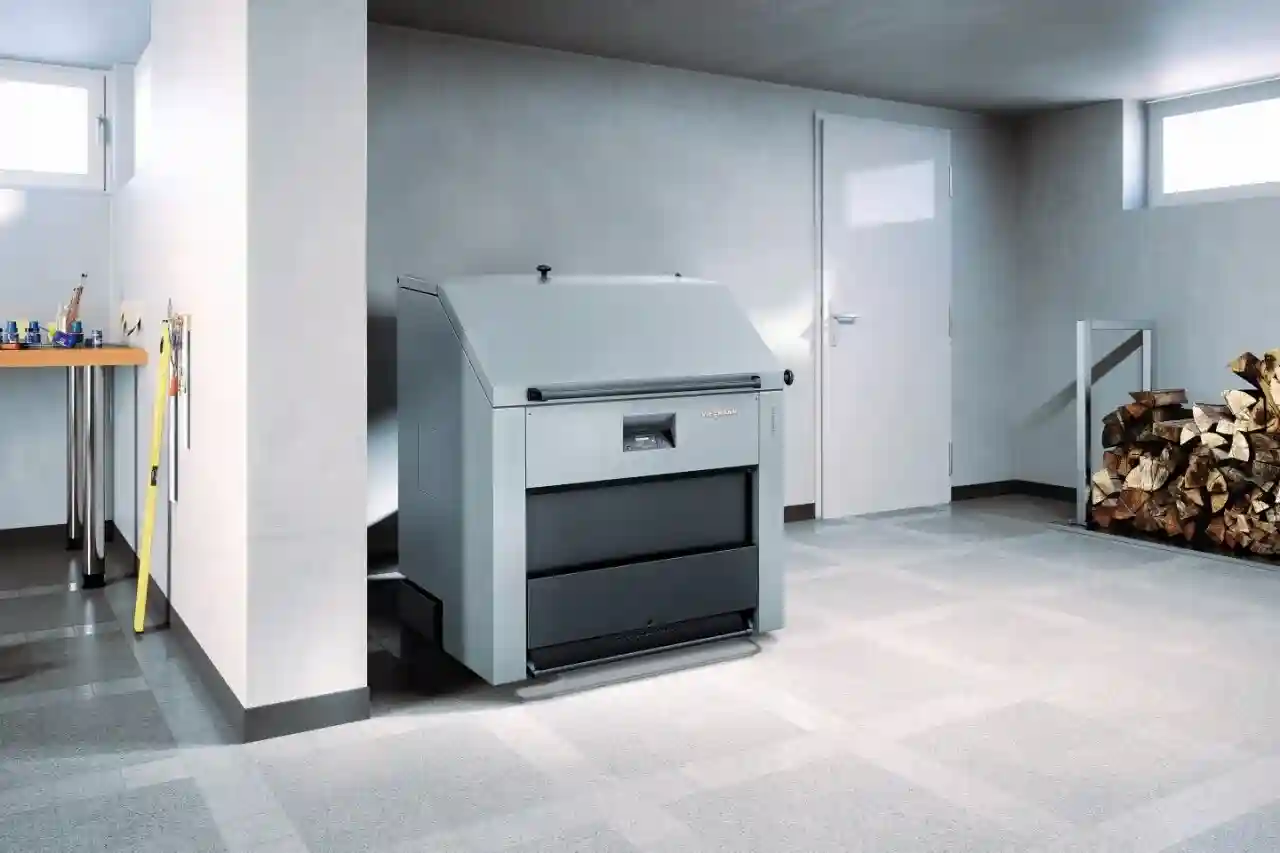
Another way to completely eliminate gas as an energy source is to switch to wood heating . When considering replacing a gas heating system, most people likely consider a pellet heating system. Heating with logs is also a feasible and viable option. Wood is generally considered a CO2-neutral fuel. Combustion releases only as much CO2 as the trees absorbed during growth and converted into oxygen and biomass. All AHI-Carrier Vitoligno boilers are highly efficient and fuel-efficient. This not only saves resources but also helps you save money.
Proper space selection, location and heat accumulation play a central role
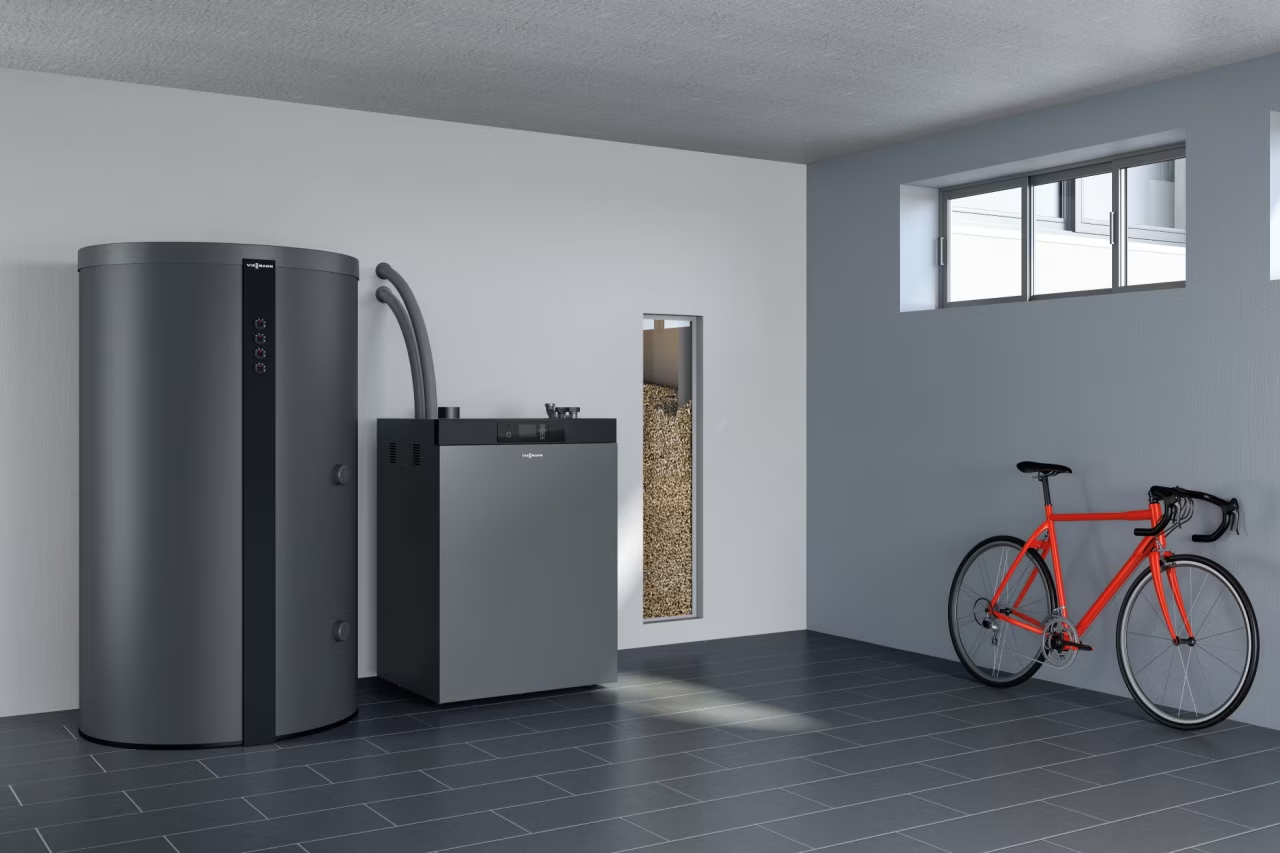
Whichever biomass heating system you choose, you’ll need sufficient space, especially for storing logs or pellets. Furthermore, a pellet heating system offers automatic fuel refilling. Additional space is required for the conveyor system. Therefore, if you’re considering converting a gas heating system to pellets, you’ll need to consider space. However, switching to biomass as a fuel is worthwhile , especially if you live near wood processing plants. This means you’ll be able to source local wood inexpensively and conveniently, avoiding long transportation routes. Pellet and log prices are generally very stable, especially compared to the wildly fluctuating price of gas. In addition to space requirements and regional wood availability, you should also consider adequate heat storage. Since wood combustion isn’t as easy to turn on and off as with a gas heating system, a buffer tank is essential. This way, you can use wood as an energy source very efficiently.
Energy-generating heating systems are a prerequisite for connecting to gas
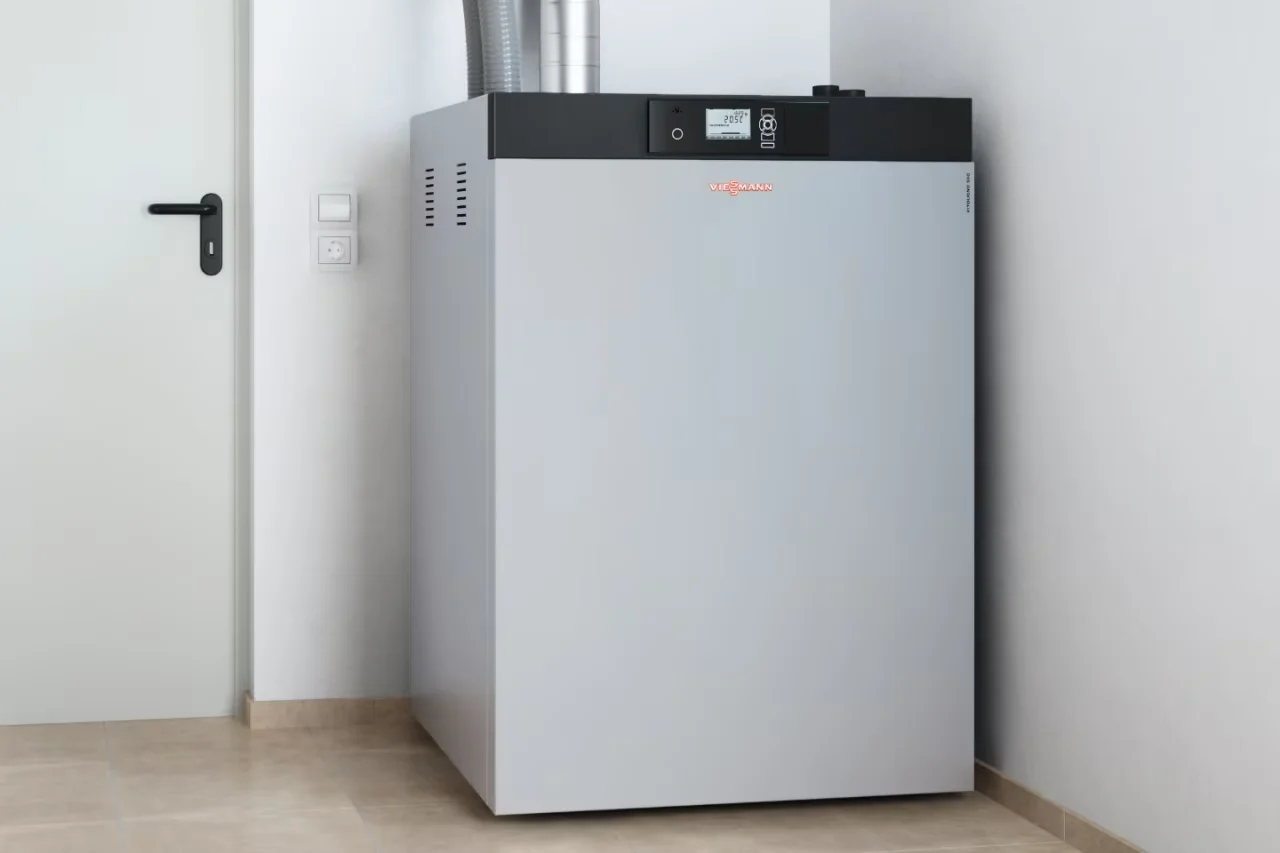
Another alternative to gas heating, but not completely gas-free, is a heating system with electricity generation, better known as fuel cell heating . This system is based on combined heat and power (CHP) and produces both electricity and heat. The primary requirement, however, is a gas connection. In the AHI-Carrier Vitovalor, hydrogen is separated from natural gas and, in turn, serves as the feedstock for cold combustion, which provides thermal energy for space heating and domestic hot water. The fuel cell heating system, as a compact unit (Vitovalor PT2), incorporates a gas condensing boiler as a peak-load boiler for increased heat demand. It is also possible to supplement an existing gas system with a fuel cell heating system (Vitovalor PA2).
Combined heat and power plants (CHP) also deserve attention . They are also based on the principle of cogeneration. They are particularly suitable for large buildings and make particular economic sense, especially over long-term operation.
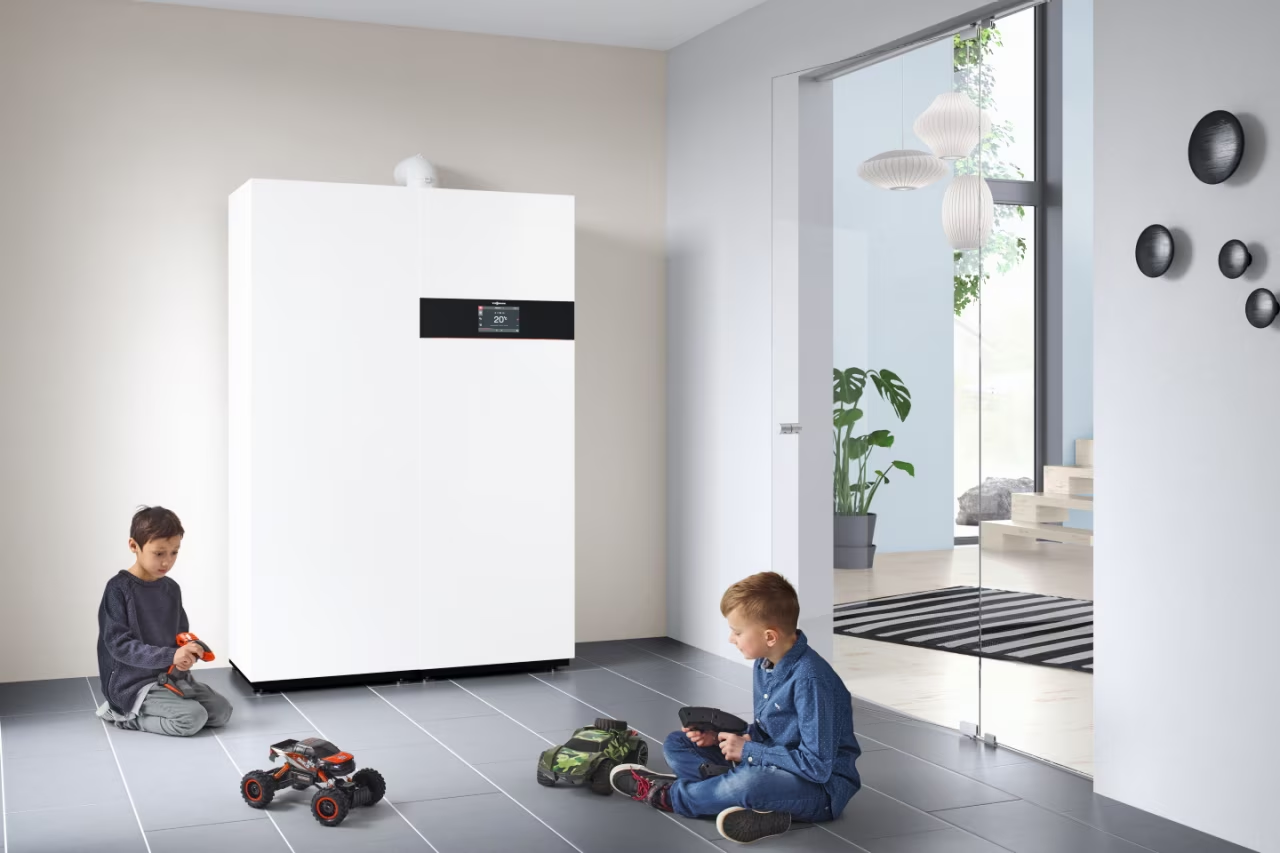
A gradual transition to renewable energy sources: a gas hybrid heating system
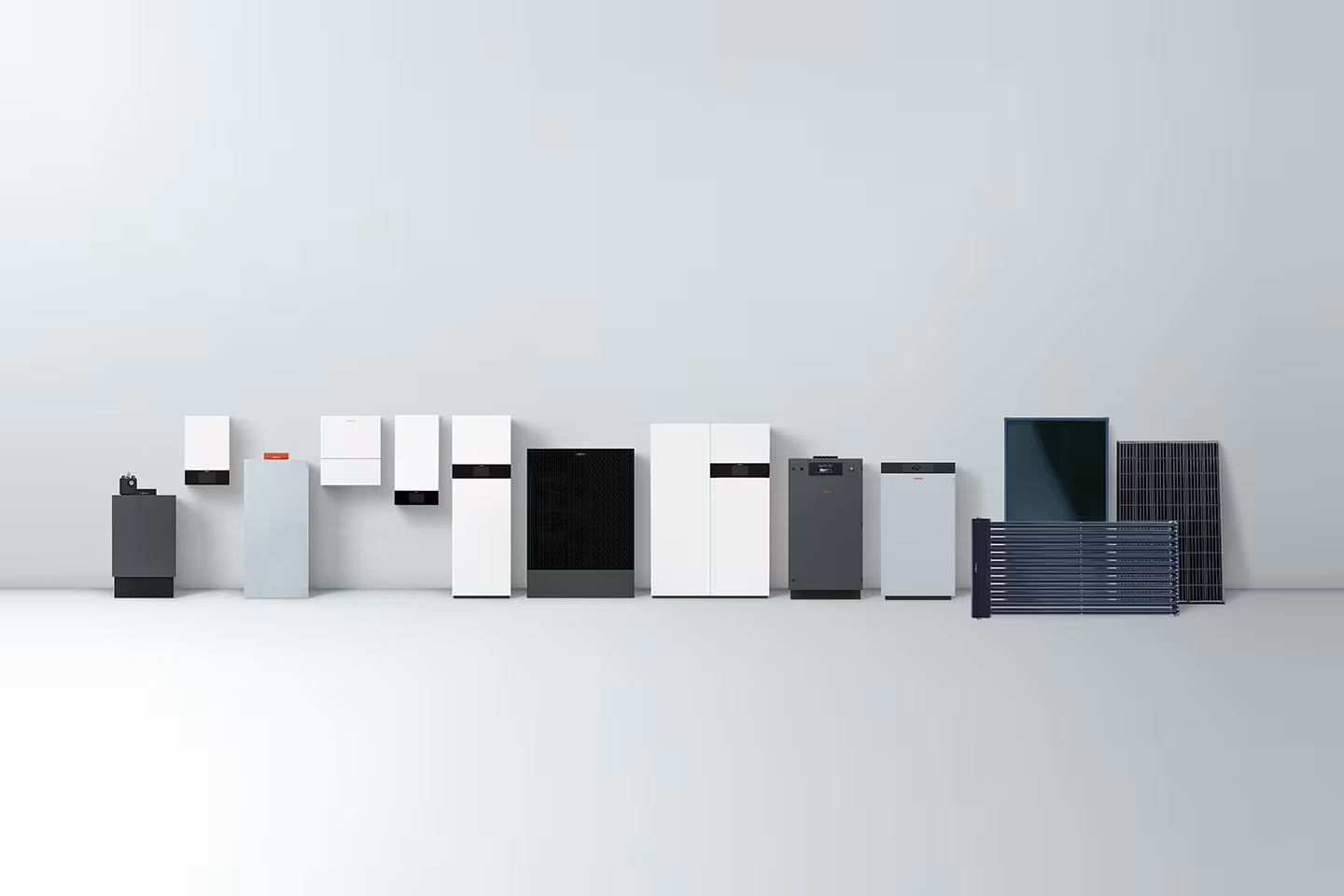
If you already have a gas heating system and are wondering what alternatives exist in the current situation, a hybrid solution may also be an option. The existing system can be supplemented with a heat pump or wood heaters. Among other devices, AHI-Carrier offers the latest-generation hybrid heat pump, the Vitocal 250-AH. With this combination, the gas heating system functions as a peak-load boiler, meaning it always turns on when there is increased demand for heat or domestic hot water. Another alternative to purely gas heating is installing a solar thermal system . It takes care of domestic hot water heating and helps provide heat. In the summer, you can completely eliminate the need for gas heating. For example, the compact Vitodens 343-F and Vitodens 242-F units have a factory-integrated solar panel.
Not ready to make the switch yet? – Tips for reducing gas consumption
There are a number of reasons why an immediate heating system upgrade isn’t always feasible. The aforementioned hybrid solution may be an alternative. After consulting with an engineer, you can also plan a long-term full switch to gas heating, using hybrid heating as an interim solution for now. It’s also recommended to plan a comprehensive heating upgrade now . This way, additional measures such as replacing radiators or installing insulation can be factored in from the outset. As an alternative to purchasing a new system, you can rent a AHI-Carrier heat pump .
Reduce your gas consumption
Additionally, it’s important to consider reducing your gas consumption. This not only saves resources and reduces CO2 emissions , but also actively influences your energy costs. One important step is setting your thermostat correctly . Not all rooms need to be heated equally. Without additional measures, reducing the room temperature by one degree can save you up to six percent in energy. There’s also potential for optimizing your hot water consumption . You can find more energy-saving tips in the “Heating Guides” section under ” Energy Efficiency .”
Related articles