
Topics at a glance
With today’s energy prices, heating with wood is a good alternative to heating with oil or gas in terms of overall investment. After all, environmental protection isn’t the only argument in favor of heating with this natural resource. As a local fuel, wood is very economical and isn’t subject to sudden price fluctuations. Logs are an ideal choice for those who can obtain their own fuel, such as from local forests. The technology is convenient, energy-efficient, and safe for use in private homes, commercial buildings, and local governments.
Construction and operation of a log heating system
Log boilers burn split logs. Unlike fireplaces, where the wood gradually burns from the top, modern wood gasification boilers burn the wood from the bottom. Gasification technology uses two combustion chambers, each with its own function. With “staged combustion,” stacked logs are dried in the first combustion chamber and converted into wood gas. The combustion products emerging from the logs are then efficiently burned at very high temperatures in the second combustion chamber, with additional combustion air supplied.
Low-profile combustion is clean and efficient
Modern log heating systems efficiently convert wood energy into heat and, by creating very little dust during combustion, are environmentally friendly. This is made possible by using two separate combustion phases and effective control of combustion air. Using a lambda probe, the controller continuously monitors the flue gas composition and adjusts the combustion air supply to achieve optimal combustion.
Automatic ignition, ash removal and cleaning for maximum convenience
Wood heating systems naturally require more manual labor than gas or oil heating systems. For example, wood typically needs to be placed in the boiler and lit manually. After combustion, the ash must be removed. To prevent deterioration of the system, the homeowner must also regularly remove combustion products from the heat exchangers.
Thanks to modern appliances, the log heating system’s operating principle facilitates all these processes. It is equipped with an automatic ignition controller with a timer and an automatic ash removal system, saving time and effort. Flue gas heat exchangers in modern wood-burning boilers can also be cleaned with the touch of a button.
Buffer cylinder improves efficiency
Once the wood in the boiler ignites, the process is virtually unstoppable. To ensure high efficiency, the boilers operate in conjunction with a buffer tank. It accumulates thermal energy and releases it to the heating system or hot water supply as needed. This ensures that the log heating system always operates within its ideal power range, reducing fuel consumption.
Can be combined with other heat generators
A buffer tank also allows log heating systems to be combined with other heat generators. They are often used in conjunction with an existing gas or oil heating system, for example. While the log boiler serves as the primary heat generator for the home, additional heating devices serve as a safety measure. They are activated, for example, when the homeowner is away and unable to add firewood.
Tips for Buying a Log Heating System
When purchasing a log heating system, there are several things to keep in mind. The system must be large enough to provide the home with sufficient heat. Fueling the stove takes time, and sufficient garden space is needed to store the wood. Subsidies can also reduce the purchase cost [depending on local conditions]. To benefit, homeowners must choose the right heating system and apply for funding correctly. We offer free, no-obligation expert consultations to answer your questions about this technology.
The Right Wattage for Your Log Heating System
If you’ve decided to opt for wood heating, proper planning before installing the system is vital. When purchasing a log heating system, the most important factor in terms of functionality, convenience, and price is the system’s capacity.* It must be high enough for the boiler to compensate for heat loss from the building envelope and provide the required temperature in all rooms. While a detailed calculation will provide precise results, approximate values can help with the approximate sizing and placement of the heating system. These values depend on the age of the building and are as follows. If the year of construction is:
- Before 1970, the required heating power was 150-170 watts per square meter
- Between 1970 and 1980, the required heating power was between 100 and 150 watts per square meter
- Between 1980 and 1990, the required heating power ranged from 75 to 100 watts per square meter
- Between 1990 and 2000, the required heating power ranged from 50 to 75 watts per square meter
- After 2000, the required heating power was between 15 and 50 watts per square meter.
- Particularly in older buildings, the required heating capacity may be lower if the building has already been modernised.
*The correct boiler selection is determined by the volume of its hopper. If, for example, you only want to fire the boiler once a day in winter to heat a building, the boiler’s hopper capacity should be sufficient to meet the heating needs of the entire building. The larger the hopper, the more wood it can hold and the more heat it will generate. Boiler capacity affects the rate of fuel combustion. If the boiler can be fired twice a day in winter, a smaller hopper capacity is sufficient.

Expert advice on log boilers
Request a consultation now →Wood as fuel – proper storage
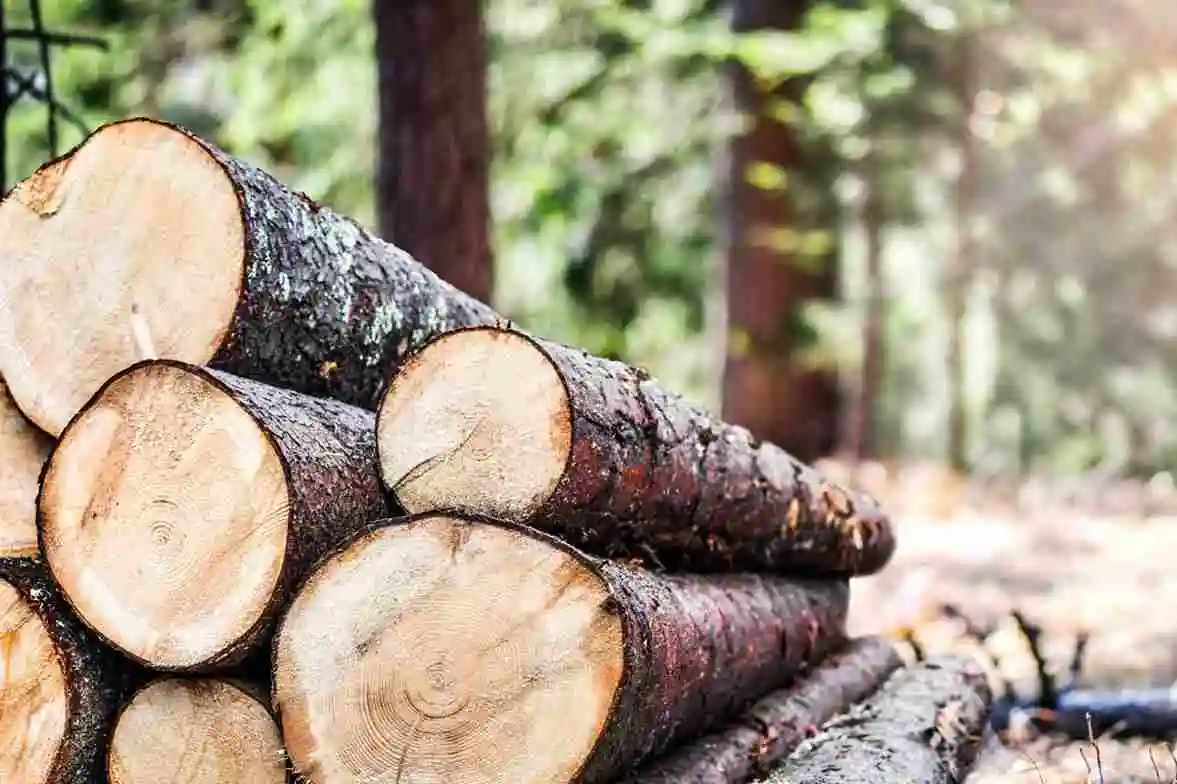
Wood is a regenerative raw material grown in local forests. It is considered CO₂ neutral and significantly reduces the environmental impact compared to burning oil or gas. This is because, when burned in a log boiler, this environmentally friendly fuel emits barely more carbon dioxide than it converts into oxygen during growth. We’ve compiled additional information about wood as a fuel in our article on biomass fuels.
Tips for Storing Fuel for Log Boilers
For log heating systems to achieve maximum combustion efficiency, the fuel must be of high quality. This means it must have a low residual moisture content, which, according to the German Immission Ordinance, must not exceed 25 percent. When burning damp logs, a significant portion of the energy released is wasted on evaporating the water contained in the wood. This leads to increased consumption and increased pollutant emissions from wood-burning boilers. Burning damp wood can also damage the chimney. A residual moisture content of 15 to 20 percent ensures efficient and clean combustion. A moisture meter can be used to test whether the wood meets this requirement.
Since wood fuel releases a lot of moisture into the environment during storage, experts advise against storing it indoors. Especially if the premises are poorly ventilated, the moisture will remain inside, condense on cold walls, and cause mold growth.
Follow these tips to dry wood fuel quickly.
To ensure fuel dries quickly, ensure proper storage. The list below provides an overview of the most important points:
- Before storing, separate the firewood into small enough pieces.
- Use a foundation of pallets or logs to protect the firewood from rising moisture.
- A windy and sunny outdoor location is an ideal storage location.
- It is best to lay the logs crosswise in alternating layers.
- Maintain a distance of more than ten centimeters between stacks of wood and between stacks and walls.
- Use a tarp or build a simple roof to protect the wood from rain and snow.
- Keep the sides of the stacks clear to ensure optimal ventilation.
Find out more
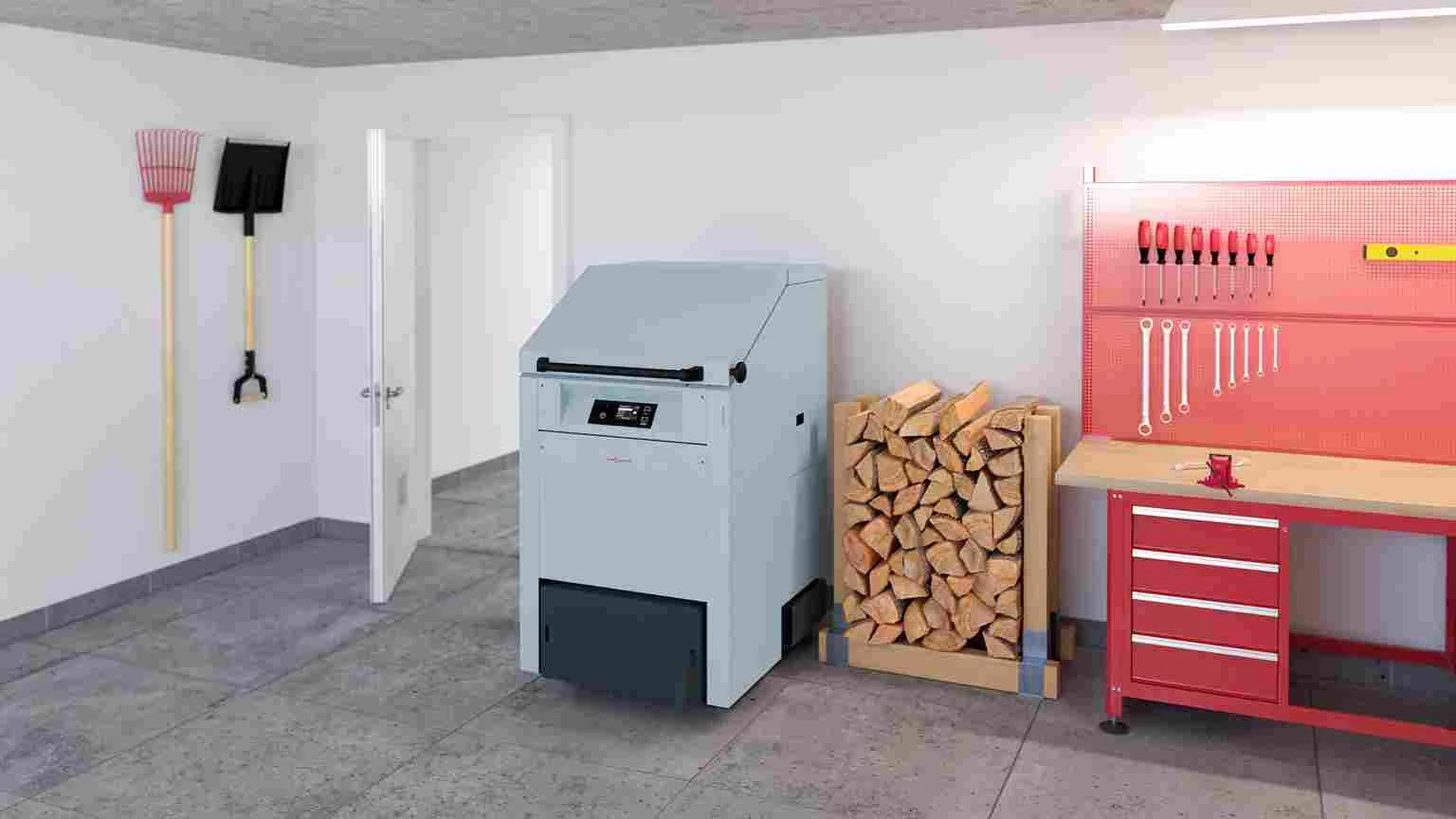
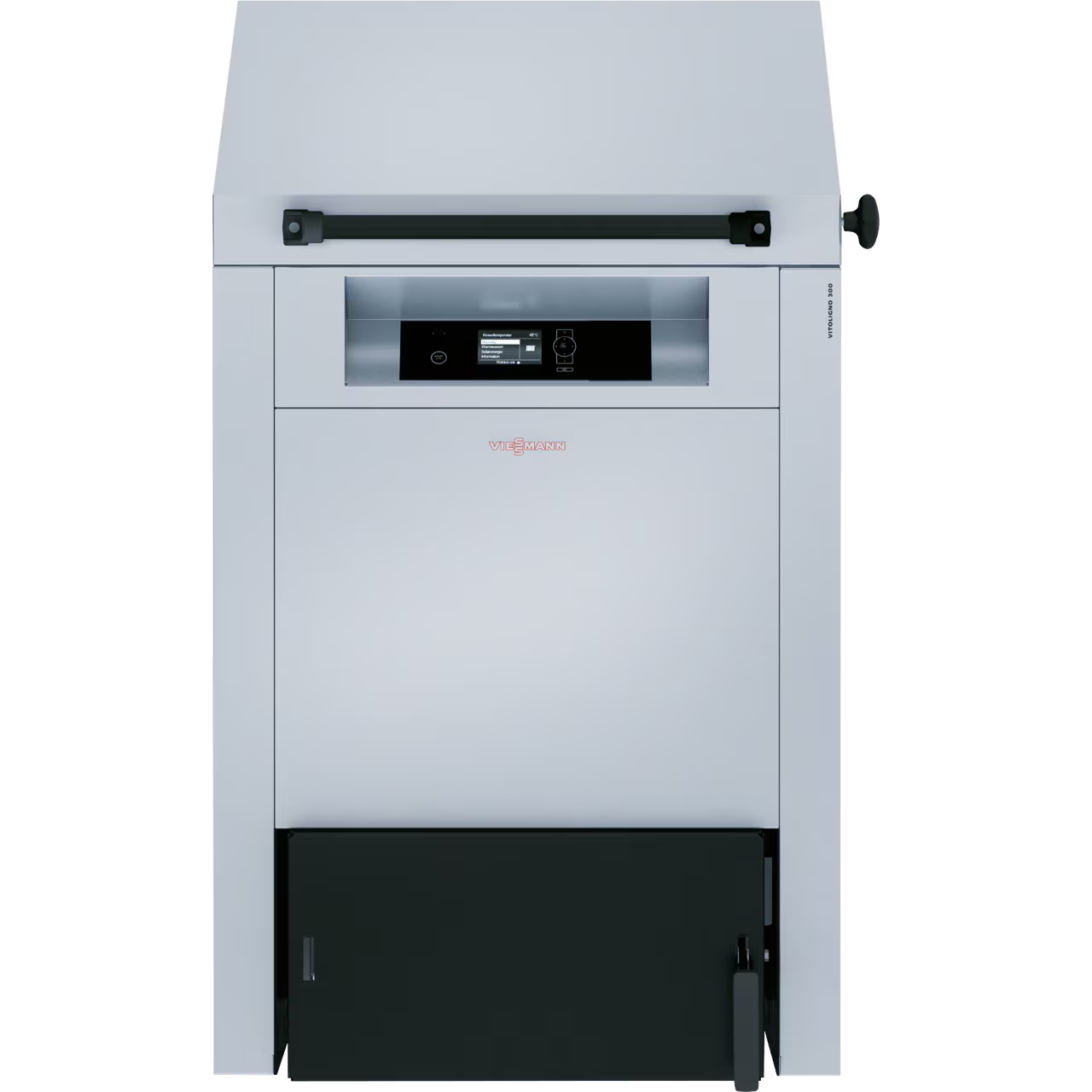
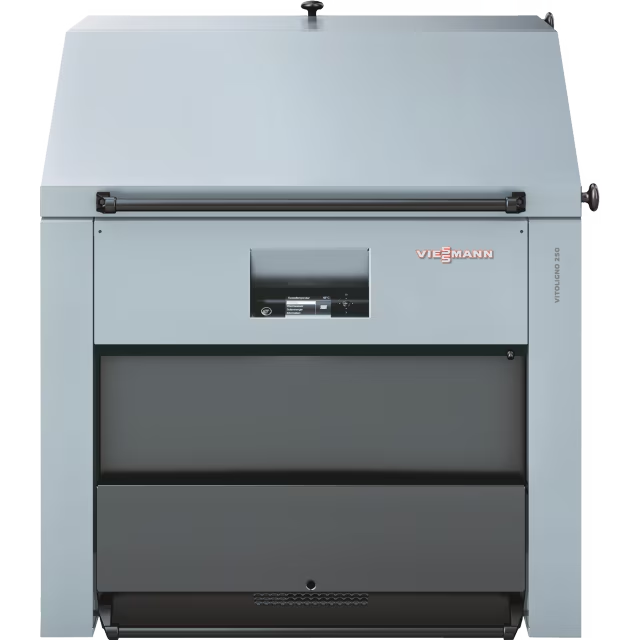
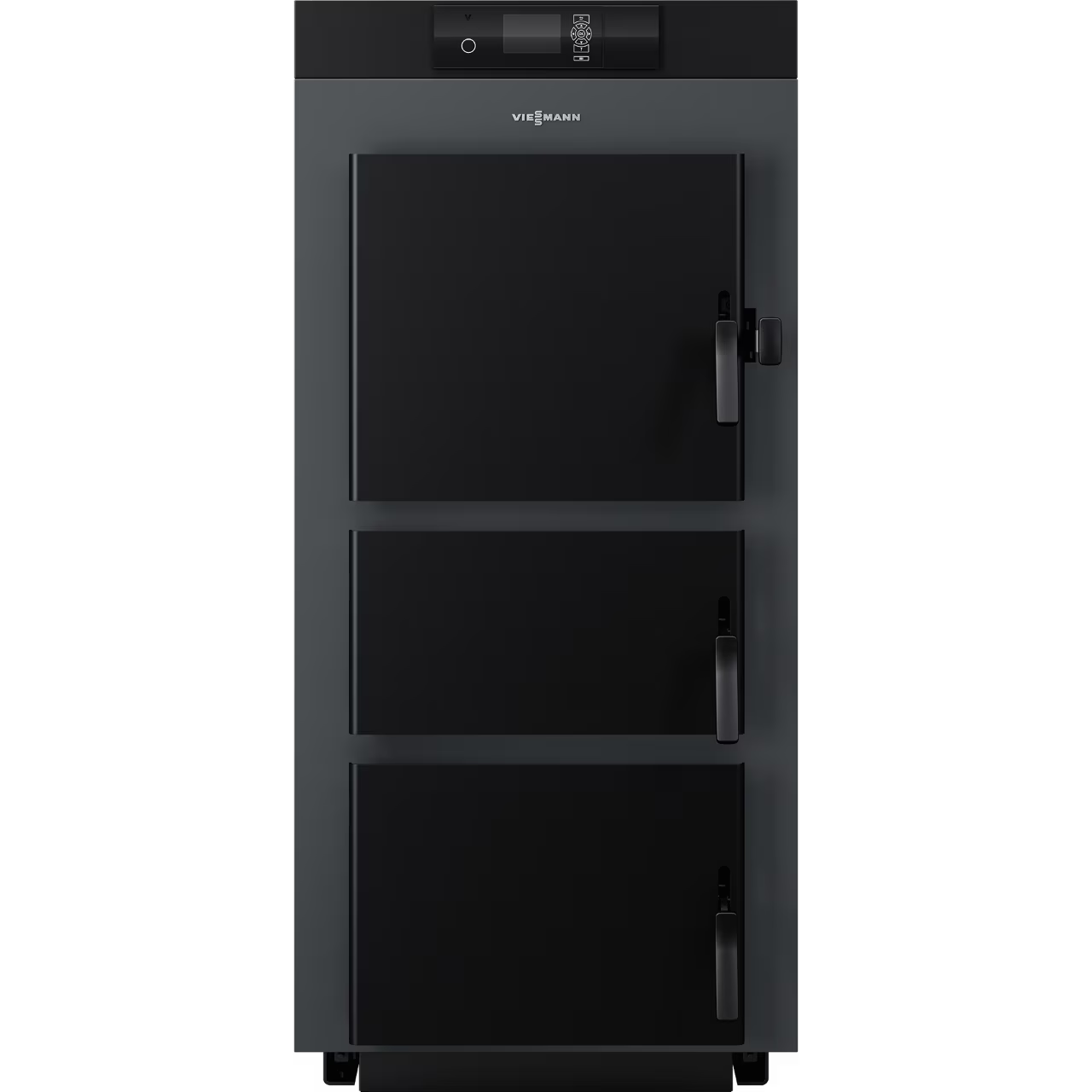
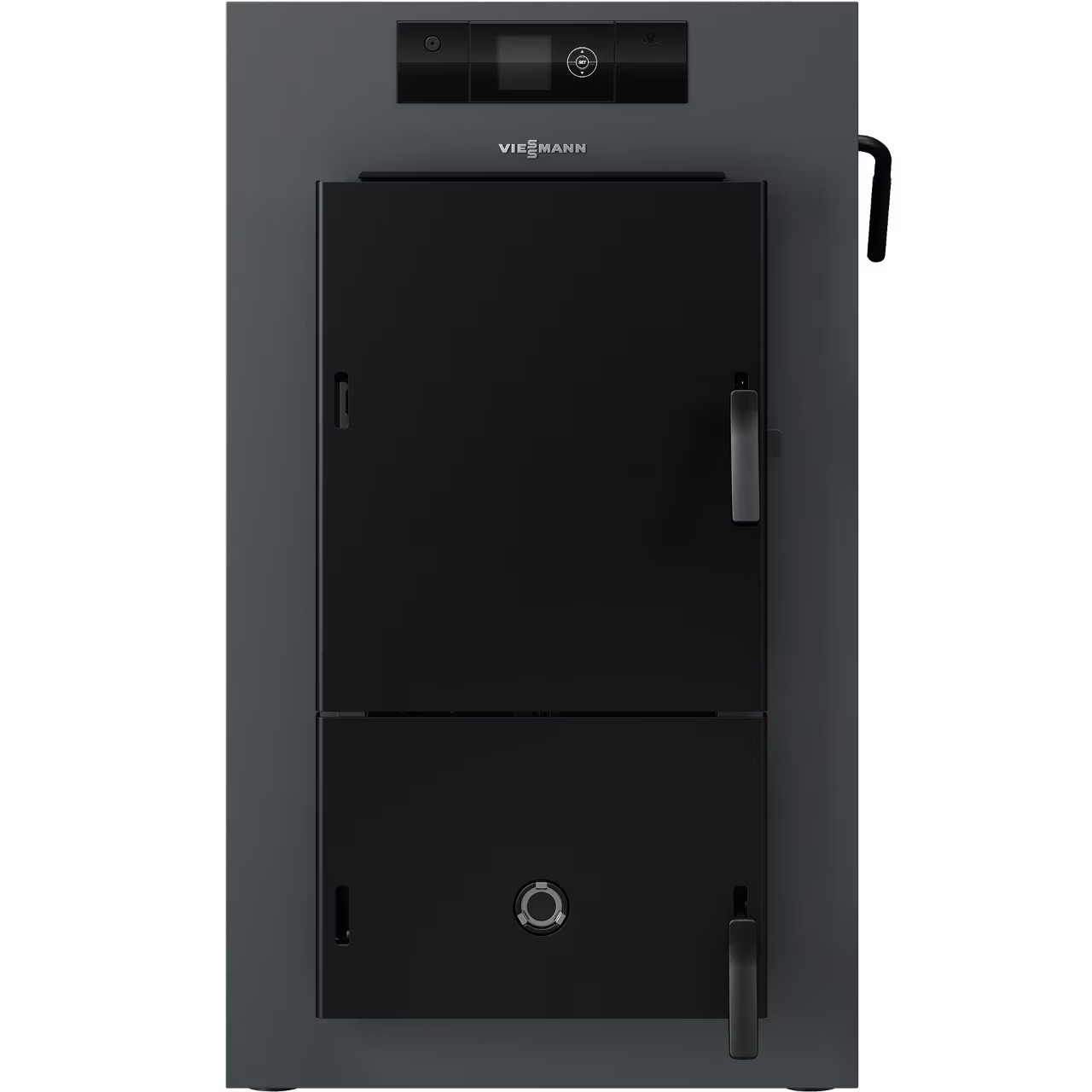
Vitoligno solid fuel boilers
Find out more ›Benefits for owners and the environment
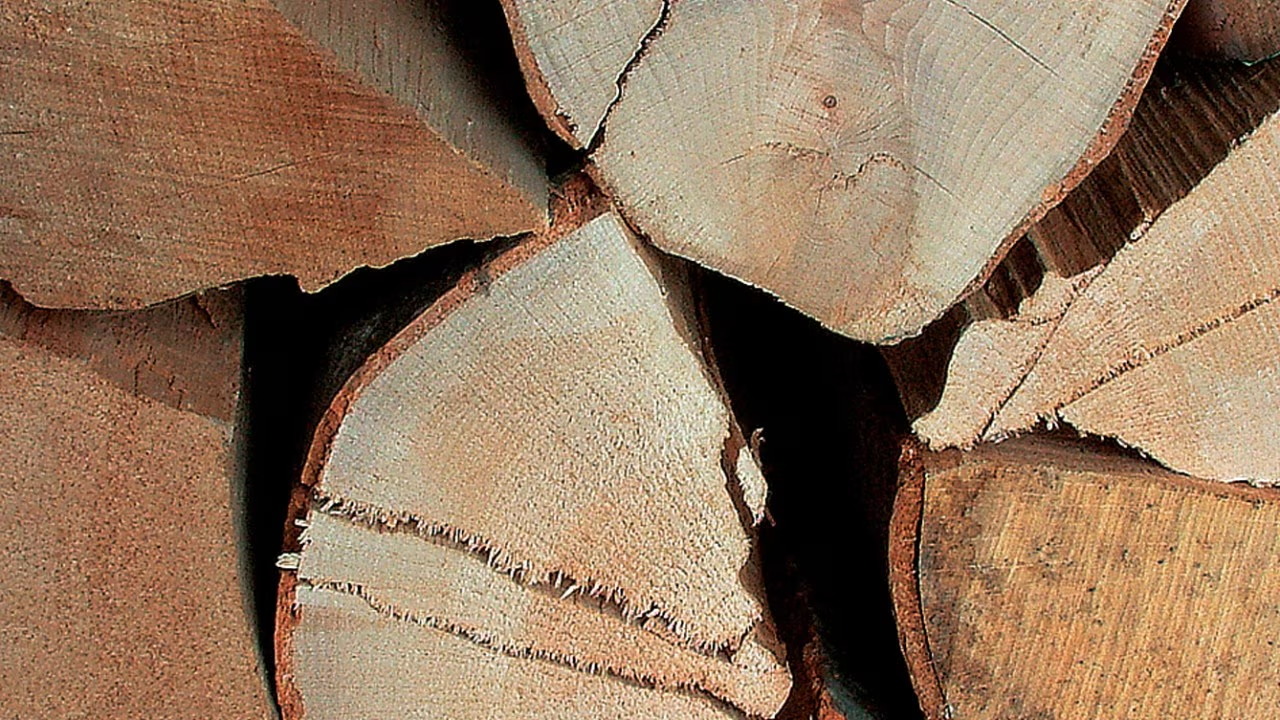
Log boilers are inexpensive, sustainable, and environmentally friendly. However, they do require a certain amount of maintenance. During the heating season, expect to refill them with wood once a day. If the outside temperature is very low, you may need to add fuel twice a day. You will also need sufficient storage space for the fuel. Below is a brief overview of the advantages of this heating system.
- Use of regionally available and renewable raw materials
- Wood is subject to minor price fluctuations and is cheaper than oil or gas.
- CO₂-neutral combustion makes it easier for the environment
- Proven, safe and efficient heating technology