MENU

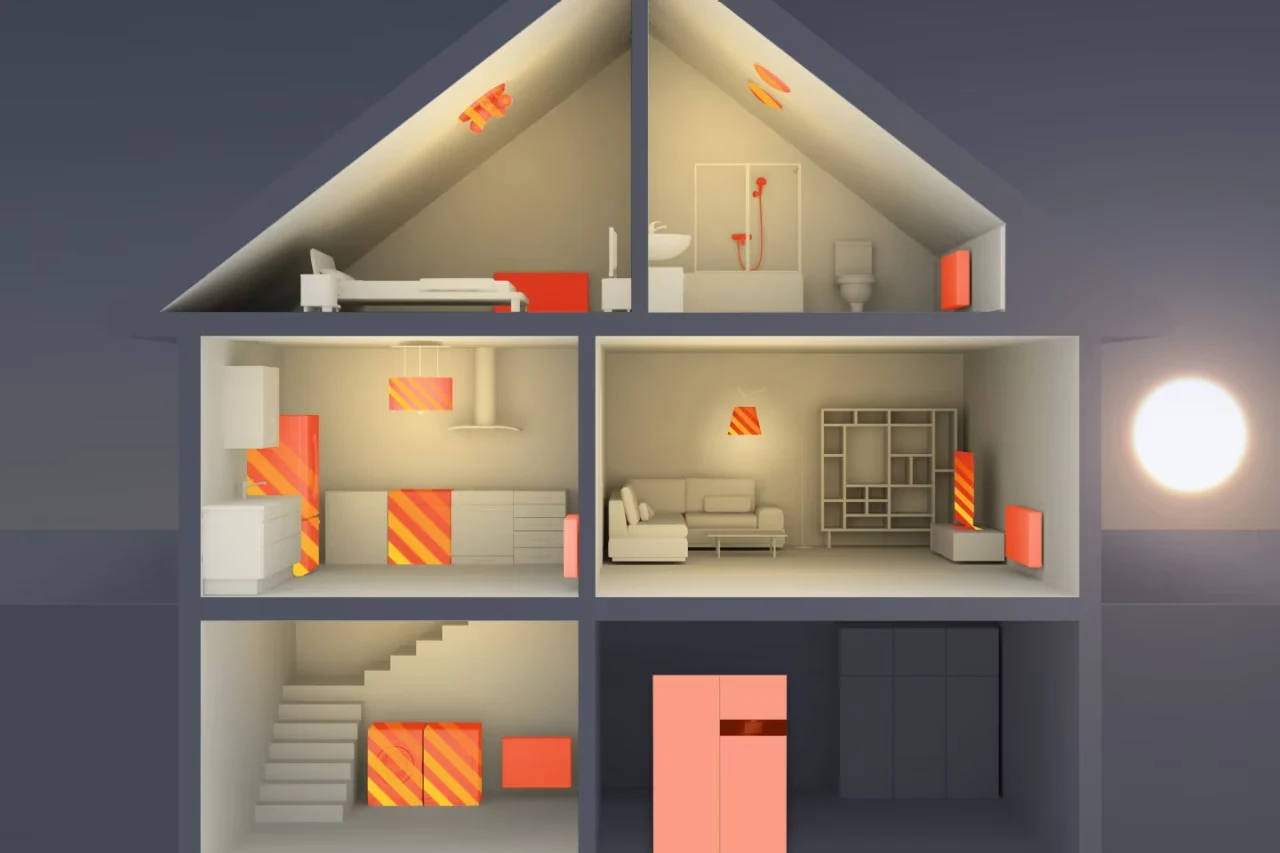
An electric underfloor heating system works similarly to a traditional hot-water underfloor heating system. Simply put, it’s a large radiator that evenly distributes heat throughout the room. This provides a pleasant feeling of warmth, especially since it guarantees warm feet. Installing a traditional or electric underfloor heating system increases property value and, of course, improves living comfort.

The ideal time to install electric underfloor heating varies and depends on specific circumstances. Such a system may be considered:

  • As an addition to an existing radiator
  • As a replacement for an existing radiator
  • To increase overall value and comfort
  • For heating a room without an existing radiator or as an option for connecting to an existing heating system.

Older buildings are generally suitable for retrofitting with electric underfloor heating. This requires relatively little effort, as, unlike traditional underfloor heating, installing an electric system doesn’t always require opening up the floor. Depending on the technology and circumstances, an electric underfloor heating system can be easily installed over existing flooring.

FAQ - Frequently Asked Questions about Heating

FAQ - Frequently Asked Questions about Heating

Read more
Heating system - which one is right for you?

Heating system - which one is right for you?

Read more
Saving energy and reducing heating costs

Saving energy and reducing heating costs

Read more

Requirements for the conversion of electric underfloor heating

To ensure a successful installation of electric underfloor heating, several requirements must be met in advance. These primarily concern the room to be heated and the condition of its floor. The floor must be level. Furthermore, the floor must be resistant to twisting and, most importantly, thermally insulated. Otherwise, the electric underfloor heating will consume more energy to provide the required amount of heat. This, in turn, leads to increased costs. In the worst case, the heating capacity will be insufficient to cover the heating load and achieve the desired temperature. In particular, in rooms located above an unheated basement, the installation of decoupling and thermal panels may be necessary. The statics of the floor or ceiling are less important during installation, as electric underfloor heating, including the screed and leveling compound, is relatively lightweight.

Electricity consumption affects the economic efficiency of electric underfloor heating

Electric underfloor heating runs on electricity. This has the advantage of warming up the room very quickly. However, heating with electricity is significantly more expensive than heating with other fuels. For cost-effective installation and operation of electric underfloor heating, it’s important to pay attention not only to the design requirements but also to the conscious use of the heating system. Specifically, this means using the underfloor heating only when needed and turning it off when you’re not in the room.

Calculating the energy consumption of an electric underfloor heating system

There’s no general answer to the question of how much electricity an electric underfloor heating system consumes. This is because, in addition to the room size, consumption also depends on the amount of time the underfloor heating system is running. To determine consumption, simply multiply the heating power by the area of ​​the room being heated and the amount of time the heating system is running.

Electricity consumption (in kilowatt-hours) = heating power (in watts per square meter) x heated area (in square meters) x heating duration (in hours).

Here is an example

  • Heating mats with a heating power of 200 watts per square meter were installed.
  • The area of ​​the heated bathroom is 10 square meters.
  • The daily heating duration is 3 hours.


→ 200 x 10 x 3 = 6000 watt-hours or 6.0 kWh per day.

Planning an electric underfloor heating system upgrade

Once all requirements are met, we move on to the next and most important step: planning. At this stage, several questions need to be answered. These include:

  • Should you install an electric underfloor heating system yourself or have someone else do it?
  • What type of flooring should be used for a particular room?
  • Why is the location of the temperature sensor so important?

Should you install an electric underfloor heating system yourself?

Installing an electric underfloor heating system requires both professional knowledge and meticulous workmanship. While DIY installation kits are available, we strongly recommend avoiding them to avoid compromising the safety and efficiency of your heating system. After all, once installed, the underfloor heating system is no longer accessible for minor troubleshooting. Furthermore, the manufacturer’s warranty may be voided if you fail to perform the work properly.


What type of flooring should I use for an electric underfloor heating system?

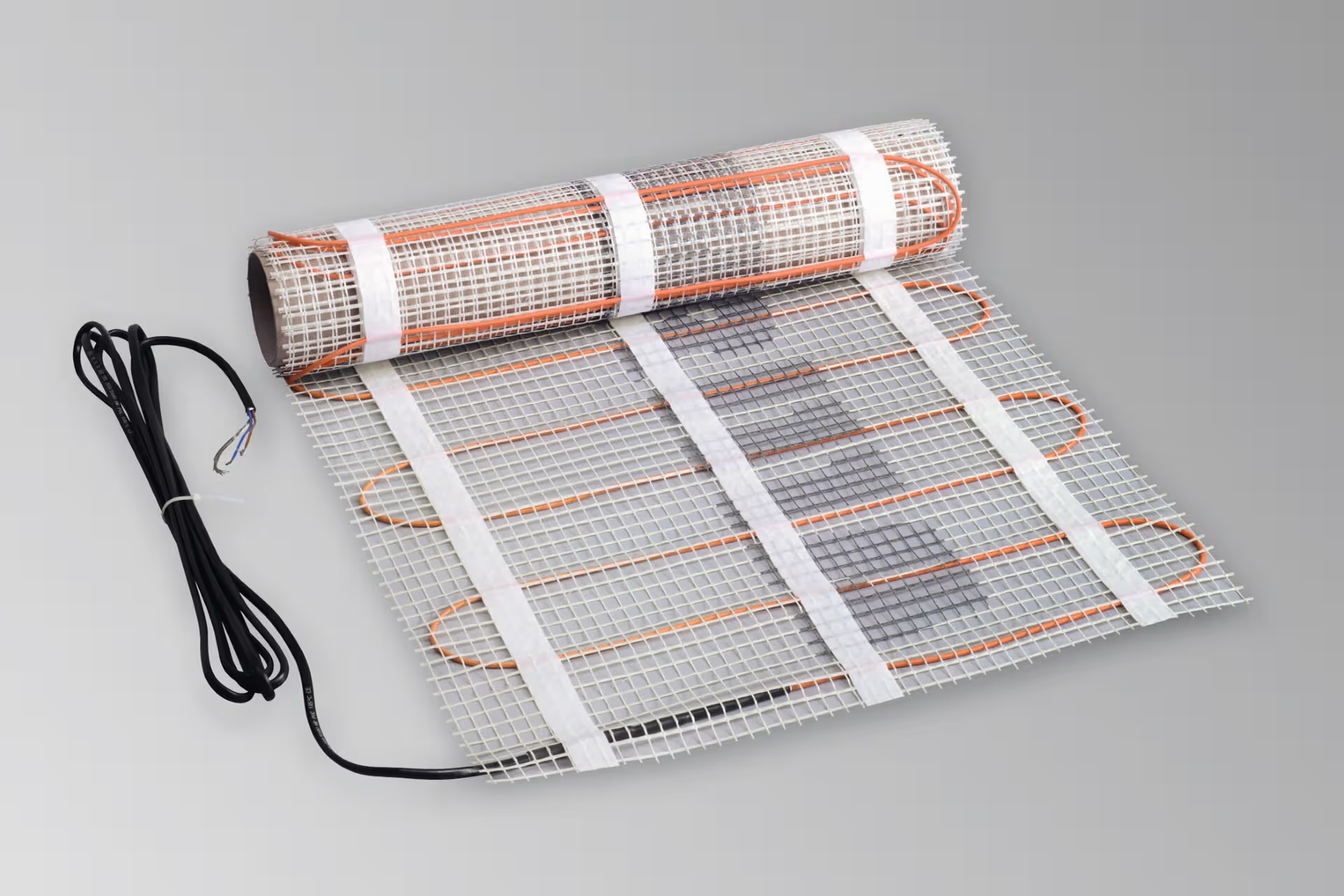
The choice of flooring depends primarily on the room where the electric underfloor heating system will be installed. Tiles are commonly used in wet areas such as bathrooms and toilets. Here, contractors typically use heating mats, such as the Vitoplanar EF2, with a power output of up to 200 watts per square meter. If laminate or parquet is being installed instead of tiles, it’s best to use heating film. However, their power output should not exceed 150 watts per square meter. Otherwise, there’s a risk of damaging the material.


Why is temperature sensor positioning so important?

A complete electric underfloor heating system is controlled by a controller mounted on the wall and connected to a temperature sensor in the floor area. The temperature sensor significantly influences the heating and warm-up phases, as well as temperature accuracy. Therefore, its location is extremely important. In practice, it is positioned precisely between the two heating conductors and embedded in a protective pipe (the sensor pipe) in the existing screed.

Installation Questions and Answers

As mentioned earlier, it’s best to entrust the installation of an electric underfloor heating system to a contractor who will ensure the work is carried out properly. They can also answer detailed questions, some of which are briefly touched upon below.


What is a wiring diagram?

Before the contractor begins installing an electric underfloor heating system, they need specific information about the rooms, including how they will be furnished. This is the only way to determine the exact length of the heating mats. If the heating mats are too long, they cannot simply be shortened. If they are too short, this may reduce thermal comfort. In addition to length, the number of components required is also important. The contractor records all this information in a so-called layout plan, which serves as a guide for the actual installation.


What role does air play in leveling compounds?

Depending on the floor covering, the electric underfloor heating system is secured with flexible tile adhesive or embedded in a leveling compound. In either case, it’s important that the leveling compound be as airtight as possible. Failure to do so may reduce heating output. In the worst case, air pockets can cause defects.

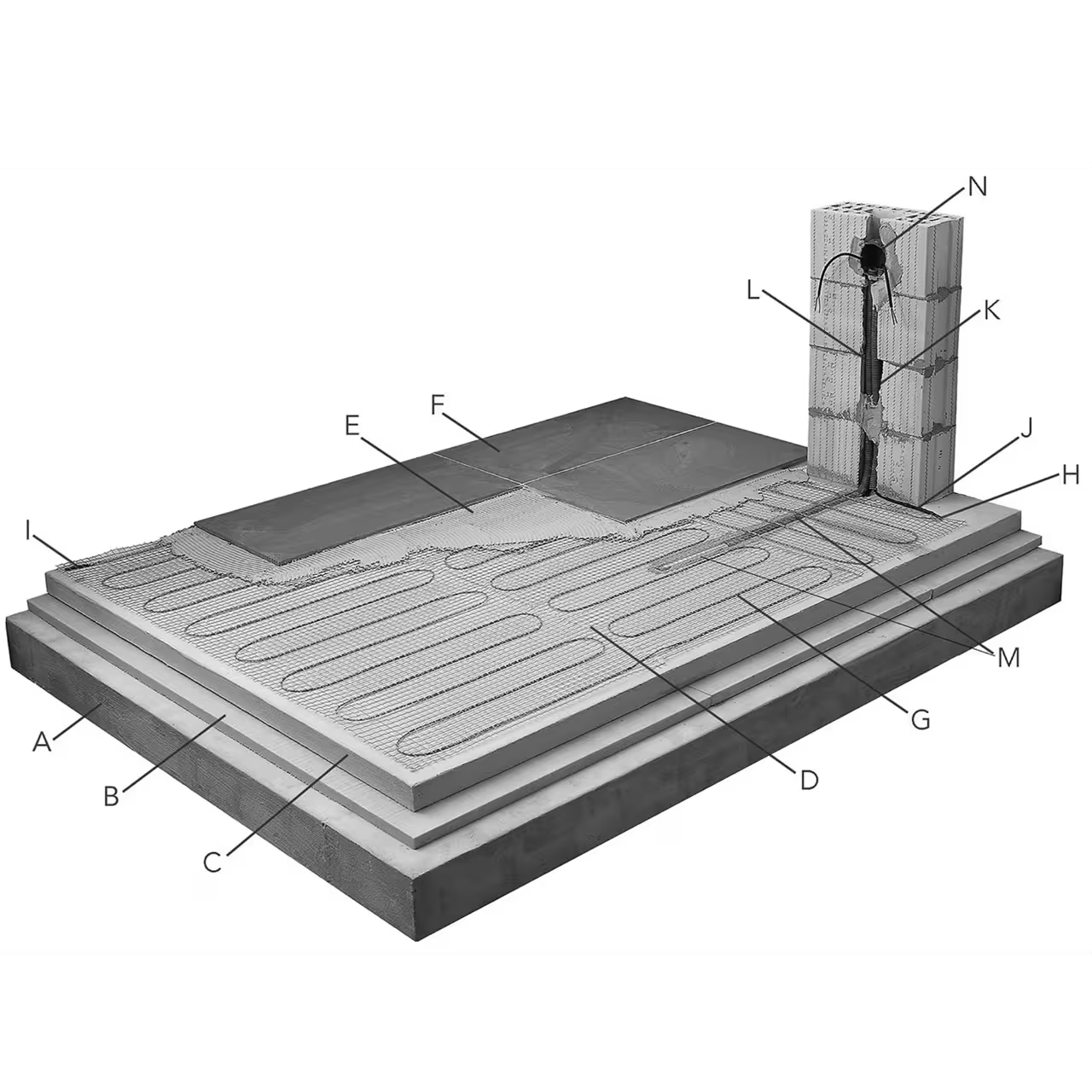
Image

Installation example

A Raw concrete
B Existing insulation
C Existing subfloor
D Glass fibre mesh
E Flexible adhesive
F Floor covering (top layer)
G Heating cable
H Connection sleeve
I End cap
J Connection cable
K Mounting channel for connection cable
L Mounting channel for sensor cable
M Mounting channel and sensor protective tube made of copper
N Concealed mounting box for thermostat

How warm will it be underfoot?

Depending on the technology used (heating mats or heating films), temperatures up to 34 degrees Celsius are possible. This value is based on the surface temperature of human skin. Due to the slight temperature difference between the floor and the skin, the rising heat is perceived as very pleasant.


What overall height can be expected?

Heating mats and heating films are particularly thin—their overall height is in the millimeter range. However, for the entire structure, an overall height of approximately five centimeters or more should be considered, as additional floor slabs may need to be installed. If necessary, the existing door should be raised to accommodate the new height.

Other Viessmann guides and tips

Alternatives to oil heating

Alternatives to oil heating

Read more
In what case is it advisable to use a combined heat and power plant

In what case is it advisable to use a combined heat and power plant

For the KU module to be economically viable, the device must operate continuously for as long as possible. Read here to learn why this makes sense.

Read more
Solar thermal energy modernization and energy consumption reduction

Solar thermal energy modernization and energy consumption reduction

Read more