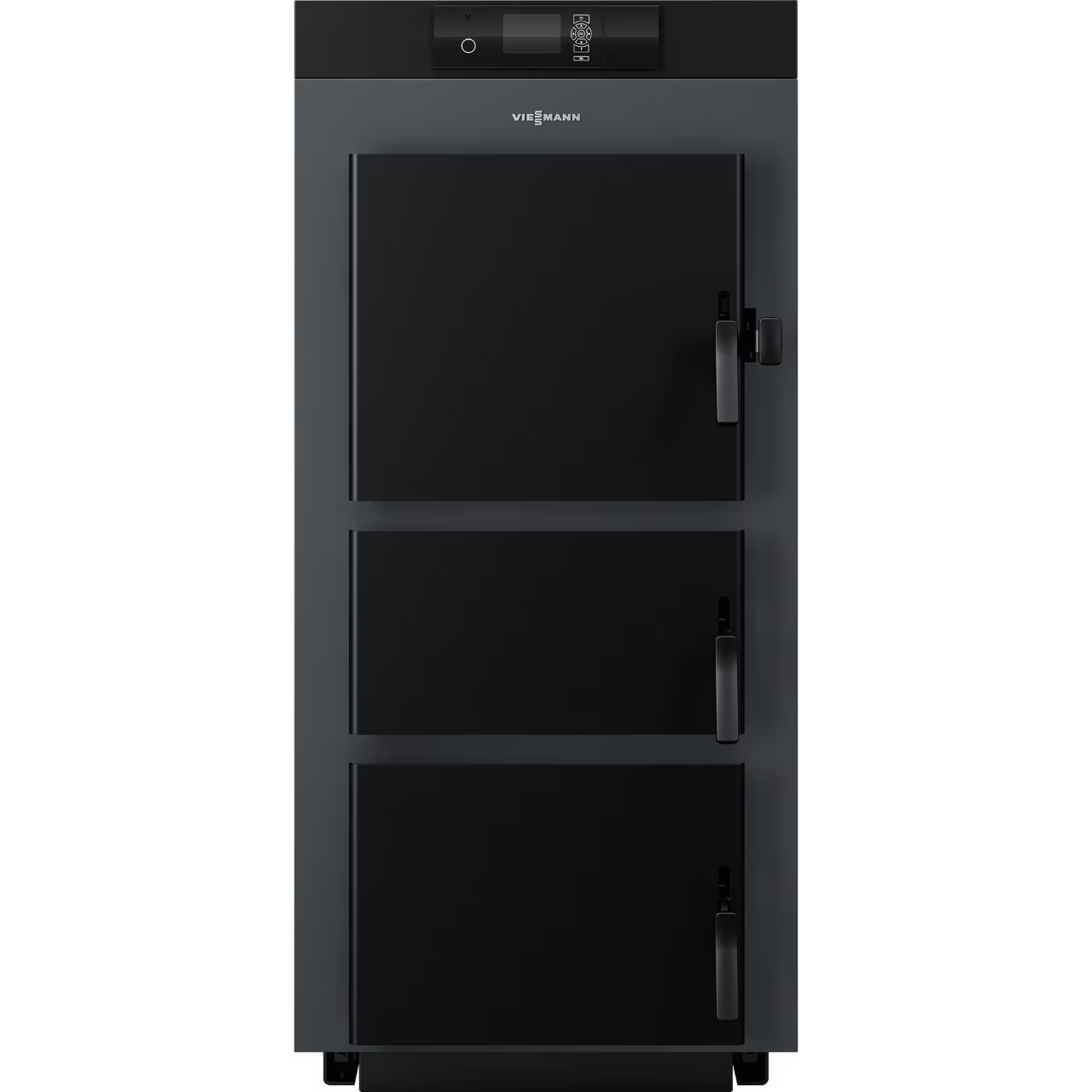

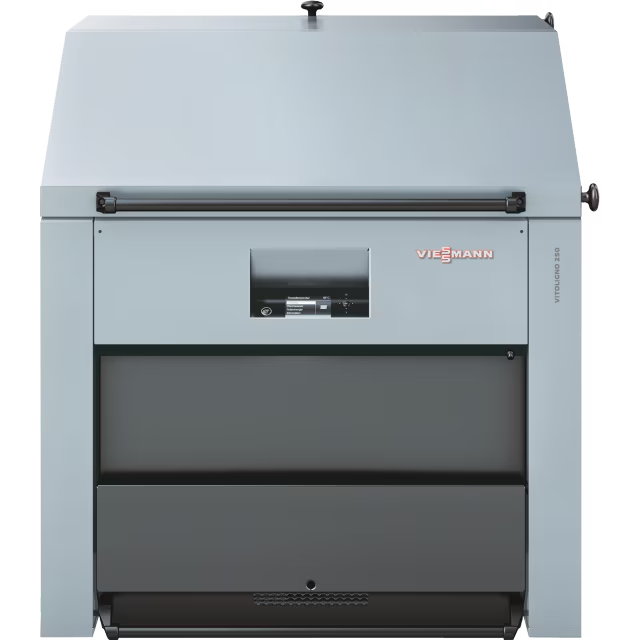
Vitoligno 300-S
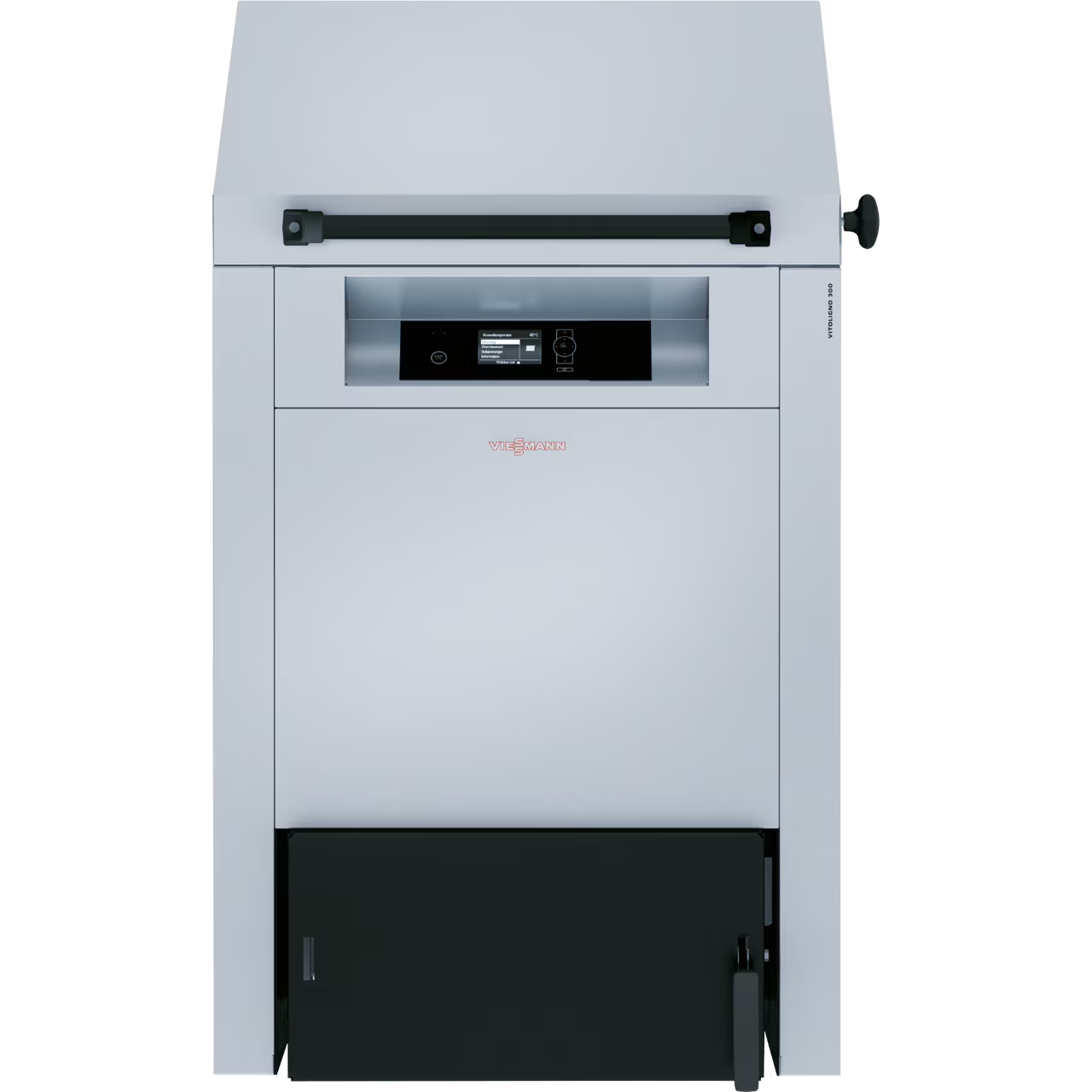
Boiler on Lump Wood
- Nominal heating power: 33 - 75 kW
- Heats up in just a few minutes
- An ideal complement to oil and gas heating systems
- Long recharge intervals and burn-out times
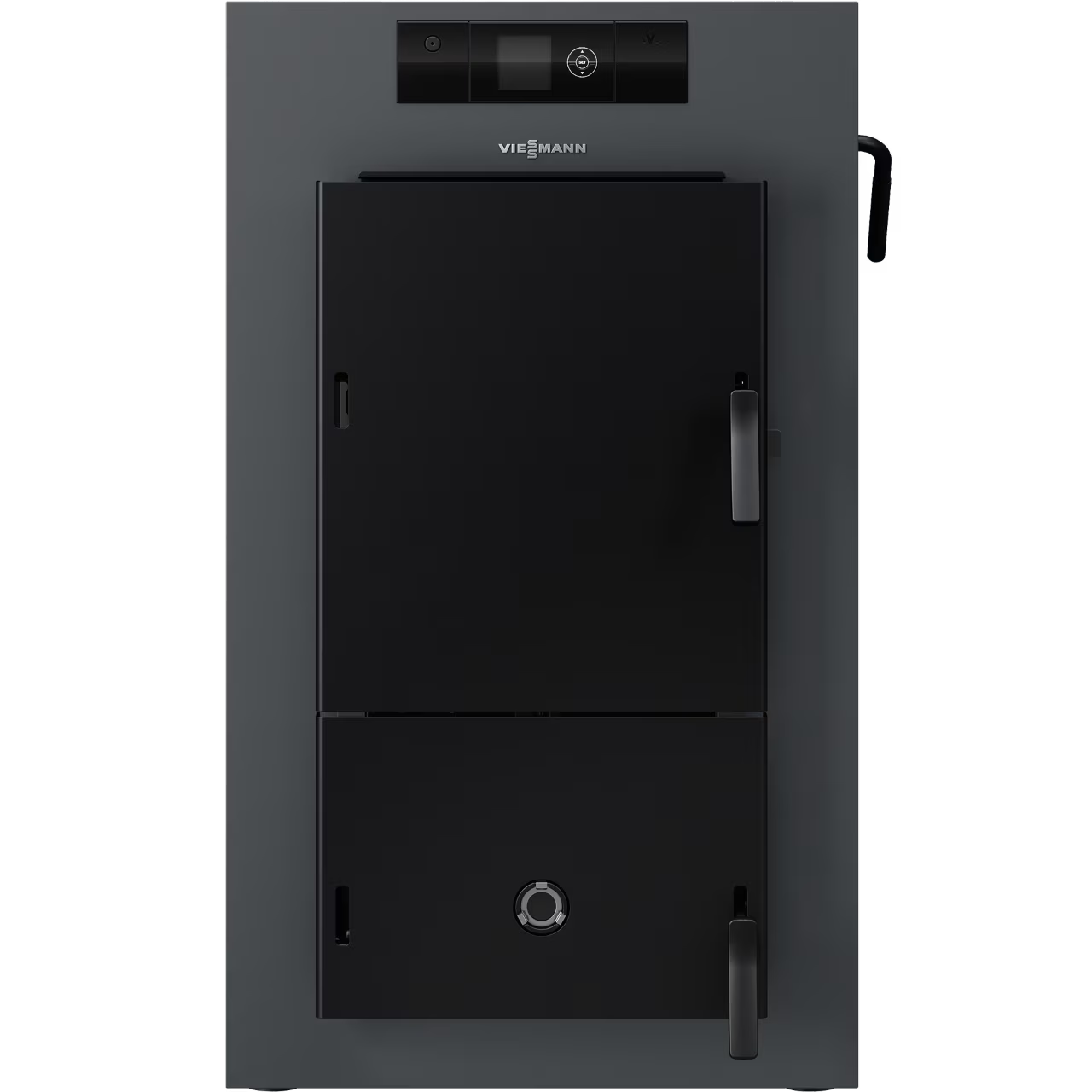
Wodtke ixbase series pellet stove
Wodtke pellet stoves are equipped with a water heat exchanger (water chamber). This allows them to transfer a significant portion of their heat to the central heating system. In this respect, they differ fundamentally from a conventional pellet stove, which only heats the room in which it is installed. The amount of heat transferred to the heating system depends on the model. In practice, pellet stoves with a heat exchanger transfer approximately 20 percent of the heat they generate to the room in which they are installed. The remainder goes directly to the heating circuit or to a buffer tank. This limitation prevents overheating of the room in which the stove is installed.
Similar to a fireplace with a boiler, a Wodtke pellet stove with a heat exchanger consists of a metal housing with a child-resistant door lock. The door itself is mostly transparent, allowing a view of the blazing fire. Inside the pellet stove is a combustion chamber where the energy-rich pellets burn. The aforementioned water chamber is located immediately adjacent to the combustion chamber. This heat exchanger transfers most of the heat to a connected buffer tank , which is integrated into the heating circuit. The temporarily stored heat can be accessed at any time. The remaining heat is radiated directly into the room.
A pellet stove with a heat exchanger operates fully automatically. This is possible thanks to a built-in hopper, which, depending on the model, can hold up to 40 kilograms of pellets. This amount provides a runtime of up to 110 hours (PE Nova water+ insert pellet stove). Some models come with a hopper connection, further extending the interval between manual refills. There’s no need to add fuel every hour, as with a fireplace or log boiler . Since pellets burn virtually completely, refilling and removing ash takes very little time.
Pellet stoves with a heat exchanger offer a number of advantages. In addition to being extremely efficient, pellet stoves with a water chamber are inexpensive to operate. This is due to the low cost-to-energy ratio of pellets compared to gas and oil. They offer the same ease of use as gas or oil heating systems, but are much more environmentally friendly. Furthermore, the pellets they use burn largely without CO₂ emissions.
Wodtke wood and pellet stoves are manufactured to high production and safety standards. This is even confirmed by an award from the independent consumer testing organization Stiftung Warentest. In the November 2011 test of wood and pellet stoves with a heat exchanger, the ivo.tec water+ pellet stove emerged as the clear winner. Today, this stove is the basis for the premium ivo.smart water+ pellet stove.
A pellet stove with a heat exchanger is an ideal addition to an existing heat generator, whether it has won an award or not (yet). It can be combined with either an existing gas condensing boiler, such as the Vitodens 200-W , or a heat pump, such as the Vitocal 200-A . A hybrid solution can also consist of a Wodtke pellet stove with a heat exchanger and a central ventilation system from the Vitovent series . Dual-mode operation with a solar thermal system, such as the Vitosol 200-FM , is also possible . Particularly in spring and autumn, a pellet stove with a water chamber can completely replace central heating. If a pellet stove is being used in a new building, sealed models with a self-closing combustion chamber door are a good choice. They are approved by the DIBt (German Institute for Building Technology) and are ideal for installation in low-energy or passive house buildings, even in combination with controlled mechanical ventilation. However, it’s important to remember that combustion air must be supplied through an external chimney.
Placeholder - system representation
In addition to a reliable supply of combustion air, a pellet stove with a heat exchanger requires a suitable chimney. It must be compatible with the new pellet stove and its rated heat output. This is absolutely necessary to ensure the safe removal of combustion products through the chimney. In practice, this is achieved with the correct chimney diameter, which ensures a natural chimney effect. The exact diameter must be determined individually for each installation. This should be determined by a flue gas inspector before purchasing your system.
Once the wood-burning stove with a heat exchanger is ready for operation, the installation site must also be prepared with adequate fire protection. Combustible objects, such as furniture, should be placed as far away from the stove as possible. As a general rule, leave at least 20-30 centimeters of space on the sides and at least 80 centimeters in the area from which the fire is visible. Detailed information on this can be found in the product’s operating instructions. In addition to fire safety measures, the installation room must have a minimum size. For one kW of heating power, a minimum room volume of 4 m³ is required. For comparison, a room with an area of approximately 10 m² and a height of approximately 2.5 m corresponds to 24 m³. The heating power of the pellet stove installed in this case should not exceed 6 kW.
Wodtke pellet stoves with heat exchangers are available in a wide range of power ratings. Let your specialist consultant help you choose the right stove for your heating needs!
Viessmann solid fuel boilers are economical and versatile. Learn about the different boiler types here.
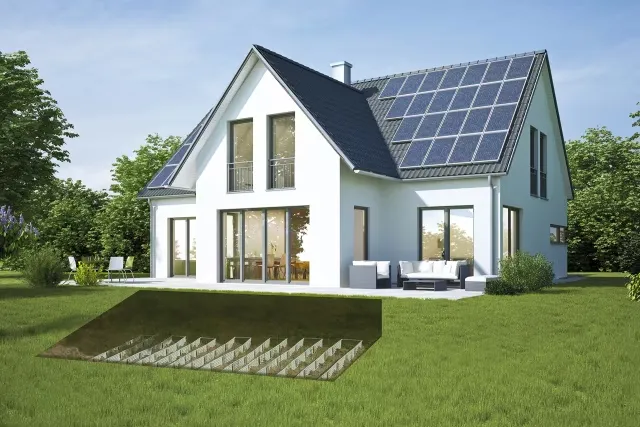
Geothermal collectors for brine/water source heat pumps extract heat close to the surface and can be installed without a permit. You can read more about the differences here.
Gas Heating: Advanced Heating with Condensing Technology
Looking to upgrade your gas heating system and continue heating with gas? Our condensing boilers burn safely and efficiently. Learn more here.
The heat pump provides heating in an environmentally responsible and efficient manner. Learn more about the types, incentives, and subsidies available, as well as the Viessmann product range, here.
Whether it’s air, brine, or water, a heat pump extracts heat from the environment and uses it to generate space heating and hot water. Read more about how a heat pump works here.