Geothermal collectors
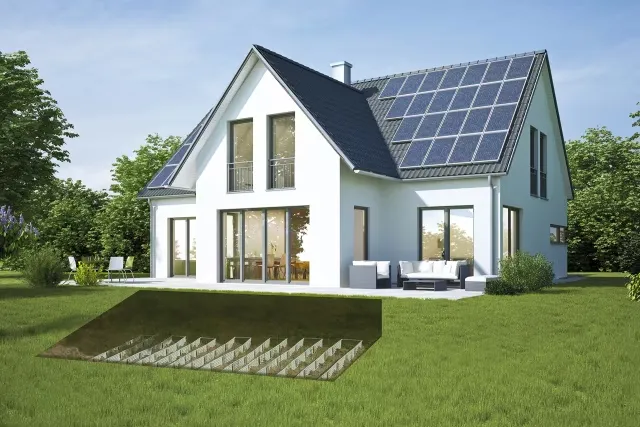
Geothermal collectors for brine/water source heat pumps extract heat close to the surface and can be installed without a permit. You can read more about the differences here.


AHI Carrier water softening systems, type VS19D and VS42D
Hard water can lead to persistent scale buildup. This not only reduces cleaning effort but can also damage water pipes, connected components, and appliances that store or use water. A water softening system reduces the hardness of drinking water, protecting against calcification. This helps extend the operational reliability and service life of your water heater while also enhancing convenience—and not just during regular cleaning. The AHI Carrier Vitoset accessory range includes innovative drinking water softening systems for use in detached homes and multi-family buildings, small businesses, and the food service industry.
The hardness of drinking water is caused by the lime it contains and the dissolved calcium and magnesium ions. The higher the content, the harder the water. The composition of the soil from which the drinking water is extracted also significantly influences water hardness. Water becomes hard when it comes into contact with limestone, such as chalk or marble. For more information on drinking water hardness, contact your local water utility.
Water hardness is expressed as the calcium carbonate content in millimoles per liter (mmol/L). This value allows for a distinction between three hardness ranges, as shown in the following table:
| Hardness range | Calcium carbonate concentration (mmol/L) | German degrees of hardness (°dH) |
|---|---|---|
| Hard water | ≥2.5 mmol/L | ≥14 °dH |
| Medium hard water | ≥1.5 < 2.5 mmol/L | ≥8.4 < 14 °dH |
| Soft water | <1.5 mmol/L | <8.4 °dH |
Hard water does have its advantages. One is that it contains more minerals than soft water. However, over the long term, it leads to limescale deposits in water-containing or water-using components and household appliances. Besides shortening their lifespan, these deposits also reduce the heat output of heating rods and coils in washing machines and kettles, for example, leading to increased energy consumption. Water softening definitely helps improve energy efficiency. Furthermore, water with very high limescale content makes faucets and fixtures difficult to clean and increases the consumption of detergents and cleaning products, reducing their effectiveness. This also negatively impacts the taste of hot drinks. If the limescale content is too high, water softening is definitely advisable.
AHI Carrier drinking water softening systems are DVGW certified.
AHI Carrier water softening systems operate using a proven ion exchange process. This method involves passing water through a resin charged with sodium ions. During the exchange process, it releases calcium and magnesium ions and absorbs sodium ions. This results in fully softened drinking water. The mixing valve, included as standard, allows you to easily set the desired soft water hardness. When the ion exchange resin becomes saturated, it must be replenished with sodium ions. However, the innovative control system of the AHI Carrier VS 19D and VS 42D softening systems ensures that only the spent resin is regenerated. This saves salt and water for regeneration.
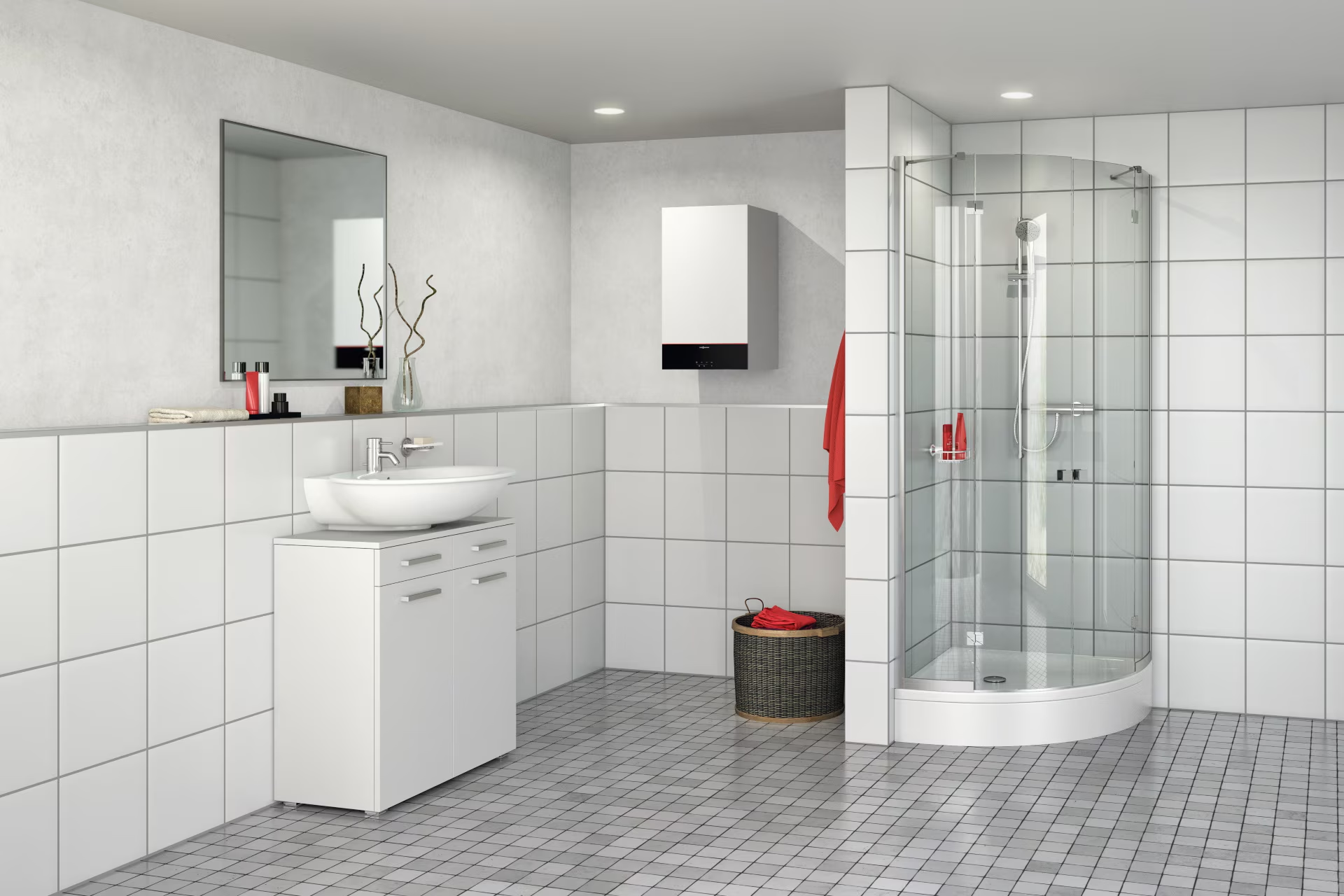
Bathroom with cleaning, facilitated by a drinking water softening system.
If you want to soften your water, it’s important to choose the right system. The following table shows which AHI Carrier softening system is suitable based on water hardness and the number of people in your household (with a recommended softening level of 6 °dH):
| 12 °dH | 15 °dH | 18 °dH | 21 °dH | 24 °dH | 27 °dH | 30 °dH | 33 °dH | 36 °dH | |
|---|---|---|---|---|---|---|---|---|---|
| From 1 to 3 people | VS 19D | VS 19D | VS 19D | VS 19D | VS 42D | VS 42D | VS 42D | VS 42D | VS 42D |
| From 4 to 6 people | VS 19D | VS 19D | 42D | 42D | 42D | 42D | 42D | ||
| From 7 to 9 people | VS 42D | VS 42D | VS 42D | VS 42D | VS 42D |
Geothermal collectors for brine/water source heat pumps extract heat close to the surface and can be installed without a permit. You can read more about the differences here.