
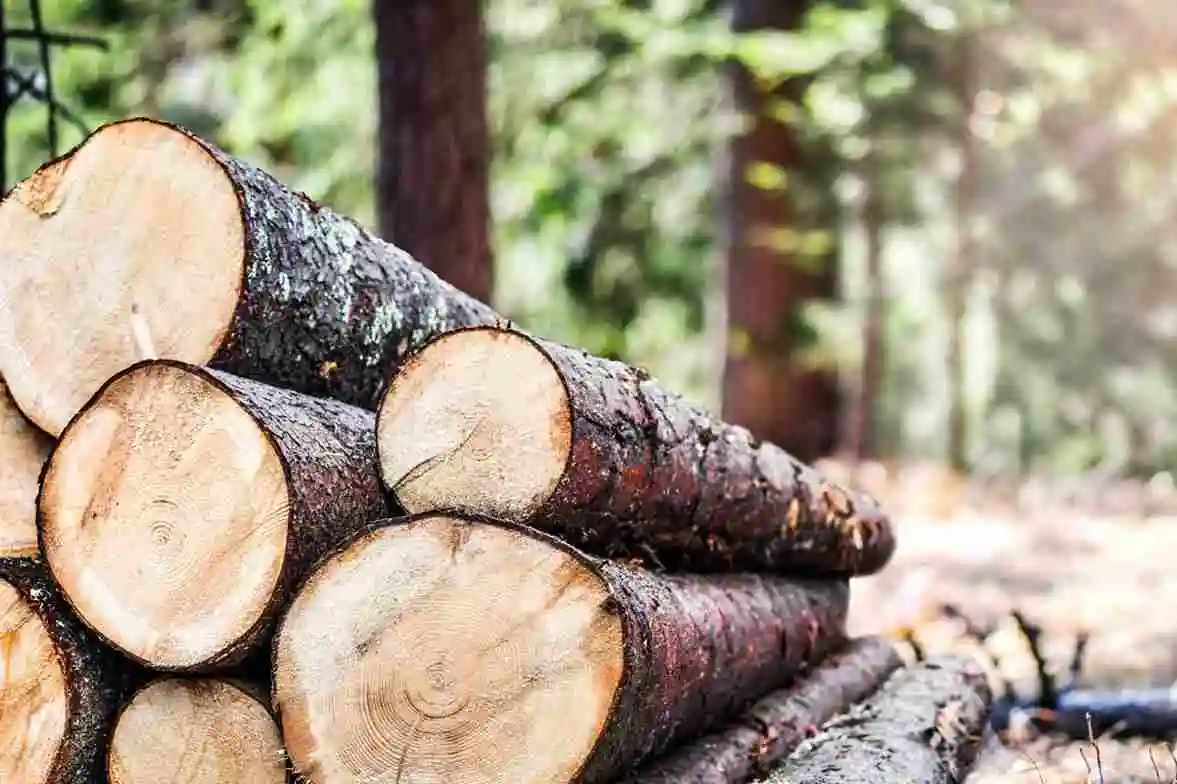
AHI Carrier solid fuel boilers – high efficiency with low fuel consumption
Rising fossil fuel costs and growing environmental awareness have led to a steadily increasing demand for renewable energy. A wood-fired boiler is a good alternative to heating with oil or gas. Along with environmental considerations, there are also economic reasons for using wood. As a local fuel, wood is very economical and is not subject to sharp price fluctuations. Furthermore, using a wood-fired boiler supports local industry. All financial transactions in the wood fuel value chain occur within a single region.
Reduce your oil and gas costs with solid fuel boilers
AHI Carrier solid fuel boilers are characterized by high efficiency and economical fuel consumption. Their wide range of nominal power makes them suitable for residential buildings, municipalities, and commercial properties. They can be used either as the sole heat generator (mono mode) or in addition to oil or gas boilers (dual mode), significantly reducing oil and gas costs and offering a short payback period.
It’s difficult to provide precise information on depreciation periods and costs due to numerous influencing factors. Besides the building’s energy rating, the boiler type is also important.
Types of solid fuel boilers
Which of the many existing types of wood heating is best depends on the application and specific requirements. Boiler types generally differ in their operating method, composition, and fuel used. Below are the types of solid fuel boilers for central heating.
Log boilers
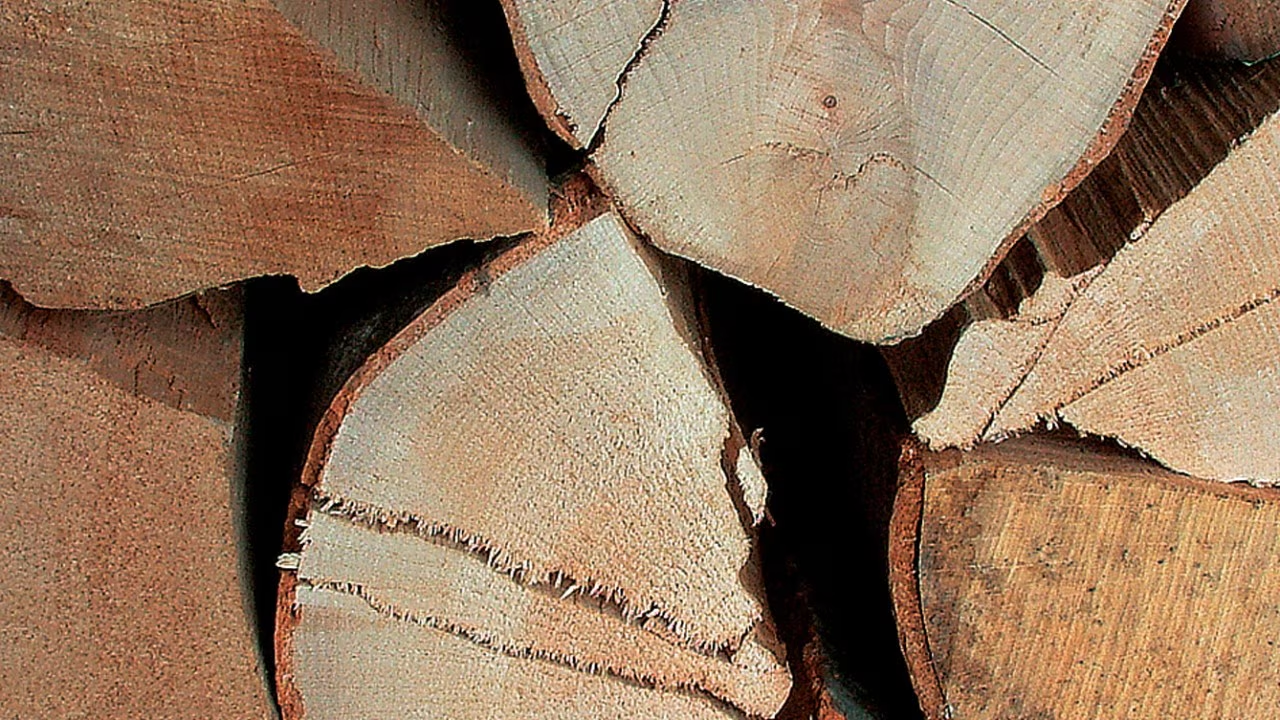
Logs for solid fuel boilers
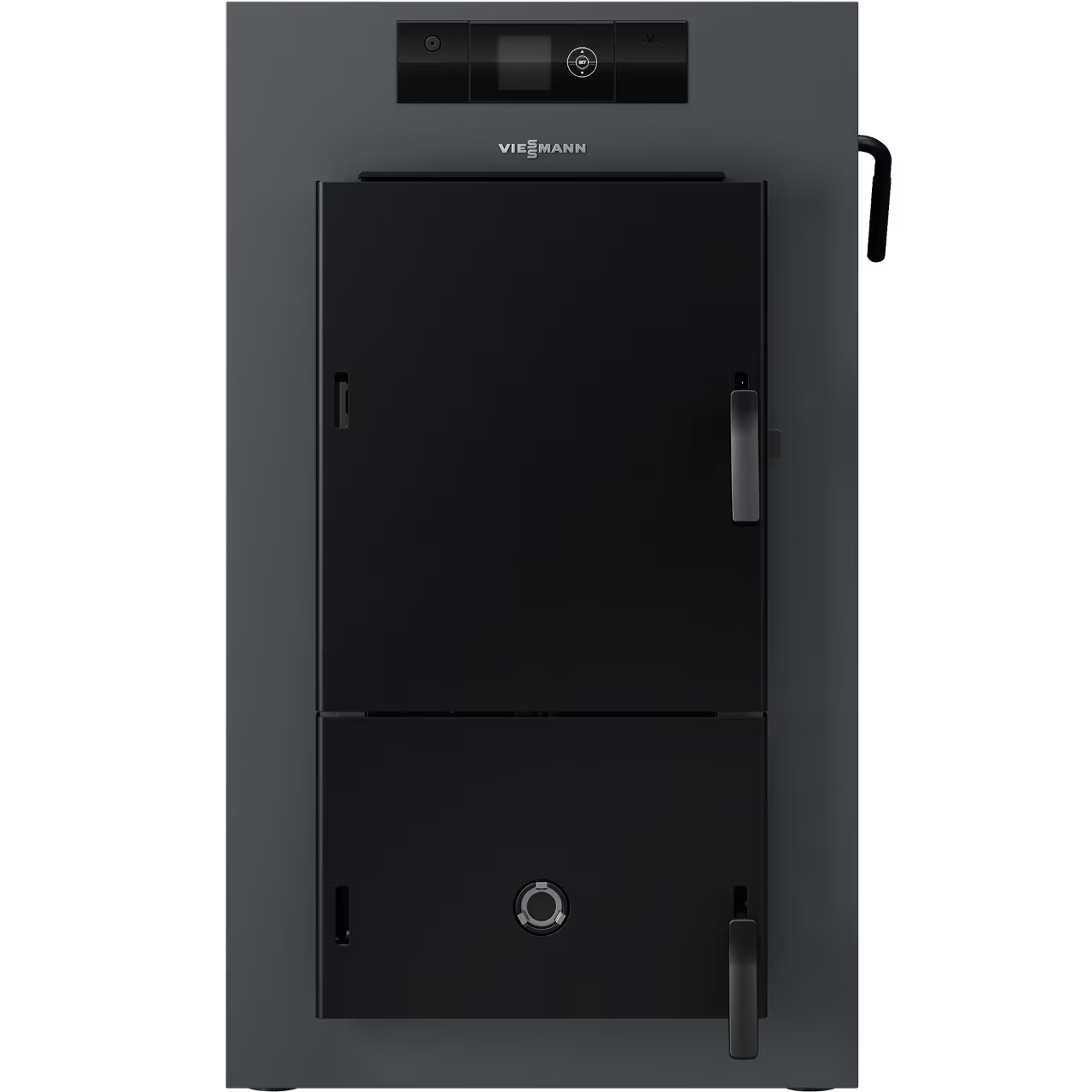
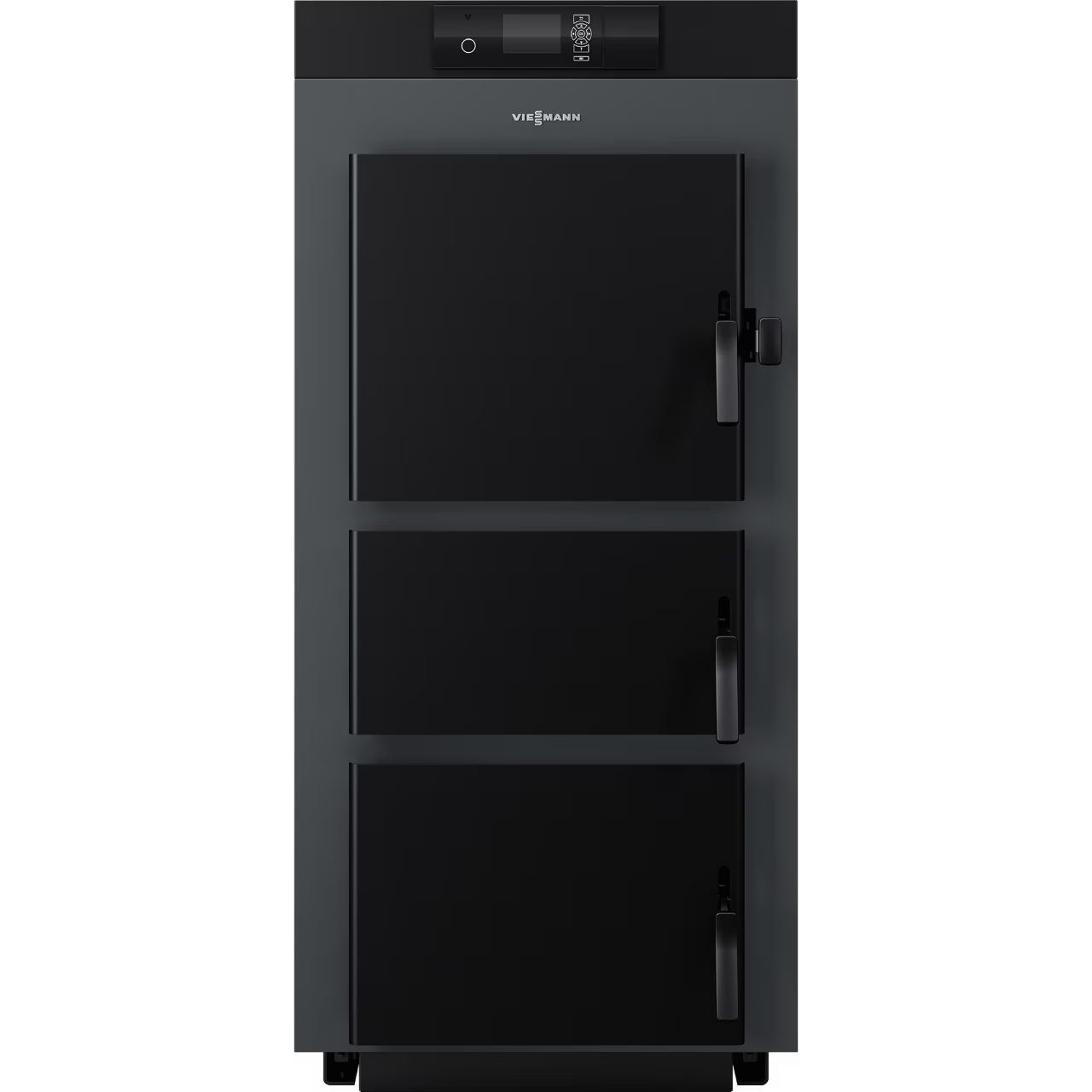
Log boilers are designed to burn logs up to one meter long. Using gasification technology, they burn the wood almost completely, resulting in efficiency of over 90 percent. Log boilers typically don’t offer fully automated operation; logs must be refilled manually. However, thanks to an integrated approach with carefully selected combustion technology, AHI Carrier log boilers offer very long intervals between refills. Alternatively, log boilers can be fired with wood briquettes, which are pieces of compressed wood with a high energy content that produce little ash.
Solid fuel boilers for pellets
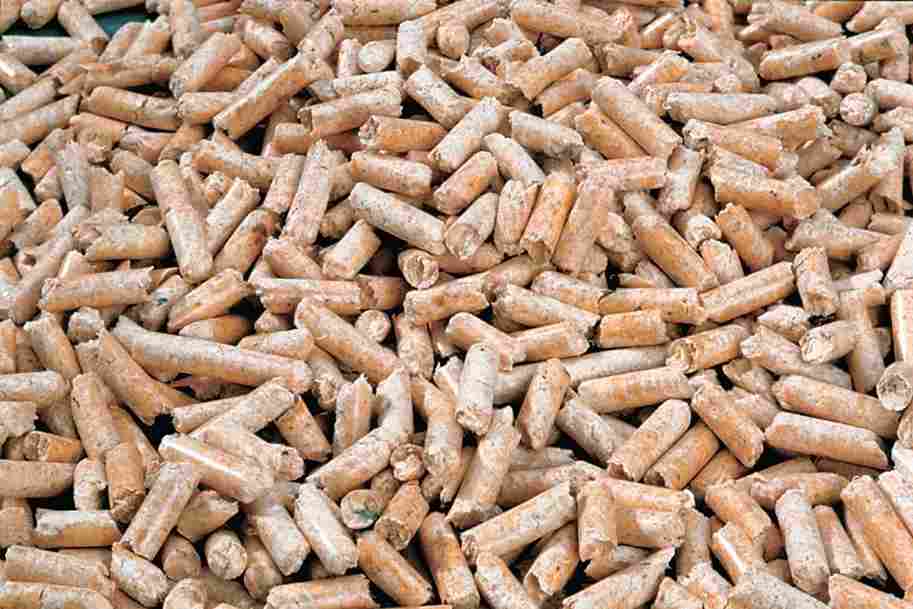
Pellets for solid fuel boilers
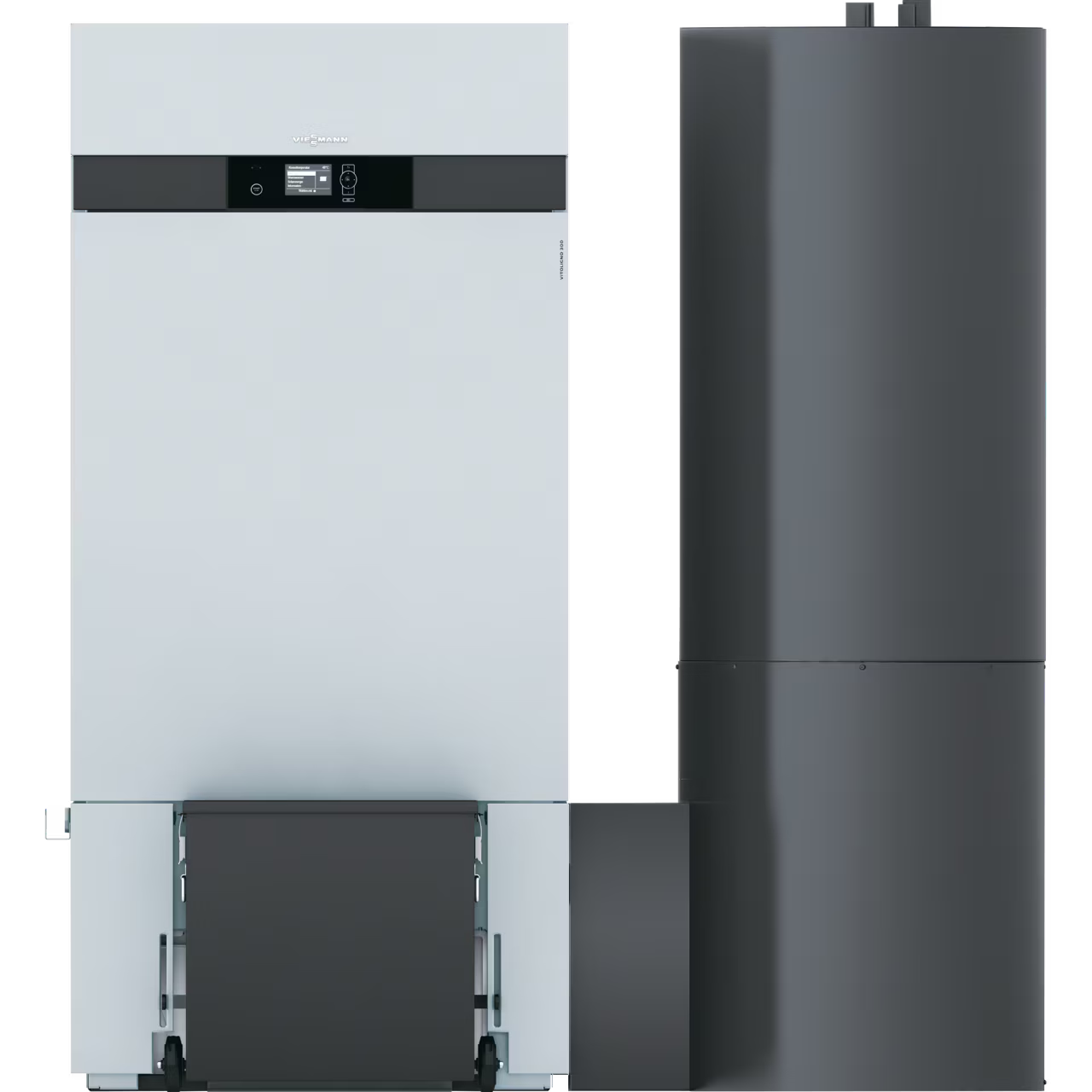
Pellet boilers burn pressed standard pellets. These are stored outside the boiler and fed into the combustion chamber through a feeding system. The standard pellet size and feeding system allow for fully automated pellet boiler operation, providing system owners with exceptional ease of use and low fuel consumption. Pellets have a high energy content and are relatively inexpensive to purchase, making them very attractive for use in both new and existing buildings. Thanks to the high energy content of the fuel and innovative heating technology, AHI Carrier pellet boilers achieve efficiencies exceeding 95%. Users wishing to reap the benefits of a pellet boiler must consider the space required for fuel storage and transportation.
Wood-fired boilers
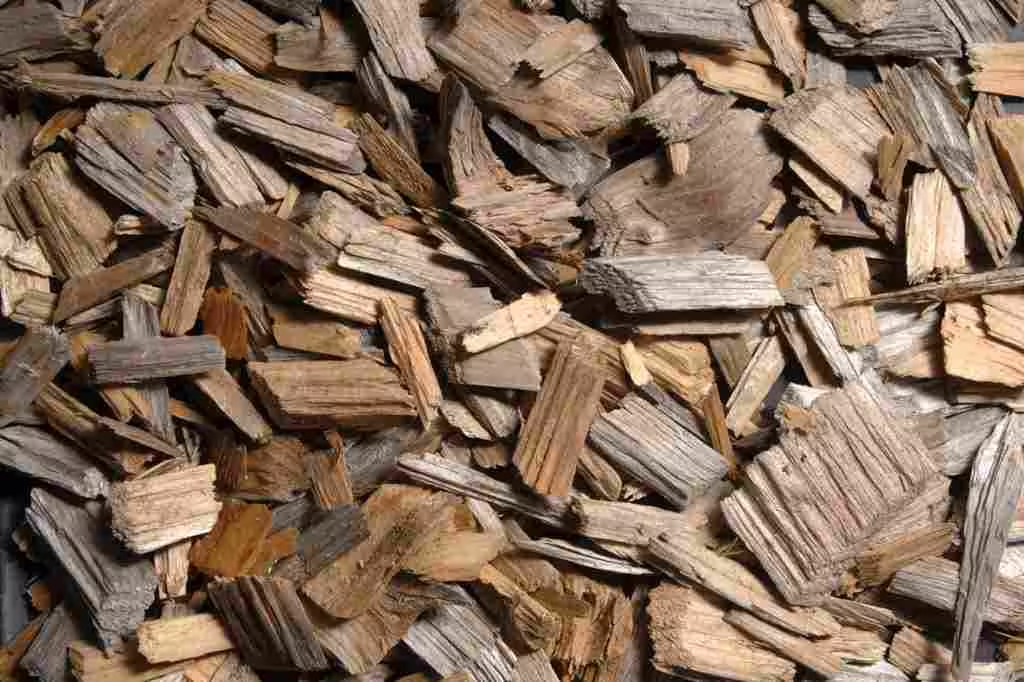
Wood sawdust
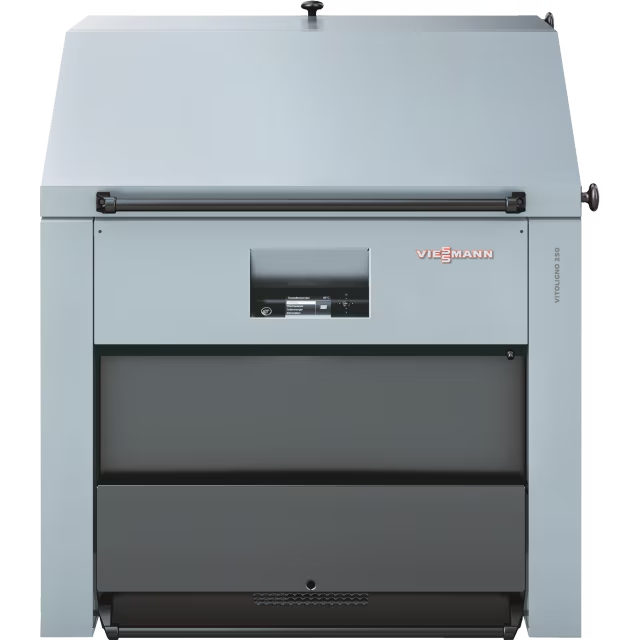
Wood chips are mechanically crushed pieces of wood, with or without bark. They are inexpensive, but their energy content is variable and lower than that of pellets. They are also stored away from the boiler and fed to it as needed through a connected feeder system. Depending on their power range, wood chip boilers can supply more heat. With proper fuel quality, AHI Carrier wood chip boilers achieve an efficiency of over 90 percent. Nominal heating output ranges from 100 to 500 kW.
Combined boilers for various types of solid fuel
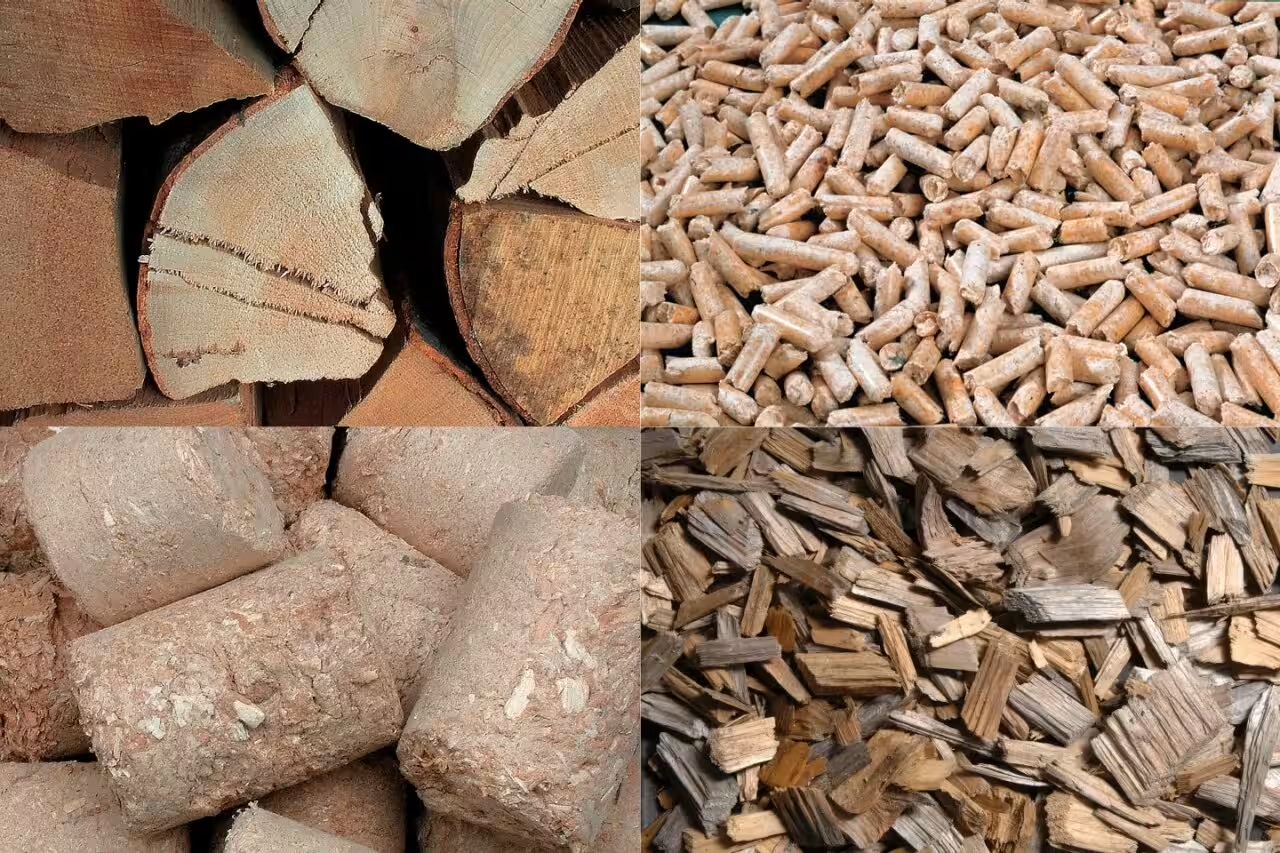
Selection of different types of solid fuel
A combination boiler is a further development of the wood chip boiler. From pellets and logs to shavings and chips: AHI Carrier combination boilers can burn wood fuel with a moisture content of up to 50 percent. Their high efficiency is based on proven combustion technology, a three-pass heat exchanger, modular power control, and adjustable primary and secondary air supply. In practice, pellets and wood sawdust are often used if fully automated operation is desired. Some models can also burn logs, wood briquettes, and wood chips. However, these fuels require manual refilling.
Reasons to choose AHI Carrier solid fuel boilers
High reliability
Long service life
High reliability of supply
Convenient hot water supply and central heating
Independence from oil and gas
Cost savings through energy efficiency
Pellet heating systems and solar technology - the perfect combination
What’s more, you’ll be doing your part to protect our climate, as heating with wood is CO₂ neutral. Burning wood releases the same amount of carbon dioxide as the tree absorbed during its growth.
For more tips and information, visit the wood heating guide at heizung.de.
Choosing the right boiler for your home
Wood heating systems come in a variety of technologies and designs. Finding the right one requires considering several factors.
Heat dissipation is a key factor
One of the most important selection criteria is the amount of heat required. This depends on factors such as the building’s construction type, the radiators used, and the user’s desired comfort and indoor temperature. Older buildings typically have higher heat requirements than newer ones. This means that a wood heating system must have a higher capacity in poorly insulated older buildings than in newer, low-energy buildings of the same size.
The required heating capacity can be determined using a heat load calculation. The contractor calculates the required power to heat the building to a specified temperature range, taking into account heat transfer and ventilation losses. The results of this calculation are the starting point for planning a new wood heating system. You can read more about this in our heat load calculation guide .
Mono-mode versus dual-mode operation
The required boiler size also depends on whether the new wood heating system will be used as the sole heat generator (mono-mode) or only to support the existing heating system (bi-mode). A mono-mode system requires significantly more power than a dual-mode system.
For both cases, AHI Carrier offers wood heating systems with different power ranges.
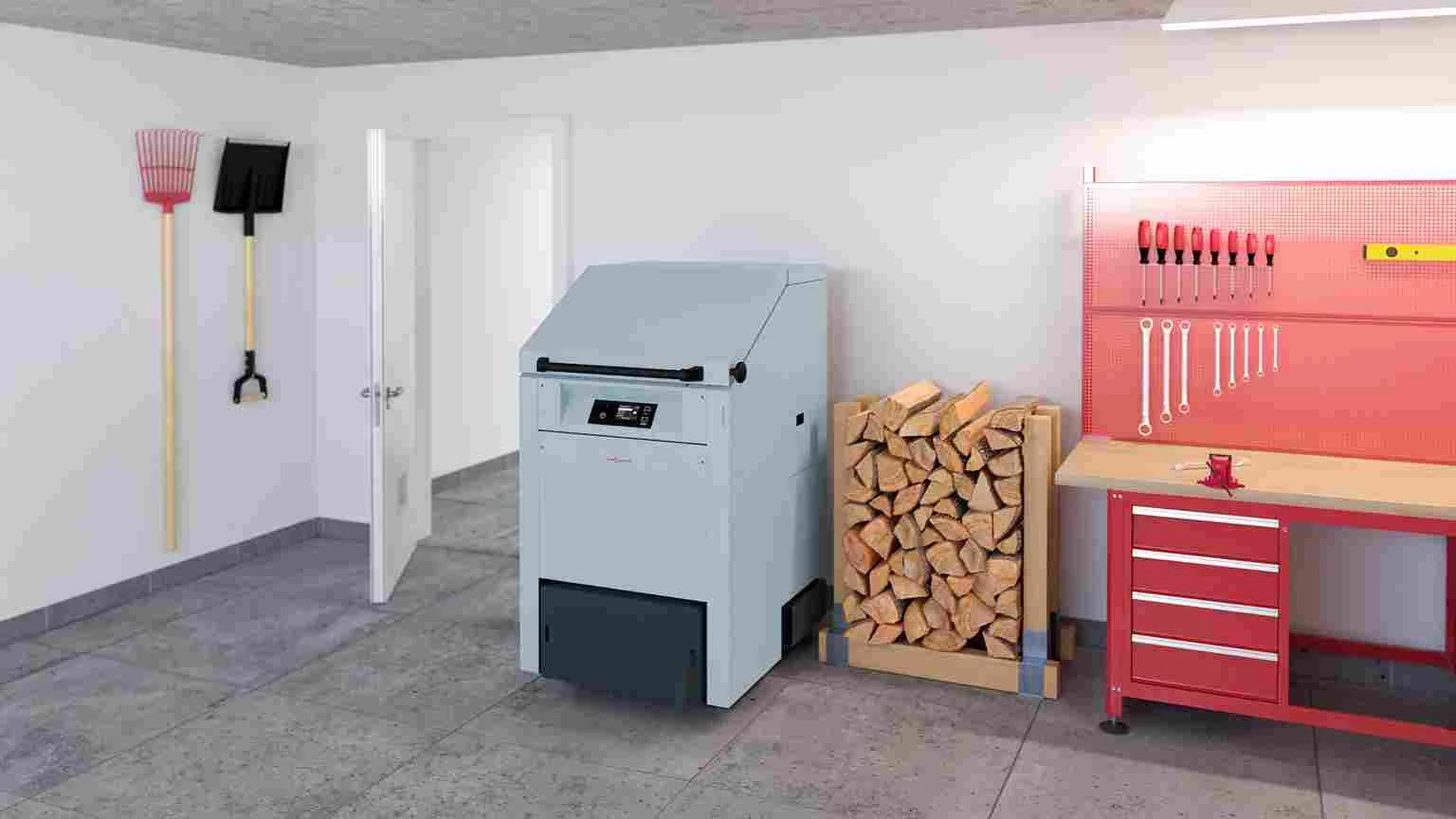
Vitoligno 300-S boiler with log gasification
Log boilers: Cost-effective, especially in wooded areas
Logs are the oldest form of wood fuel. To achieve economical long-term use of logs as a heating fuel, they must be reasonably available and properly stored. This is especially true in forested regions or where wood fuel supplies are readily available. Proper storage is also crucial, as burning logs only fully releases energy when the residual moisture content is low. High-capacity log boilers are well suited for retrofitting, as older buildings often have high heating demands. However, due to their high performance combined with low fuel costs, log boilers are also an economical solution for commercial and local government properties.
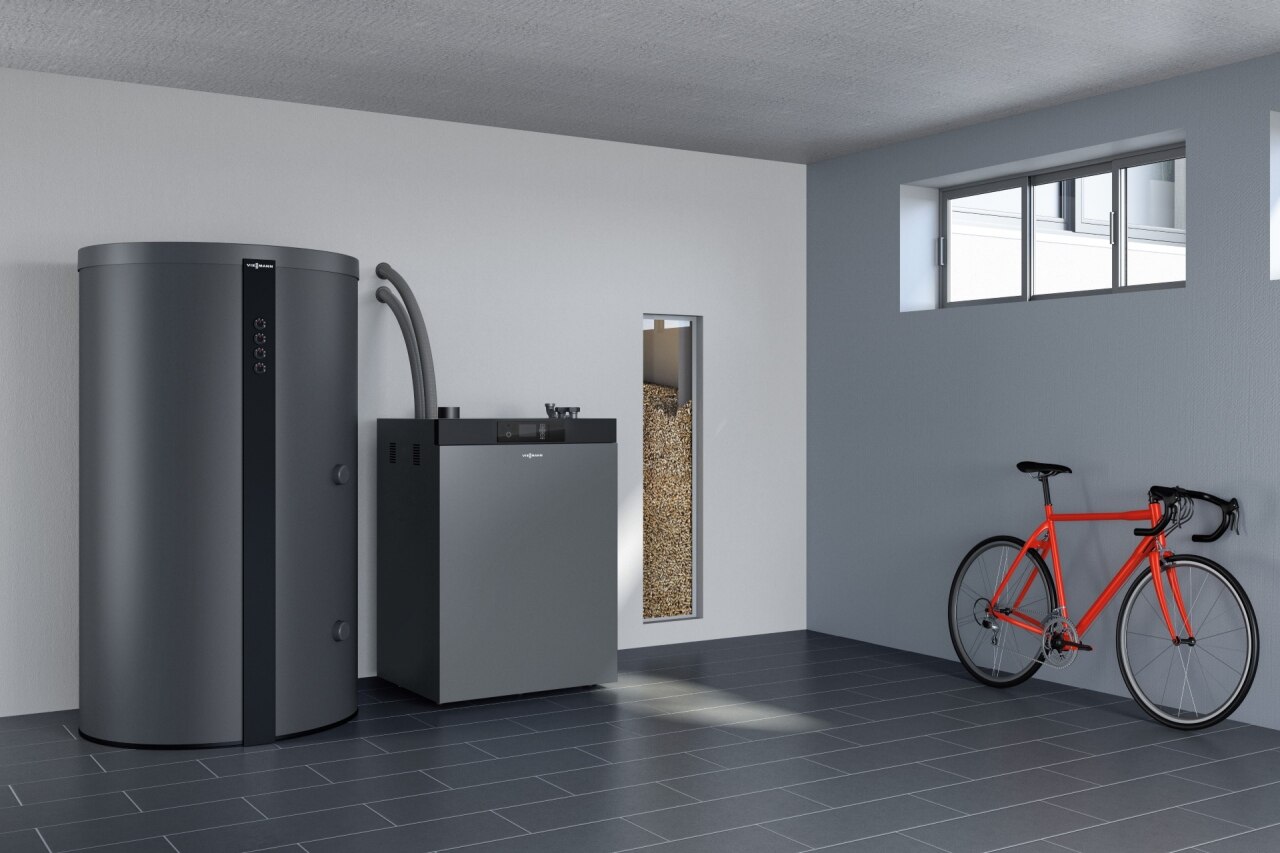
Pellet boiler Vitoligno 300-C
Pellet boilers: High ease of use with sufficient space
Unlike log heating, pellet heating systems can operate fully automatically, providing a very high level of ease of use. The fuel consists of standard compressed wood pellets, which are fed directly from the storage area to the boiler via a feeding system. For an explanation of how this works, see How Pellet Heating Works .
Whether homeowners and remodelers will find a suitable wood heating system depends on two factors: space for storing and transporting pellets and the purchase price. The latter can be offset by subsidies [subject to local conditions]. If space is limited, pellet heating systems can also be operated with a pellet hopper. However, this precludes fully automated operation, as the hopper must be regularly refilled manually. Pellet heating has proven itself to be a good choice for both old and new buildings.
Find out more
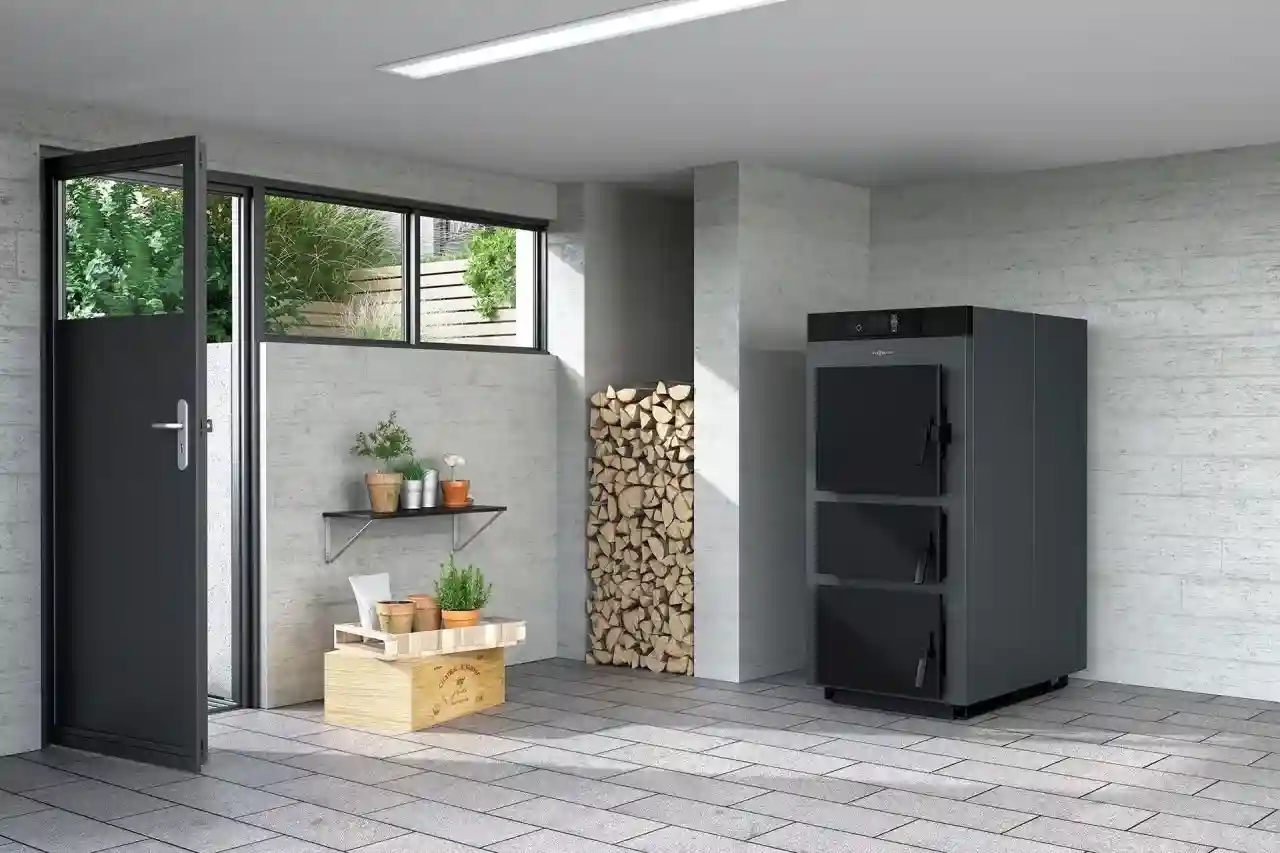
Solid fuel boilers with a capacity from 8 to 170 kW
High-power solid fuel boilers for commercial and local government buildings
Solid fuel boilers offer a cost-effective alternative to traditional gas and oil heating systems for local authorities and commercial users. This is due to their exceptional efficiency and low fuel consumption. They also offer potential advantages given the volatile price dynamics of fossil fuels. Fuels such as logs, wood chips, and pellets are less susceptible to price fluctuations than gas and oil, and, unlike fossil fuels, their prices are constantly rising. Furthermore, a modern conveyor system allows for partially automated or semi-automated operation. Pellet and wood chip boilers no longer require manual loading.
AHI Carrier’s product range includes highly efficient solid fuel boilers in various output ranges for commercial and local authority premises:
- Wood chip boilers: 100-500 kW
- Pellet boilers: 60 – 240 kW
- Log boilers: 33 – 170 kW
AHI Carrier also offers complete wood heating systems that can be tailored to the individual requirements of the system owner.
Wood Heating Systems: Additional Information
AHI Carrier product range
Given today’s energy prices and overall investment costs, a wood-burning heating system is a cost-effective alternative. Thanks to AHI Carrier’s innovative technology, wood heating has become efficient and convenient. AHI Carrier’s product range offers flexible solutions, including as supplementary or primary heating systems for residential use, as well as for commercial and local government buildings.