
Renewable energy sources
Renewable energy solutions offer a variety of options for cost-effective modernisation of the housing stock in line with subsidy criteria and climate protection requirements.


More than 90 percent of the approximately 21 million heating systems in Germany still run on natural gas or oil. However, the death knell has already sounded for these fossil fuels. To avoid CO₂ emissions in Germany and the EU as completely as possible, electricity and renewable energy sources will play a significant role in the future. “Green hydrogen,” in particular, is seen as a logical way to make the construction sector climate-neutral. It is produced from water in a CO₂-neutral process using electricity from wind and photovoltaic systems, and does not generate climate-damaging emissions when burned.
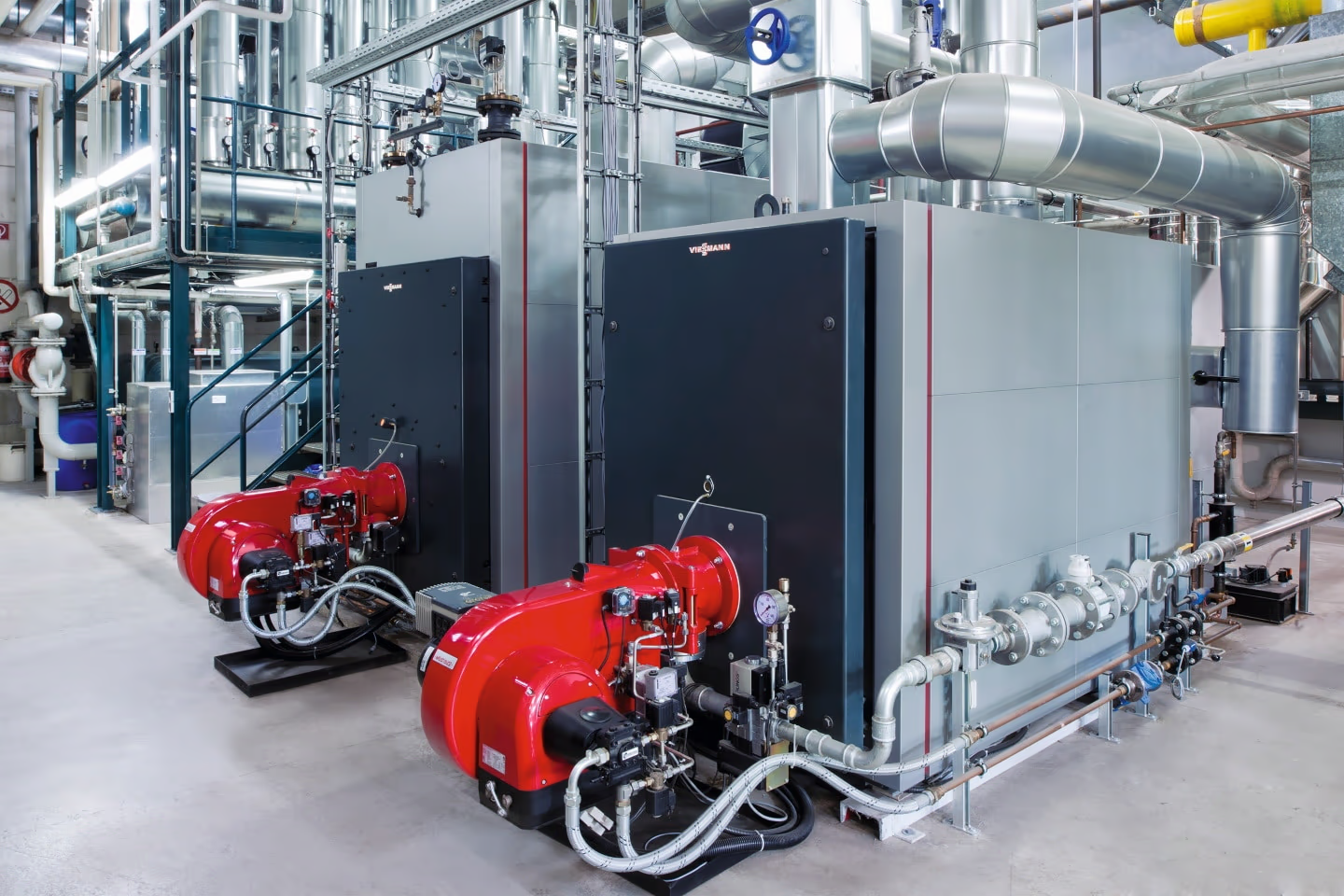
AHI Carrier low-temperature boilers
Hydrogen use and the electrification of heat supply must go hand in hand. If in the future we rely solely on electricity to operate heat pumps or electric infrared heaters for heating buildings, then ensuring security of supply will require costly expansion of the power grid and backup power plants.
In contrast, existing gas networks can be used for hydrogen, meaning significantly less investment would be required to transform our energy system. According to a pilot study by the German Energy Agency (dena), this could save approximately €260 billion by 2050.
And that’s not all: hydrogen can help significantly reduce greenhouse gas emissions almost immediately. Simply adding 20% hydrogen to gas networks would reduce CO₂ emissions by approximately seven percent year after year. A quick and effective contribution to climate protection. Especially since, according to a recent survey, two-thirds of Germans can imagine heating with hydrogen without producing any CO₂.

AHI Carrier wall-mounted device designed to operate on a mixture of natural gas and hydrogen
The expansion of the necessary infrastructure for hydrogen production, storage, and distribution will progress in the coming years. In the summer of 2020, the federal government presented its National Hydrogen Strategy and committed to allocating a total of nine billion euros. Almost simultaneously, the EU Commission published a hydrogen strategy: hydrogen production using renewable energy sources is to increase to one million tons by 2024, and then to ten million tons by 2030.
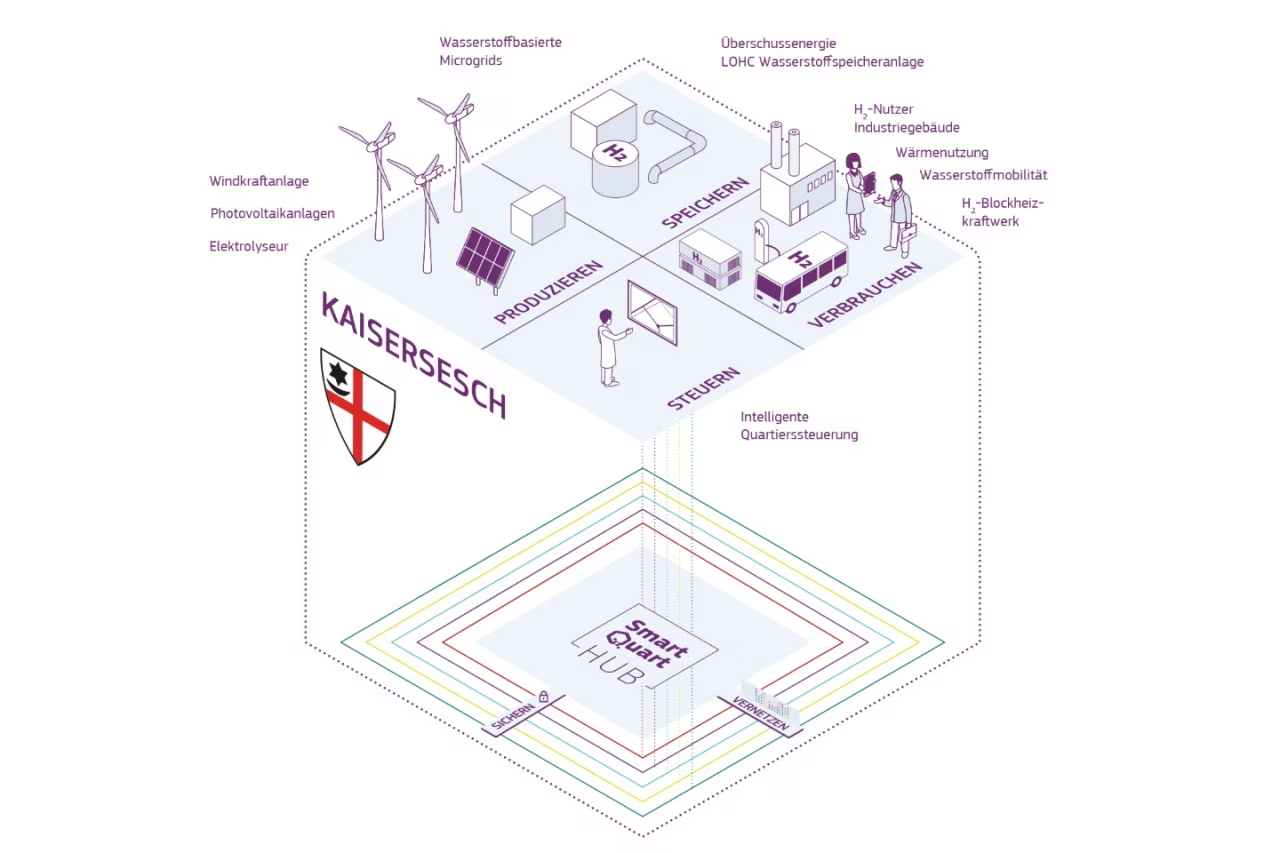
Expanding Hydrogen Infrastructure (Image: ©SmartQuart)
A growing number of pilot projects are currently being supported. For example, in Kaisersche (Rhineland-Palatinate), an entire hydrogen infrastructure is currently being developed – from the generation of renewable electricity to power electrolyzers to the storage and distribution of hydrogen, and ultimately its use in heat and power generation, as well as in industry and transport. The Federal Ministry for Economic Affairs and Energy (BMWi) is funding this project as part of “SmartQuart,” the first living laboratory for the energy transition. AHI Carrier has been involved in the project from the outset and intends to begin practical testing of gas condensing boilers and fuel cell heating systems running on 100 percent hydrogen in 2023.

AHI Carrier is committed to the homes of future generations. To ensure climate neutrality and reliable, affordable heating for our homes in the future, the company is developing “H₂ ready” heating appliances that can run on 100% hydrogen.
With the “H2 ready” condensing boiler, AHI Carrier not only brings innovative heating technology to market, but also offers future-proofing combined with the high level of reliability we’ve come to expect from a German family-owned company with over a century of experience.
Based on the proven gas condensate technology of the Vitodens family, the burner components, as well as the combustion, monitoring, and flame control systems, are currently being redesigned to adapt them to the specific properties of hydrogen combustion. The goal is to ensure that new wall-mounted units can be easily and quickly switched from natural gas or a mixture of natural gas and hydrogen to pure hydrogen. This will provide system users with maximum future protection during the transition from natural gas to hydrogen.
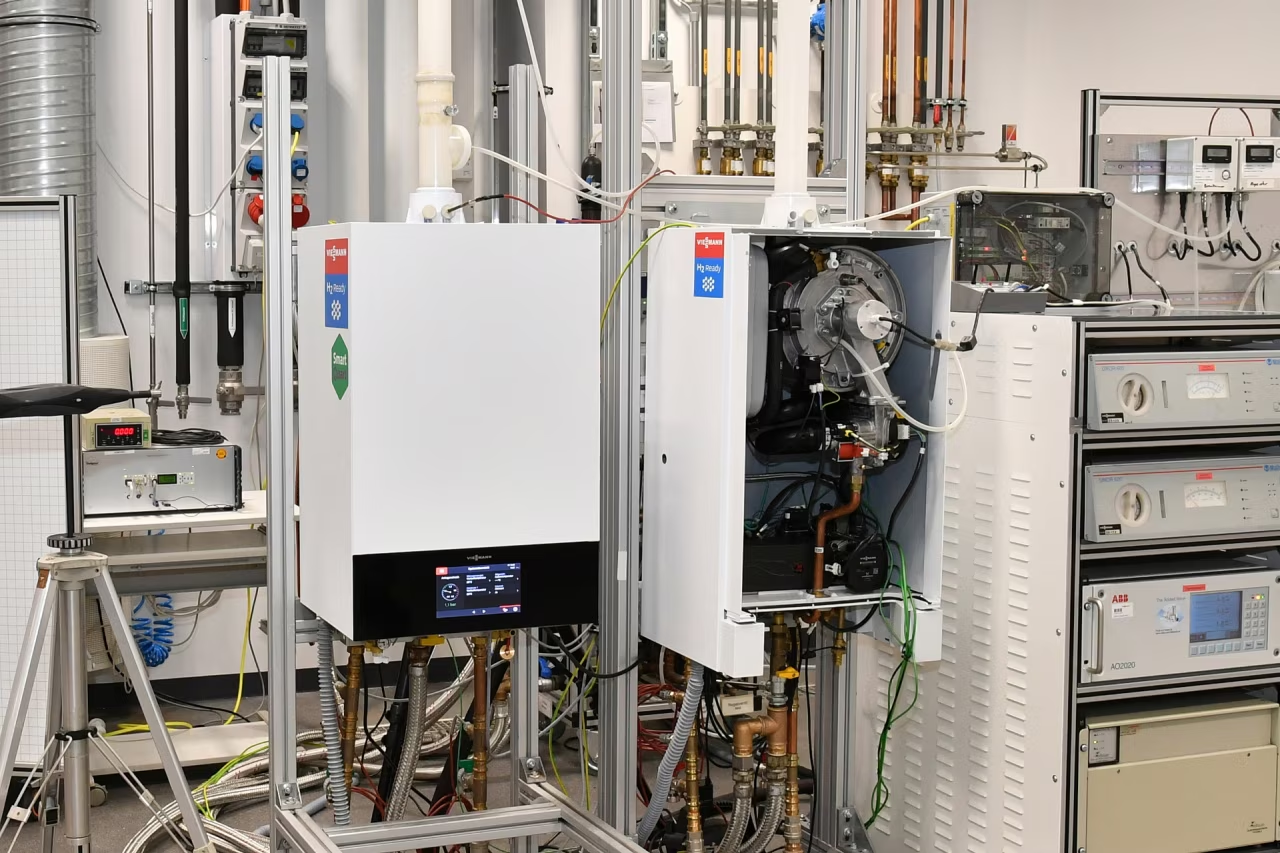
Test bench with prototypes of AHI Carrier's "H₂ ready" gas condensing boilers.
Following the completion of the prototype testing phase, the devices will undergo qualification and durability testing before commencing practical trials in Kaisersäche in 2023. Market launch is currently planned for 2025. By this time, regional gas networks are expected to be in place, supplying hydrogen fuel exclusively to households and industrial enterprises.
As a leader in innovation, AHI Carrier has already made the efficient use of hydrogen for heating possible. Modern gas condensing boilers are H₂-ready, meaning they can operate on a natural gas mixture containing 20 to 30 percent hydrogen. Therefore, builders and renovators choosing this type of heat generator are ideally prepared for the upcoming evolution of our energy system. The following heating systems and product solutions are certified for hydrogen use:
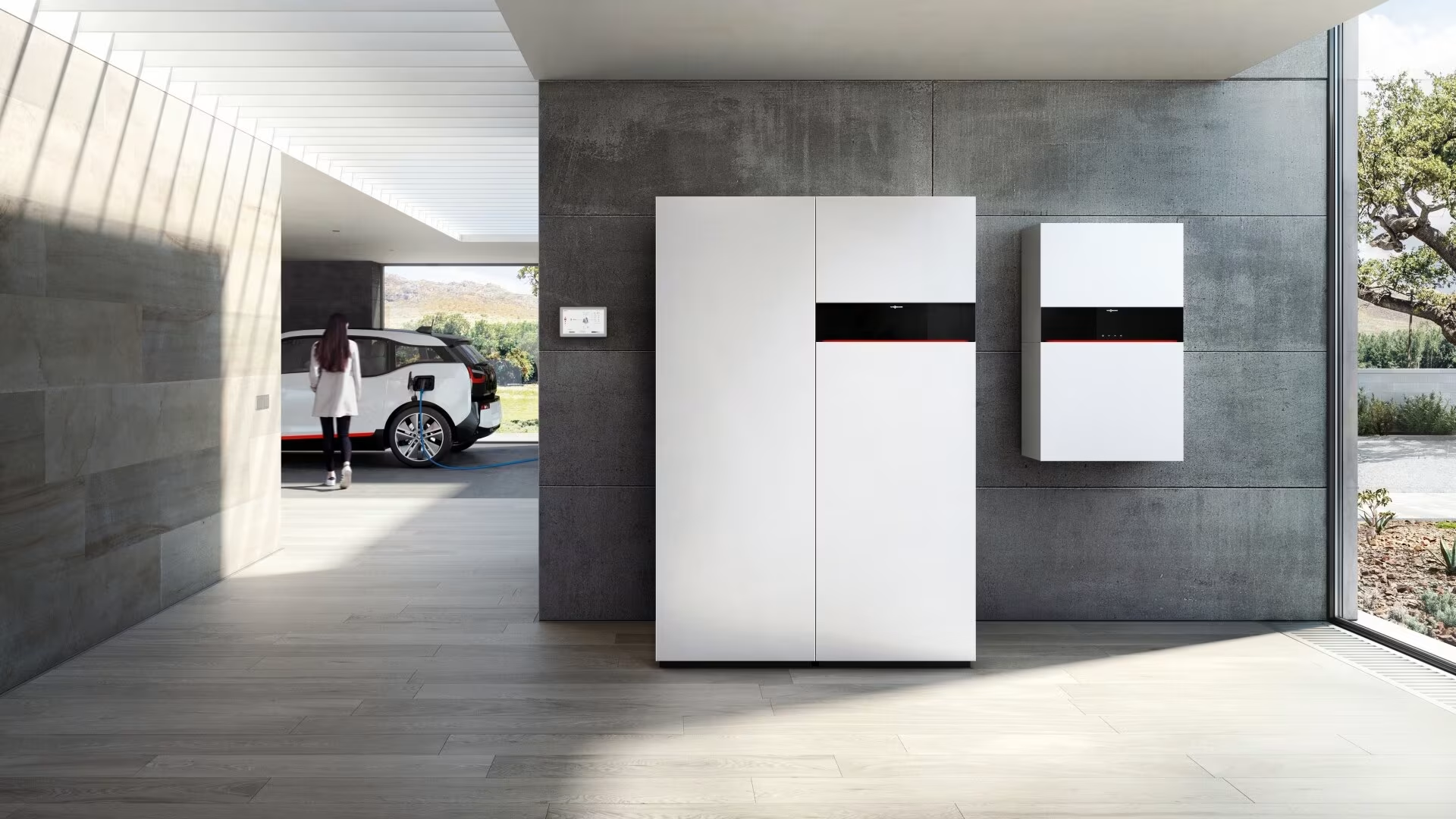
AHI Carrier Vitovalor PT2 fuel cell and Vitocharge VX3 energy storage system
Along with oxygen, hydrogen is the most important energy source for fuel cells. Hydrogen has repeatedly proven its suitability as a power source for fuel cells in automobiles and ships. It is also increasingly used in residential applications. In Japan alone, where the technology is highly valued, sales of fuel cells for stationary use have grown to over 200,000 units since 2009. This clean and promising technology is used in the Vitovalor PT2 and Vitovalor PA2 heating devices, developed jointly by AHI Carrier and the Japanese technology group Panasonic. Hydrogen is produced in a gas reformer in the presence of a catalyst. The feedstock is natural gas, the cleanest of fossil fuels.
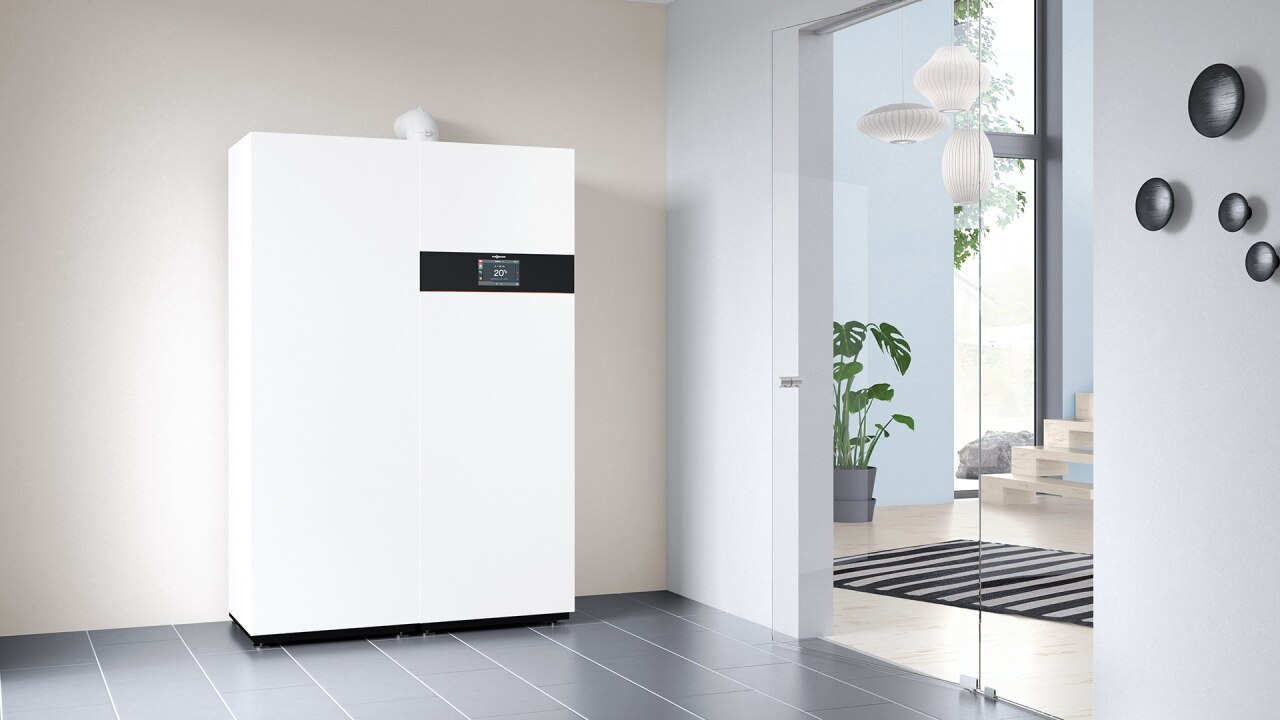
Vitovalor PT2 fuel cell heating system
In the electrochemical process, hydrogen extracted from the fuel is split and oxygen is added. This produces both electricity and heat. The combustion process, which occurs in conventional condensing boilers, does not occur. This electrochemical process is also known as cold combustion. Experts believe that CO₂ is a major contributor to global warming. Hydrogen, on the other hand, releases primarily water during fuel cell operation, making it highly environmentally friendly. Its use also reduces the consumption of limited fossil fuel reserves.
Want to learn more about hydrogen? Visit our AHI Carrier.family page and learn more about ” Hydrogen as the Key to the Energy Transition .”
Renewable energy solutions offer a variety of options for cost-effective modernisation of the housing stock in line with subsidy criteria and climate protection requirements.
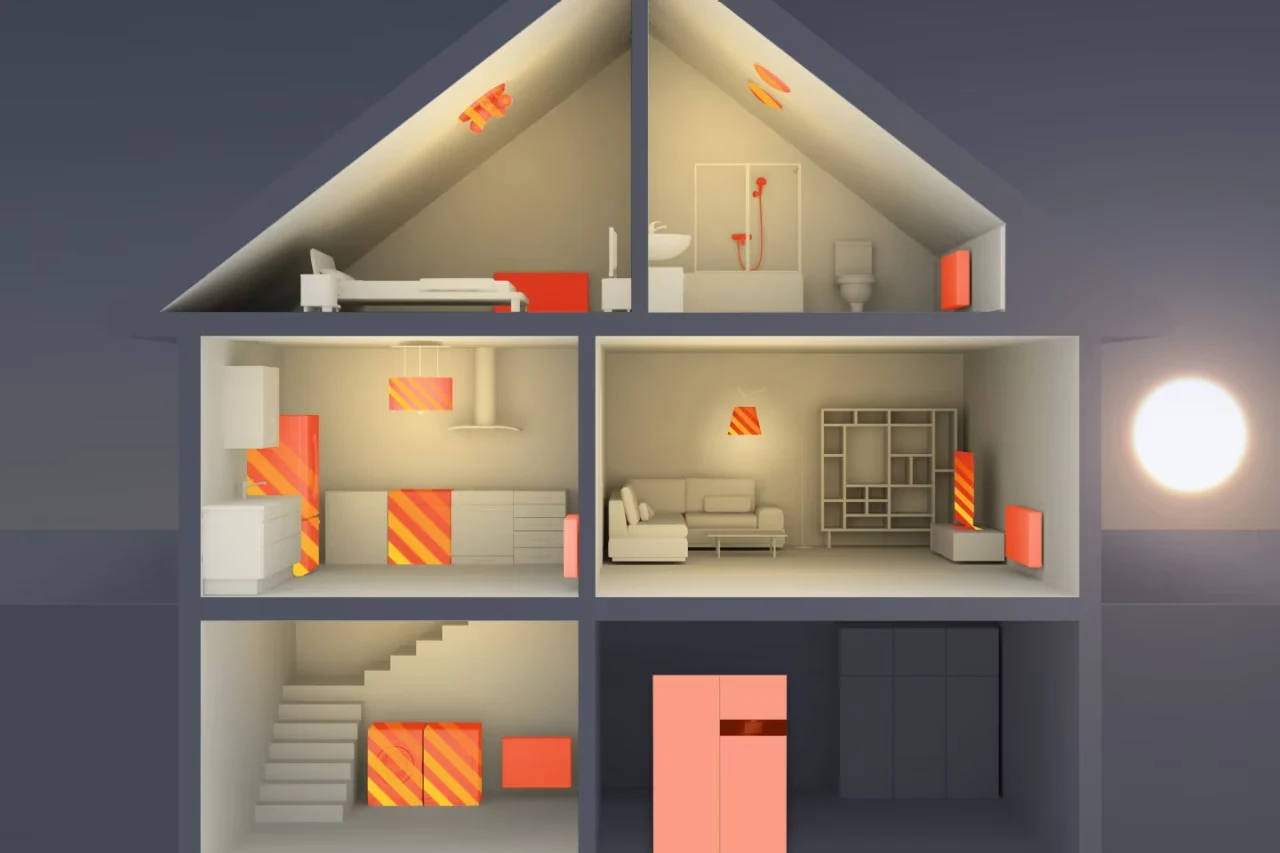
With the right measures and our professional advice, you can easily save energy and reduce your heating costs.

How often does a heating system need maintenance? Does AHI Carrier provide heating system maintenance? What should you do if you receive an error message? Here you’ll find answers and useful information to the most frequently asked questions about your heating system and heating in general.