

Topics at a glance
One common problem is that radiators don’t heat up properly or heat is distributed unevenly across different rooms in the house. As a result, the kitchen may be cold and the bathroom too hot. This indicates that the heating system isn’t optimally adjusted. A process called hydronic balancing can solve this problem. Therefore, here you’ll find information for both the heating system owner and the installer.
Information for heating system owners
After installing a heating system, whether in a new building or as part of a modernization project, hydronic balancing is necessary. This allows the system to be adjusted to meet individual heating requirements.
Why is hydraulic balancing necessary?
Hydraulic balancing ensures that each radiator always has the correct amount of heating water. As a result, heat is distributed much more evenly throughout the building. This not only improves comfort but also ensures more efficient use of energy for heating and hot water. This is because hydraulic balancing of a heating system improves energy efficiency by 15 percent, as proven by independent studies. A better and more efficient heating system also means lower energy consumption and, ultimately, lower heating costs.
As a rule, water always follows the path of least resistance. As a result, radiators located closer to the heat generator receive more heating water than those located further away. Therefore, the amount of water passing through them must be limited. Hydronic balancing allows this.

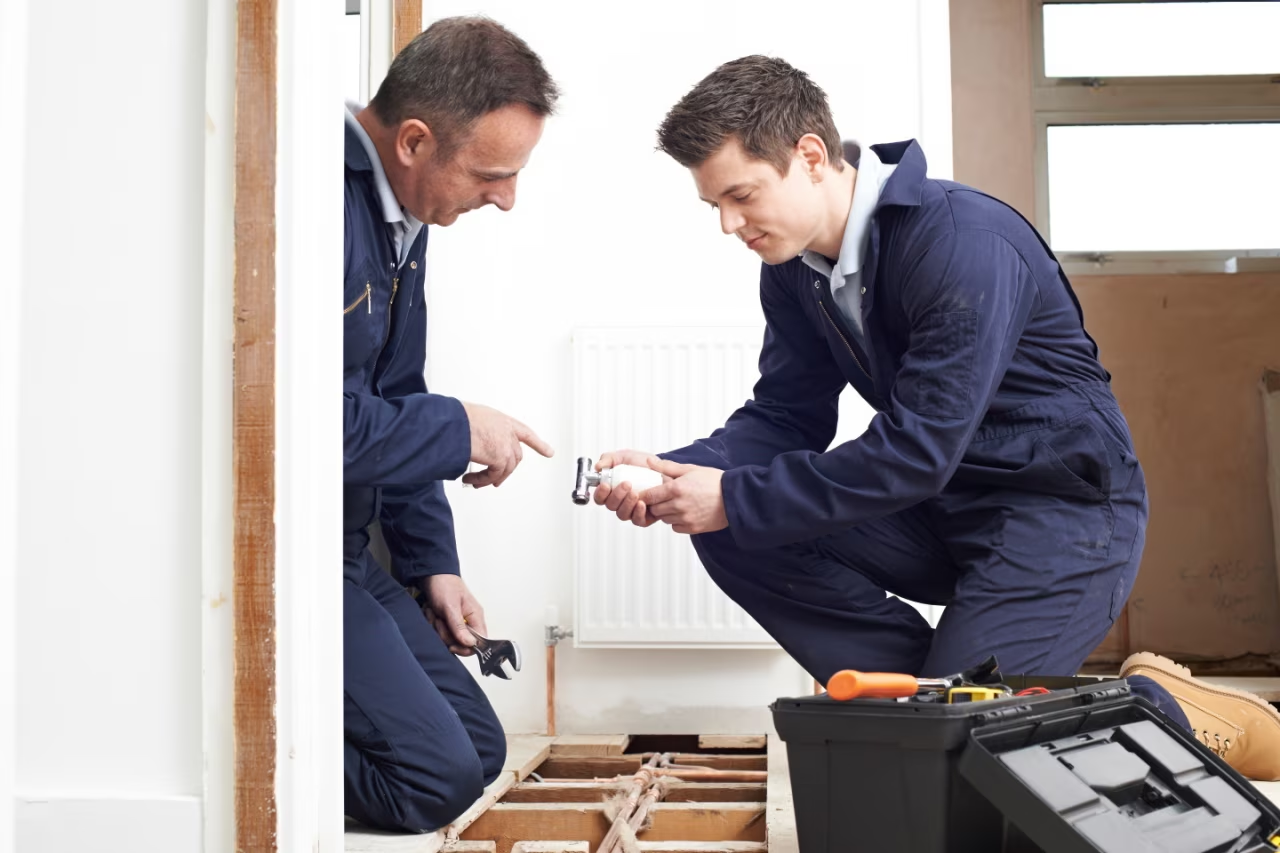
Image: © SpeedKingz / Shutterstock.com
Is hydraulic balancing mandatory?
There are no specific legal requirements for hydraulic balancing. However, if a heating system is to be installed in accordance with the German Heating System Regulation DIN 4701 and the German Building Contract Procedures (VOB), hydraulic balancing is mandatory. This applies, in particular, to heating systems awarded for public tenders.
What is the hydraulic balancing procedure?
As mentioned earlier, hydronic balancing is necessary to ensure that all radiators in the system receive the precise amount of heat required for each room. To achieve this, the heating system must be adjusted according to demand. To achieve this, the flow of heating water through the pipes leading to individual radiators, the pump speed, and the heat generator settings must be precisely aligned. Balancing measures in a Hydronic system involve the heating pipes, all valves, and all pumps.
This ensures that no room is overheated or underheated, and that thermal energy is used efficiently. Furthermore, hydraulic balancing reduces noise levels caused by excessive flow rates in the system.
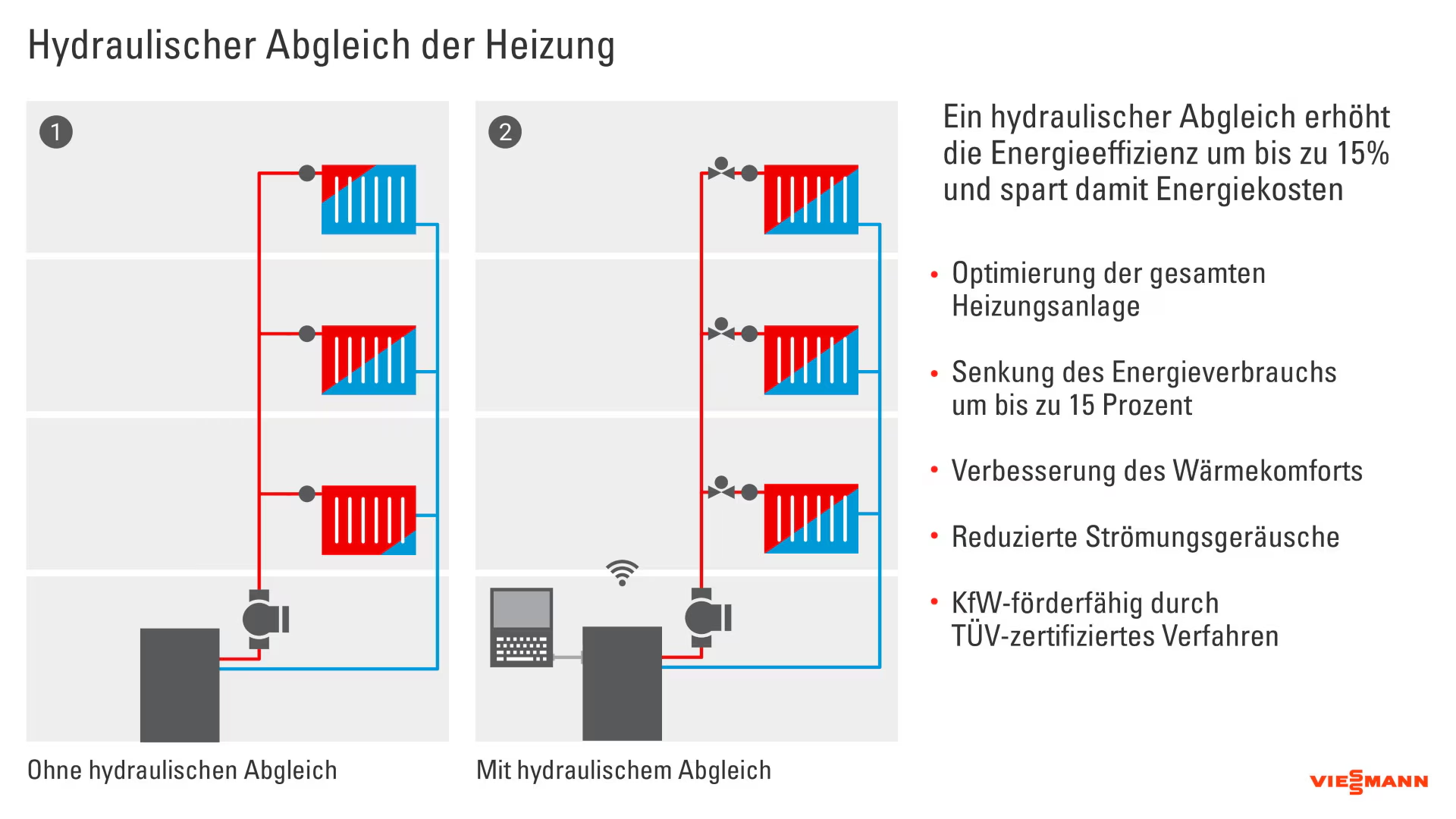
Infographic illustrating the difference between a system with and without hydraulic balancing. (1) Without hydraulic balancing (2) With hydraulic balancing
Individual stages of the hydraulic balancing process
Typically, a contractor is hired to perform hydronic balancing. First, the contractor calculates the heating requirements of individual rooms. This requires determining the capacity of the installed radiators and the actual heating needs of the residents. The contractor also calculates the optimal flow temperature in the system, as well as the required amount of water for each radiator. Special software is available for this purpose.
Then, based on the data obtained, adjustments are made to the individual system components. They must be precisely coordinated with each other and meet the conditions of both the overall heating system and the building.
Typically, an oversized heating pump and high flow temperature ensure uniform heat distribution. However, this also means an excess of water for heating. The result is unreasonably high energy consumption and excessive heating costs. Hydronic balancing will also reveal any such sizing issues. Hydrodynamic balancing is considered successful if all radiators operate at the same water pressure, regardless of their distance from the heat generator.

Benefits of hydraulic balancing
- Optimization of the entire heating system
- Energy savings of up to 15 percent or financial savings of up to 300 euros per year
- Improved heating comfort
- Reducing flow noise
Potential savings for you
You can achieve greater efficiency without additional installation effort or material costs simply by using the correct settings for your heating circuits and heat generator, which pays for itself within the first year. The following example clearly demonstrates the savings:
- Heating system with heat consumption of 25,000 kWh/year = 2,500 m³ of gas/year or 2,500 liters of fuel oil per year.
- Savings due to hydraulic balancing: up to 325 m³ of gas/year, which corresponds to energy cost savings of approximately 300 euros per year
Information for installers
The following information is intended particularly for our specialist partners and contains detailed information on AHI Carrier solutions that make hydraulic balancing easier.
Innovative solutions for hydraulic balancing
To take advantage of hydronic balancing, AHI Carrier offers two solutions for detached and stand-alone homes. Digital and fully automated operation is possible with ViCare radiator and floor thermostats. Optimization can be performed traditionally with the Vitoset Balance Card.
Automatic balancing with smart thermostats
With ViCare radiator and floor thermostats, hydronic balancing is easier and faster than ever before. Simply replace all conventional thermostats with ViCare intelligent components and connect them to the heat generator via the AHI Carrier electronic platform or the Vitoconnect interface. Control is simple via the ViCare app. Features such as window recognition and the ability to set custom time programs further enhance convenience for residents.
Adjusting water consumption using the Vitoset balancing card
Thermostatic valves are adjusted directly on the radiator using the Vitoset Balance Card, depending on the room size and building age. In just three steps, water flow is optimally regulated, ensuring uniform water distribution to the heating surfaces:
- Place the balance card into the recess on the valve.
- Turn the valve with the card and set the room size according to the age of the building.
- Transfer the sum of the individual valve settings to the heating pump parameterization.
A video about hydraulic balancing and its technical basis
Why is hydraulic balancing necessary? How does hydraulic balancing work?
TÜV-certified building energy efficiency audit
Proven calculation process