
Heating check
Check your heating now and start winter with peace of mind: tips on how to check your heating before the winter season.


Image: © Irena Maslova / Shutterstock.com
Malfunctions, such as air in the hydraulics, can cause noise in a heating system. Whether it’s gurgling, bubbling, whistling, or humming, the most common heating system noises are fairly easy to distinguish. A heating contractor can identify the problem based on the noise or at least narrow down the possible causes. Our guide explains the causes and what you can do yourself.
Noticeable noises in a heating system may indicate that individual components are improperly configured or functioning intermittently. In the worst case, this indicates a malfunction that should be addressed promptly. However, flow noise and water noise from a heating system are normal under certain conditions. After all, hot water flows through the pipes. Therefore, it’s important to assess whether there is a problem. If so, the help of a heating specialist is essential. Ideally, system owners should first contact the contractor who installed the heating system.
Check your heating now and start winter with peace of mind: tips on how to check your heating before the winter season.

By upgrading your heating system, you can reduce energy consumption by up to 30 percent, thereby saving on heating costs. We’ll explain how it works.
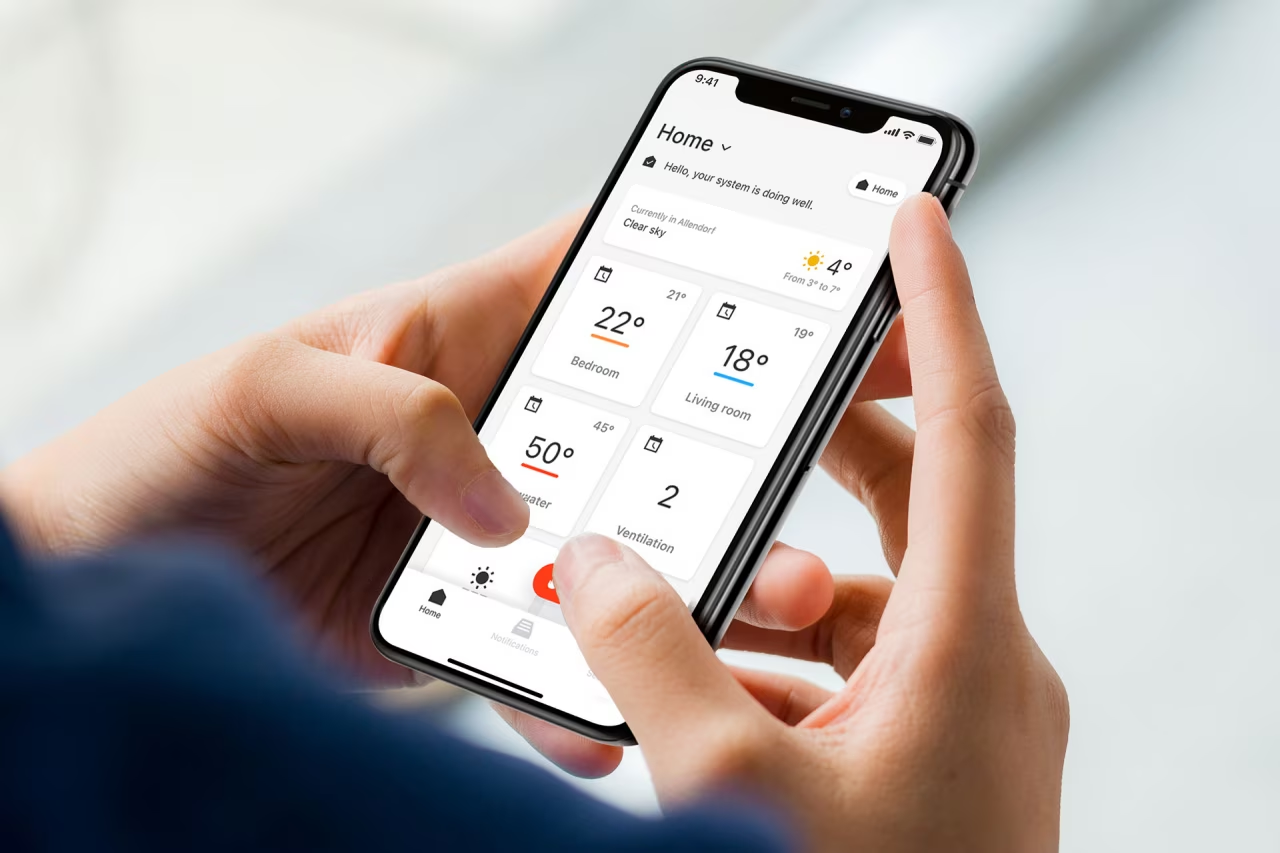
Whether end users or trade partners, AHI Carrier has the right apps for every target group. Learn more about their features and applications here.
To help you distinguish harmless operating noises from serious ones, in the following section we’ve listed the most common heating system noises. The causes are based on experience. This information is not guaranteed to be accurate in every case. If in doubt, consult a heating contractor who can listen to the noise themselves.
If you hear this or similar water noises, there’s likely air in the heating system. The radiator needs to be vented. This can easily be done at home, without even calling a heating engineer. All you need is a container to collect the water, a rag or cloth, and a bleeder key, which can be purchased at a DIY store or specialist retailer. Once you’ve gathered everything you need, simply follow the step-by-step instructions below to bleed your radiators.
1. Turn off the heating circuit pump
2. Open all thermostats
3. Place a cloth underneath or around it
4. Place the air bleed key on the air bleed valve (usually on the side opposite the thermostat) and place a container underneath it
5. Turn slowly and allow the air to escape
6. Once the water has escaped, close the bleed valve
7. Restart the heating circuit pump
8. Ensure that the water pressure is sufficient: if necessary, have a heating contractor top up the system in accordance with VDI 2035, depending on the water quality in the region.
Blowing out your heating system is so easy
If you hear a noticeable gurgling noise coming from your heating system, the circulation pump is likely set too high. This means too much water is flowing through the system, which will increase the noise in the pipes. The appropriate setting depends on the needs of the heating system. Therefore, it’s always best to consult a contractor.
Have you had any renovations done? If this has changed your home’s heating needs, a heating contractor will typically perform a hydronic balancing . During a hydronic balancing, a heating engineer will check the entire heating system to ensure proper heat distribution throughout the home. This can also eliminate annoying water supply noise.
Knocking or cracking sounds coming from radiators or walls can be disconcerting for many people at first. In fact, the cause can often be traced to the hot water pipe brackets. Hot water causes the pipes to expand. If there’s not enough room in the wall brackets for this expansion, it can cause eerie noises. In this case, a heating contractor will need to replace the brackets and/or re-insulate the water pipes.
A heating system can also make popping sounds if the pipes aren’t properly installed. Often, the difficult task of identifying the appropriate location should be handled by a heating contractor. Ideally, they will also know a reliable and effective solution to the popping problem.
If your heating system is making knocking sounds, it could also be caused by a missing or improperly adjusted bypass valve. In older systems, this can cause excess pressure in the heating system. Call a heating contractor. They will carefully inspect the valve located above the circulation pump and adjust it if necessary.
A humming noise in a heating system often originates directly at the radiator thermostatic valve. In this case, the heating circuit pump is likely set too high and emits a humming sound after the thermostat temperature rises. If the heating system is properly adjusted using hydraulic balancing but still produces a humming sound, it may be due to an old heating circuit pump. A heating contractor will determine the exact cause and replace or clean any worn or dirty components.
While heating noise may be merely annoying, underlying technical issues can lead to real costs. A faulty or improperly adjusted heating system consumes more energy than necessary. This not only increases heating costs but also wastes resources. Therefore, it’s essential to check for and address any potential causes.
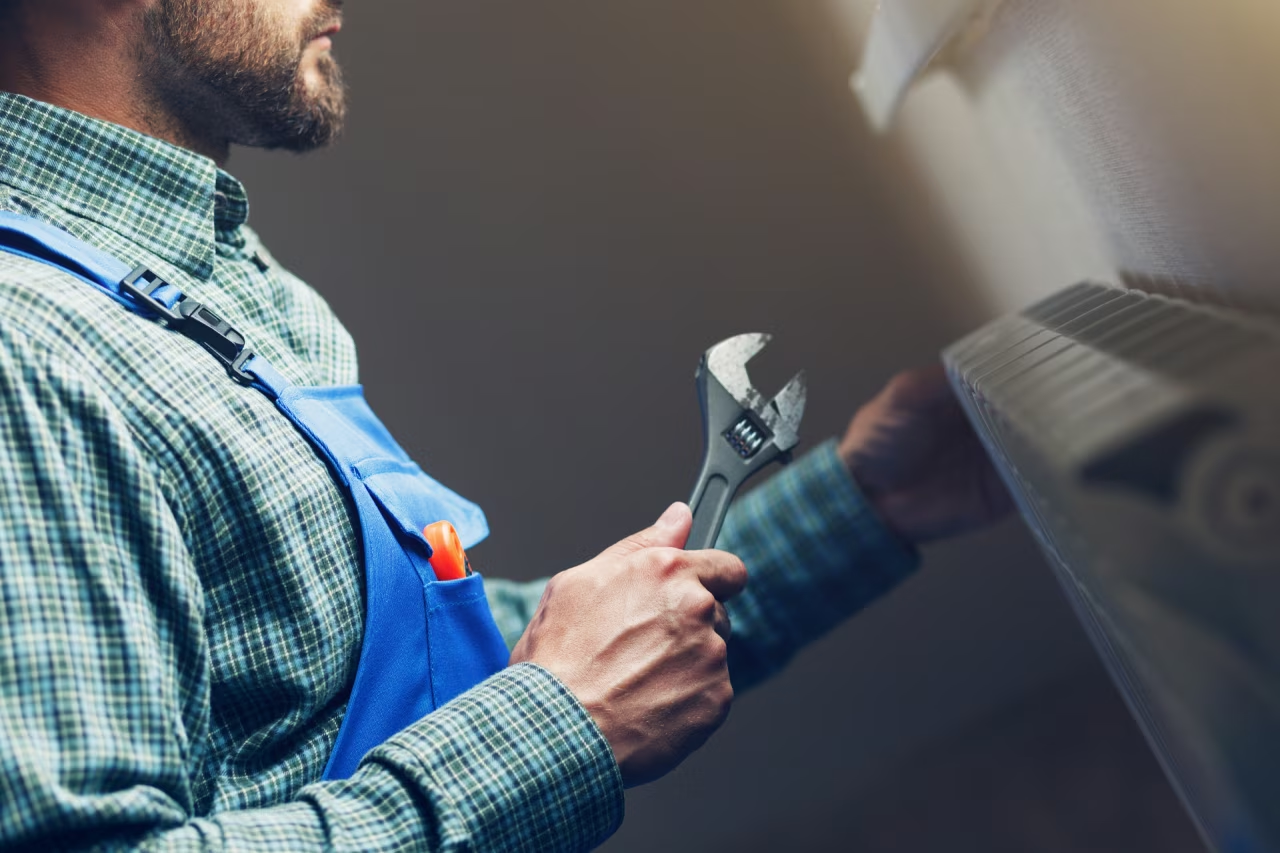
Of course, it’s even better to rule out faults from the start and prevent any strange whistling, humming, or crackling sounds from appearing in your heating system. That’s why it’s a good idea to have your heating system serviced regularly once a year. A thorough inspection and maintenance performed annually by a heating contractor prevents damage and ensures that all parameters are in proper working order.
Heating system maintenance and service contractImproper operation of a heating system can lead to damage in the medium and long term. Simple operating errors can often be avoided by consulting the operating instructions. Complete operating instructions for all models of your AHI Carrier heating system are available for download on the ViBooks portal. The easiest way to find the right manual is to know the serial number or exact model designation and enter it in the search field.
Check the operating instructions online
Quiet operating noises are a part of any heating system. After all, water moves through the heating circuit. Even turning on a burner isn’t completely silent. For example, if your gas boiler remains completely silent, this may indicate that the system isn’t working or can’t be started. This becomes obvious when the heating doesn’t heat up. Typically, the system will also indicate a fault on the display. In any case, you should definitely contact a heating contractor to have the system inspected and repaired.
As a tenant, most measures to stop heating noise are likely impossible. In most rental apartments, access to the boiler is not guaranteed. Therefore, if the aforementioned heating noises occur, it’s best for you, as a tenant, to contact the landlord. To resolve the issue, the landlord, in turn, relies on observations, logs, and documentation provided by the tenant. Access for installers to the apartment should also be granted with the consent of the tenant.

We explain what’s important in the event of a faulty AHI Carrier heating system and what to pay attention to.

Is maintenance necessary at all, and if so, how often? What costs should you expect? Answers to these and other questions are provided in the following guide.
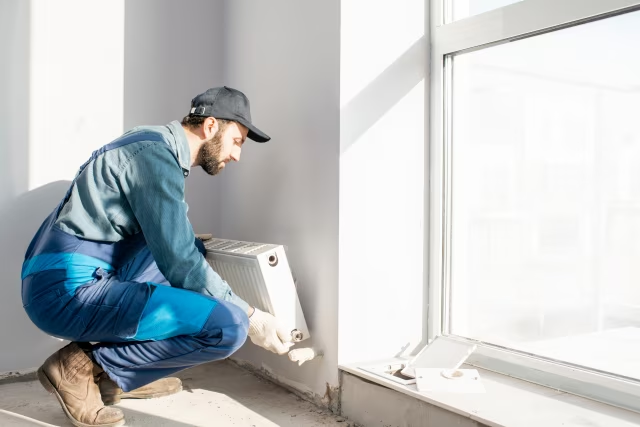
If you are considering replacing your radiators, this review will provide you with the most important information.