

Photo: © Leigh Prather / Shutterstock.com
Autonomous heat and electricity production: energy independence for greater self-sufficiency
Homeowners who cover 100 percent of their own energy needs for heating, hot water, and electricity benefit from energy independence. Simply put, this means independence from utilities and no bills for their own energy consumption. Furthermore, independent energy supply also represents a significant contribution to environmental and climate protection. After all, energy independence can only be achieved through the use of renewable energy sources. Using proven and tested technologies, AHI Carrier makes the step toward energy independence possible. You can read more about this in the following sections.
The difference between true energy independence and what’s on the balance sheet
Homes that generate a significant portion of their own energy, perhaps through electricity or heat from a solar system, can be considered energy-independent. It’s important to note the difference between “true” and “balanced” energy independence.
- Completely autonomous energy supply: When a home effectively meets its own energy needs, this is called true energy self-sufficiency. This eliminates the need for an external power or heating source.
- Balanced autonomous energy supply: If the annual energy gain of an independent building roughly corresponds to its consumption, then it can be considered energy-independent in the balance sheet. A good example is a “zero-energy house,” which generates as much energy as it consumes.
© AHI Carrier
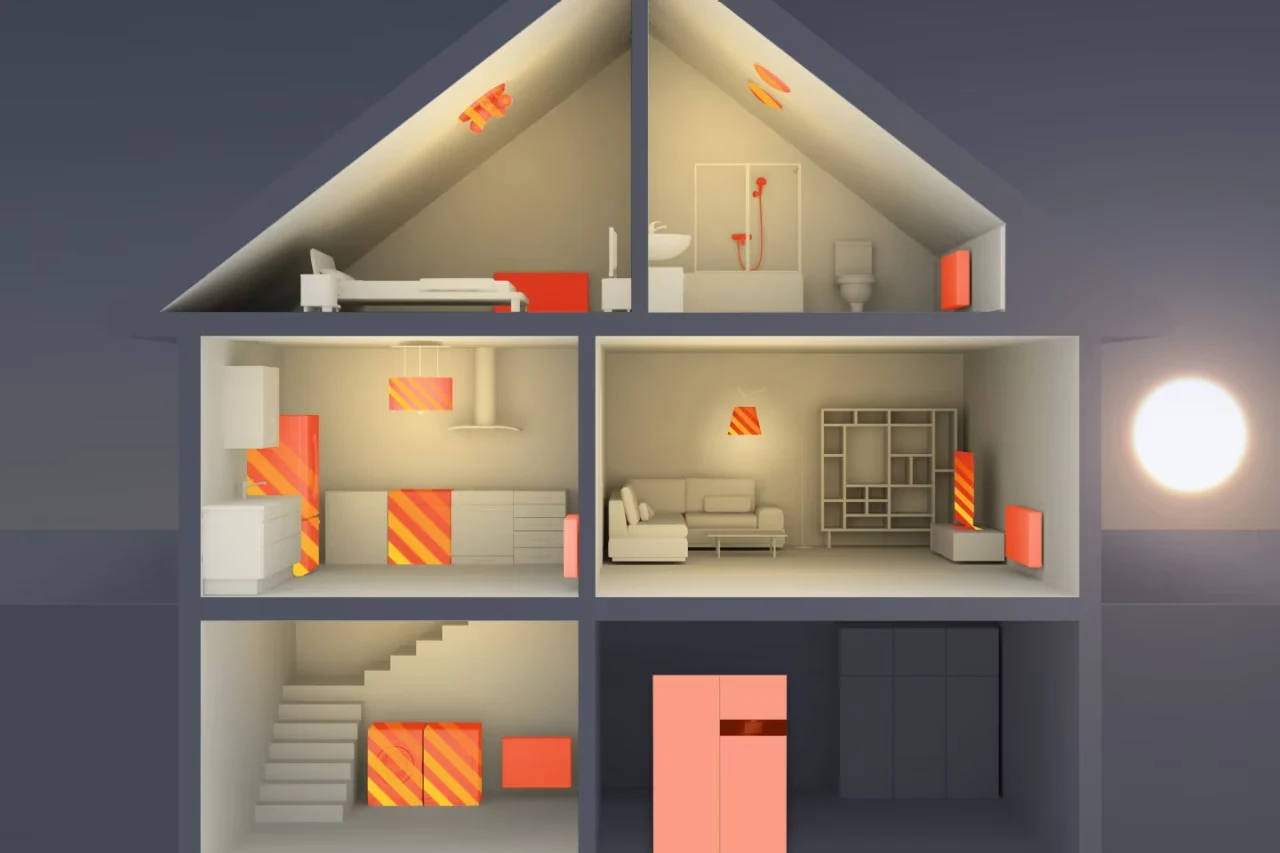
Buildings whose energy balance is in equilibrium—that is, those that are energy-independent—are not automatically independent of external power supply. This occurs because there is a seasonal gap between energy production and peak demand: while the photovoltaic system produces excess energy in the summer, in the winter its output is barely sufficient to meet increased demand. This imbalance can be resolved by turning to external energy suppliers. Therefore, homeowners are not completely independent. Technical solutions such as buffer tanks and energy storage systems from AHI Carrier offer a solution. The technical requirements for their use are described below. Energy storage solutions significantly increase a building’s energy independence.
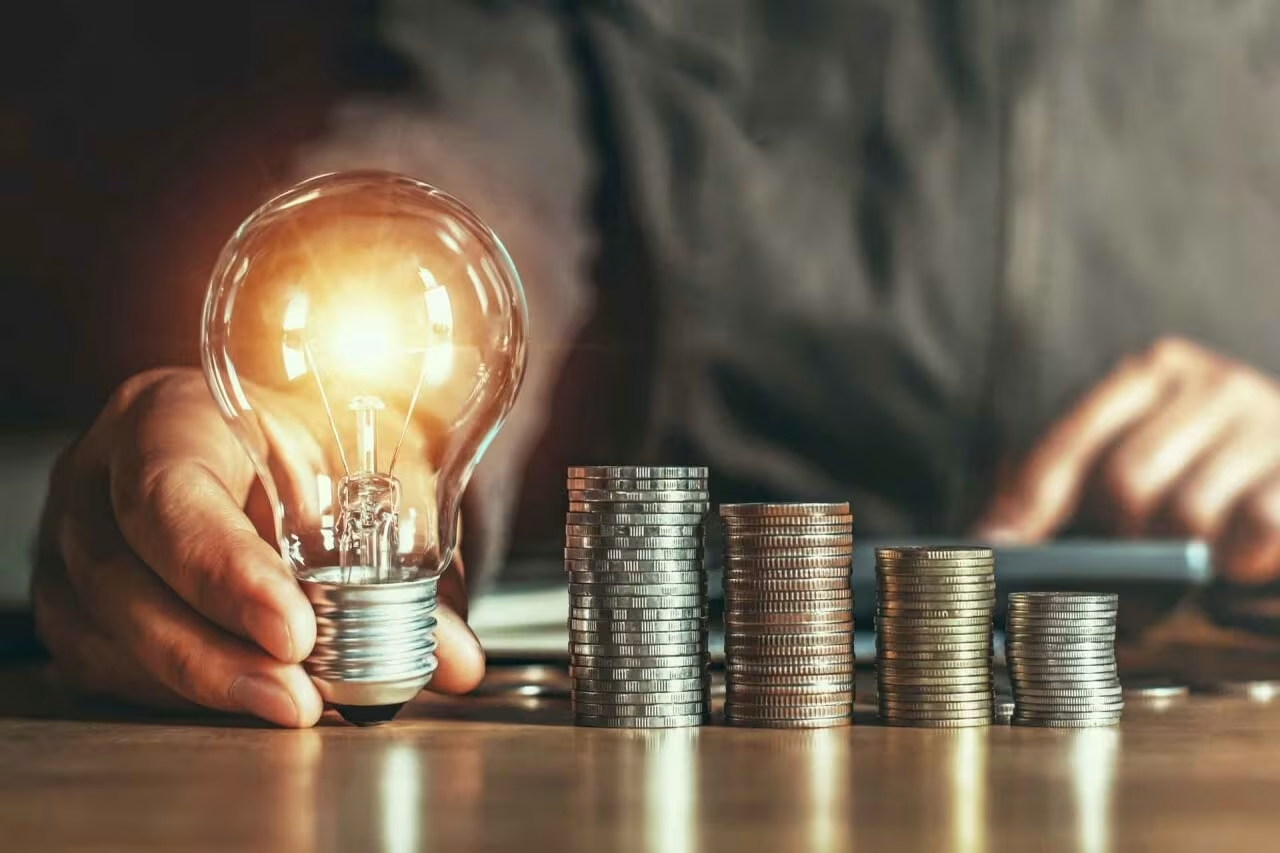
Self-sufficiency: Step by step towards energy independence
A building’s energy independence can be differentiated by indicating its degree. The degree of self-sufficiency is based on a comparison of the required energy and the energy generated independently, yielding a numerical value. The higher the number, the greater the degree of energy independence. Conversely, this means that the higher the degree of self-sufficiency, the lower the dependence on the public grid, energy suppliers, and global fossil fuel prices. For each building unit under consideration, levels of self-sufficiency can be identified:
- Electricity
- Warm
- Total energy
A home can be 100 percent energy independent, in which case it doesn’t require connection to the public grid or purchase utility services. However, this doesn’t mean it’s independent in terms of heat and hot water production. In an era of fluctuating fuel prices and heightened awareness of the need for climate protection, the goal is to be as independent as possible. Even if “true” and 100 percent energy independence isn’t achieved immediately, gradually achieving this goal will avoid significant future costs and help achieve climate protection goals.
Energy Independence in New Buildings: Prerequisites, Planning, and Options
Achieving energy independence in new construction requires careful planning. This is because all building components must be optimally selected. For example, enclosing surfaces should minimize energy loss, while transparent components such as windows and doors should allow sufficient solar energy into the home in winter. Electrical appliances should also operate particularly efficiently to minimize energy consumption. If these conditions are met, the building is highly likely to operate economically independently of electricity.
Specialized modeling programs exist that allow potential interactions in subsequent power supply to be considered at the planning stage. This allows for structural foundations and technical specifications to be determined well before the foundation is laid, ensuring an optimal, independent power supply.

© Anatoliy Gleb / Shutterstock.com
Comparison of three combinations: Three combinations of installed components can be used to take a closer look at the independent heat and energy supply in a newly built house:
- Photovoltaic and solar thermal systems
- Photovoltaics and heat pump
- Photovoltaics and fuel cells
Independent heating with photovoltaics and solar thermal energy: independent heat supply all year round thanks to solar energy
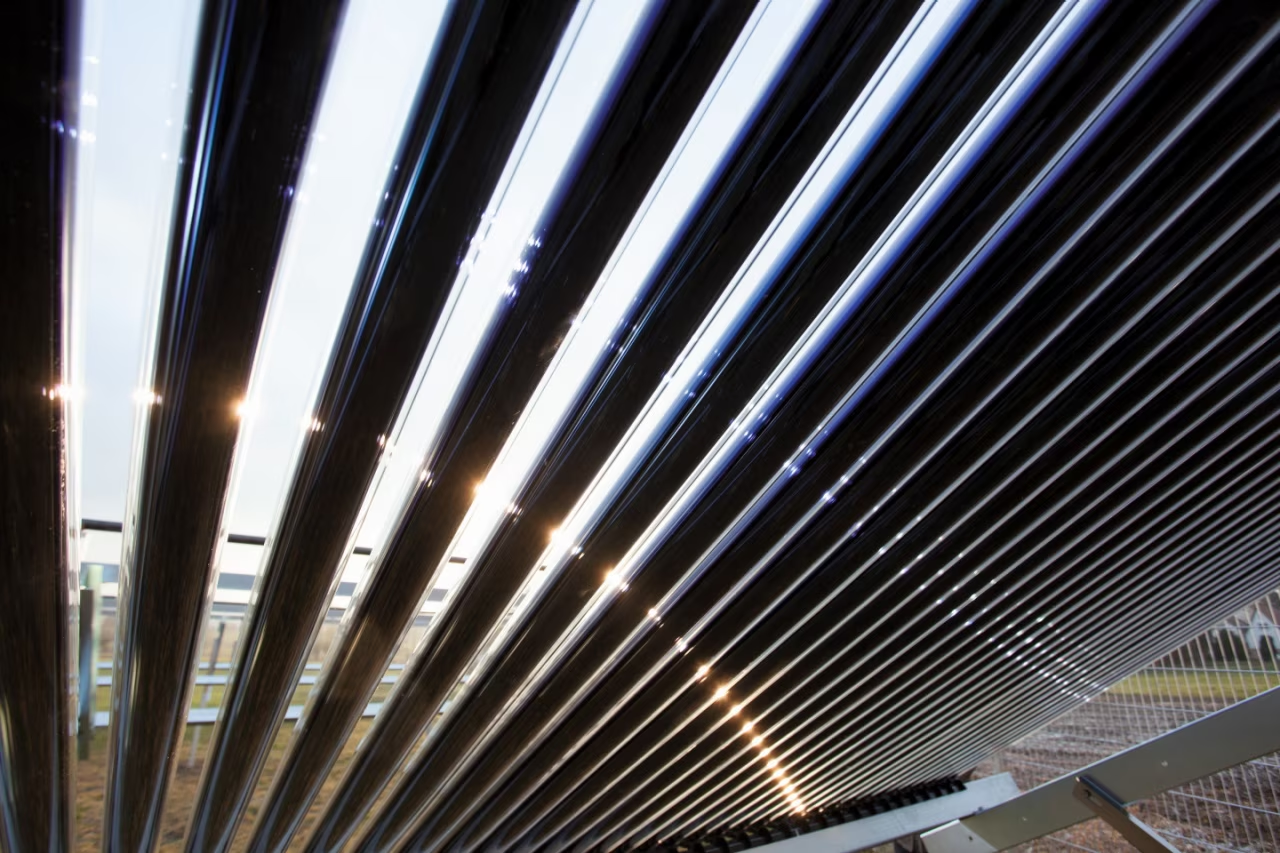
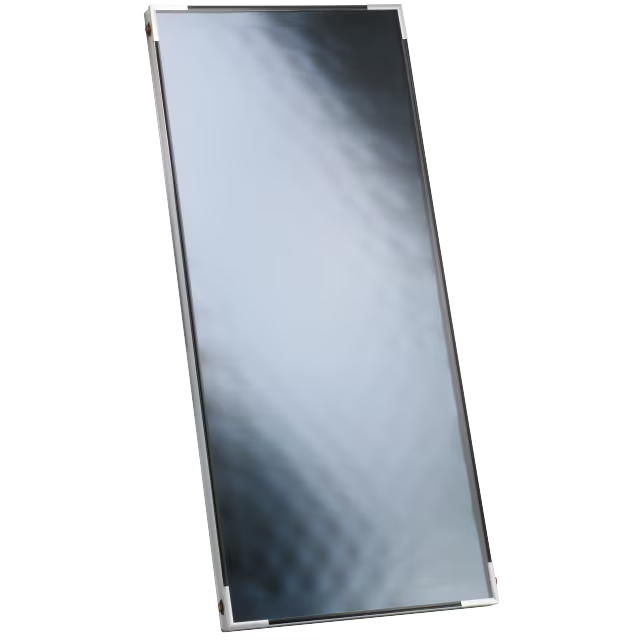
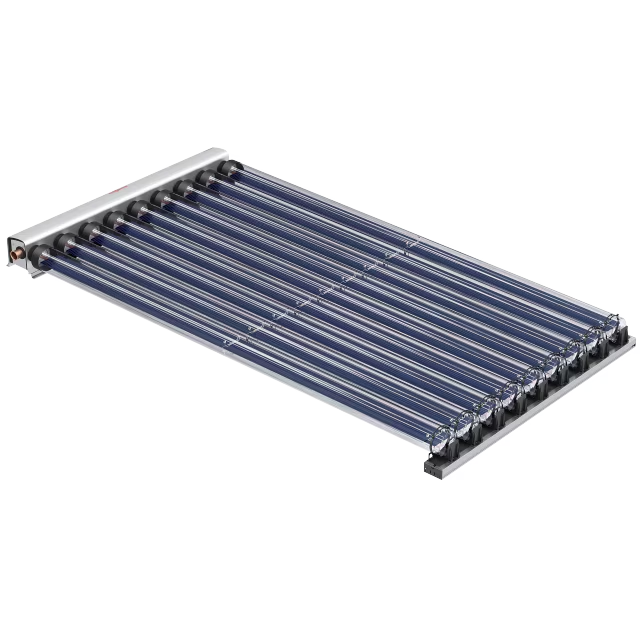
Photovoltaics (PV) combined with solar thermal energy covers a home’s annual heating needs. A solar thermal system achieves this primarily through large surface-mounted solar collectors installed on the roof, which feed thermal energy into a buffer tank. In this case, this is a single water cylinder for a detached house. This allows the thermal energy to accumulate for a long time before being used for space heating and hot water during the colder months. The heating system then simply draws heat directly from the cylinder for space heating and hot water. Under favorable conditions, homeowners using this type of autonomous heating can rely on the accumulated energy until spring without resorting to an additional heater. If desired, complete self-sufficiency in electricity can also be achieved by installing an energy storage unit, such as the Vitocharge VX3.






Autonomous heating with a heat pump and photovoltaics – green energy for energy-efficient buildings
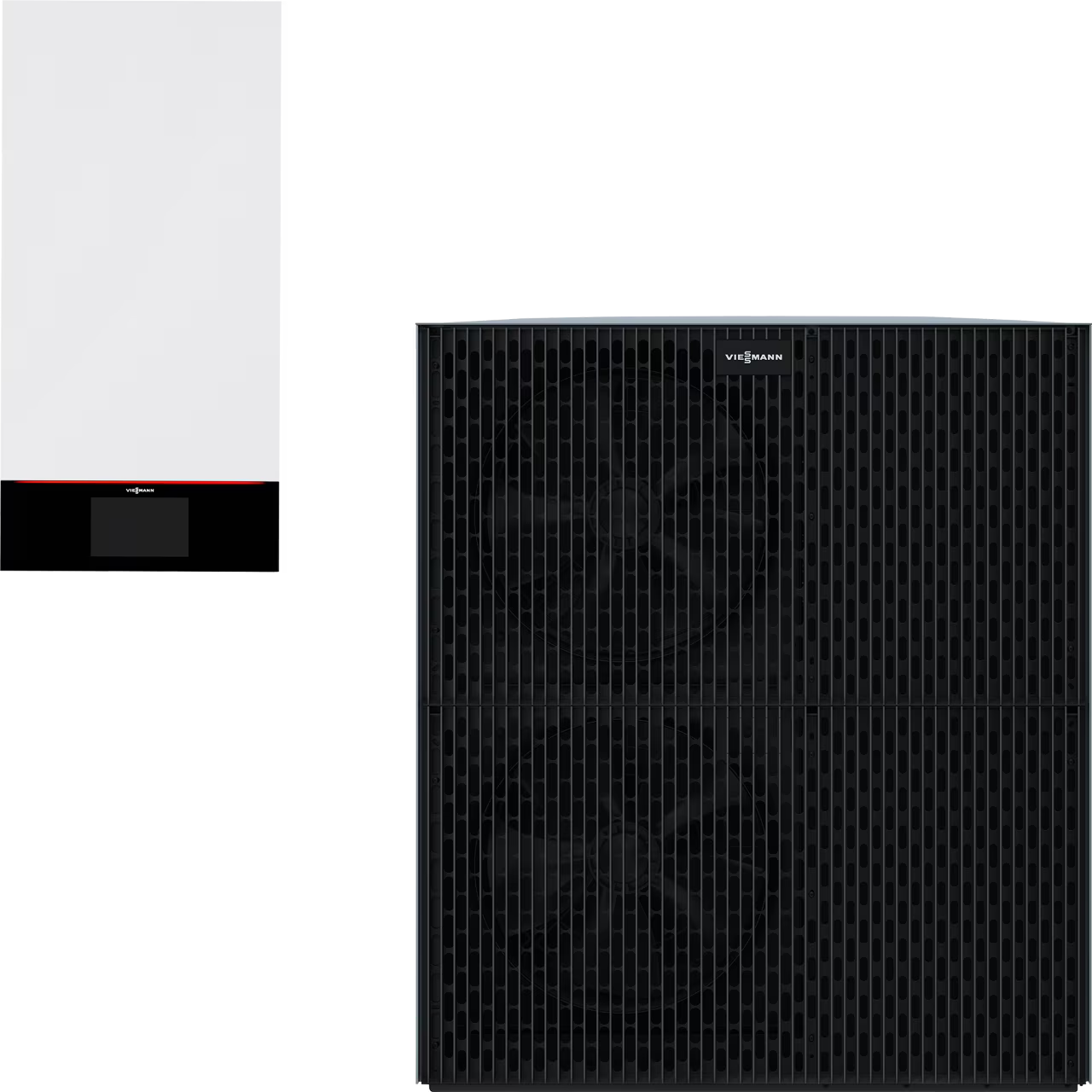
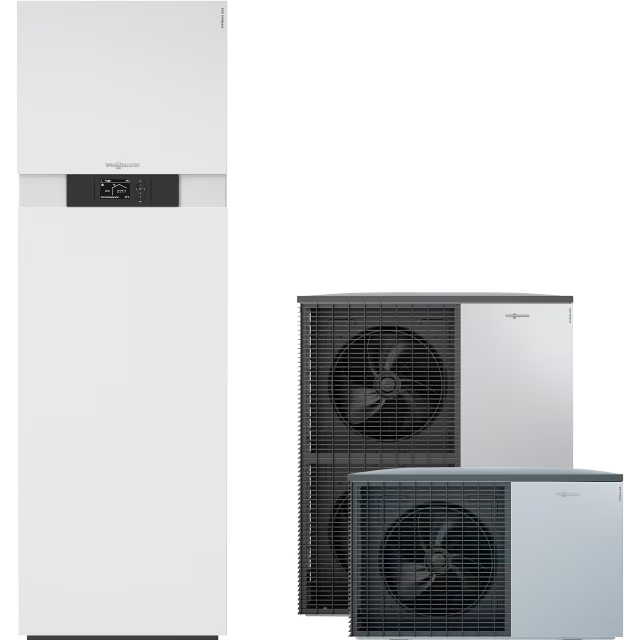
One of the most popular and promising heating systems is the heat pump. It extracts heat from ambient thermal energy and can even be used for cooling in the summer. To utilize the thermal energy stored in the air, ground, or water, it requires electricity—the ideal link for energy independence. This is because a photovoltaic system provides electricity virtually free of charge, and a heat pump receives it directly from the photovoltaic system. The excess energy generated by rooftop solar collectors can be recovered during the colder months using an energy storage unit. The following video demonstrates how well the new Vitocal heat pump works with a photovoltaic system and a storage unit in a digital grid system:
The combined use of heat pumps and photovoltaic systems increases energy independence, provided the building is well insulated and household appliances are not unnecessary energy consumers. Furthermore, the solar modules and energy storage system of the solar system must be large enough to provide energy even during the darkest months of the year.
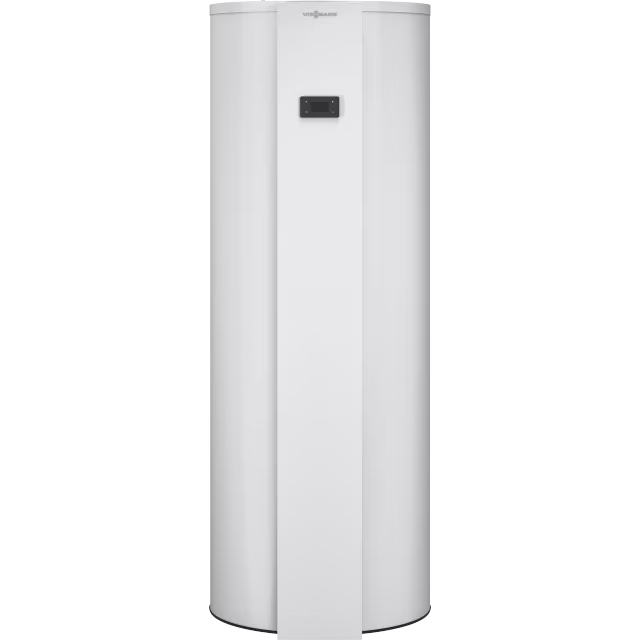
Related Products: Your Choice for Heat Pumps and Photovoltaics






Autonomous heating with fuel cell and photovoltaics – year-round independence thanks to hydrogen
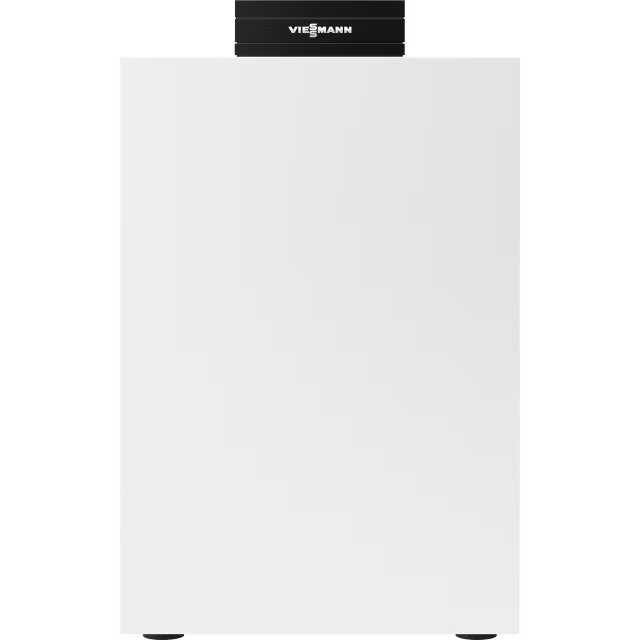
When combined with a photovoltaic system and energy storage, a fuel cell heating system provides an independent supply of electricity and heat year-round. The electricity generated by the photovoltaic system is used to power the home and an electric vehicle, especially in the summer. Excess energy can be stored in a battery system, such as the Vitocharge VX3. As the weather gets darker and colder, the heat generator—in this case, the fuel cell—can increasingly take over the role of electricity generation. If the solar photovoltaic system is large enough, it can also cover winter demand thanks to the storage system, thus helping to achieve a high level of self-sufficiency.
Energy independence in a detached home – what is paid for and when?
From a technical perspective, a completely independent heat and energy supply only makes sense if the collectors and cylinder are of sufficient size. Therefore, the ratio of energy savings to the initial investment must remain within a certain range to allow for amortization. Therefore, for a detached house, aiming for 100% independence is generally uneconomical. Instead, it is recommended that the house achieve as high a degree of independence as possible while still relying on a connection to the public grid for electricity and heat—even if only during peak periods. Apartment buildings, local authorities, and industrial facilities, on the other hand, can benefit in the long term from the greater financial and technical investment associated with complete independence. This requires careful planning and responsible use of technical capabilities and in-house resources.
Residential Building Solutions – Additional Information
Tips: How to achieve independent energy supply in your own home
Autonomous heating is the ideal solution for living an energy-efficient life and increasing your independence from utility companies and their prices. But what if you don’t currently have the resources for a major upgrade? Or what if you already use a photovoltaic heat pump, as described above, but want to further adjust your habits? The following tips will help make your home more energy-independent and self-sufficient.
Check your energy suppliers and switch if necessary: Choosing green gas and green electricity promotes the expansion and use of renewable energy sources. That’s why it’s worth checking your energy suppliers and considering switching if necessary. This gives us the opportunity to control where and from what sources the energy we consume comes.
Focus on the energy efficiency of your appliances: It’s worth considering efficiency beyond heating. Are you planning to buy a new washing machine, refrigerator, or other kitchen and living room appliances? Then look at their energy efficiency ratings and how much electricity they consume. There’s nothing more effective than closing energy consumption gaps and eliminating the energy-guzzling appliances of yesteryear in the long term.
Heat less and smarter: Even the most efficient and exemplary heating system can generate savings if it’s used sparingly and optimally tailored to actual heating and hot water needs. After all, the cheapest energy is the energy that’s not consumed in the first place. And speaking of attitude, use modern smart home technologies and intelligent asset management to save on energy costs. AHI Carrier can help you with innovative solutions for regulating and managing power generators.
Saving hot water: Do we really need all the hot water we consume each year? When it comes to domestic hot water in particular, you can save a lot of energy simply by changing your habits – for the sake of the environment and your wallet. So, when considering autonomous heating, consider autonomous water consumption as well. Smart products can help you with this: smart showerheads and other methods for optimizing hot water consumption .
Energy modernization: There are many measures you can take to optimize your home’s energy efficiency, from hydraulic balancing of your heating system to better insulating your facades and windows. This not only unlocks potential savings but also increases property value. You can learn more about specific options in our energy efficiency guides , for example .