Ask the Experts: The AHI-Carrier Community
Do you have questions about AHI-Carrier systems? Here are the answers!


While oil heating systems play a secondary role in new buildings, they are still used in many existing buildings. Now, more than ever, there are more reasons to go oil-free than ever before—beyond the need to replace heating systems. Ditching fossil fuels reduces CO2 emissions and, in times of rising oil prices, heating costs. But what alternatives to oil heating exist, and what should you consider when choosing? Our guide will help you find the right solution.

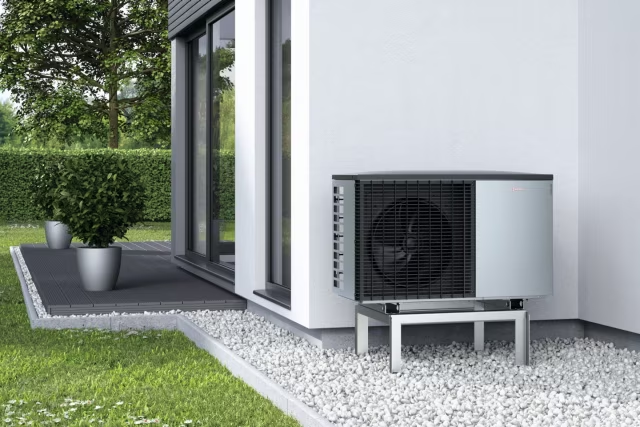
Green energy heating is a good alternative to oil heating if you want to become independent of fossil fuels and reduce CO2 emissions from heating. This is because heat pumps use thermal energy stored in the air, soil, or groundwater to heat rooms and produce hot water. This is possible thanks to a technical process that increases the temperature of ambient energy and transfers it to the heating system. A heat pump requires electricity to operate. However, 75 percent of heat production is based on ambient energy. Only 25 percent of the energy needed to propel a boat comes from electricity. There is also potential for savings here. People who switch to oil heating and choose a heat pump in combination with photovoltaic systems (PV) can generate a significant portion of their own electricity.
Does a heat pump really offer greater efficiency than an oil-fired heating system? For a heat pump to be effective, the temperature of the heating water must be low when it enters the radiator. This is because the greater the temperature difference between the flow temperature and the ambient energy source, the more energy, and therefore electricity, is required to produce heat. Good insulation and large-surface radiators create ideal conditions. While this can be taken into account in new construction and renovation projects, in older buildings, the conditions are not always self-evident. However, there is a solution here, too.

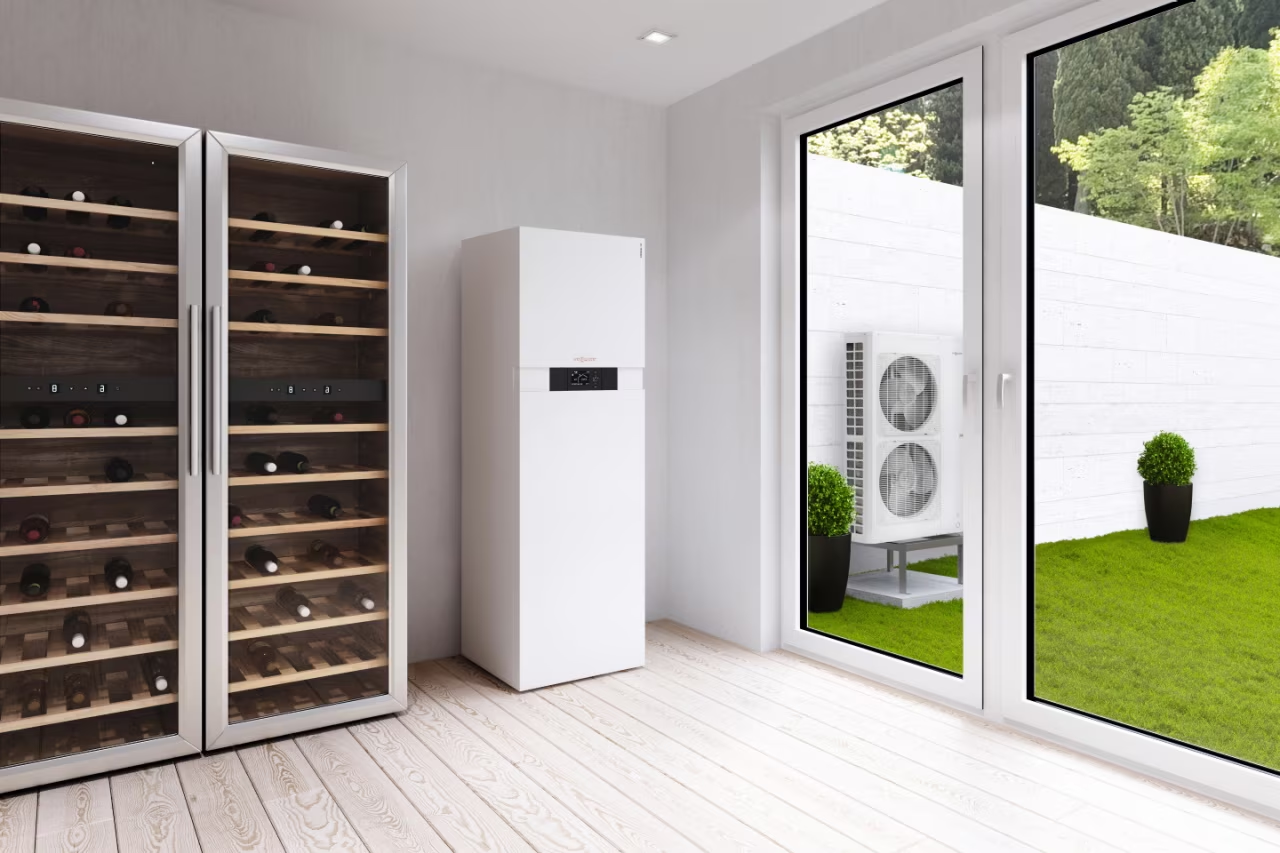
For owners of older buildings that haven’t been modernized but still want to replace oil heating with a heat pump, a hybrid solution is one option. On particularly cold days, the heat pump is supported by a traditional heat generator. This reduces the need for fossil fuels, and therefore your dependence on them. A qualified heating system installer will inspect the site conditions and provide you with personalized advice on installing a new heating system in an older building . They will also provide information on innovative systems, such as the new Vitocal. This heat pump was specifically designed for use in existing buildings. Learn more about the latest generation of AHI-Carrier heat pumps:
People looking to switch to renewable energy as an alternative to oil heating can also heat with wood . This, perhaps the most original heating method, is no longer outdated, thanks to modern technology. Unlike a heat pump, energy production also involves combustion, but this method is considered carbon neutral. This is because burning wood only releases as much CO2 as the trees absorbed during their growth. If homeowners source the fuel locally, shorter transport routes also mean lower emissions during wood extraction. Wood heating offers a number of alternatives to oil heating.
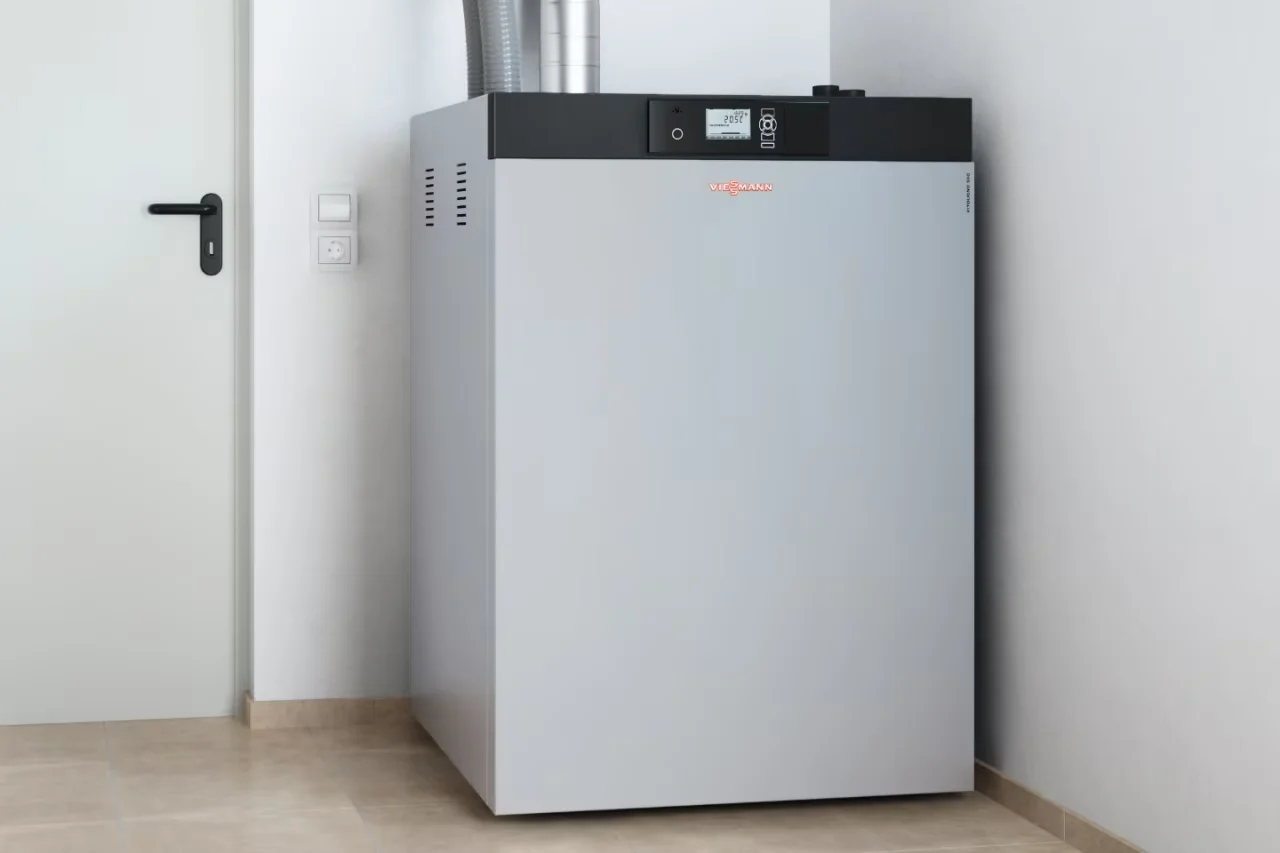
The technology used to convert wood into energy is as diverse as the wood itself. Pellet and log boilers, such as the AHI-Carrier Vitoligno, are of particular interest to homeowners. Log boilers are manually loaded with traditional logs. Therefore, operation requires more effort, but the purchase cost is somewhat lower. If ease of use is a priority, you can convert your oil heating system to a pellet heating system. This is because the small, pressed pellets are standardized and transported fully automatically to the pellet boiler via a conveyor. In terms of fuel cost, logs have the advantage. They are less expensive than pellets. However, unlike oil, pellets are still comparatively inexpensive. Furthermore, price fluctuations are less significant.
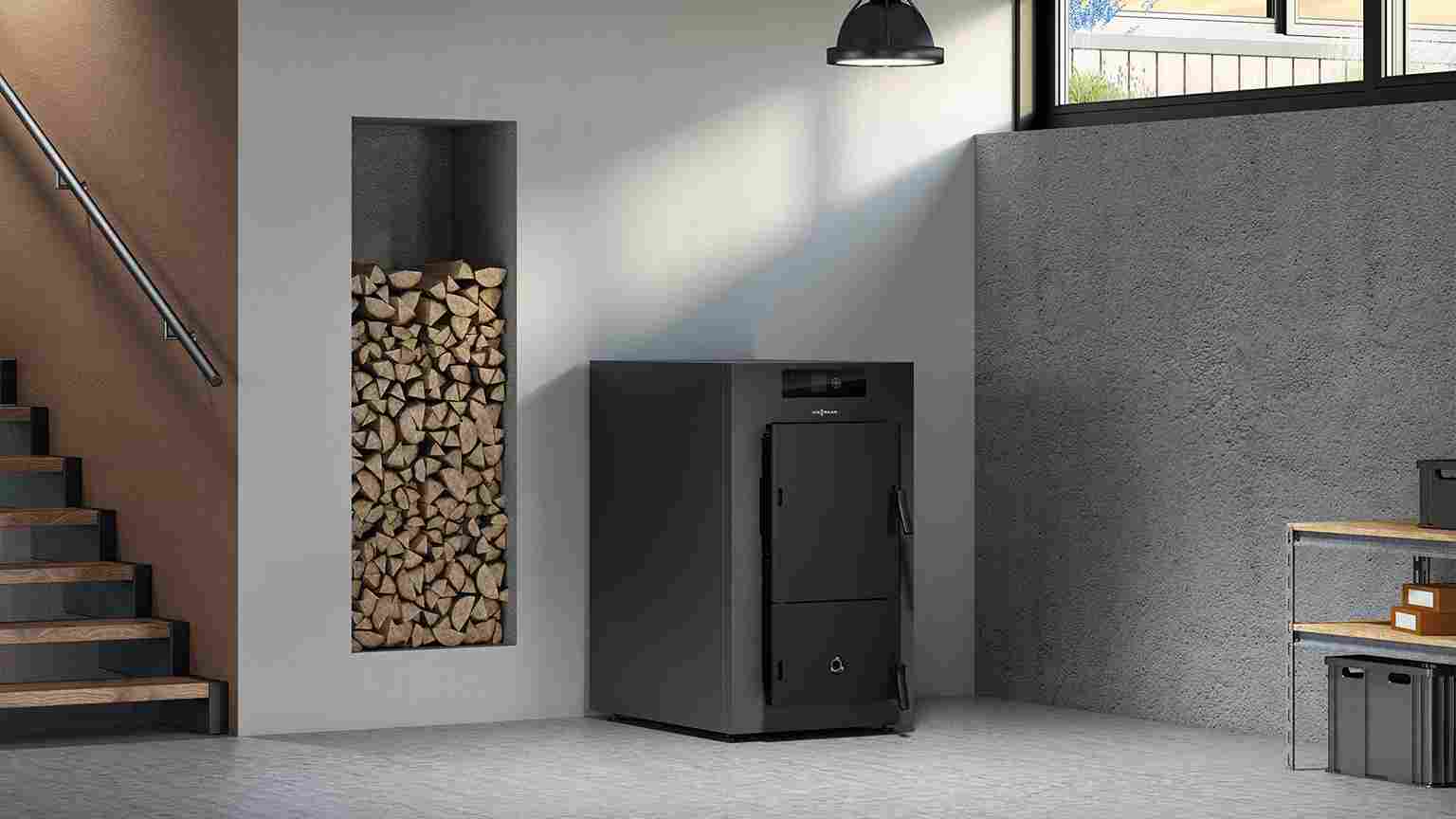
Anyone considering replacing an oil heating system with a wood-burning system should consider a buffer tank. This is because, unlike fossil fuels, the combustion process cannot be easily interrupted. To ensure efficient operation, even during fluctuating heat demand, excess heat is temporarily stored in a buffer tank for later use. The space required for the tank is usually freed up by removing the oil boiler and oil tank. Even those considering replacing an oil heating system with a pellet heating system typically don’t have to worry about the space required for storage and conveyor technology after removing the previous system components. Theoretically, however, some components of the old oil heating system can be retained. For example, the oil tank can be converted into pellet storage.
Possible alternatives to oil heating include fuel cell heating and combined heat and power (CHP) systems. Both systems operate on the principle of combined heat and power (CHP). In addition to heat for heating, they also generate electricity, which is particularly energy-efficient and cost-effective during times of high electricity prices. Alternatively, electricity can be fed into the public grid, although with decreasing feed-in tariffs, this is currently unfeasible. It’s important to note that while fuel cells and CHP systems operate on the same principle, they produce heat and electricity differently.
Both fuel cell heating and combined heat and power (CHP) systems eliminate the need for oil. However, alternatives to oil heating do not make people completely independent of fossil fuels—even if they can be used twice. Electricity and heat production in fuel cells is based on an electrochemical process. The feedstock is hydrogen, which is initially obtained from natural gas. Therefore, a connection to a gas pipeline is necessary for operation. With the Vitovalor models, AHI-Carrier offers both compact fuel cell heating systems and fuel cell modules for supplementing an existing heating system.
The central component of combined heat and power plants is an internal combustion engine. It can run on oil or gas. The engine drives a generator, which produces electricity. The waste heat generated during combustion is used for central heating and hot water supply.
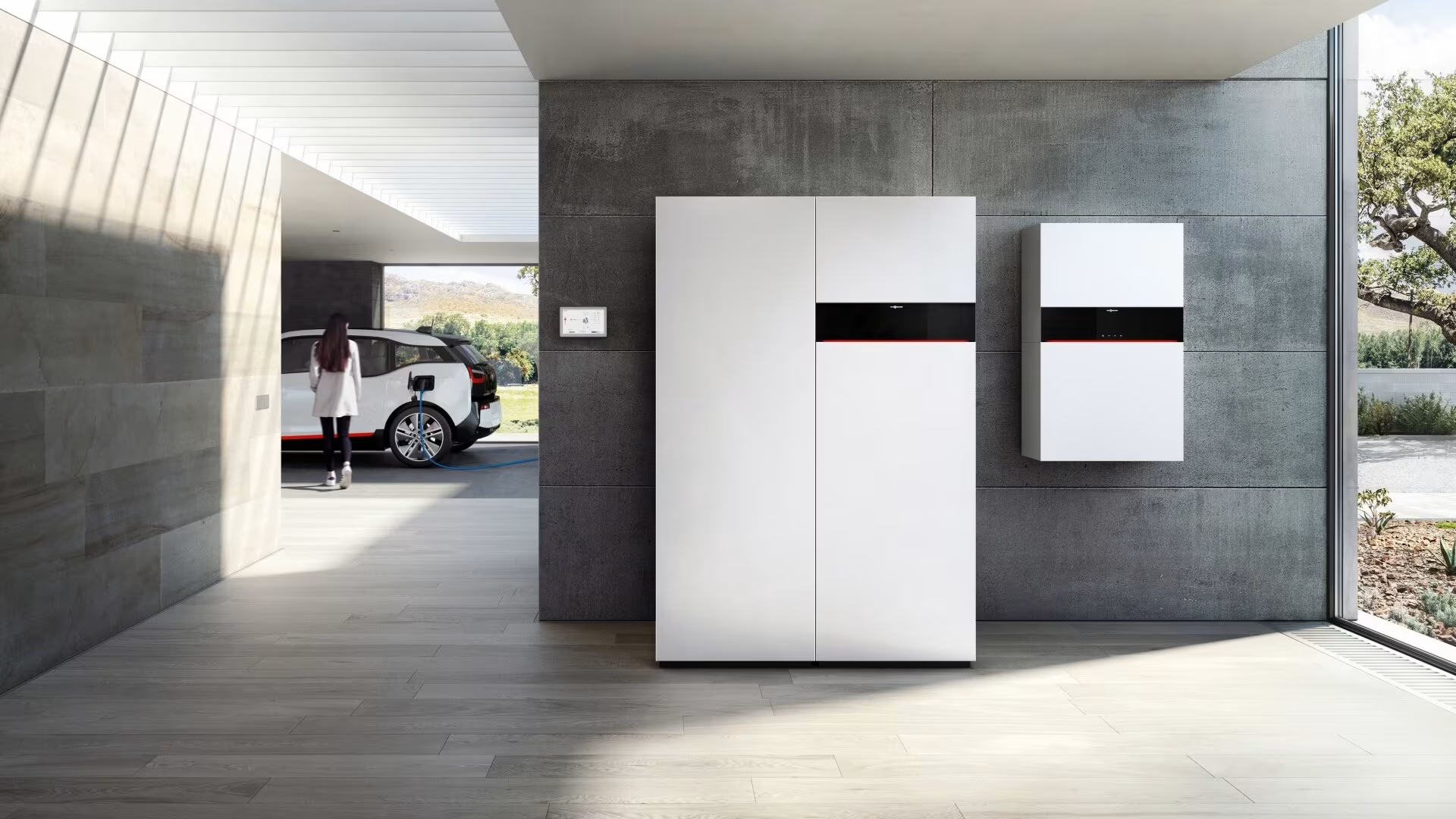
With both alternatives to oil heating, electricity is generated only if heat is simultaneously consumed. Since fuel cell heating produces electricity and heat in equal proportions, it is suitable for new and renovated buildings with low energy consumption. For efficient operation, cogeneration units require a slightly higher heat demand, making this alternative more suitable for larger apartment buildings. To ensure optimal design, AHI-Carrier offers Vitobloc cogeneration units with various outputs.
Important: In this case, combining it with a solar thermal system is not recommended, as it reduces heating demand. This is different with photovoltaic systems, especially cogeneration systems. This is because photovoltaic systems provide high output, especially in the summer, when little heat is required. In winter, high heat demand ensures good electricity production from a cogeneration system.
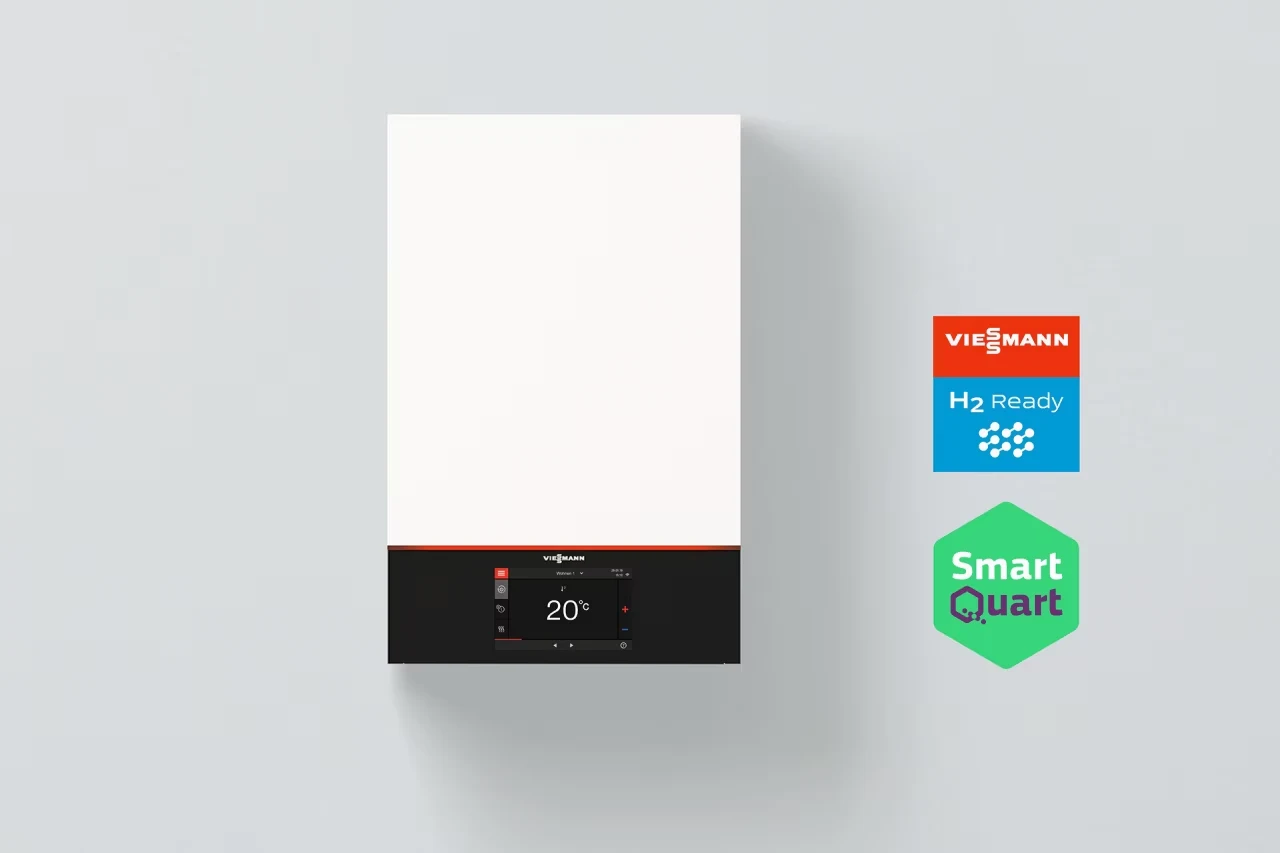
When it came to upgrading heating systems, gas heating with condensing technology has long been a popular alternative to oil-fired heating. This was due in part to its relatively low purchase costs and proven technology. Due to climate change concerns and rising fuel prices, gas condensing boilers are increasingly giving way to renewable alternatives—and rightfully so. However, hybrid gas heating can be a good intermediate step along this path. The following combinations are possible:
Advanced control systems ensure efficient operation. For example, with the AHI-Carrier Hybrid Pro Control energy manager, you can select a particularly economical or eco-friendly operating mode. Condensing technology is sometimes used as a backup for central heating when a regenerative heat generator is inefficient.
Do you have questions about AHI-Carrier systems? Here are the answers!
Heating systems
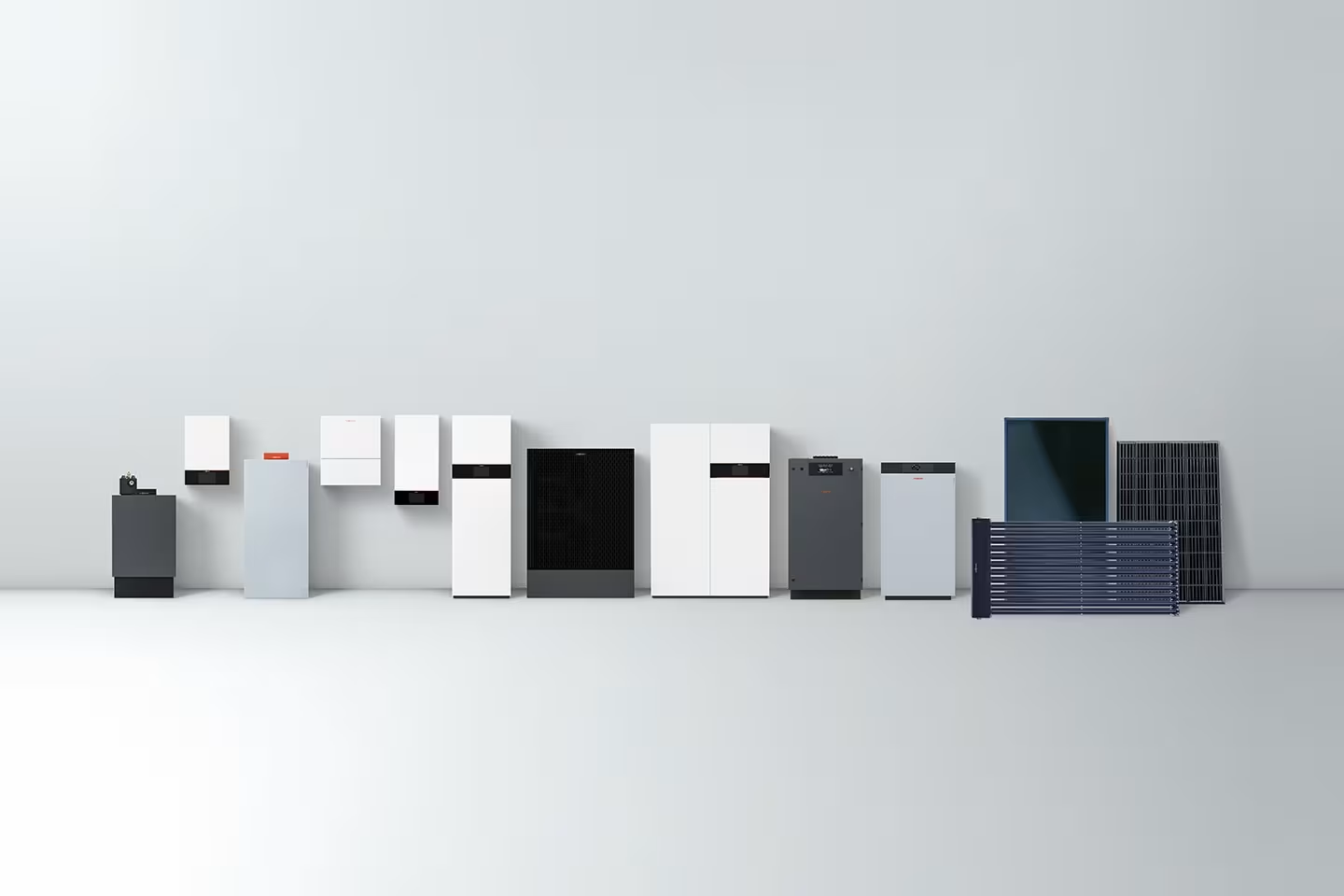
Looking to modernize or efficiently supplement your heating system? AHI-Carrier offers customized system solutions for use in detached homes and multi-family buildings.