

(Photo: © MAXSHOT.PL / Shutterstock.com)
Topics at a glance
Increasing efficiency and reducing heating costs by combining a heat pump and solar panels from AHI-Carrier allows you to achieve both. You can then use free solar heat for heating and hot water when the sun shines. If energy-rich radiant heat isn’t enough, an eco-heating system takes advantage of the free energy in the earth, air, or groundwater for heating. Find out why this system is worth choosing and what options there are for combining solar energy with a heat pump.
Hybrid heating system reduces energy consumption
While heat pumps use ambient energy along with electricity for heating, solar thermal systems operate virtually without any consumption costs. This is made possible by the sun’s free radiant heat. Collectors convert this heat into thermal energy, which is then transferred by the sun to the cylinders in the home. With the appropriate design, a AHI-Carrier solar heat pump can be almost completely unloaded in the summer. During the rest of the year, solar heat provides greater efficiency. Vitosol 200-FM flat-plate collectors or Vitosol 200-TM evacuated tube collectors convert most of the incident radiant heat into usable thermal energy.


Combination of heat pump and solar energy
There are several options for combining a heat pump with solar heat. Solar heat is a widely used method for heating or domestic hot water. Additionally, it is also possible to heat directly from the ambient energy source.
Using solar heat for domestic hot water or heating
With the integration, solar heat is transferred to the hot water supply or heating system, either in a hot water system or a buffer tank. Implementation is relatively simple and can also be implemented with other heat generators, such as gas or pellet heating systems. The following installation options are possible:
- Domestic hot water heating : Heat from the collectors heats domestic hot water in the DHW cylinder. This reduces heating energy requirements by approximately five percent. This can cover up to 60 percent of annual DHW demand.
- Central backup heating : Solar energy heats the heating water in a buffer tank, providing benefits to the central heating system. Using large collectors reduces heating energy consumption by approximately 20 percent. For efficient operation, communication between the heat pump and solar panel via a common control system is particularly important. With a AHI-Carrier heat pump and solar panel, this is guaranteed.
Heating the ambient energy source using solar heat
Solar heat can also be used to increase the ambient temperature of the energy source. Combining brine/water heat pumps, such as the Vitocal 300-G or Vitocal 200-G , with solar energy in a Vitoset ice storage tank is particularly effective. The ice storage tank contains water that freezes, releasing crystallization energy as the brine/water heat pump extracts heat. By comparison, the transition from liquid to solid releases the same amount of energy required to heat a liter of water from zero to 80 degrees Celsius. Solar air absorbers transfer solar heat to the ambient heating system in addition to the air energy. If this is not necessary, the storage tank’s regeneration process is accelerated, liquefying the ice before the cycle begins again.
Combination of heat pump with solar panels and photovoltaic installations
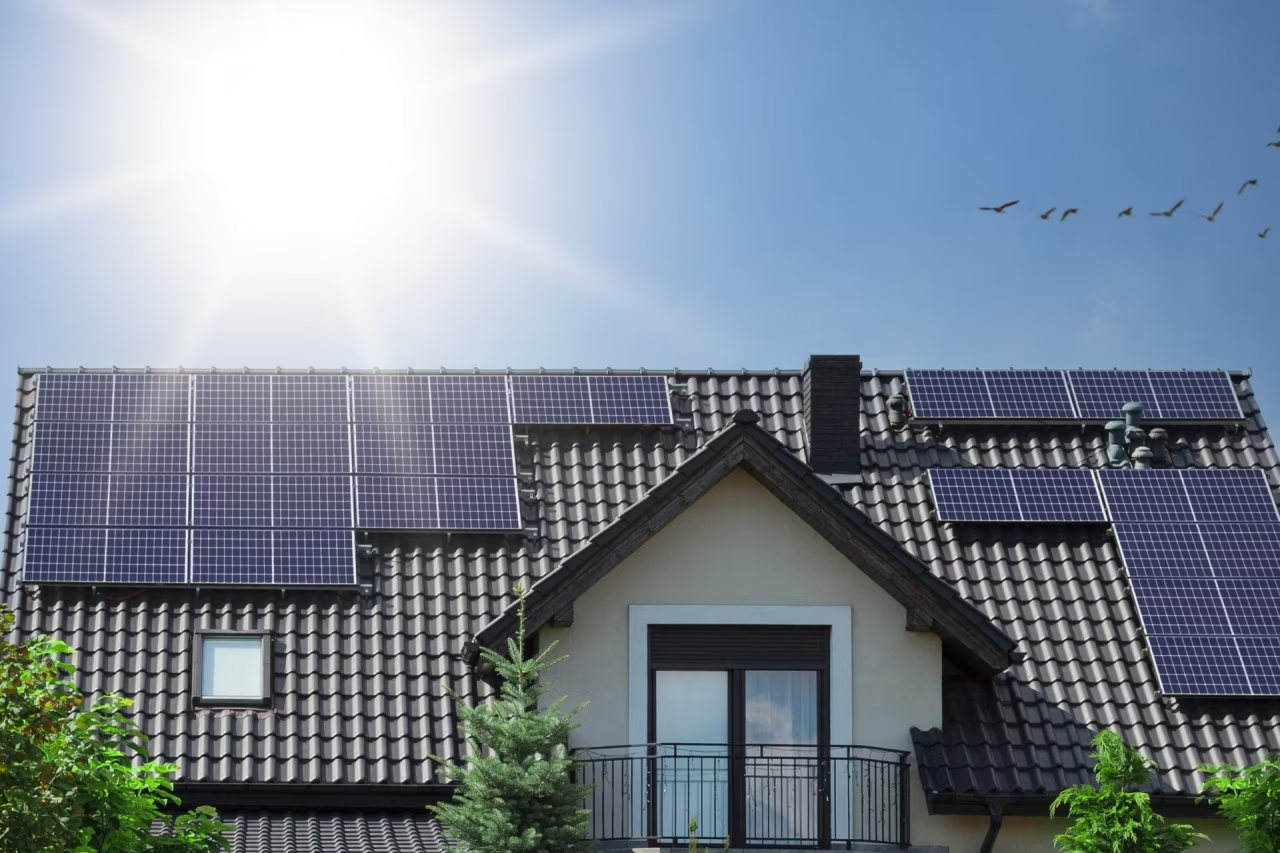
Want to reduce your energy costs even further? Then combine a heat pump with solar panels and photovoltaics. A solar heating system provides lower energy consumption, which can be proportionally covered by a Vitovolt photovoltaic system. You’ll need less energy from the grid, and you’ll heat more efficiently. This works even better with the Vitocharge VX3 photovoltaic storage system, which provides electricity even when the sun doesn’t shine. We explain the importance of this in our article on heat pumps and photovoltaics .