
Electric heater Vitoplanar EC4
Topics at a glance
Hardly any heating system is as suitable for decentralized heating of living spaces as electric heaters. Whether it’s direct heat, like with rapid heaters, or radiant heat, like with infrared heaters, an electric heater can be installed virtually anywhere to complement an existing heating system. Electric radiators are available in a wide range of power outputs, shapes, and colors. Furthermore, they are quick to commission, easy to install, and require no time-consuming or expensive planning. Furthermore, most models are virtually maintenance-free.
The operating principle of electric heaters
Electrical heat is generated by passing an electric current through a resistive conductor (a resistive heating component is also called a heating conductor or heating resistor), causing the conductor to heat up. The term “resistive heating” refers to electric heating. It heats a building using electricity. No additional energy sources are required. When combined with a photovoltaic system, this heating system operates in an environmentally responsible manner. A resistance heater can be used as a centralized or decentralized solution.
Easy installation
However, it’s not just the functions that are easy to explain. Installation is also very simple and quick thanks to the Plug & Play system. Plug & Play in this case means that the electric heaters only need to be connected to a household electrical outlet. Furthermore, the Plug & Play system means that the connection between the infrared panels and the radio receiver can be established in just a few simple steps.
Different types of Viessmann electric heaters
There are many types of electric heaters. Depending on the application, they can be combined and customized to suit your needs. They are best classified by two criteria: heat output and installation type. In addition to direct and storage heaters, there are also infrared heaters, which will be discussed separately here. Installation method also plays a role: can an electric heater be installed on the wall, or is underfloor heating better? Viessmann offers products for all of these types.
Direct heaters radiate heat directly into the room.
Electric heaters, such as fan heaters, radiant heaters, wall convectors, and infrared heaters, are classified as direct-heating devices. As the name suggests, these devices radiate heat directly into the room. However, there is a difference: for example, a fan heater functions like a hair dryer and uses air as a heat transfer medium.
Infrared heaters
When using an infrared heater, heat transfer occurs in a completely different way. It primarily heats itself and the surrounding objects, rather than the air. These objects then transfer the thermal energy into the room as radiant heat. Being very similar to the sun’s rays, radiant heat is pleasant for many people.
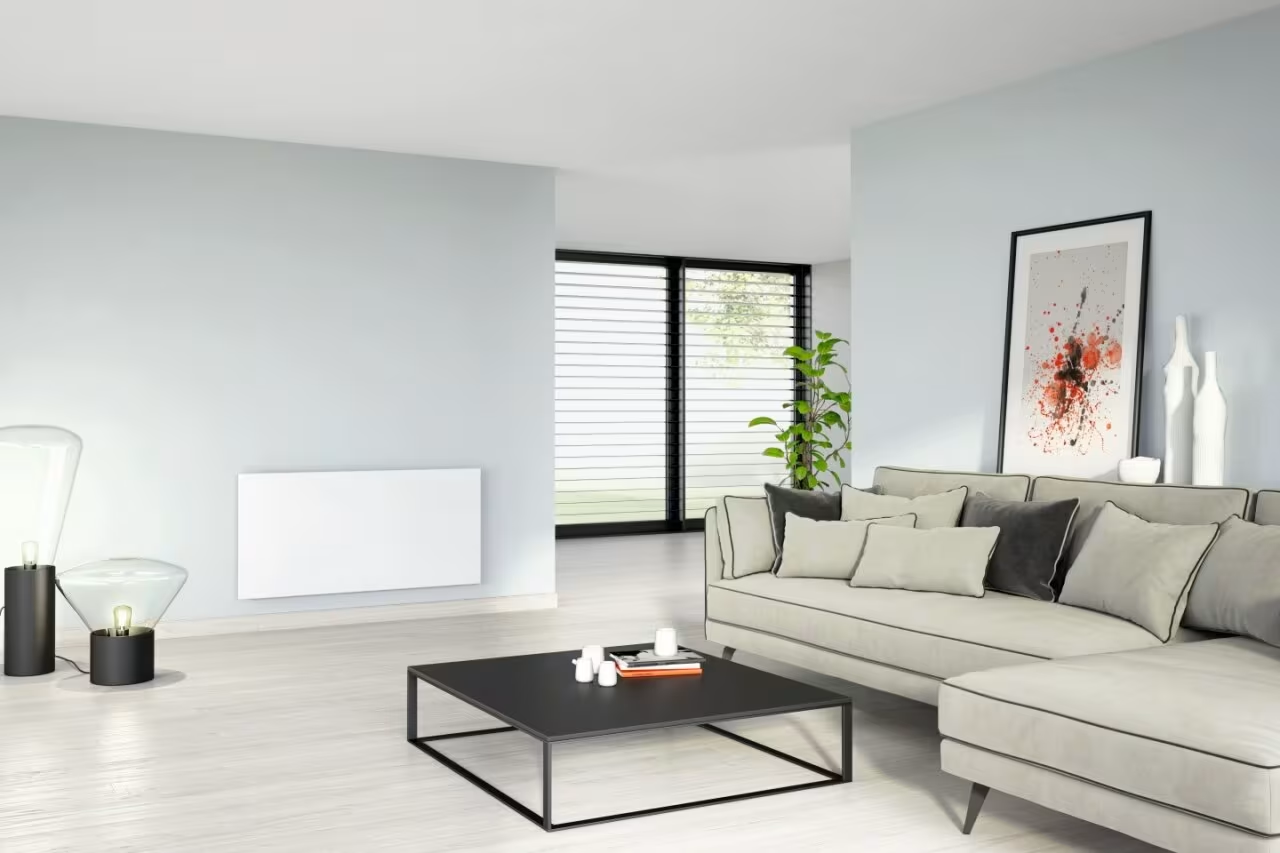
Vitoplanar infrared heater
Storage heaters retain heat for a longer period of time.
Heating with electricity is also possible with a storage heater, such as a night storage heater. It contains a storage tank that is initially heated by electricity and then releases heat into the room where it is installed during the day. Unlike a direct heater, this heater continues to emit heat even when it is no longer receiving electricity.
Heating with electricity
Electric heater for wall mounting
Direct heating systems, such as Viessmann rapid heaters and wall-mounted convectors, can be quickly and easily installed on the desired wall. They are suitable for heating both bathrooms and underutilized spaces, such as converted garages or conservatories. Their shallow installation depth and large outlet stages ensure they remain discreet. Mirrored electric radiators (infrared panels) add a special touch. The polished glass surface not only attracts attention, but also, like a regular mirror, makes the room they are installed in appear more spacious. For more information, visit the Vitoplanar wall-mounted radiator page.
Electric underfloor heating
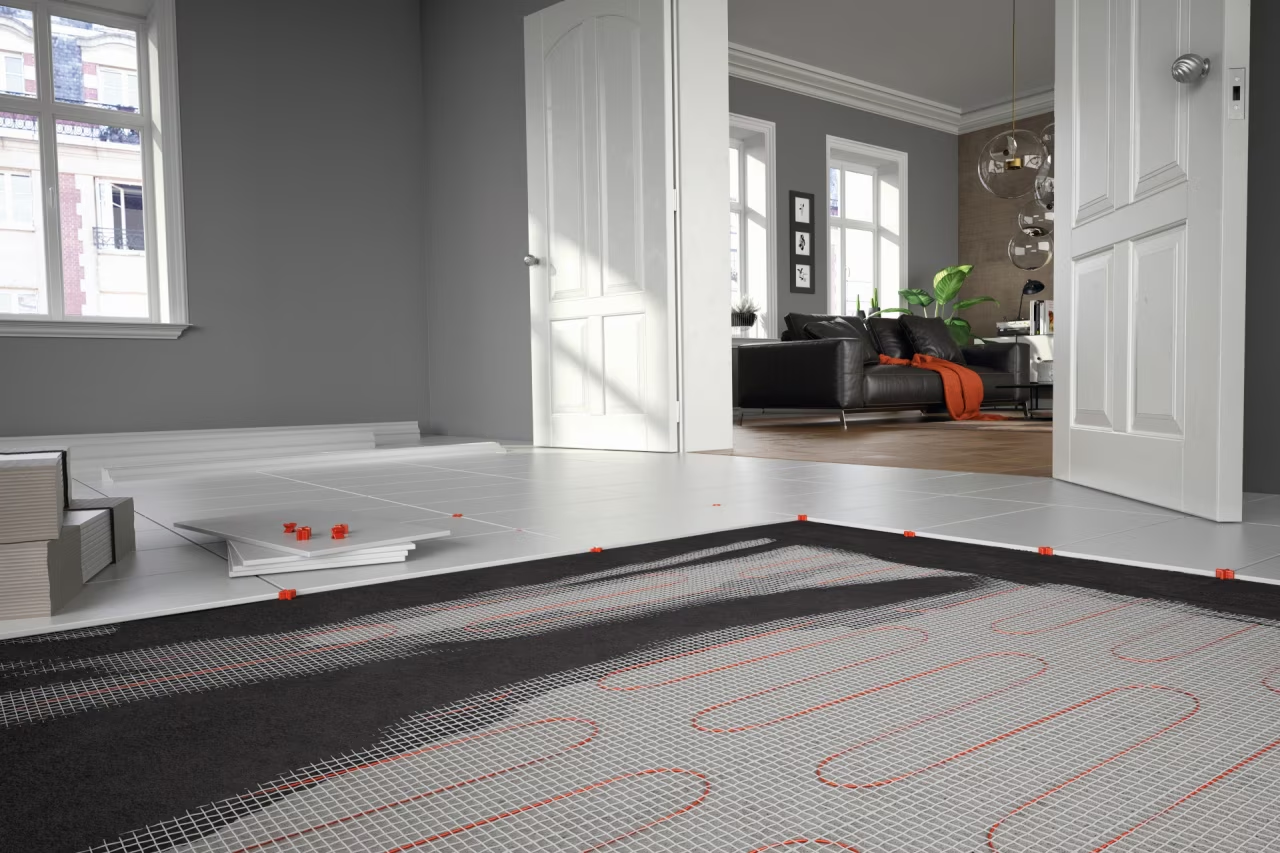
An electric heater doesn’t necessarily have to be wall-mounted. Decentralized and centralized heating can be provided from below, even out of sight. This is possible with electric heating mats, which are suitable for parquet/laminate floors and ceramic coverings. Viessmann heating mats have an overall height of just 1.3 millimeters (Vitoplanar EF3) and can be easily installed under the floor covering. These mats are an ideal solution if, for example, the screed is not being replaced during a renovation project. You can read about the distinguishing features of these devices on the Thin Layer Heating Systems page .
Flexible application options for electric heaters
In newly built low-energy homes and passive houses, the energy requirement for heating is extremely low. Therefore, the applications for Viessmann electric heaters are very diverse. However, there are some living spaces where a Vitoplanar panel heater is beneficial, for example, to quickly warm tiled floors in the bathroom and kitchen.
When renovating existing buildings, you also have a variety of installation options for Vitoplanar products. In addition to electric heating mats for screeds and under laminate, parquet, and tiled floors, Viessmann’s extensive product range also includes infrared heaters with variable output for wall and ceiling installation. Let our partners discuss the options in detail to help you choose the best option for you.
Choice of different surfaces depending on the area of application
Depending on the application, a variety of surface finishes are available. Specifically, the radiating surface can be finished in a RAL color or supplied with a white glass front. Infrared panel heaters with a mirrored surface are also available for bathrooms or hallways. Of course, all units can be operated in an environmentally friendly manner, using clean electricity, which you can obtain through a green tariff or generate yourself.
Eric Frenzel’s home uses a Viessmann electric heating system.
“I used to have to drive to the gym to lift weights for my strength training. Now I don’t have to drive, I have more time for my family, and I’m helping protect the environment.” The Vitoplanar electric underfloor heating system in the fitness room and shower room is also efficient and environmentally friendly. Energy-efficient infrared heating is also installed .
“Since I only train here at certain times, the house heats up quickly and doesn’t waste energy unnecessarily.” A sauna in winter helps the body build endurance and recover faster after competitions or intense training sessions. A large photovoltaic system can be seen on the roof of the neighboring barn. The electricity is still fed into the grid, “but in the future, we want to use it ourselves and install a battery system for that .”
What about the economic feasibility of an electric heater?
Whether you’re considering an infrared heater or using a fan heater, several factors need to be considered to ensure energy efficiency. These include the building’s energy quality, the appliance’s operating time, and its heating power.
To ensure that electric heating remains cost-effective over the long term, the building being heated must be well-insulated. This applies to both new buildings and those that have already undergone energy-efficient upgrades.
To complement the existing heating system
Electric heaters are most effective when used as supplemental heating or in buildings with low heating requirements. This is because they are easy to operate and quickly provide the necessary heat to the room. They are suitable as the sole heat source only in very well-insulated homes.
A radiator that’s too large takes up unnecessary space. A radiator that’s too small, on the other hand, takes longer to heat the room to the desired temperature. Since radiators come in a variety of power levels, it’s recommended to choose an electric radiator that’s optimal in both size and heat output. To find the perfect radiator for your needs and preferences, we recommend calculating your heating requirements. We’re also happy to help you choose the right heating system.
In our advice section you will find more tips on purchasing a new heating system .
Is the electric heater stable to operate?
The share of renewable energy in the electricity, heat, and transport sectors has been steadily increasing for many years. The greatest growth can be attributed to the electricity sector. In concrete terms, this means that more and more electricity is coming from wind farms, photovoltaic systems, biomass, hydroelectric power plants, and geothermal systems. According to government data, renewable energy accounts for 36.2 percent of total gross electricity consumption. This share is expected to increase to 60 percent by 2035. This green electricity can be used in a variety of ways, including for heating, for example, with heat pumps and electric heaters.
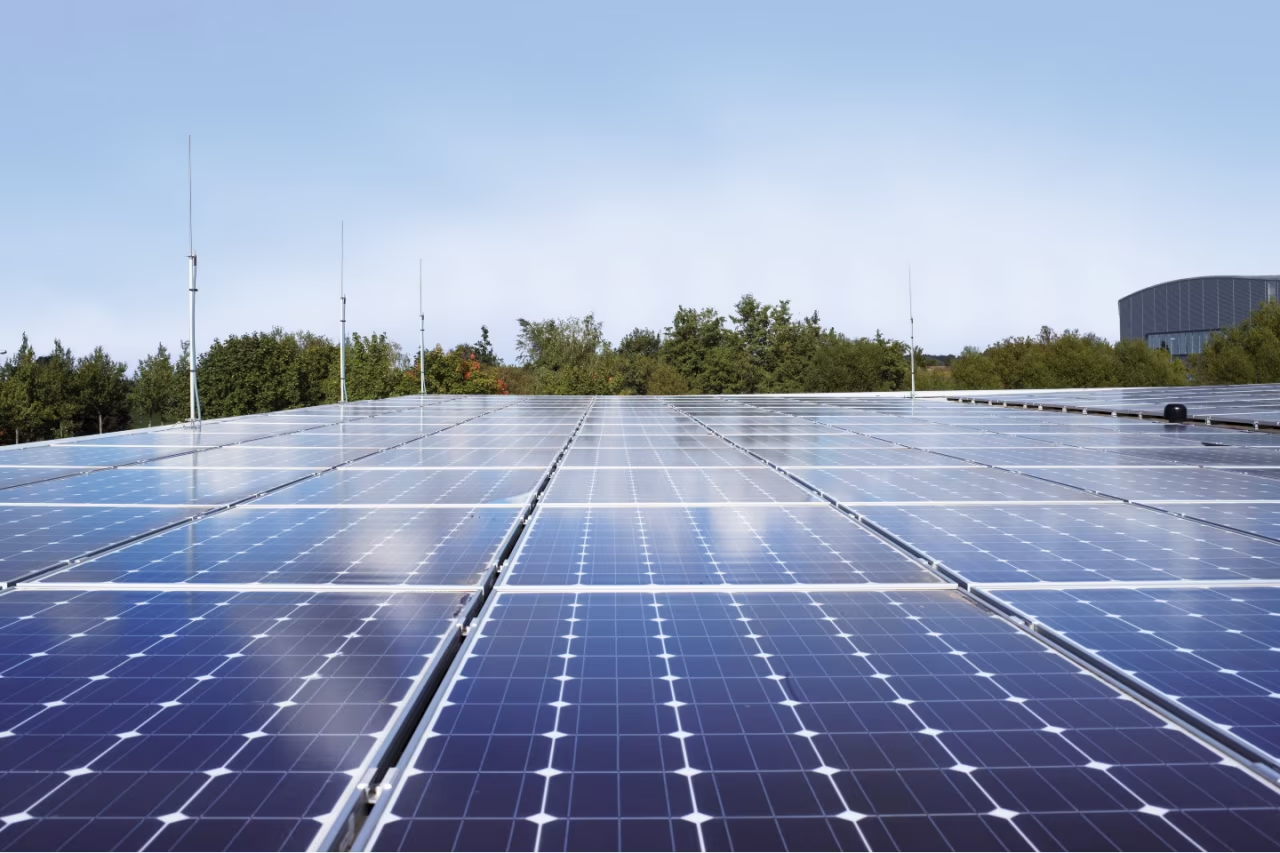
Green Electricity: If you want to buy electric heating and reduce your environmental impact, you can purchase a green electricity plan. It doesn't come from traditional power grids and is therefore 100% environmentally friendly.