Ask the Experts: AHI Carrier Community
Do you have questions about mechanical ventilation?


Photo: © Mila Supinskaya Glashchenko / Shutterstock.com
Should you turn off your heating system in the summer or leave it on? This is a valid question, as space heating is typically not required in summer temperatures. However, if domestic hot water is heated through the central heating system, this will lead to a loss of comfort. If you turn off the heating in the summer, only cold water will flow from the shower head and faucet. In this case, it is recommended to switch the heating system to summer mode. Then, the heat generator will operate solely to produce domestic hot water. This saves energy and simultaneously reduces heating costs. In the following guide, you will learn what to consider when switching your heating system to summer mode and what alternatives are available for heating the domestic hot water.
Heating spaces and providing hot water requires energy. The cost of this energy is reflected in the cost of fuel. The more energy consumed, the higher these costs. Especially with fossil fuels, high energy demand is also associated with emissions. This is because burning gas and oil releases CO2 . By switching your regular heating system to summer mode, you can not only save money but also reduce CO2 emissions . Since the summer months are warm anyway, this doesn’t even mean less comfort.
There’s no general rule for when to switch your heating system to summer mode. Weather conditions are the most important factor. However, the typical apartment heating season is a good starting point. It runs from October 1st to April 30th. Therefore, early May is a good time to check whether the limited heating mode is sufficient.
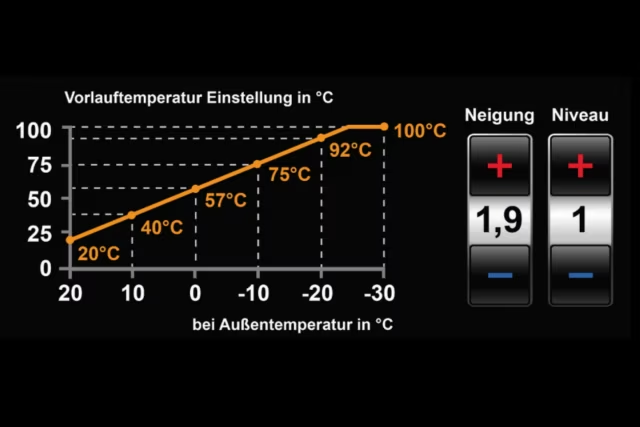
Those with a modern heating system typically don’t need to worry about when to switch it to summer mode. They automatically stop heating when a certain outside or inside temperature is reached. This threshold temperature depends on whether the heating system is weather-compensated or room-temperature-dependent. Sensors are installed either outside or inside the building. If the temperature drops below a certain threshold, the heating system switches on automatically. This ensures a high level of living comfort at all times, even during the colder summer months. The temperature at which the heating system stops or resumes operation can be manually set. For information on setting the so-called heating limit temperature on your AHI Carrier heating system and switching it to summer mode, please refer to the operating instructions. The operating instructions also describe how to set the various operating modes:
User manuals are also available for download in AHI Carrier ViBooks . You can also get expert help from specialists in the AHI Carrier community . There, you can also share experiences with other system owners.
Do you have questions about mechanical ventilation?
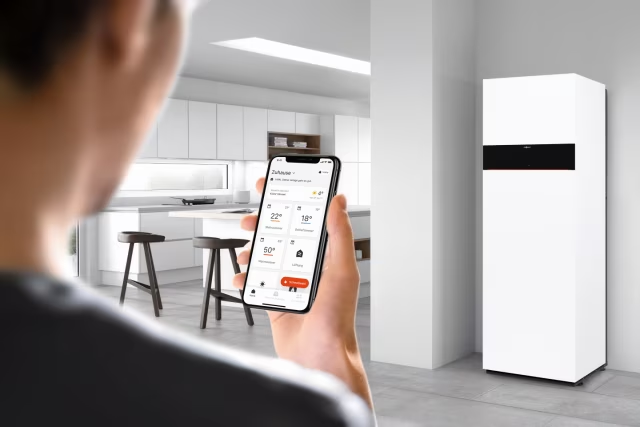
The image shows the control of the AHI Carrier Vitodens 242-F gas heating system via the ViCare app on a smartphone.
If your heating system has the appropriate interface, app control is possible. This feature is factory-integrated in new AHI Carrier systems. If you have an older AHI Carrier heating system with a Vitotronic control unit, you can retrofit it with the Vitoconnect module . Once activated, all settings can be made via the ViCare app —at any time and regardless of your current location. The app offers the following benefits:
Turning off your heating system isn’t just for the summer. When you’re away from home for extended periods, timed programs also help save energy. By activating the holiday program on your AHI Carrier heating system, you can control both room heating and hot water production. This is determined by the saved arrival and departure dates.
Many homes still use older boilers. Since they typically lack the appropriate control technology, energy-efficient heating in the summer requires a bit more effort. Boilers must be turned off or reduced manually. They are turned back on during extended periods of cold weather. Additional savings can be achieved by turning off the heating circuit pump during the summer. It is responsible for circulating water in the radiators. However, to prevent this component, also known as the circulation pump, from seizing during the summer break, it should be turned on at regular intervals. In modern heating systems, this happens automatically. To avoid damage to the system and find the optimal settings, it is recommended to consult with a heating contractor. Your installer is a reliable contact when it comes to summer operation of an old heating system.
If your AHI Carrier heating system is operating in summer mode, you’re already saving energy and costs. To prepare for the next heating season and take advantage of the additional savings potential, we’ve compiled some further tips on heating in the summer.
© Fotolia / Inpixkommunikation
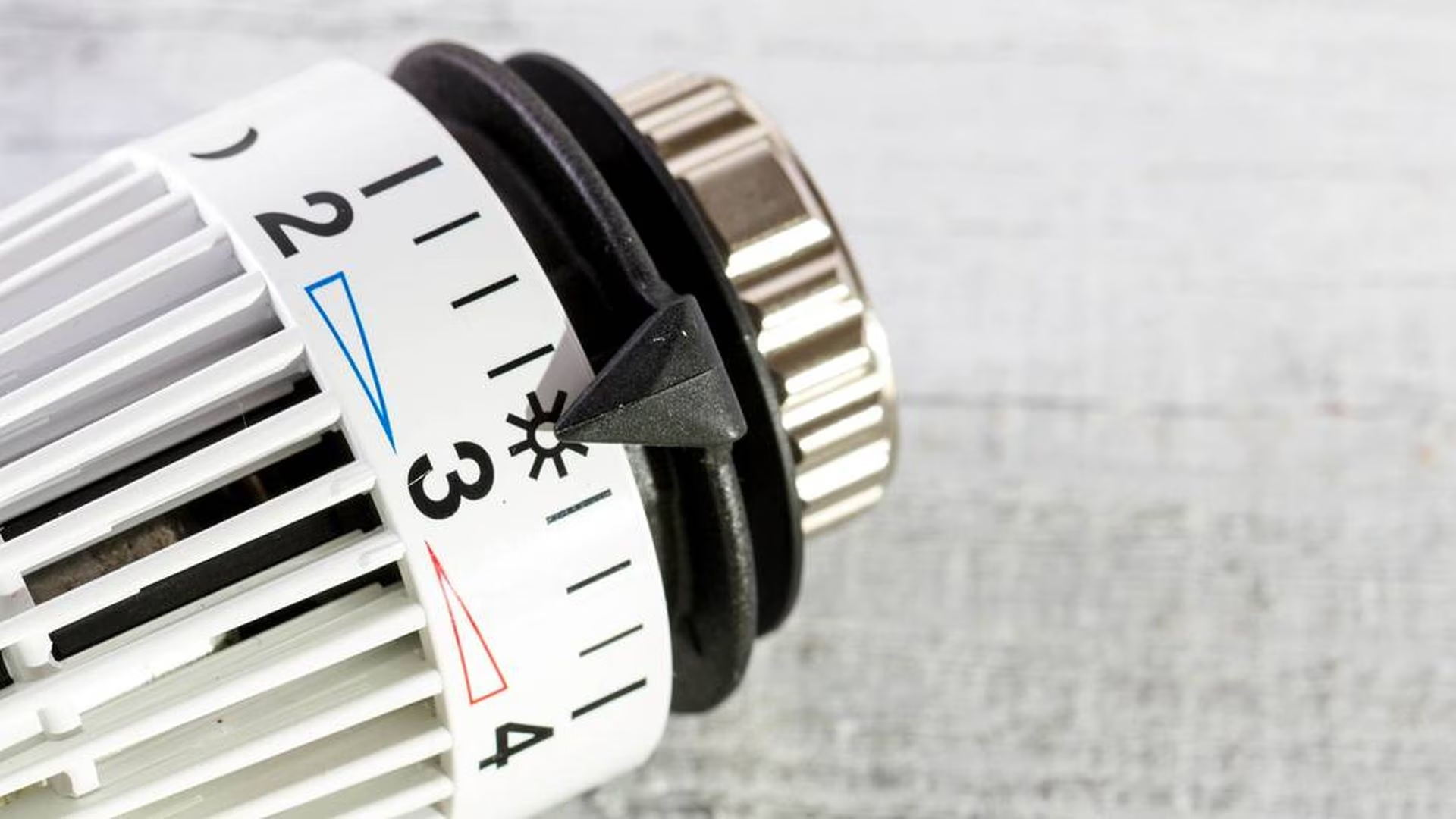
Even if the radiators don’t heat up during summer operation, the thermostatic head shouldn’t be set to frost protection. Otherwise, blockages may occur during the heating pause. This risk can be reduced by opening the thermostatic radiator valves in the summer. This releases the mechanism that regulates the water flow in the valve. If the valves are stuck despite the thermostats being adjusted correctly, you can try to free them yourself. To do this, first remove the regulator cover. Once the bottom of the valve is open, gently tap it or gently pull on the valve pin.
© Fotolia / Benjamin o Zweig
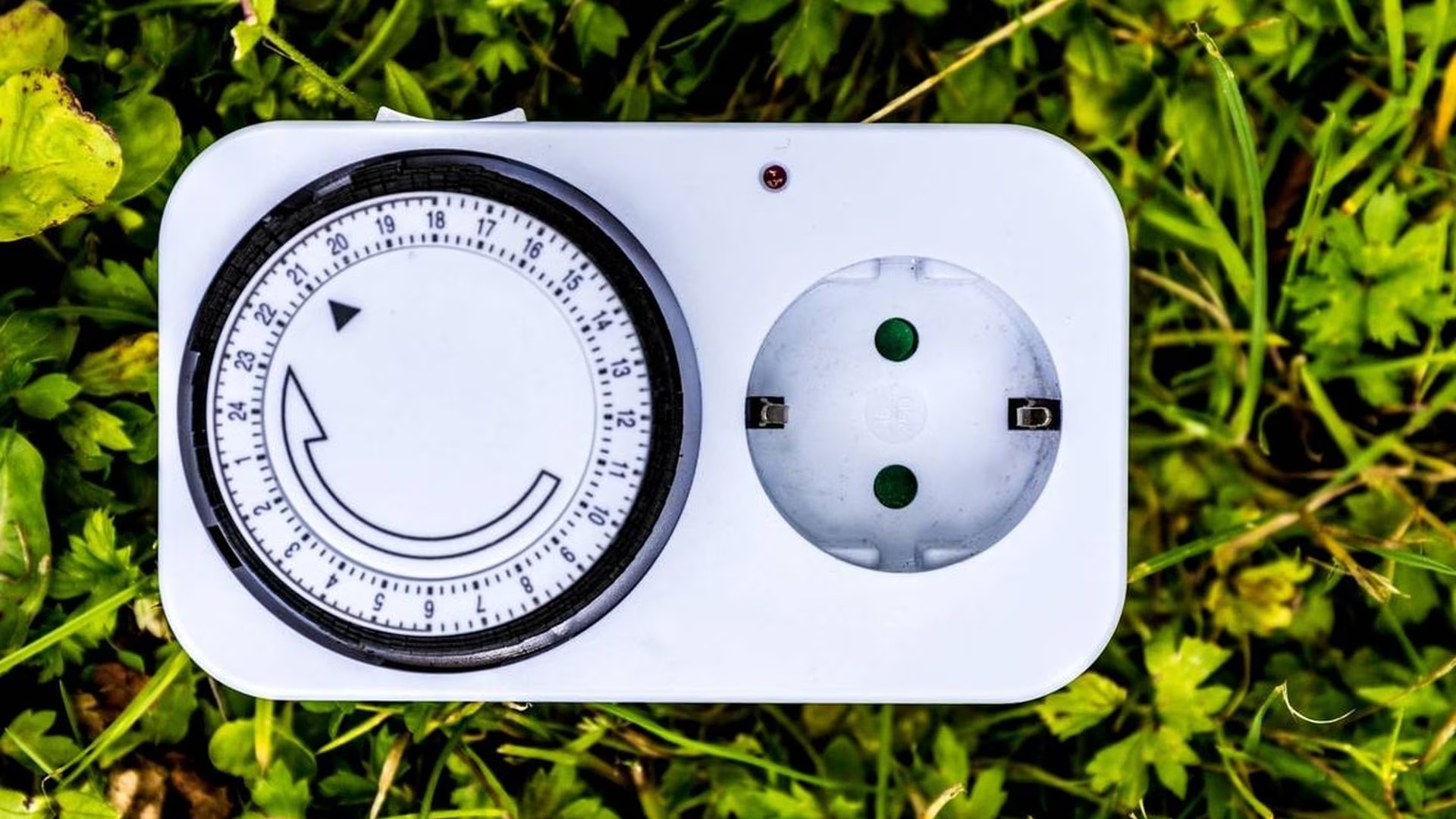
A hot water circulation pump quickly supplies hot water to all draw-off points in the home. This ensures a high level of comfort. Furthermore, its constant movement reduces the risk of legionella formation, which thrives in warm, stagnant water. However, if this pump runs continuously, it constantly consumes electricity when hot water is not actually needed—for example, at night or when no one is home during the day. Unlike a heating system’s circulation pump, it should not be completely turned off in the summer. To save energy, it is recommended to control the hot water circulation pump with a timer. This way, the operating time can be adjusted to actual demand.
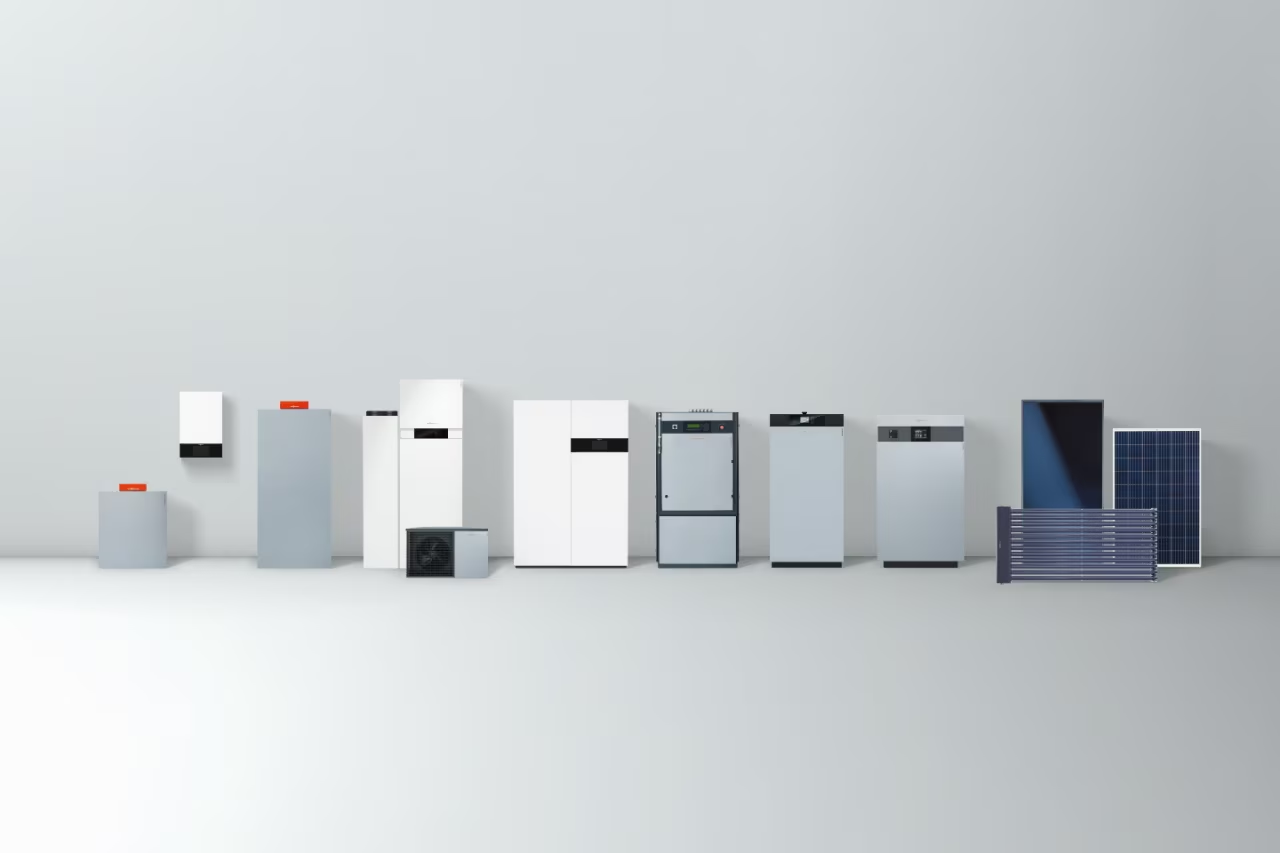
The summer months are the ideal time to install a new heating system. This is because residents shouldn’t have to freeze, even if heating is temporarily unavailable or only available to a limited extent. If the old boiler isn’t equipped with a modern control unit, it’s worth replacing the heating system . This will eliminate the need to manually switch the heating system to summer mode. Furthermore, innovative heating systems are particularly energy efficient. Those who choose heat generators that use renewable energy sources when upgrading save valuable resources and become less dependent on fossil fuels and potential price increases. Upgrading heating systems using renewable energy sources is also attractive due to government subsidies, which can significantly reduce investment costs for homeowners. For information on which heating systems are suitable for upgrading, see the following guides:
If your heating system operates in summer mode, it only heats domestic hot water. With a solar thermal system, you can generate hot water in the summer without using the heating system, saving even more. Proper planning is particularly important here. For optimal solar energy utilization, certain conditions must be met. Important factors include roof orientation and size, as well as shadow play. The required storage tank must also match the individual demand and the function of the solar thermal system. This is because, in addition to heating domestic hot water, the technology can also be used for backup central heating. A reliable contact for planning solar thermal systems is an experienced solar technician. They will optimally adapt the new system to the local conditions.