
Topics at a glance
Geothermal collectors for brine/water heat pumps are shallow geothermal energy systems installed close to the surface that extract thermal energy from the ground at a depth of approximately one to two meters. They are suitable for residential areas where deep drilling is not legally possible.
Geothermal collectors extract geothermal heat close to the earth’s surface.
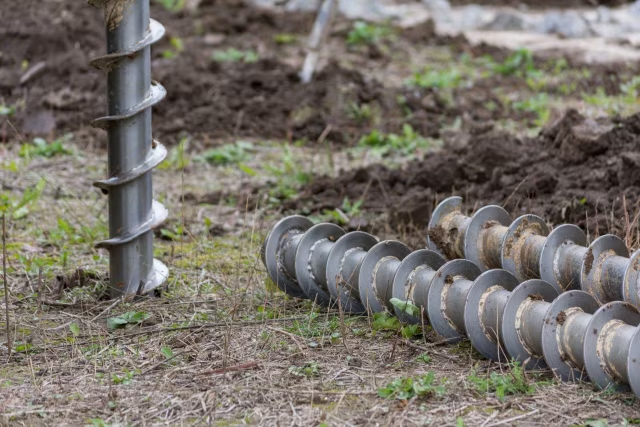
To extract heat, geothermal collectors are installed close to the surface and below the frost line, similar to an underfloor heating system. This frost line varies by region and significantly impacts the soil depth. In practice, most geothermal collectors are installed horizontally at a depth of 1.0 to 1.5 meters below the ground surface. The most common types include surface collectors, trench collectors, spiral collectors, and basket collectors. Depending on the collector type and installation, excavation or drilling depths can reach up to five meters. When laying pipes, it is important to ensure that they are spaced properly. Otherwise, collectors will extract too much heat from the ground in some areas, potentially causing the surrounding area to freeze.
The operating principle of geothermal collectors
Geothermal collectors typically consist of plastic pipes with a diameter of two to four centimeters. The pipe diameter depends on both the soil conditions and the installation depth and should be optimally matched to the heat demand. Incorrect design will negatively impact economic efficiency and should be avoided at all costs. Regardless of the type, a brine solution circulates within the collectors, absorbing thermal energy from the ground and transferring it to a ground source heat pump.
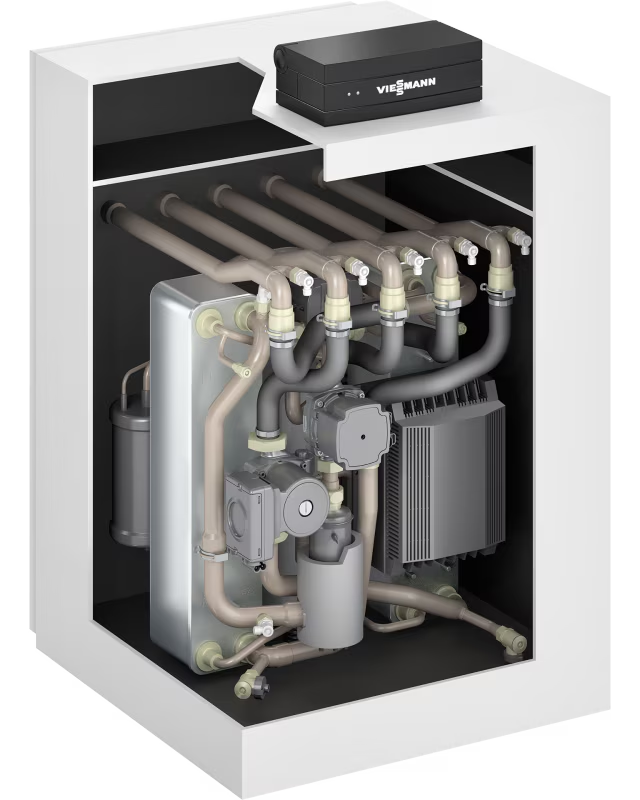
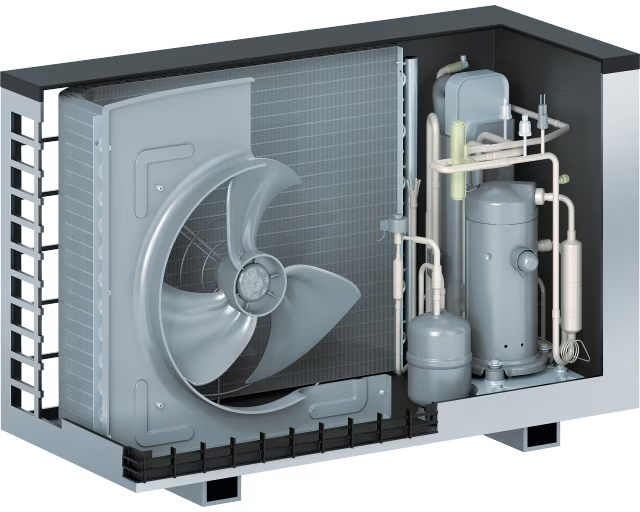
In a ground-source heat pump, the extracted heat is transferred to a refrigerant, which then evaporates. To raise the refrigerant vapor to the required temperature and use it for backup central heating or hot water heating, it is compressed by a compressor. You can learn more about this process in the article ” How a Brine/Water Heat Pump Works .”

Heat pump expert advice
Get a free, personalized consultation on our heat pumps from our qualified sales partners!
Request a consultation now →Finding suitable geothermal reservoirs
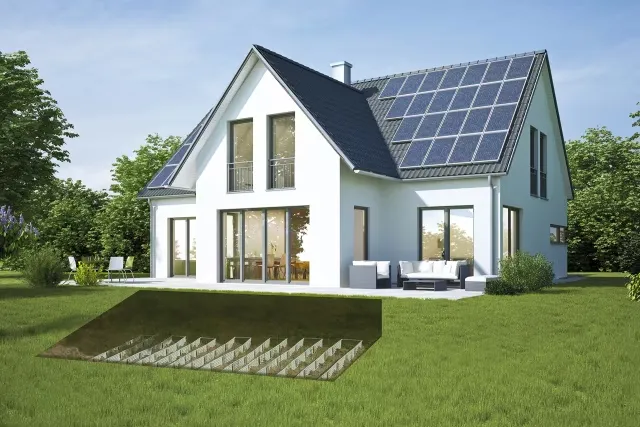
Unlike geothermal probes , installing geothermal collectors does not require permits; simply notifying local authorities is sufficient. Selecting suitable collectors requires considering several factors in advance. These include installation techniques and soil conditions.
In practice, geothermal collectors are often installed horizontally, similar to underfloor heating. However, this technology requires a large area. The required free space largely depends on the heating requirements. However, as a general rule, the collector area should be one and a half to two times larger than the area being heated. If space is limited, vertical installation is possible, for example, with a trench collector or a geothermal basket collector. It is important to consider the maximum depth, as this can lead to groundwater infiltration if the distance to the groundwater table is short.
Soil type also plays a crucial role when selecting suitable geothermal collectors. A distinction is made between wet and dry soils, with the latter yielding significantly more thermal energy. In any case, it’s important to ensure that the collector area isn’t filled in or even built up. If this happens, the soil will no longer be able to regenerate under the influence of sunlight and warm rain, resulting in reduced heat output.
Advantages of geothermal collectors for brine/water heat pumps
Geothermal collectors are considered a good alternative to geothermal probes because they don’t require official permission for operation. They also have a number of other advantages. The most important of these are:
Almost constant warmth all year round
Suitable for operation in monophonic mode
Can be combined with solar thermal systems
Safe and durable operation