MENU

If a room feels too cold, most people reach for the white thermostatic knob on their radiator and turn it up, or more accurately, to the left. If the temperature seems too high, they turn the same thermostatic knob to the right. For most, this is the classic way to properly adjust the thermostat. But what exactly happens when you turn the thermostatic knob? And is there another way to achieve a comfortable temperature?


Thermostat function in detail

When talking about a thermostat, most people think of the analog, mechanical model. Essentially, it consists of three parts:

  • Thermostatic head: The visible body that contains the numbers for setting the thermostat.
  • Temperature sensor: This is usually a liquid whose volume changes depending on the room temperature.
  • Thermostatic valve: An adjustment pin located between the radiator and the thermostat.

When the thermostat opens, the control pin retracts. This causes more heating water to flow from the heating pipe into the radiator, resulting in a higher temperature. Conversely, when less heating water flows into the radiator, heating of the room gradually decreases.


Thermostat sensor and its function

So, the job of a thermostatic valve or control pin is clear: it regulates the flow of heating water from the heating pipe to the radiator. But what does the temperature sensor do?

As the name suggests, the temperature sensor measures the room temperature and reacts to it. Therefore, when the thermostat is opened, the room doesn’t heat up continuously, but rather reaches a predetermined temperature, such as 20 degrees Celsius. The temperature in the room is determined by the occupants by adjusting the thermostatic head, which is traditionally marked with numbers from one to five.

Image

Numbers on the thermostatic head

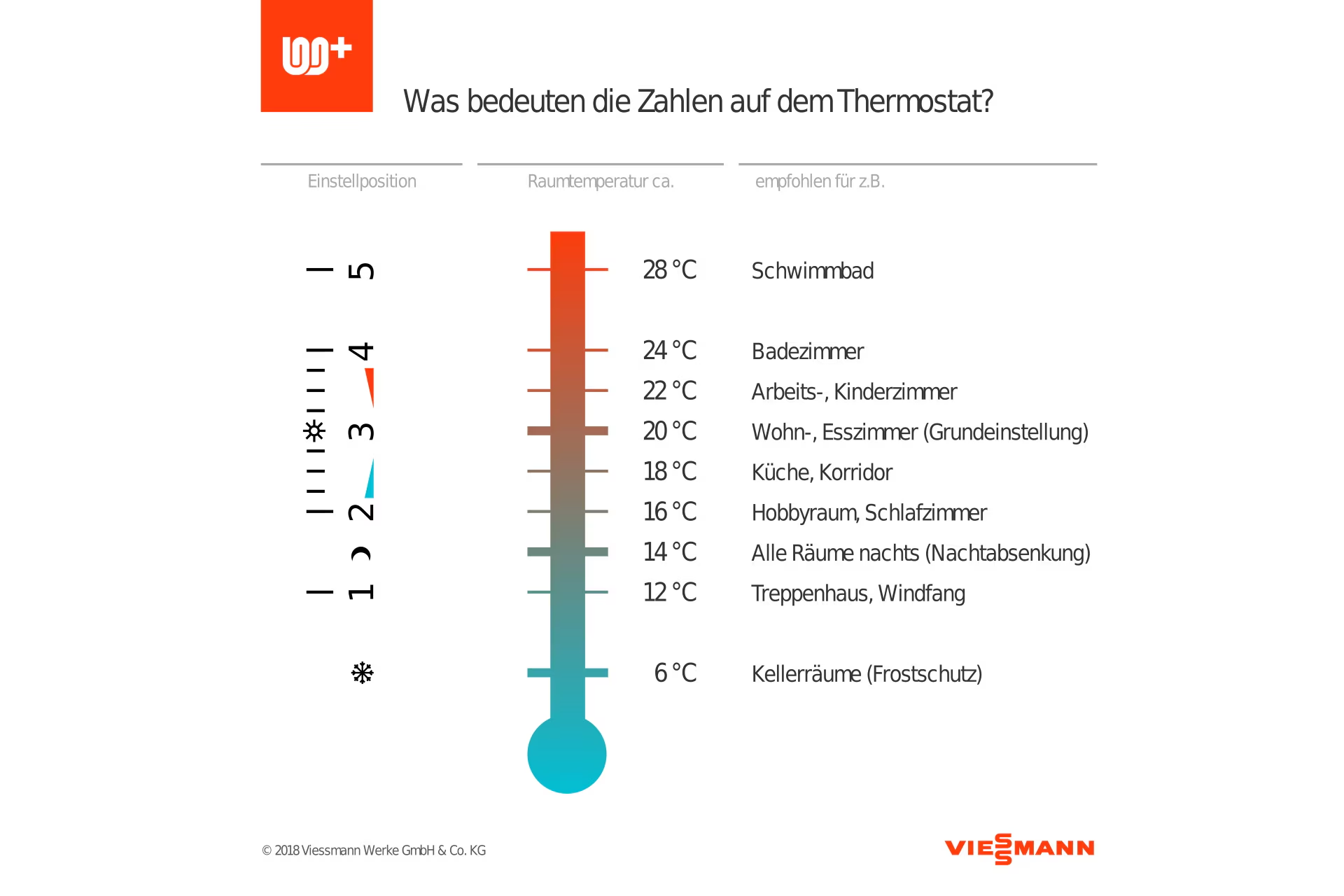
Even if the thermostatic head doesn’t display precise temperature readings, the room temperature can be easily adjusted. The numbers on it correspond to a specific temperature. This is illustrated by the infographic on the left. It also shows recommended temperatures for various living spaces and provides information on the meaning of typical symbols: the sun (standard setting), the moon (night setting), and the snowflake (frost protection). The frost protection setting isn’t used to raise the room temperature. It simply prevents water in the heating pipes from freezing and, consequently, damaging them in cold weather.

Room temperature when setting the thermostat

Proper thermostat settings also mean that each room is heated differently. After all, it shouldn’t be the same warm everywhere. There are standard values ​​that residents and homeowners can use as a guide when adjusting their heating. These include:

  • Living room: 20 to 22 degrees Celsius
  • Bedroom: 16-18 degrees Celsius
  • Hallway and kitchen: 18 degrees Celsius
  • Children’s room: 22 degrees Celsius
  • Bathroom: 23 to 24 degrees Celsius

Since the perception of warmth is subjective, everyone can, of course, decide for themselves how warm they want it. However, for economic and environmental reasons, it’s worth paying attention to the right temperature. After all, lowering the temperature by just one degree Celsius in all rooms can reduce heating costs by six percent—at least in older buildings.

Viessmann explains: Optimal room temperature

Click the play button to watch the video. Please note that when you watch the video, data will be transferred to YouTube. For more information, please see our privacy policy.

Tips: What to look out for

Typically, room temperature is easily controlled using a heater’s thermostat. However, there are steps you can take to ensure smooth temperature control and save energy.

The thermostat is set correctly, but the desired room temperature isn’t being reached. One possible cause is that the room is blocked by curtains or furniture. If heat can’t escape, it accumulates. As a result, the sensing element assumes a higher temperature and reduces the flow of heating water before the desired temperature is actually reached. Radiator niches and insufficient clearance between the windowsill and the thermostat can also affect the regulation process. The same applies to constant drafts. However, in the latter case, heating water consumption increases.

For the heating circuit pump to operate efficiently and distribute heat evenly throughout the home, the entire heating system must be properly adjusted. Hydronic balancing lays the foundation for this. Based on this, individual radiators are adjusted to ensure they receive the required amount of heating water. However, this is only possible with pre-set heating thermostats. If older models do not have this feature, replacing them will save heating energy and reduce costs.

It’s best to set radiator thermostats or individual room thermostats to the desired temperature. As described above, temperature sensors detect the room temperature, and when the desired temperature is reached, the heating water flow is reduced. If the level and temperature are set too high, the system will continue to heat, causing the room to overheat. This is often followed by the mistake of opening a door or window. This behavior of the heating system wastes precious thermal energy.

Setting up a room thermostat

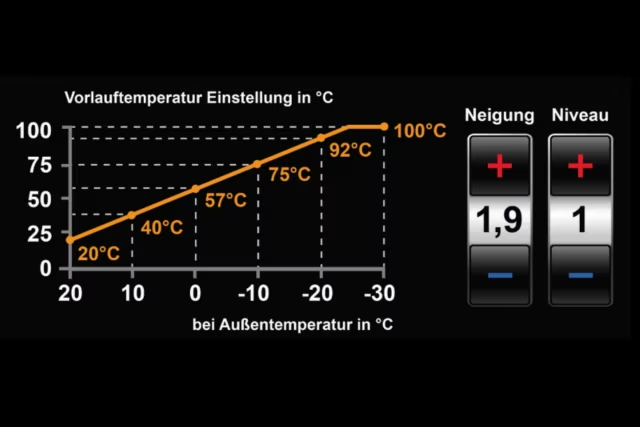
When using underfloor heating or a smart solution, you can set the temperature directly and precisely. The tips already mentioned apply here, but the following should also be considered. The correct setting depends on the room and its use. For short periods of absence, such as a workday or a weekend trip, you can lower the temperature. It’s best to base your decision on the outside temperature. A good guideline is 16 degrees Celsius. For longer absences or general settings, it’s best to consult our article ” Setting the Heating Curve Correctly – Here’s How .”

Types of thermostats

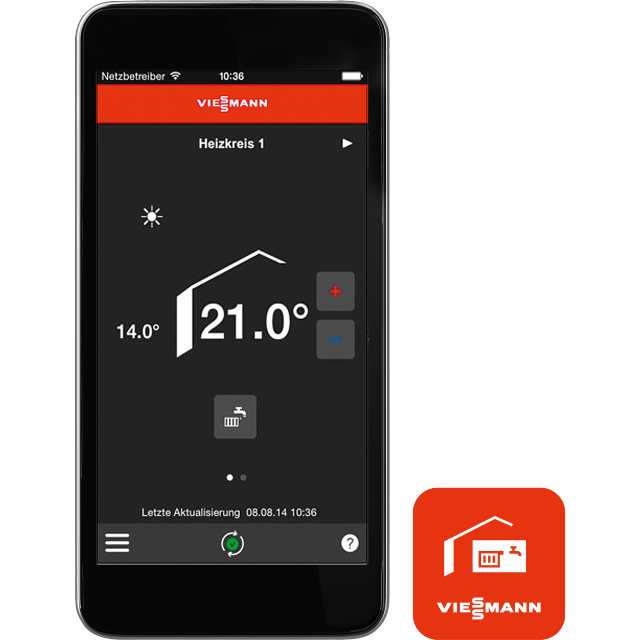
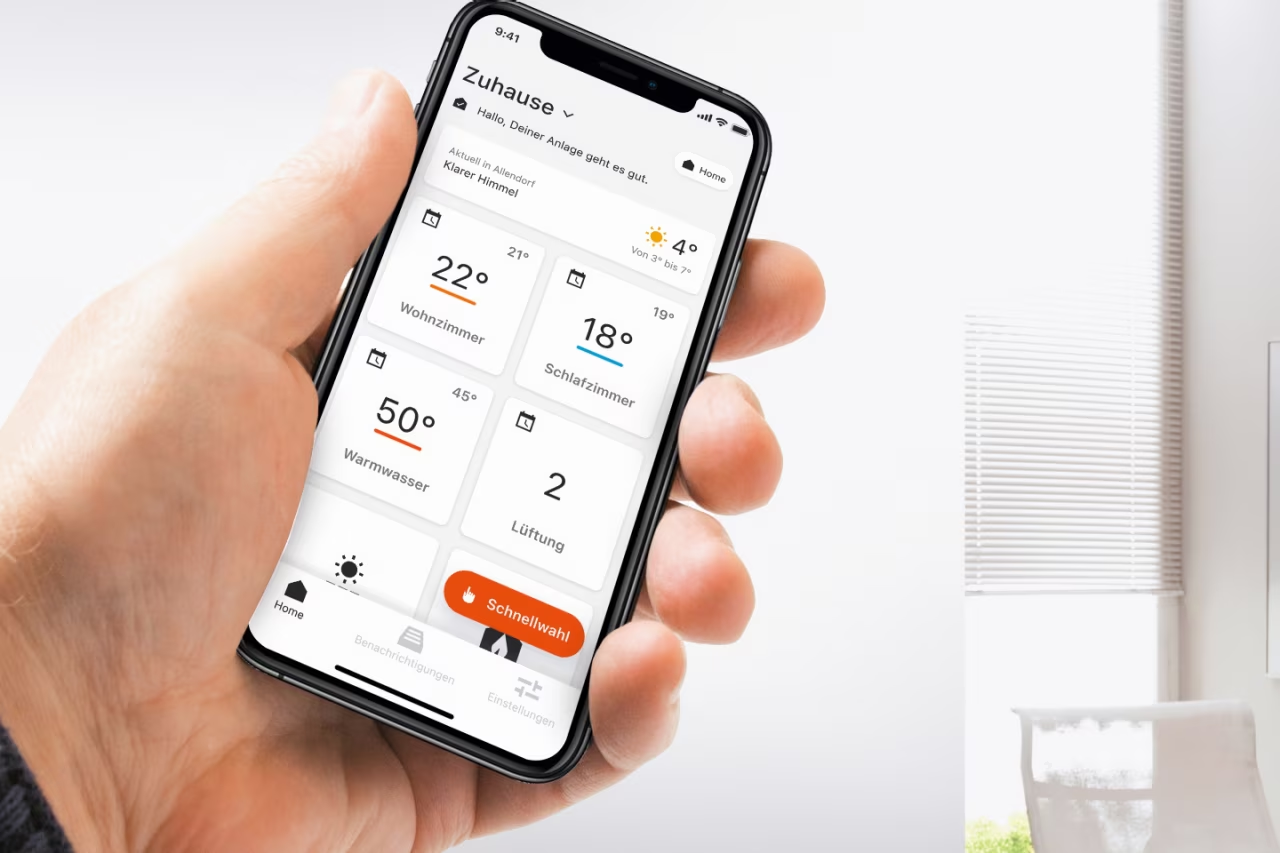
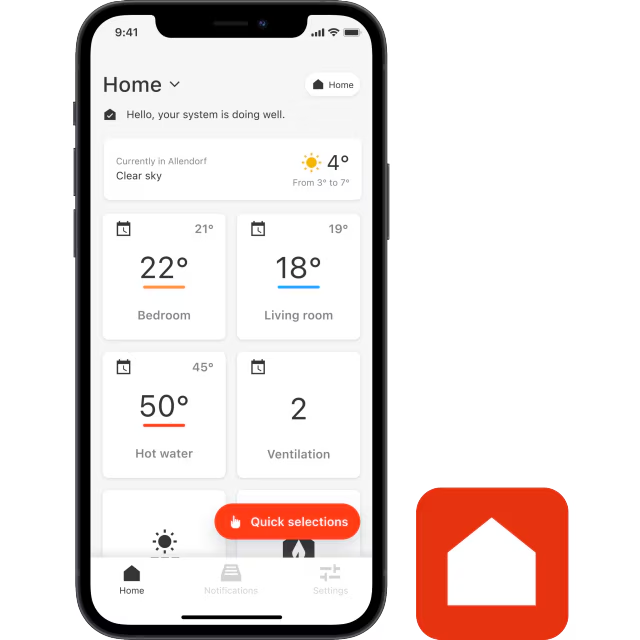
As mentioned, when most people hear the term “thermostatic head,” they think of a classic white thermostat. Modern options have been available for several years, differing primarily in their feature set. These include electric wireless thermostats and digital programmable thermostats. They allow residents to set the desired temperature without leaving the couch. Digital programmable heating thermostats can even be controlled from a smartphone or tablet using an app. This allows the room temperature to be regulated even when the residents are not present. Most of these modern thermostats can be installed without professional assistance. Anyone looking to replace outdated or even faulty analog thermostats should consider these new devices.

Important : If you live in a rental home and are replacing thermostats, the old thermostats should be left behind as they still belong to the landlord.


Room thermostat for individual room control

In addition to thermostatic radiator valves, there is also a room thermostat. This allows for individual settings for individual rooms. Individual room control, as it’s called, not only makes economic sense but is also a requirement of the Gebäudeenergiegesetz (GEG). When installing a room thermostat, it’s important to consider its location. It shouldn’t be exposed to direct sunlight or strong heat from a radiator. In this case, the room temperature it registers will be too high. Avoid locations that are too cool, otherwise the system will attempt to reach a temperature that’s too high.

Heating control unit instead of thermostat

Unlike residents, system owners have other options for setting the desired temperature. This is because modern heat generators are equipped with intelligent control systems that allow for versatile remote control. For example, the heating output can be individually adjusted to meet heating needs in just a few simple steps. Optionally, the system can even be configured for your trusted heating contractor. This allows the contractor to detect faults in the heat generator and promptly resolve them—without the system owner’s knowledge. This is made possible thanks to innovative Viessmann apps .

Ask the Experts: The Viessmann Community

Ask the Experts: The Viessmann Community

Do you have questions about setting up your thermostat?

Ask a question
The only TÜV-certified building energy performance test

The only TÜV-certified building energy performance test

Heating systems

Other Viessmann guides and tips

Heating with wood

Heating with wood

Read more
Adjusting the heating curve and saving energy

Adjusting the heating curve and saving energy

Read more
Heating check

Heating check

Check your heating now and start winter with peace of mind tips on how to check your heating before the winter season.

Read more