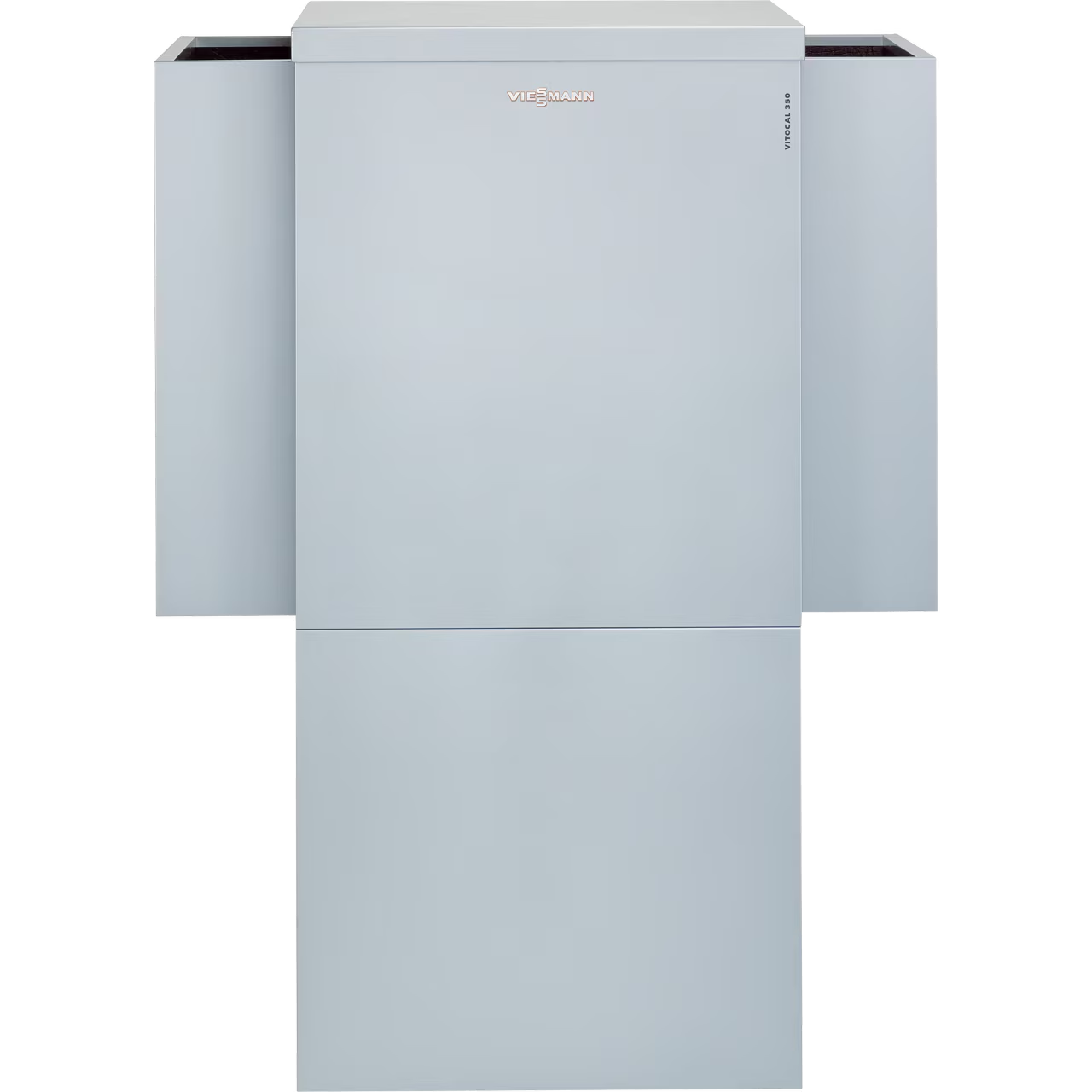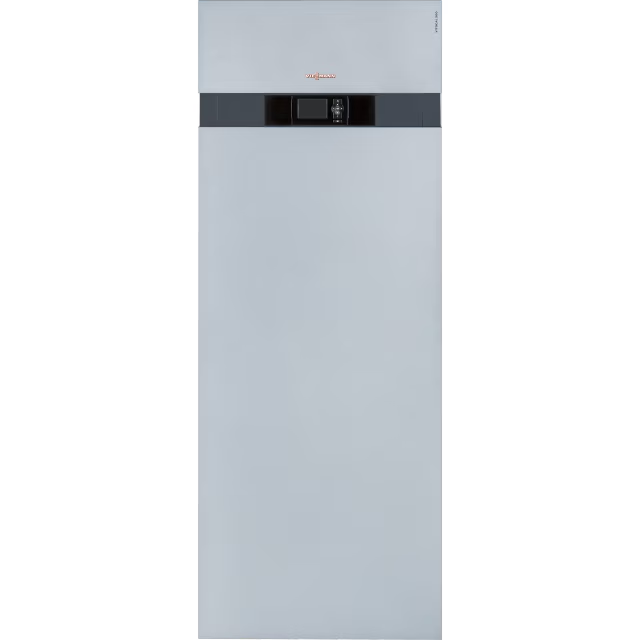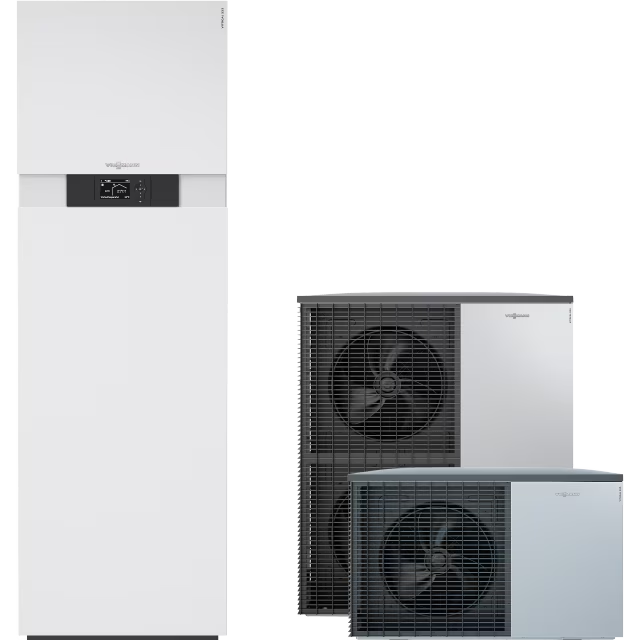

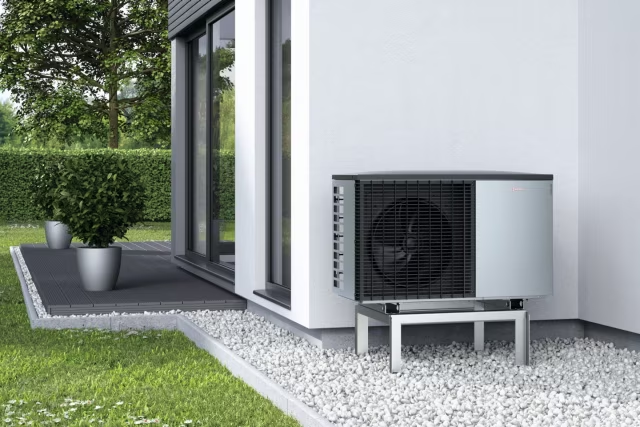
Vitocal 250-A
Heat Pumps
- Rated heat output: 2.6 - 13.4 kW
- Particularly efficient, sustainable operation
- Specially designed for modernization
- Cooling function
Air source heat pumps - air as a heat source
Air-source heat pumps are one of the most common heating systems in Germany. Homeowners who choose to use air-source heat pumps can take advantage of attractive government subsidies
Get a free, personalized consultation on our heat pumps from our qualified sales partners!
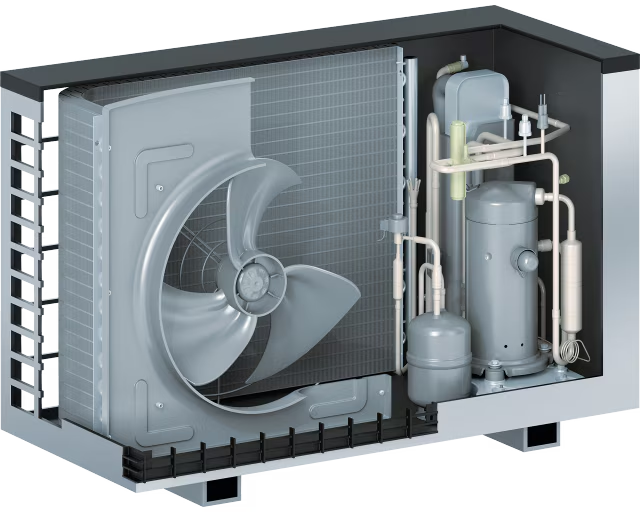
Request a consultation now →How a heat pump generates thermal energy using air can be illustrated using a refrigerator as an example. While a refrigerator expels warm air outside, an air-source heat pump brings heat from the surrounding air into the room. Specifically, a fan actively draws in ambient air and transfers it to an air-to-air heat exchanger (evaporator) built into the heat pump. A refrigerant circulates within it, changing its physical state at low temperatures and evaporating. To raise the refrigerant vapor to a level suitable for heating and hot water, it is compressed using a compressor. A detailed description of this process can be found in the section on how an air-source heat pump works.
Air-source heat pumps are among the most commonly used heat pumps. This is due not only to their relatively low investment costs but also to their wide range of installation options.
In a monoblock design, all components used to generate heat are located within the heat pump. Since the connecting pipes between the indoor and outdoor units are filled only with water, these units can be commissioned quickly and easily. The contractor performing the work does not need refrigerant certification to perform the work. And since most units operate very quietly, they can be installed close to the living space.
Since older buildings vary greatly depending on their age and history, the types and scope of work required vary. Proper placement and operation of a new heating system in an older building may require upgrading the rooms, flue system, chimney, and insulation. Only a heating system installation specialist can provide precise information after a thorough inspection.
Vitocal 222-S: Air-source heat pump with one outdoor unit
The benefits of air-source heat pumps vary depending on the perspective. To better categorize these pumps, it’s helpful to distinguish between their basic and more specific advantages.
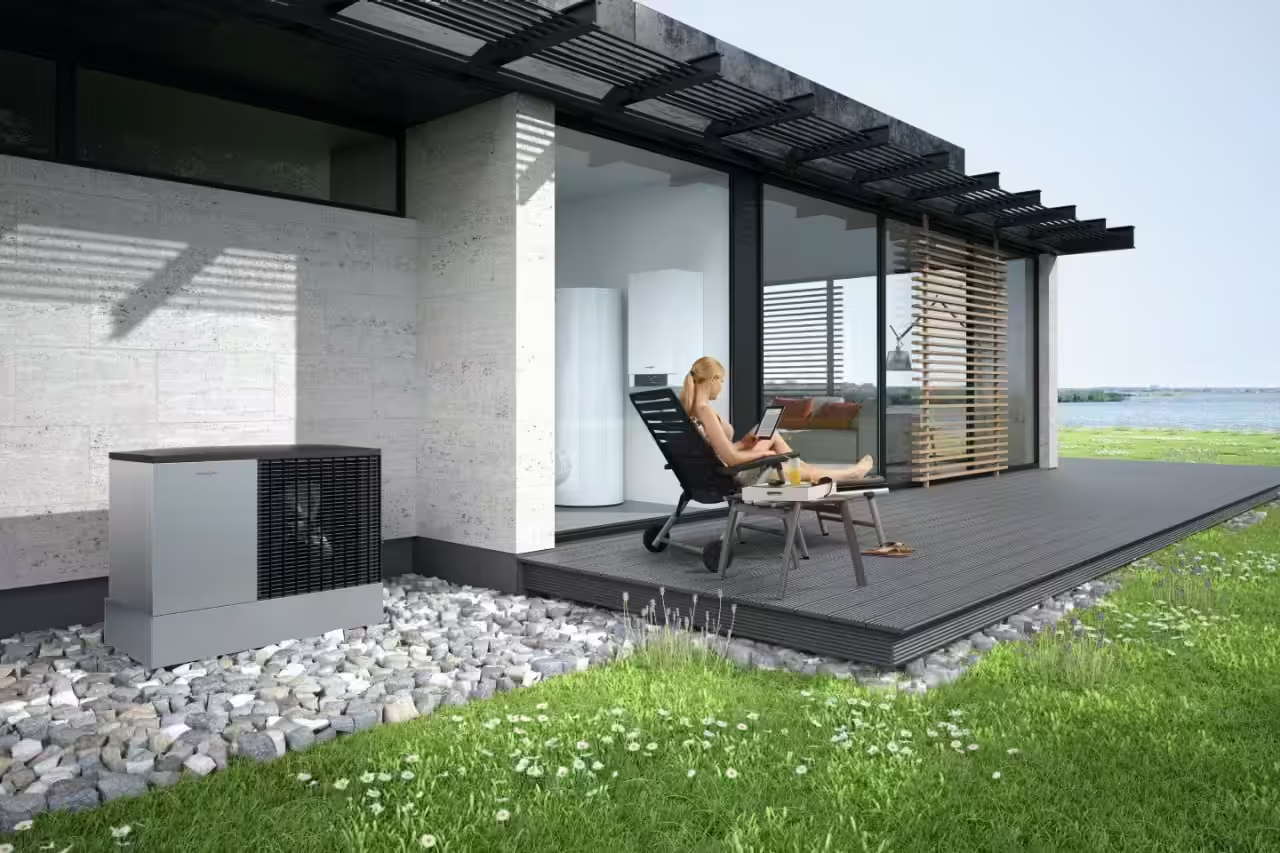
Compared to brine or water-to-water heat pumps, the investment costs for an air-source heat pump are relatively low. One reason for this is the way the heat source is utilized. Unlike a brine/water heat pump, neither excavation nor deep drilling is required. Instead, the outdoor unit of an air-source heat pump offers flexible installation. It can be installed on a foundation or on a wall and extracts heat from the outside air. Its footprint is approximately one square meter, depending on the model.
Designing an air-source heat pump is straightforward, as only the appropriate heating output and noise protection are required. Unlike brine or water/water heat pumps, no official permit is required. A sound calculator can help estimate sound propagation.
Modern Viessmann air-source heat pumps operate extremely quietly, virtually inaudibly. Achieving this goal required years of intensive research and development. Viessmann heat pumps feature an advanced acoustic design, with all components engineered to minimize noise. Low-frequency noise, which is often perceived as particularly annoying, has been reduced to a minimum.
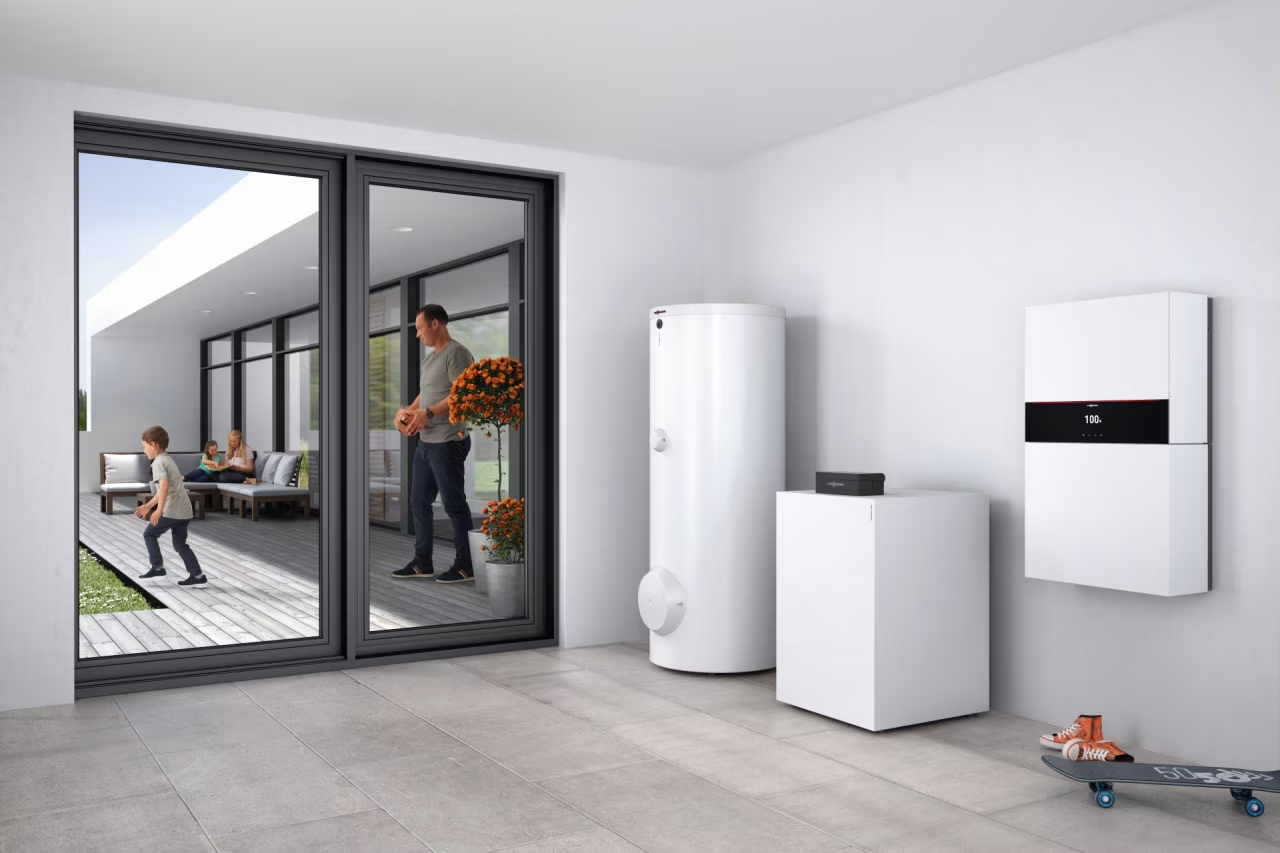
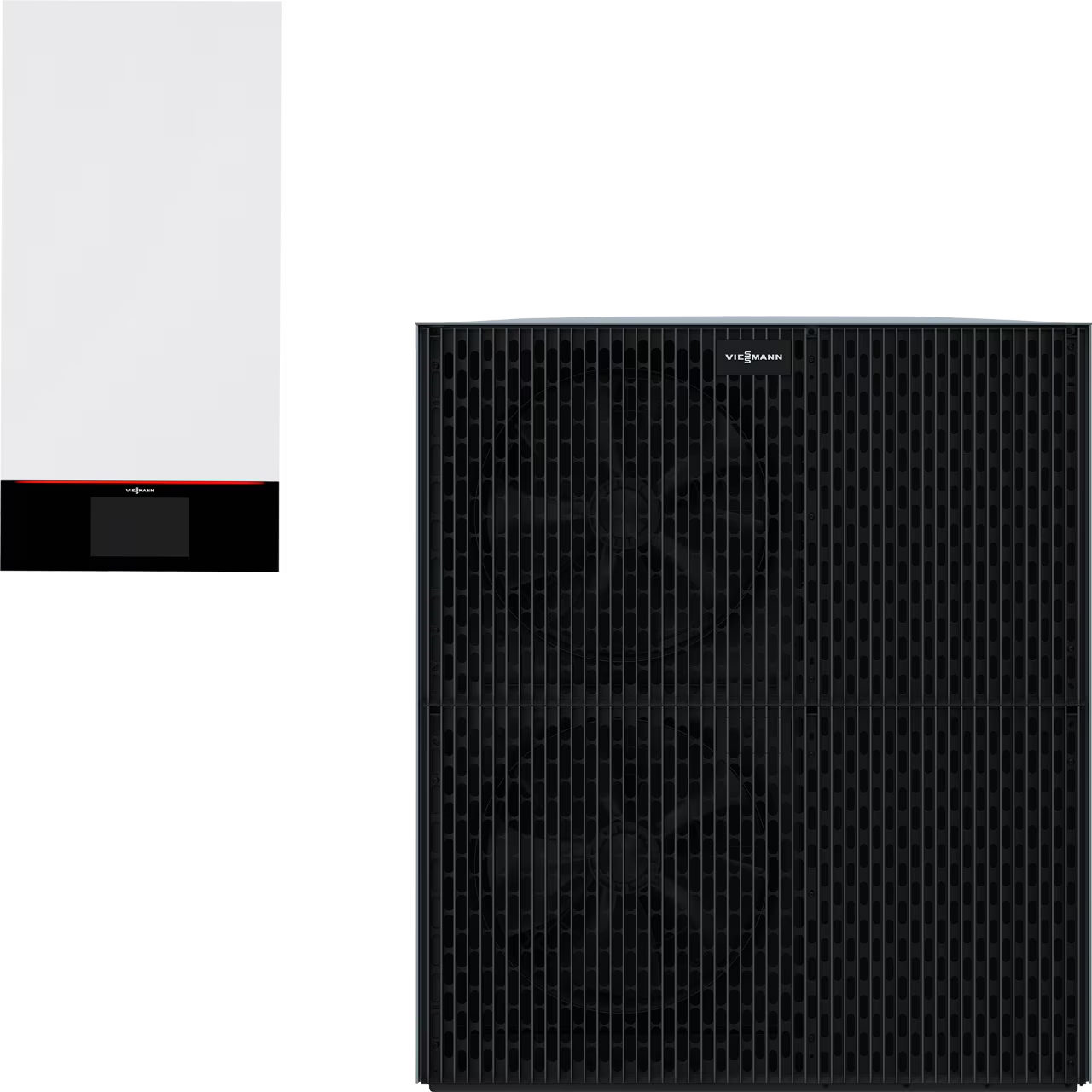
Another advantage of an air-source heat pump is its ease of installation. Depending on the model, it can be installed either entirely indoors or outdoors. If space is limited, a split version is the optimal solution. Here, the unit is divided into indoor and outdoor units, with most components, such as the fan, evaporator, and compressor, located in the outdoor unit. The indoor unit contains only the condenser and hydraulic components, as well as the control unit. Due to their ease of installation, air-source heat pumps are ideal for retrofit projects.
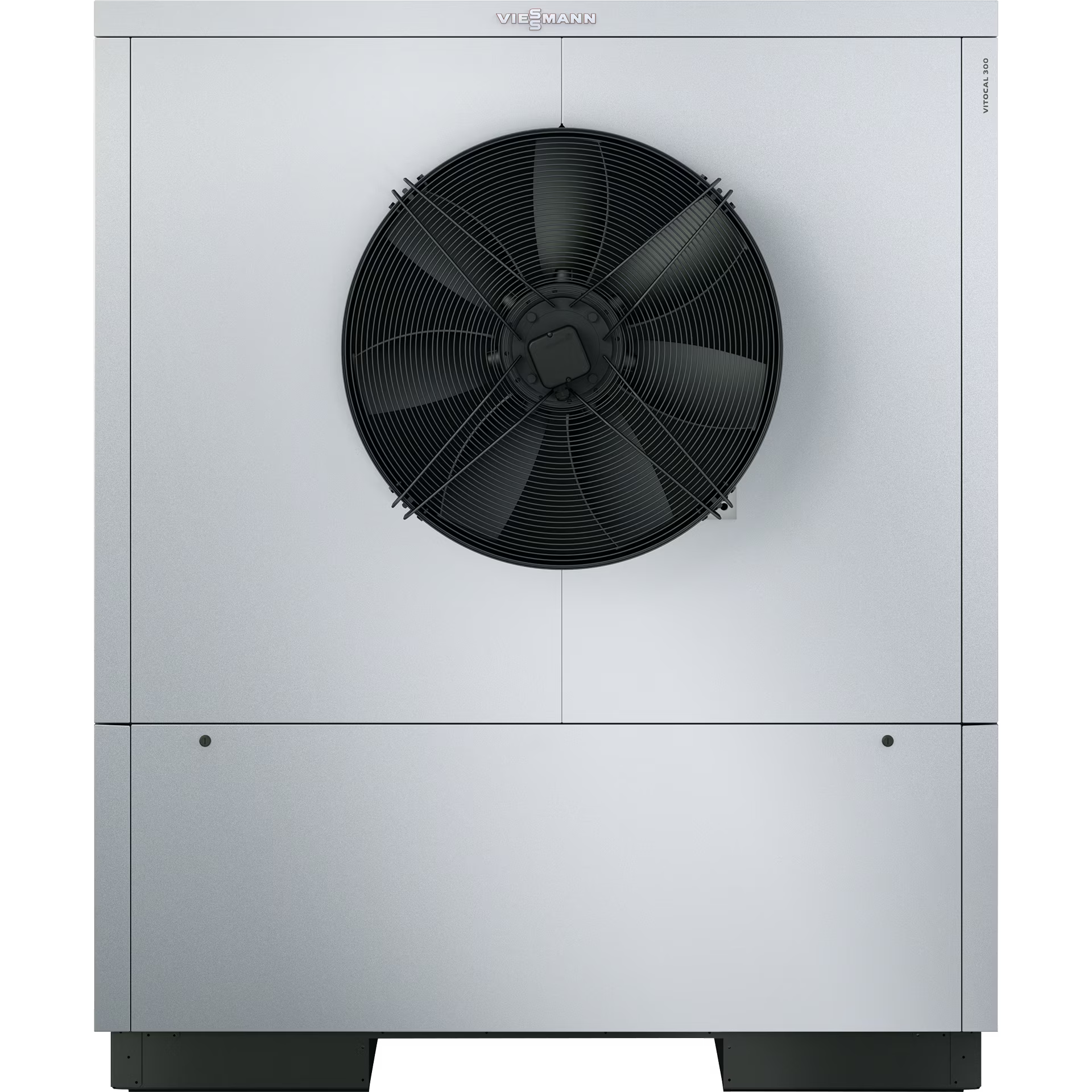
The figure shows the outdoor unit of the heat pump
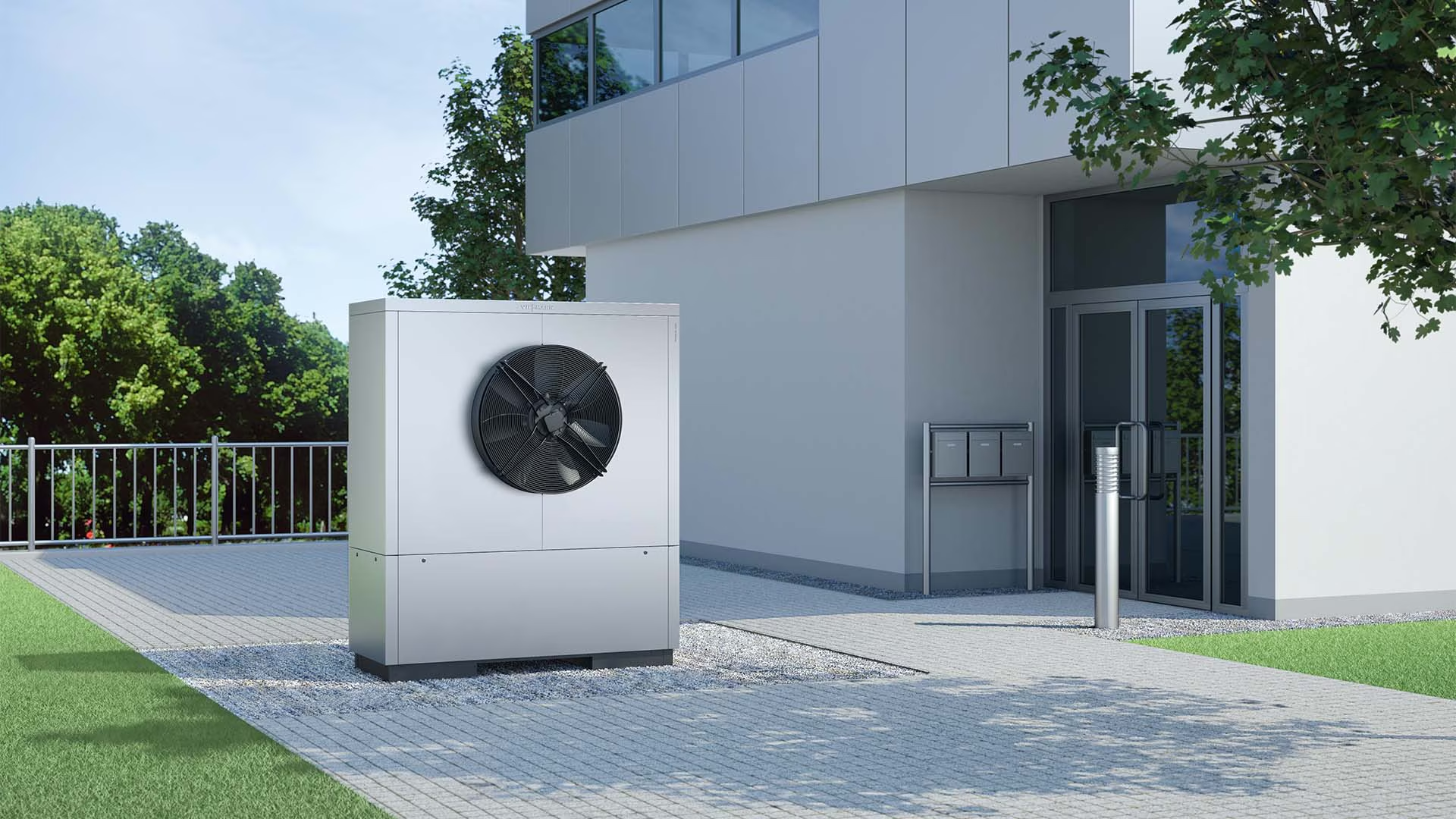
Vitocal 300-A: heat pump outdoor unit
Besides being environmentally responsible, one of the advantages of an air-source heat pump is its quick and easy deployment, especially in local government and commercial applications. For example, the Vitocal 300-A offers a nominal heating output of up to 47.2 kilowatts for local government applications. It was designed with noise characteristics in mind. When connected in a cascade of five units, it achieves an output of up to 236 kilowatts.
The Vitocal 250-A and 252-A air source heat pumps are particularly suitable for modernization projects, while the Vitocal 200-A air source heat pump is ideal for new construction. Compared to a brine/water system, the investment in an air source heat pump is lower, as it eliminates the need for installing a geothermal collector or drilling holes for geothermal probes. The heat pumps can be installed both indoors and outdoors. Outdoor installation is a particularly compact solution; only the control unit is wall-mounted in the home.