
Topics at a glance
Just one hour of sunlight is enough to completely cover humanity’s annual energy needs. With a solar system from AHI Carrier, you can harness this free and inexhaustible energy source in your own home.
While solar thermal collectors convert incoming radiation into heat, solar photovoltaic modules generate electricity. But how does a solar system work? What are the differences between photovoltaic and solar thermal energy, and how can both systems be best integrated into a home?
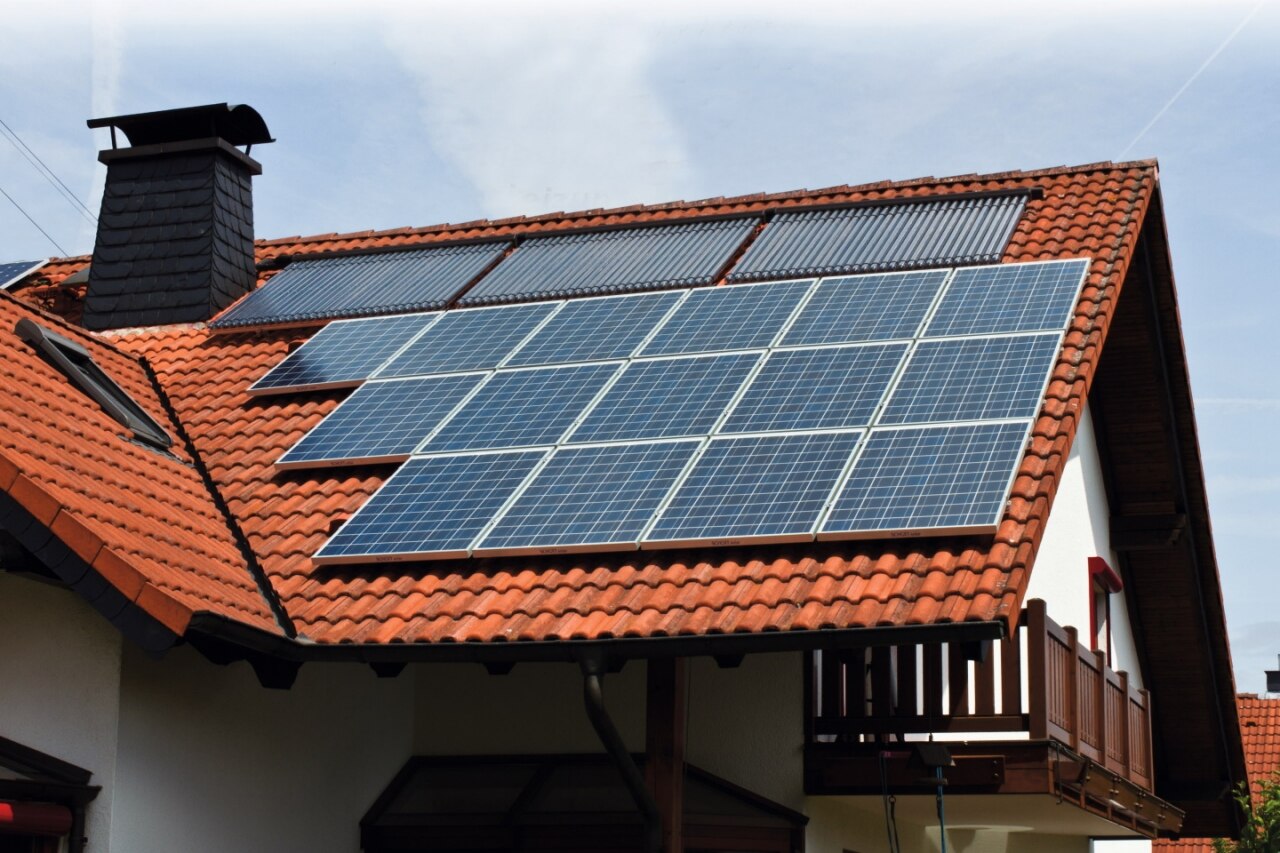
AHI Carrier Vitosol panels
What types of solar systems are there?
66 percent of homeowners would also like to use renewable energy sources when replacing their heating system, according to a study published by the German Solar Industry Association (BSW) in early 2019. AHI Carrier solar systems offer a wide range of options to achieve this goal, including solar thermal and photovoltaic systems.
A solar thermal system converts radiant energy into heat.
AHI Carrier’s solar thermal system utilizes the sun’s free radiation to generate heat for domestic hot water and space heating. This requires solar collectors, a solar cylinder, and a network of pipes connecting all components.
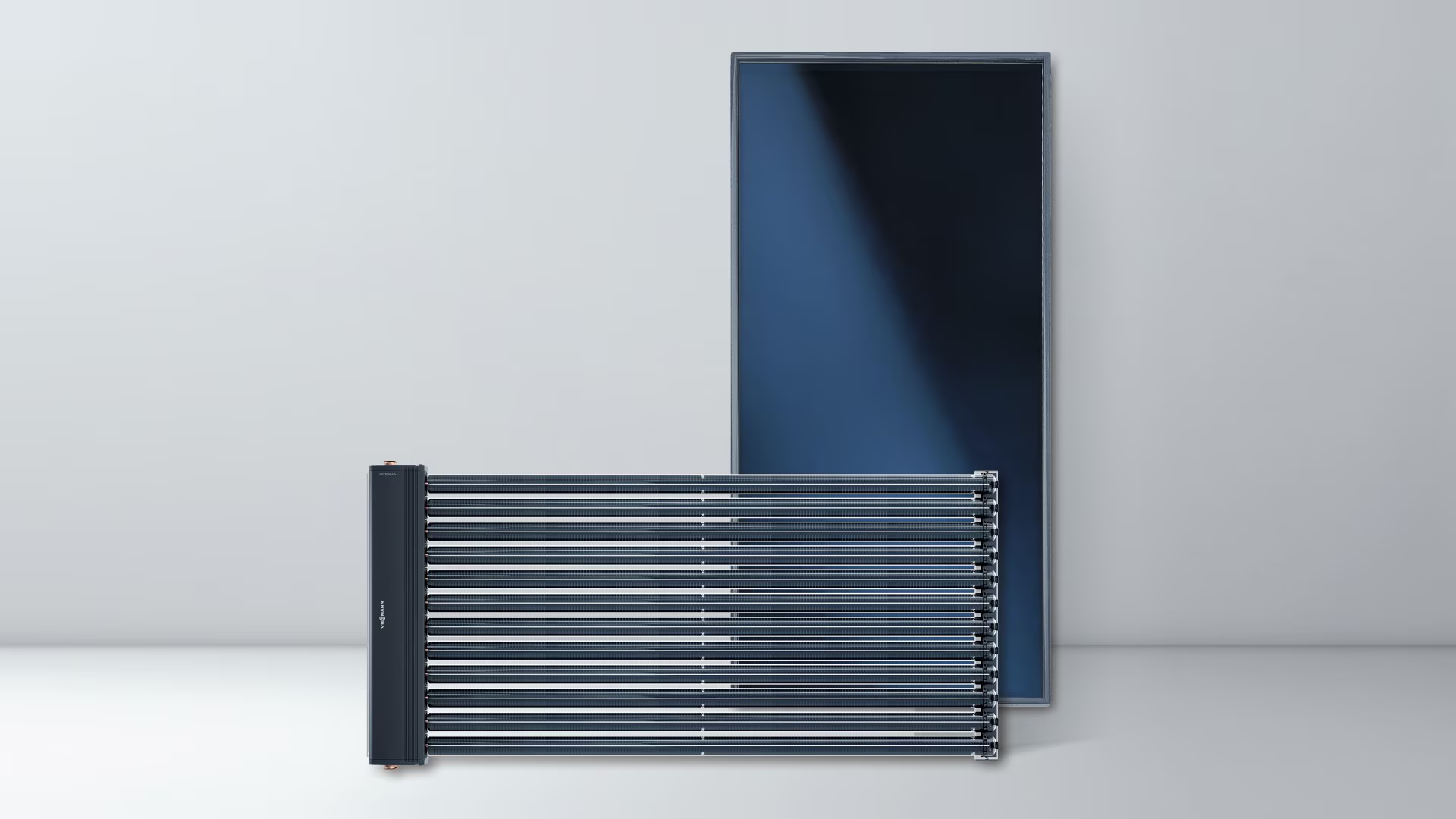
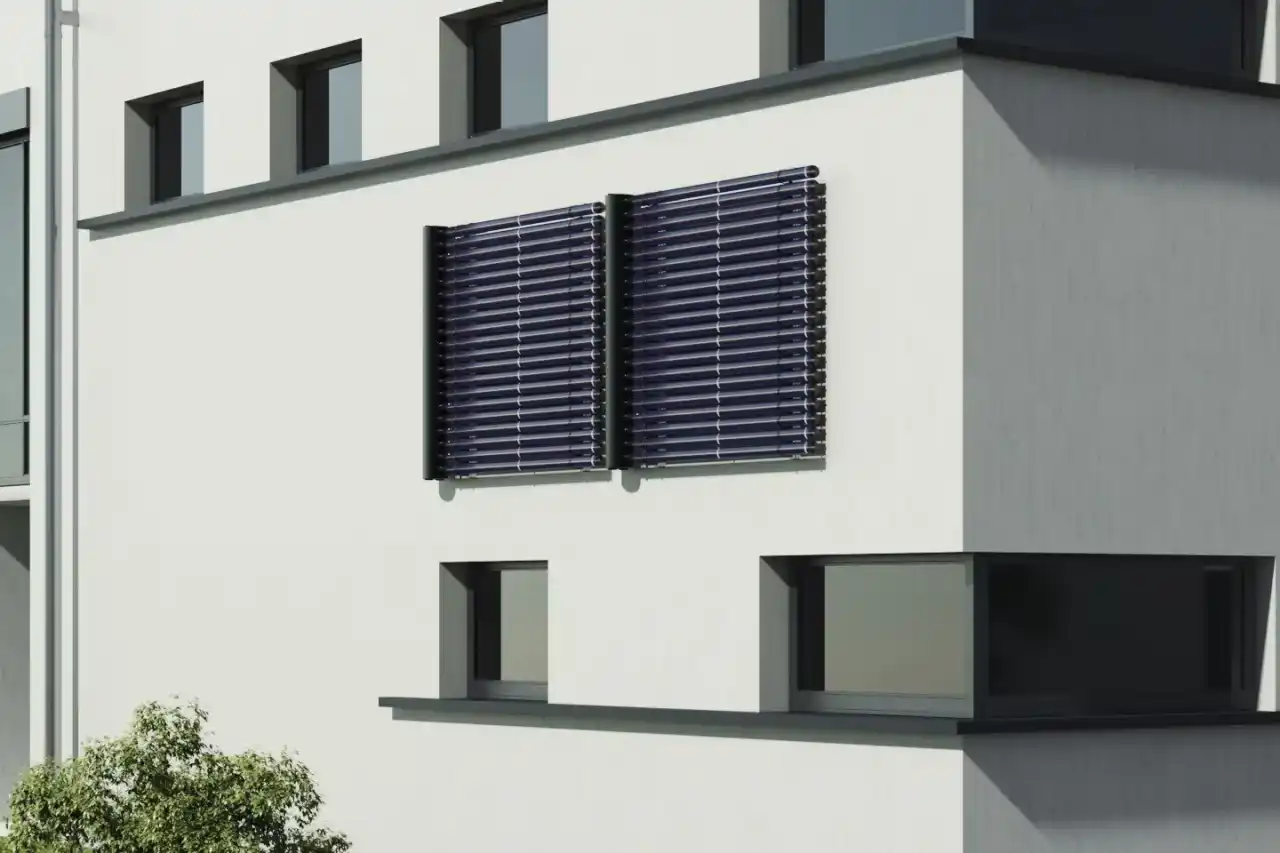
Solar collectors in a solar thermal system perform the most critical function, absorbing solar radiation, converting it into thermal energy, and transferring it to the solar environment. You can choose between flat-plate collectors, such as the Vitosol 200-FM , or evacuated tube collectors, such as the Vitosol 200-TM. Evacuated tube collectors provide maximum efficiency over the smallest surfaces.
Depending on the type of solar thermal system, a pump delivers heated solar fluid through a heat exchanger to a DHW cylinder or a heating water buffer tank. DHW cylinders, such as the Vitocell 100-B/-W from AHI Carrier, are used when the solar thermal system’s function is to heat domestic hot water. If the system is also intended to provide space heating, it can be combined with, for example, the Vitocell 360-M , a multi-mode heating water buffer tank with integrated collector connection. Both systems absorb the solar system’s thermal energy and store it until hot water or space heating is required. Optimally coordinated complete solutions, such as the AHI Carrier Vitosol 141-FM solar DHW package , ensure maximum efficiency.
Photovoltaics generate electricity from solar radiation
A photovoltaic system operates differently from a solar thermal system. This is because photovoltaic systems convert solar radiation into electrical energy. To achieve this, in addition to solar panels or solar modules, the system includes an inverter and additional energy storage.
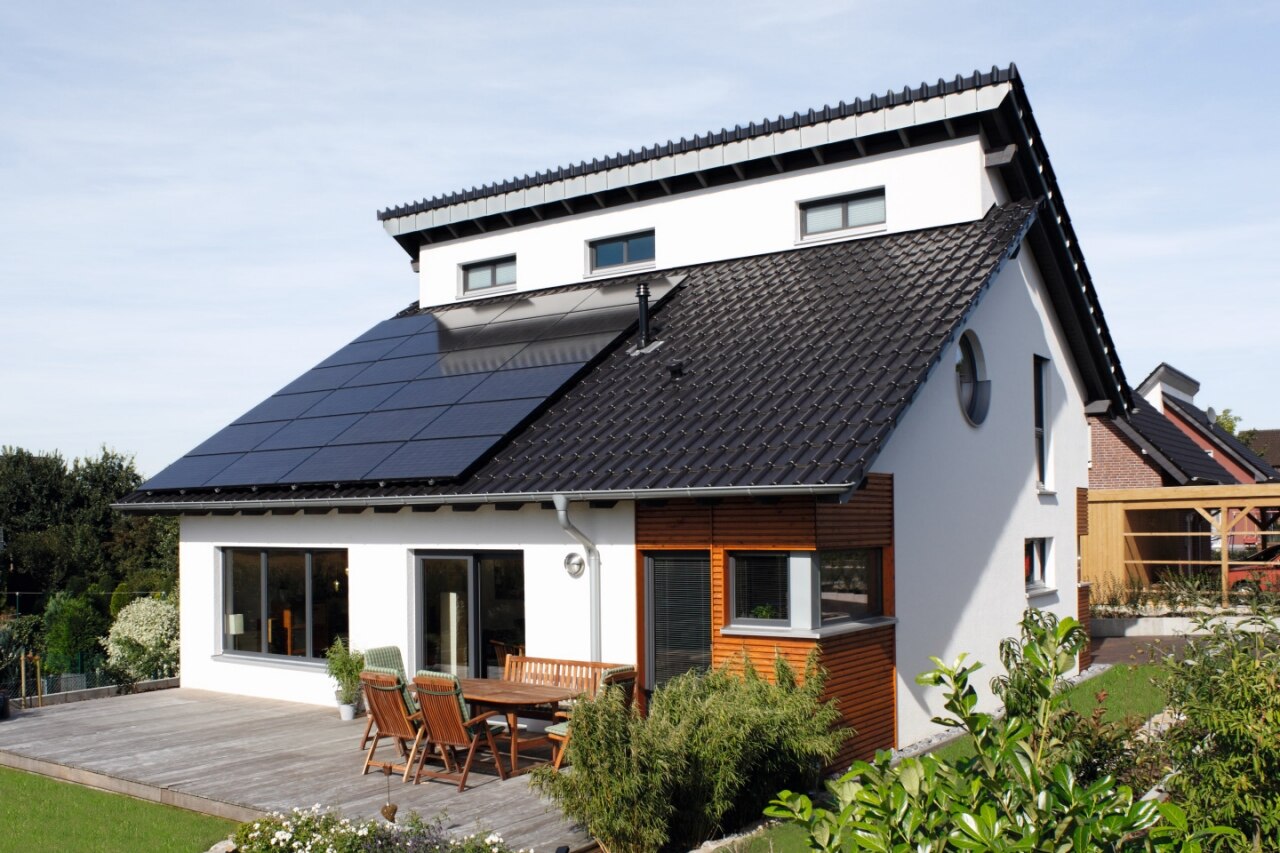
Solar panels, like the AHI Carrier Vitovolt 300 solar PV system, consist of multiple solar cells. They use the photoelectric effect to convert radiant energy into direct current (DC). An inverter then generates alternating current (AC). This is necessary for using the electricity in the home or exporting it to the public grid. While solar systems were once designed more for the latter, self-consumption is now more cost-effective. This is because homeowners need to purchase less electricity from the grid, thus saving more on energy costs. However, electricity is almost always needed at times when the solar PV system isn’t producing it, such as in the evening or at night. Using an energy storage system like the AHI Carrier Vitocharge can mitigate this shift. With a battery system, solar energy collected during the day will also be available at night. This helps make you self-sufficient and significantly reduces your energy bills.
Who is the AHI Carrier solar system suitable for?
Using photovoltaics and solar thermal energy is always beneficial when solar collectors and rooftop solar modules can collect a lot of energy. This requires:
- Sufficient space for collectors and solar panels
- south-facing roof for solar system
- Roof surface with a slope of 30 to 40 degrees
- Trees, houses or mountains that do not cast a shadow on the house.
Even if your roof doesn’t meet all the requirements, a AHI Carrier solar system can still be beneficial. Using a scaffolding system, you can tilt the collectors and solar modules to the optimal angle. If the roof faces east or west, the collector and module surfaces must be larger. Otherwise, yields will be significantly lower than with a south-facing roof.
Improving economic efficiency through self-consumption
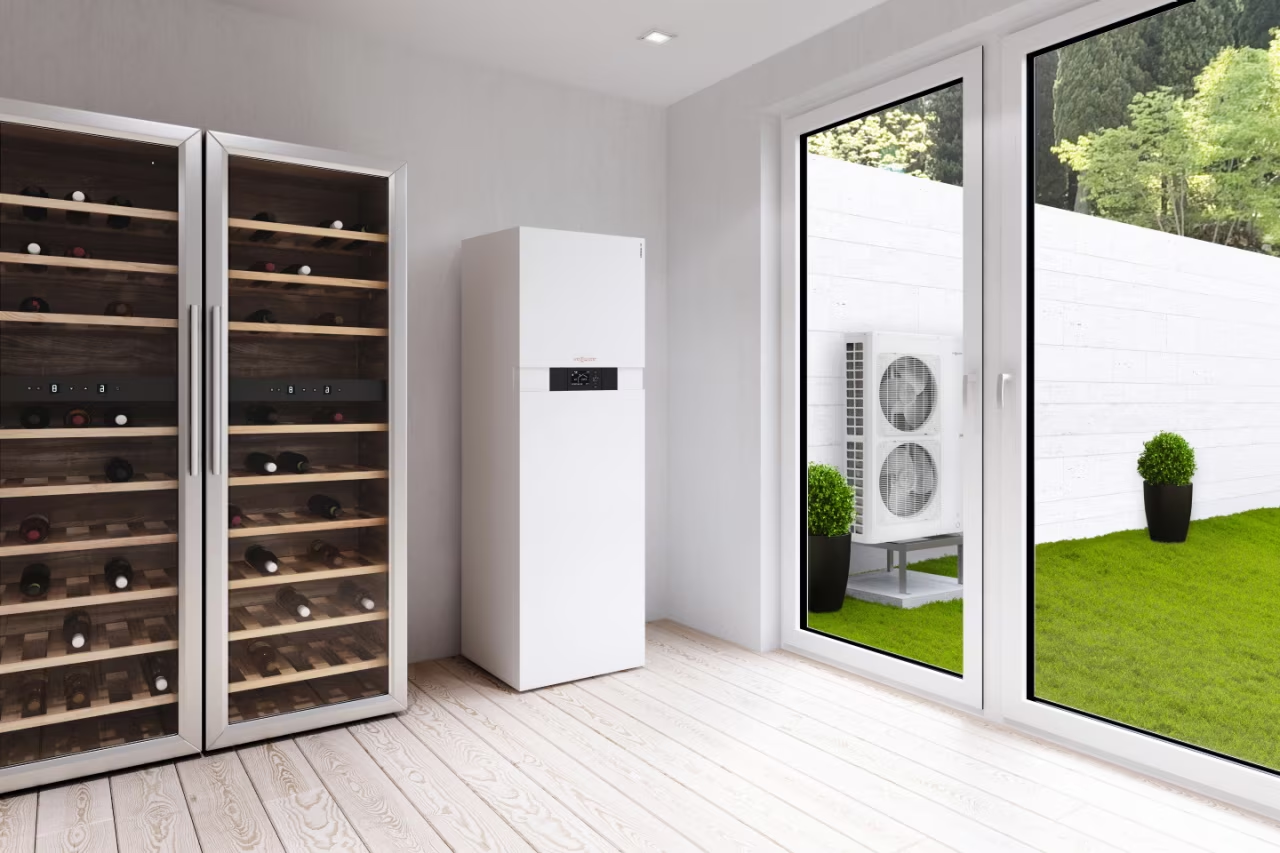
The AHI Carrier energy storage system increases the self-consumption of self-generated electricity, thereby increasing the efficiency of the photovoltaic system. The system charges the energy storage system when your home doesn’t need electricity. This energy is then used as needed, for example, to power electrical appliances. If the energy storage system is fully charged and no consumers are connected, excess energy is exported to the grid and billed accordingly.
What are the benefits of AHI Carrier solar systems?
Once installed, a AHI Carrier solar system will generate electricity or heat without any fuel costs. It reduces energy costs and eliminates environmentally harmful flue gases. Another benefit: a solar system on a home increases self-sufficiency. Homeowners are increasingly becoming self-sufficient in their own energy. Rising prices for electricity and other fuels are becoming less of a concern. Issues such as fluctuations in power output due to weather conditions can also be mitigated with energy storage systems from AHI Carrier. These systems provide free solar energy even when the sun isn’t shining. Furthermore, optimal planning helps maximize yields even in unfavorable conditions.
Advantages at a glance
Photovoltaic and solar thermal systems use renewable energy sources
Solar technology eliminates all fuel costs
Solar energy is provided free of charge.
No CO₂ emissions or other pollutants
Solar panels and collectors are durable and maintenance-free.
Energy storage makes solar energy available even at night
Reduced heating and energy costs
Increasing energy independence
State support for procurement using subsidies
Product range
Solar thermal energy
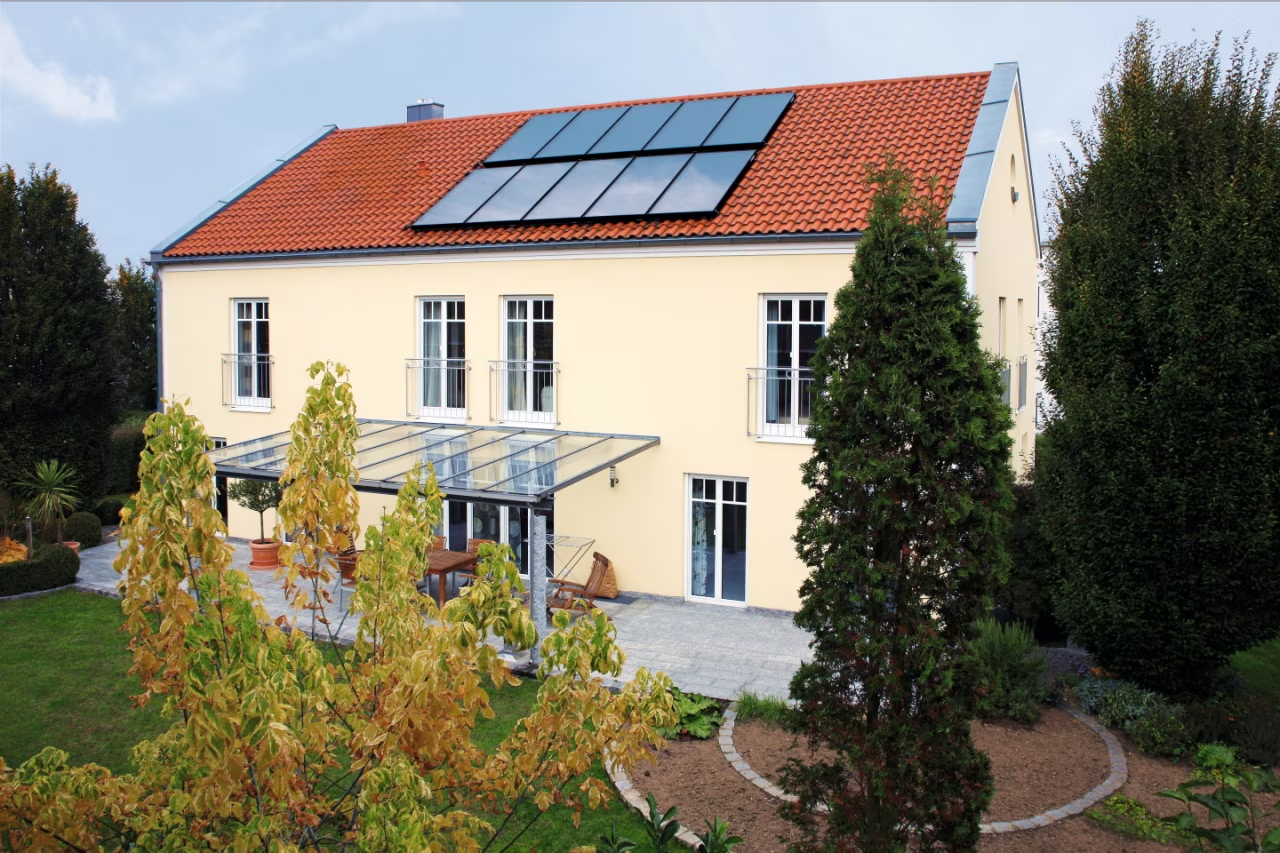
Flat plate collectors
Product Information - Flat Plate Collectors ›Photovoltaics
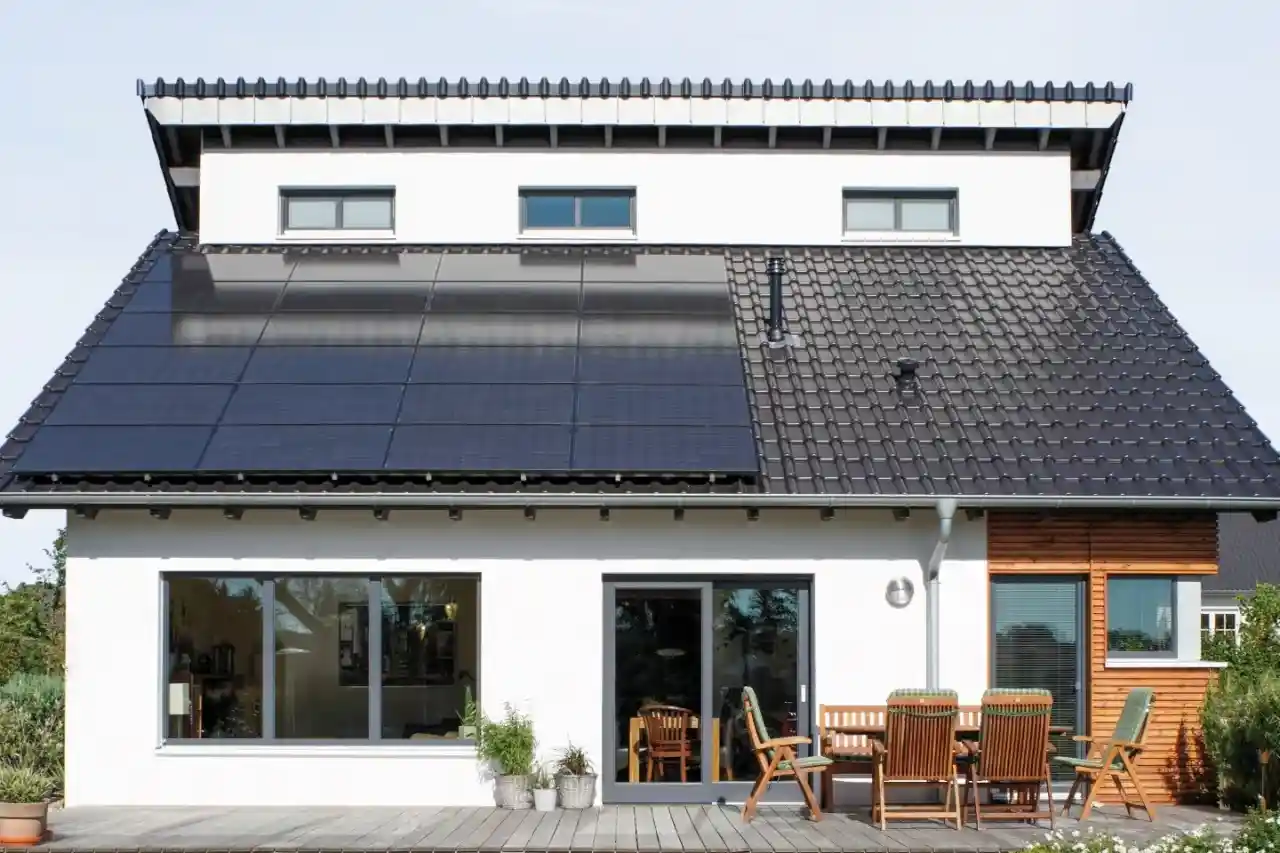
Photovoltaic modules
Photovoltaic modules ›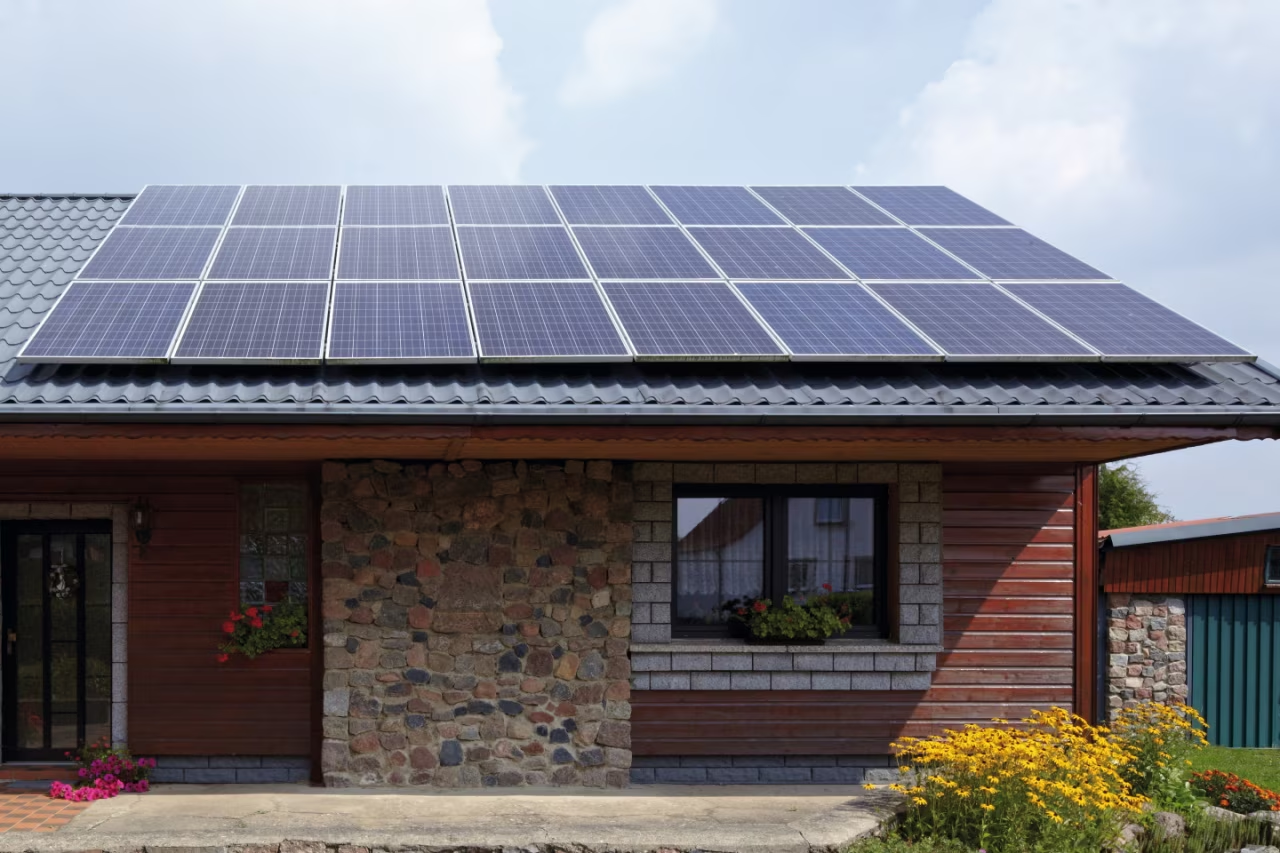
Energy storage systems
Product Information ›Product Information