MENU

Efficient heating using a renewable fuel—a wood chip heating system makes it possible. Burning sawdust only releases as much CO₂ as the trees absorbed during their growth. This is why wood chip heating is considered climate neutral. Furthermore, under the right conditions, heating with sawdust is very efficient. Find out what it is, the advantages of this heating system, and how you can reduce your purchase costs with government subsidies.

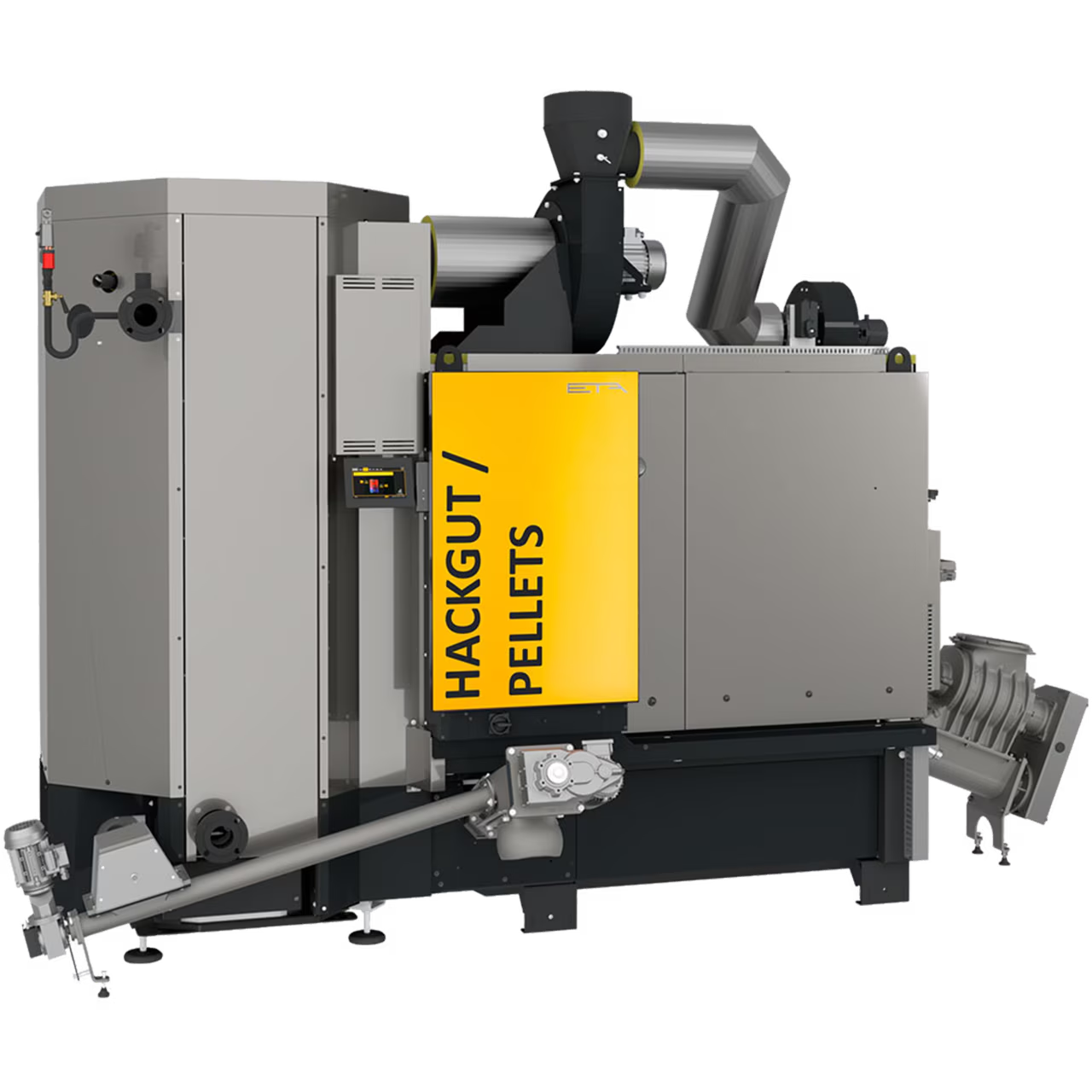
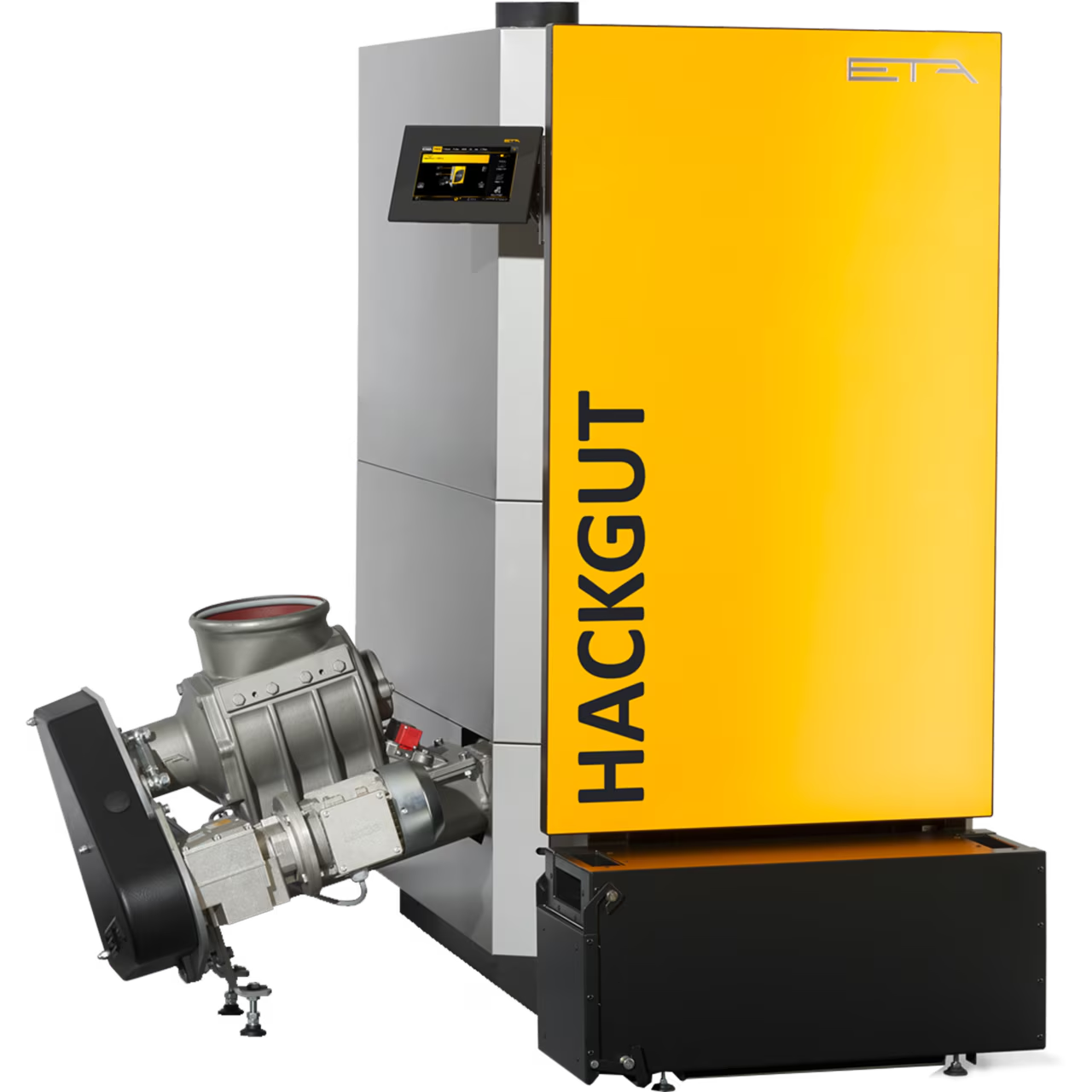
Functions and design of sawdust heating systems

Essentially, a wood chip heating system consists of the following components:

  • Boiler
  • Fuel depot
  • Transport system
  • Buffer cylinder
  • Ash box

A screw conveyor or vacuum system automatically transports wood chips from the storage area to the boiler, where they are burned. For a wood chip heating system to be efficient, it should always operate as close to its rated heat output as possible. While this isn’t a problem in winter if the heating system is designed correctly, it can generate excess heat during warmer months. To prevent this heat from being wasted, it is temporarily stored in a connected buffer tank. The combustion residues are collected in the ash pan. This process is also completely automatic. However, depending on the size and consumption of wood in the wood chip heating system, the ash pan must be emptied manually once or twice a week.

Wood sawdust is a renewable energy source

What are wood chips and what are the advantages of using them as fuel? Wood chips are primarily derived from forestry and wood processing industry residues that cannot be used for other purposes. In other words, they are a waste product, meaning they are much cheaper than other fuels. This, of course, saves on fuel costs. In areas with forestry or wood processing industries, they have an additional environmental advantage: they can be purchased locally. Because wood chips are quite small, they allow for automated heating systems. This distinguishes them, for example, from the logs used in log heating systems , which must be added manually.

The key advantage, as mentioned above, is that combustion is virtually carbon-free. Although woodchip heating systems do emit a certain amount of fine particulate matter, this can be significantly reduced with modern filters.

Sufficient space is required

Heating with wood chips offers many advantages. However, it requires a certain amount of space for storing the chips and for the supply system. This must be taken into account when designing a wood chip heating system. Experienced Viessmann partners will support you and calculate the required wood chip supply to meet your heating needs. Storage is possible in underground bunkers, silos, or specially equipped storage facilities. Contact us to find the right solution for your needs.

When is a wood chip heating system the best choice?

Wood chip heating systems are suitable for buildings with high heat demand. With outputs ranging from 100 to 500 kilowatts (kW), they are suitable for farms, local authorities, and commercial properties. Due to their high output, they can also be an effective choice for older, poorly insulated buildings, provided there is sufficient space for equipment and wood chip storage. The output range and space required make them less suitable for detached homes.

Related articles

Geothermal collectors

Geothermal collectors

Read more
Gas Heating: Advanced Heating with Condensing Technology

Gas Heating: Advanced Heating with Condensing Technology

Read more
Heat Pump: All information at a glance

Heat Pump: All information at a glance

Read more