
Energy prices are rising, and more and more households are looking for ways to become independent from oil or gas. You can do this with a solar thermal system from AHI-Carrier, which uses free solar energy for heating and/or hot water. The following guide explains how it works and how to upgrade your solar system.
Conversion of solar radiant heat into thermal energy with high efficiency
Solar thermal systems operate virtually without any consumption costs. This is possible thanks to collectors that capture sunlight. They heat up and transfer the thermal energy to the solar environment . Pumped, the energy flows into a cylinder in the house, which is filled with hot water or heating water. Once there, the liquid releases its heat, heating the cylinder and then returning to the collectors at a lower temperature.
Solar system upgrade and combination with other heating systems
If you want to utilize this principle for yourself, you can upgrade to a solar thermal system. In this case, the technology can support a traditional system, such as gas or oil heating, while consuming less energy. In addition to fossil fuel heat generators, biomass heating systems and heat pumps can also be combined with solar systems , helping you save on heating costs.
There is a choice between flat plate or evacuated tube collectors.
When it comes to system efficiency, collectors play a crucial role. In practice, two main types are used:
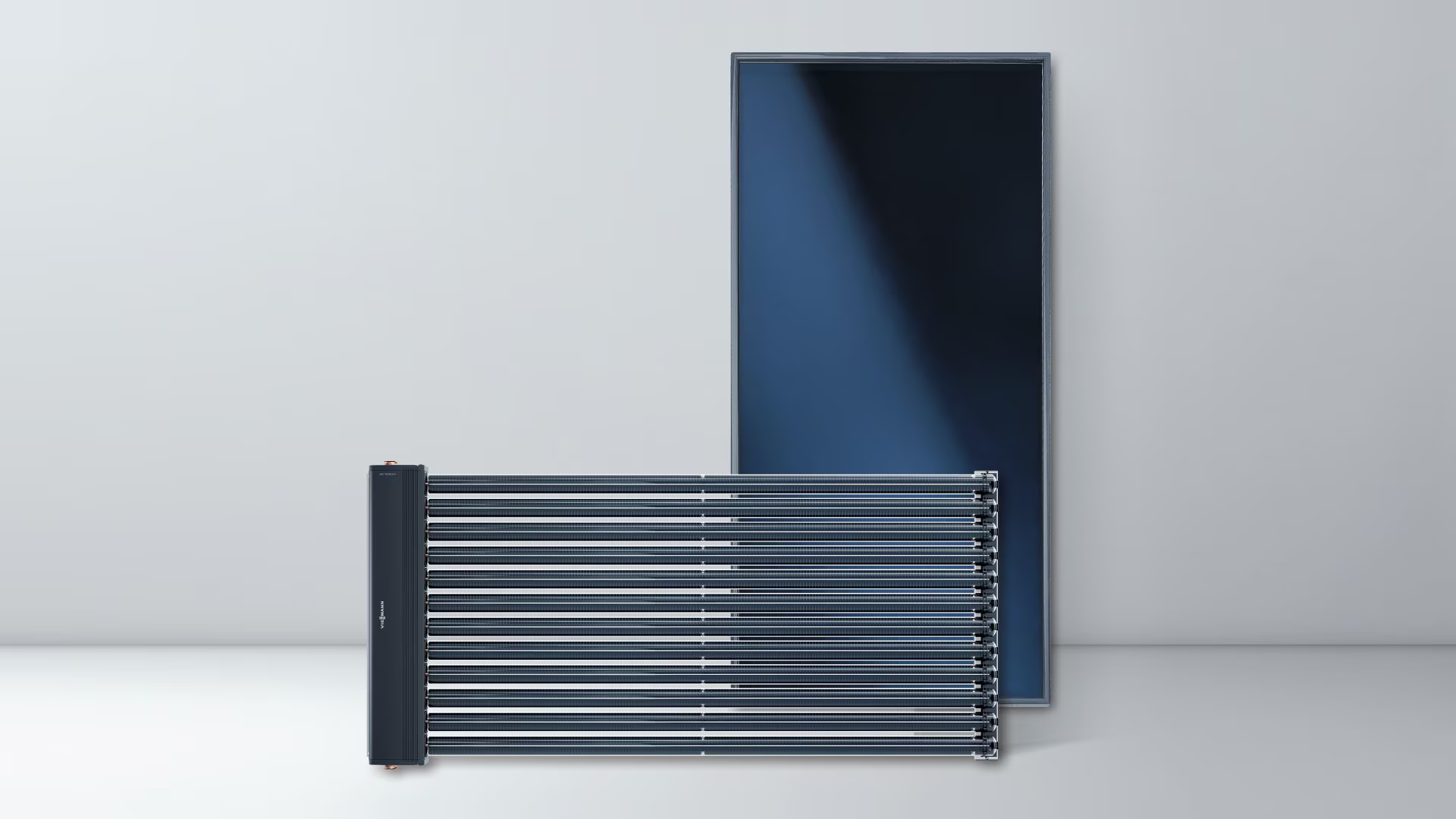
- Flat plate collectors, such as the Vitosol 200-FM , are robustly constructed. They offer excellent value for money and are used in many projects.
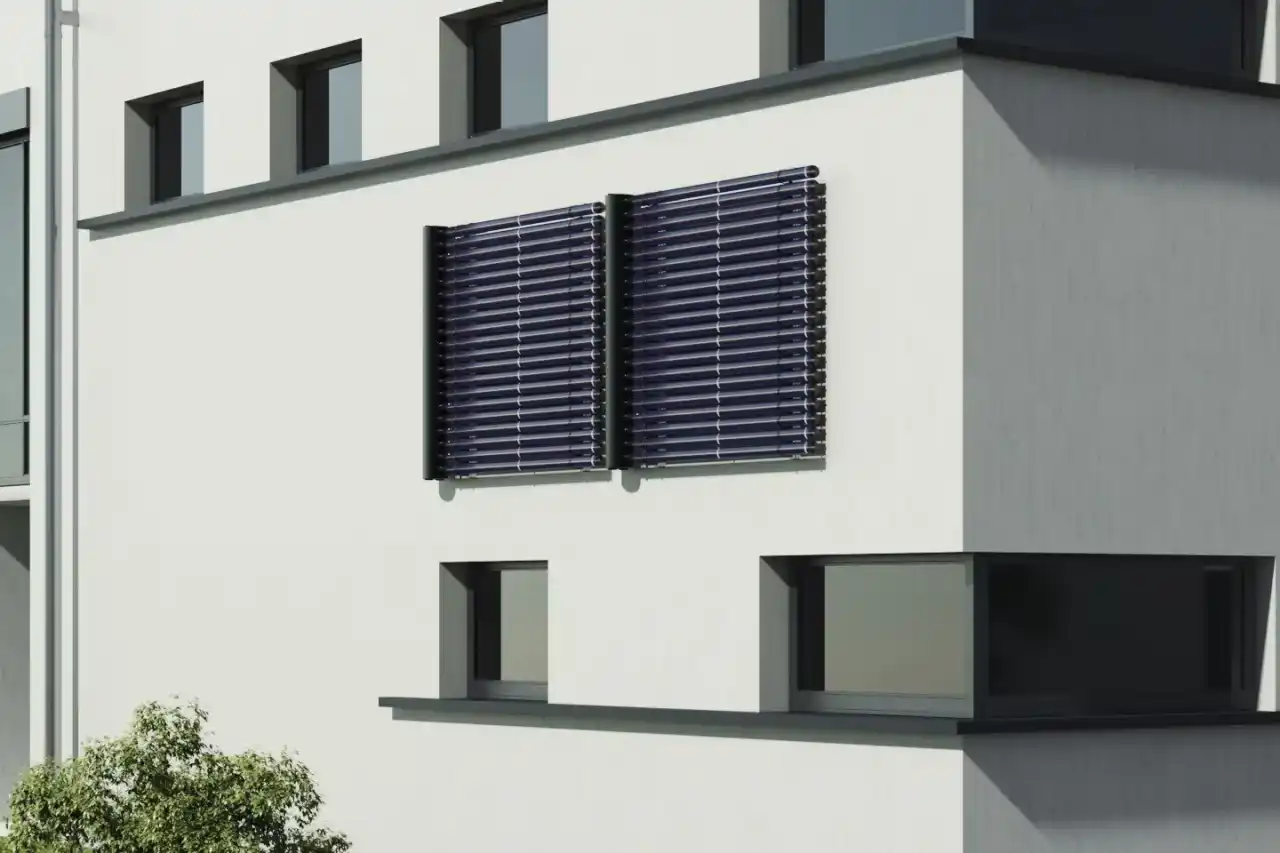
- Evacuated tube collectors, such as the Vitosol 300-TM , are more efficient. They extract more heat from the same surface area and are used when conditions are less than optimal or space is limited.
The intended use determines the design of the technology
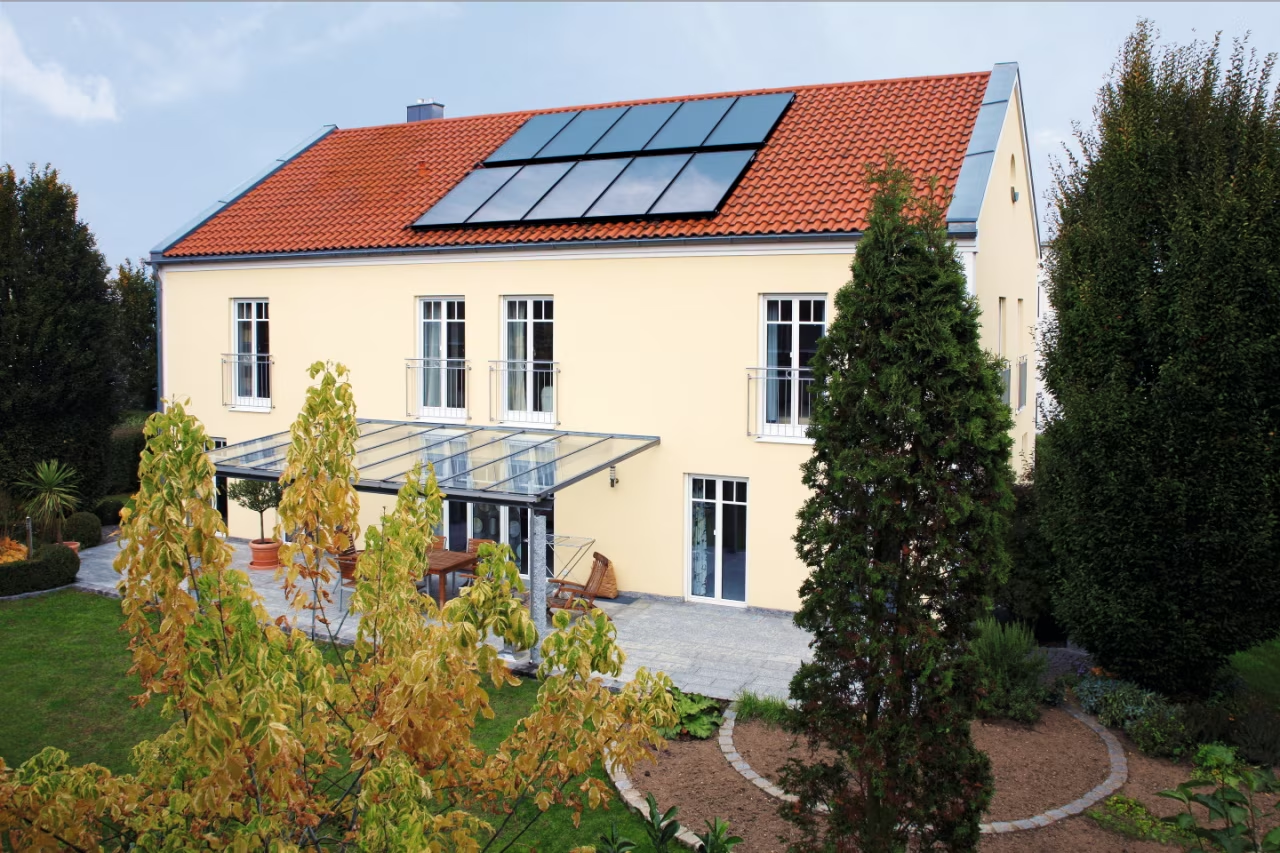
You can convert a solar thermal system for hot water production or for backup central heating. In the first case, the system feeds free solar heat into a hot water cylinder. This covers approximately 60 percent of the annual hot water heating requirement and saves about five percent on heating costs. If the system is used for backup central heating, it heats the heating water in a buffer tank, which then distributes the heat to all rooms in the house. On average, this covers approximately 20 percent of the energy consumption for heating and hot water production.
AHI-Carrier solar thermal system sized for retrofit
Solar hot water heating systems, such as the Vitosol 141-FM solar hot water system , are relatively small. They have a collector area of 1.0 to 1.5 square meters per person and require a hot water cylinder with a capacity of 60 to 80 liters per person.
If you want to convert a solar thermal system to backup central heating, you’ll need more space. For such a system, the collector area should be approximately one square meter per ten square meters of living space. Additionally, a buffer tank capable of holding at least 60 liters of water per square meter of collector area, or 750 liters, is required.
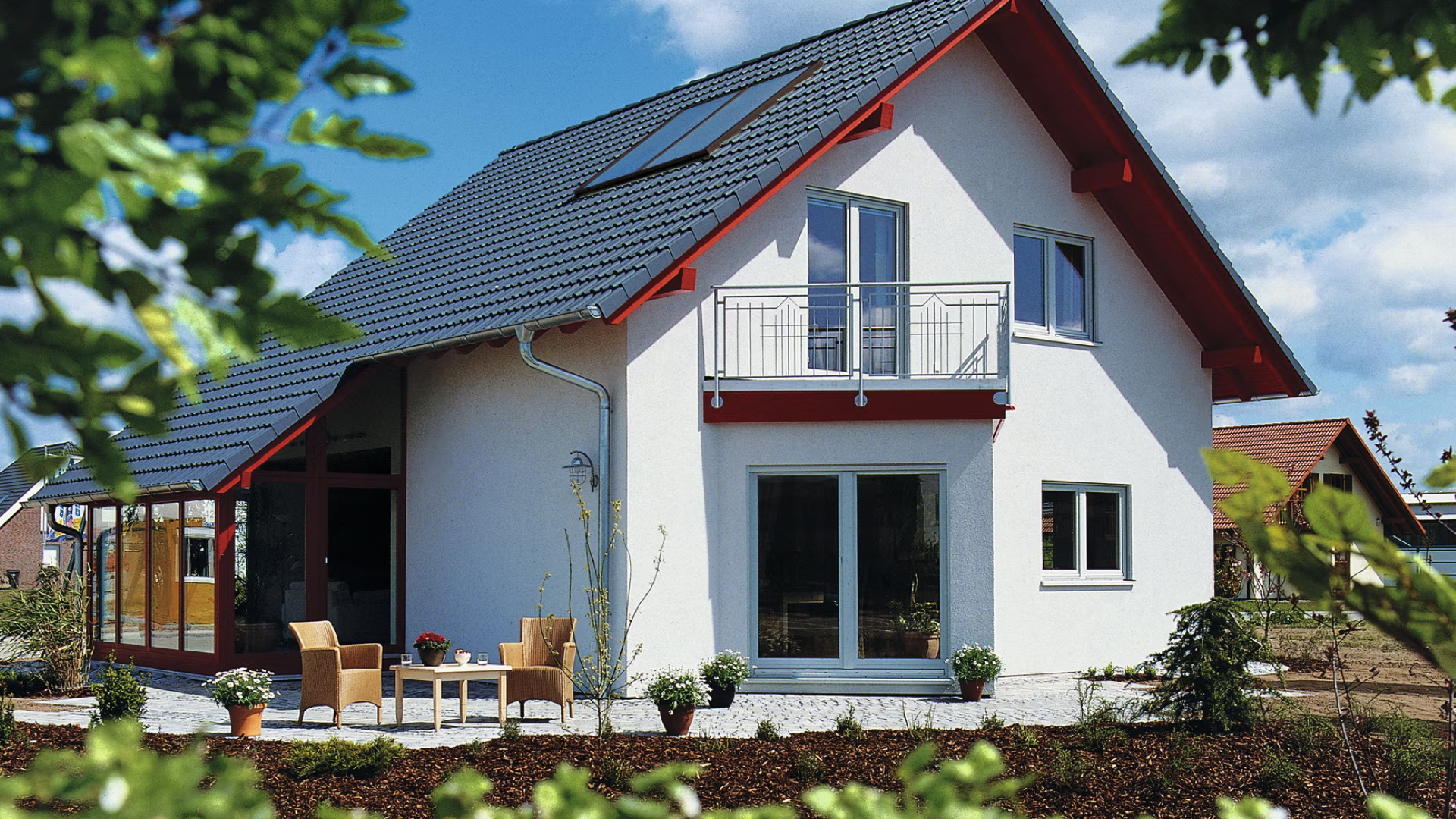
Solar Thermal System Calculation - Size and Design
Find out more →Technical requirements for solar thermal system
A solar thermal system can’t be installed in every home. The pipes require sufficient space, the roof surface must support the collectors, and the cylinder must be installed within the building. Other requirements relate to orientation and location:
- The slope and orientation of the roof surface determine how much sun reaches the collectors. Around 35 degrees with a south-facing orientation is favorable.
- Shading of rooftop collectors should be avoided whenever possible , as this reduces performance. Typical sources of shade include other buildings, trees, or nearby mountains. Keep in mind that the sun is lower in the sky in winter.
Do you meet the requirements? Then you can install a AHI-Carrier solar thermal system and start saving on your heating costs today.
Related articles


In what case is it advisable to use a combined heat and power plant
For the KU module to be economically viable, the device must operate continuously for as long as possible. Read here to learn why this makes sense.