MENU

There’s nothing better than good planning, and this is especially true when calculating a solar thermal system. It’s essential to clarify a number of aspects upfront. It’s recommended to clarify a few key points so you can calculate the right size and design for a solar thermal system to suit your needs.

How do solar thermal systems work?


Calculation of size and design

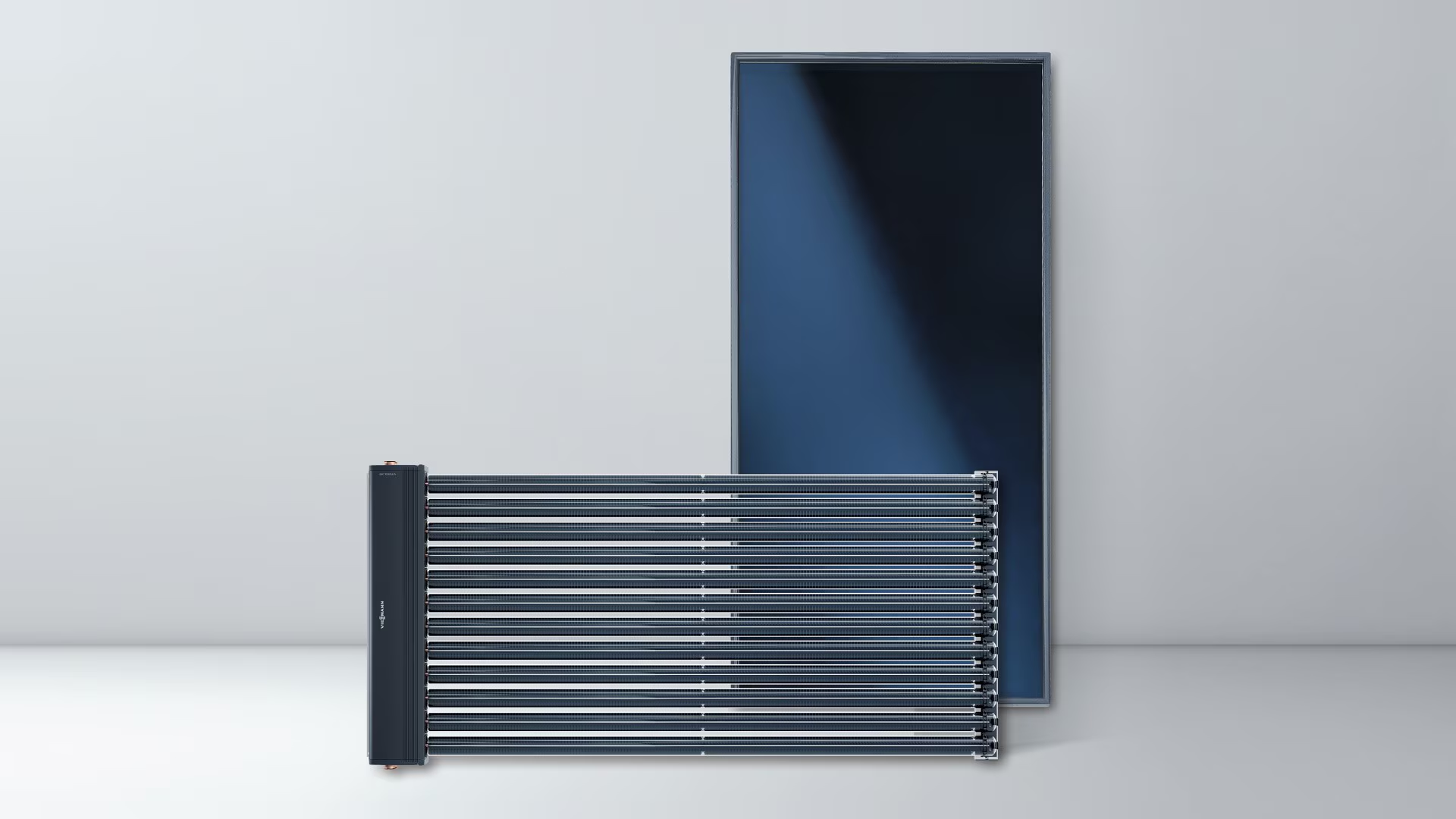
You can install a solar thermal system with flat plate or tube collectors. Evacuated tube collectors are typically used in areas with limited roof space. They are more efficient than flat plate collectors and offer particularly good thermal insulation due to the vacuum.

There’s another aspect to consider: do you want to heat only domestic hot water or also relieve the heating system? Whatever your decision, the rest of the system must be sized accordingly. If the system will be used exclusively for heating domestic hot water, you really need to consider the DHW cylinder. This, in turn, affects the collector area, as well as the size of the cylinder, which ultimately depends on the number of people living in the house. In any case, individual framework conditions should be discussed with a Viessmann sales partner and included in the calculation. Key points include:

  • number of people in the family
  • Living space size
  • Type of collectors
  • Subsidy conditions
  • Required coverage
  • Domestic hot water or backup central heating (detached house)?
  • In a detached house = energy state of the building + heat demand
  • Insulation

Dimensions and design for hot water heating

The following sizing overview can be used as a guide for DHW heating:

Residents Daily DHW requirement (60°C) in l Cylinder volume in liters Collector, quantity Vitosol-FM/-F Collector, Vitosol-TM area
2 60 250/300 2 x SV / 2 x SH 1 x 3 m²
3 90 250/300 2 x SV / 2 x SH 1 x 3 m²
4 120 250/300 2 x SV / 2 x SH 1 x 3 m²
5 150 300/400 2 x SV / 2 x SH 1 x 3 m², 1 x 1.5 m²
6 180 400 3 x SV / 3 x SH 1 x 3 m², 1 x 1.5 m²
8 240 500 4 x SV / 4 x SH 2 x 3 m²
10 300 500 4 x SV / 4 x SH 2 x 3 m²
12 360 500 5 x SV / 5 x SH 2 x 3 m², 1 x 1.5 m²
15 450 500 6 x SV / 6 x SH 3 x 3 m²

Design assumptions:
Consumption is 30 liters per person at 60°C. If per person consumption is significantly higher, the selection should be based on liters per day.

Standard value

A family of four requires a collector area of ​​approximately five square metres (m²) and a DHW cylinder with a capacity of approximately 300 litres to heat domestic hot water.

Dimensions and design for backup central heating

The following sizing overview can be used as a guide for backup central heating:

Residents Daily DHW requirement (60°C) in l Volume of the buffer cylinder in l Collector, quantity Vitosol-FM/-F Collector, Vitosol-TM area
2 60 750 4 x SV / 4 x SH 2 x 3 m²
3 90 750 4 x SV / 4 x SH 2 x 3 m²
4 120 750/900 4 x SV / 4 x SH 2 x 3 m²
5 150 750/900 4 x SV / 4 x SH 2 x 3 m², 1 x 1.5 m²
6 180 750/900 4 x SV / 4 x SH 2 x 3 m², 1 x 1.5 m²
7 210 950 6 x SV / 6 x SH 3 x 3 m²
8 240 950 6 x SV / 6 x SH 3 x 3 m²

Standard value

A family of four typically requires a collector area of ​​10-12 square metres (m²) and a cylinder capacity of 60-80 litres per m² for backup central heating.

Image

Heat pump expert advice

Request online now →

FAQ – Frequently Asked Questions about Solar Thermal System Calculations

Is a solar thermal system suitable for everyone? What requirements must be met? And does a solar thermal system require annual maintenance? In this section, we answer the most important questions about solar thermal systems. We also explain some technical terms related to solar thermal systems that should be considered beforehand when calculating system costs.

Is any roof suitable?

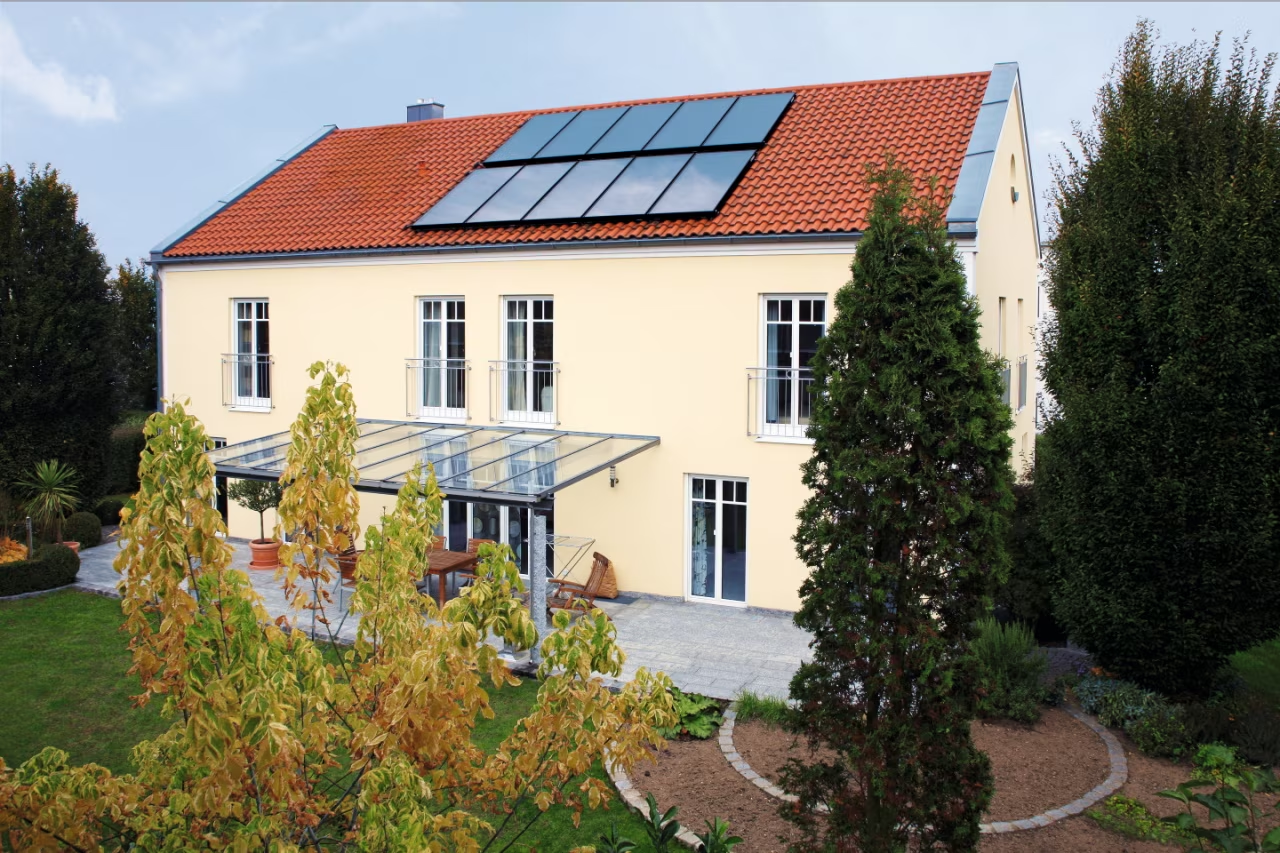
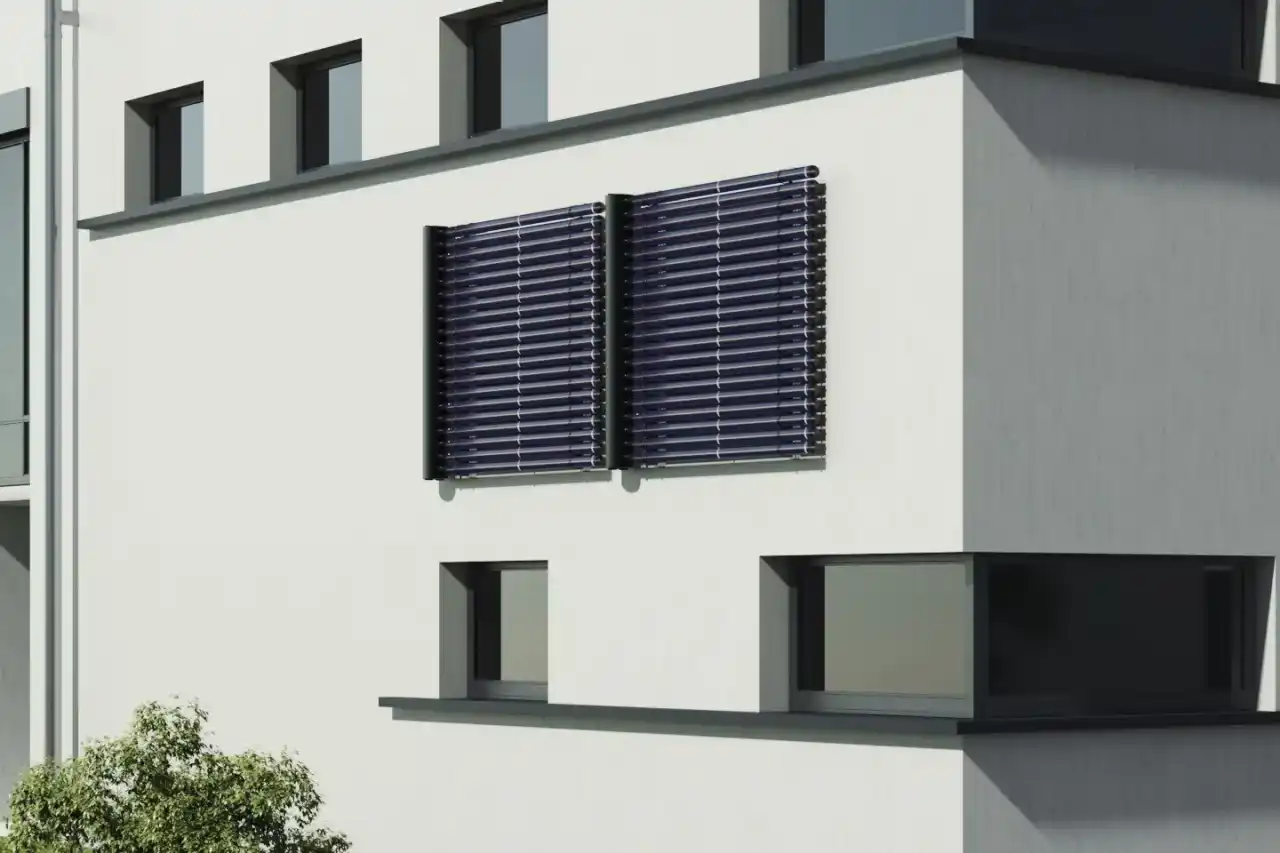
In principle, any roof is suitable for installing a solar thermal system. However, the roof’s pitch and orientation must be correct. A south-facing roof surface provides a good base and should be unshaded. Minor losses in the morning or evening hours due to the low sun position are tolerable. Otherwise, installation is possible on both flat and pitched roofs. A Viessmann solar thermal system can also be installed directly on the building’s façade.

Do I need a permit to build a solar thermal system?

As a rule, these systems do not require special permits. Exceptions include buildings listed on the register and buildings in areas with environmental protection regulations. If you are unsure, contact the relevant authority before undertaking any action.


Do solar thermal systems work in winter?

Solar collectors collect energy whenever sunlight hits their surface. In winter, the only thing to keep in mind is that the sun is lower on the horizon. Furthermore, the number of hours of sunshine is typically also reduced. This should always be taken into account before installing a solar thermal system. Viessmann solar collectors offer several installation options. If a rooftop location is unfavorable, façade mounting may be a solution. However, in this case, the installation location should be chosen on the part of the façade that receives the most sunlight throughout the day. In principle, the inclination of the collectors, as well as their surface area, can be adjusted to maintain relatively high performance even in winter. However, using solar thermal energy as the sole heating system in winter in Germany is not feasible. A supplementary system, such as a condensing boiler, must be used.

Do I need to maintain my solar thermal system?

Solar thermal systems require minimal maintenance compared to other heating systems. However, an annual inspection is recommended. This includes checking system pressure and pumps. Additionally, a visual inspection of the main components should be performed every three to five years. During this inspection, the contractor will inspect not only the collectors but also all other piping, fittings, and other components.

Does a solar thermal system need to be ventilated?

Each time the heating system is filled, air is introduced into the collector circuit. This air is largely displaced by the coolant. A small amount remains and is contained within the coolant itself, but is released only at higher temperatures. Air in the collector circuit causes noise and can significantly impede proper flow through the solar collectors. Unlike other heating systems, it is impossible to bleed the air at the highest point of the system (i.e., the collector) while it is operating. This is achieved by using air bleed valves, which are opened or closed manually or automatically. Ideally, they should be located in the flow and upstream of the cylinder inlet.

Is there a risk of solar thermal system overheating in summer?

During the sunnier months of the year, the solar thermal system’s buffer capacity may become saturated to the point where it can no longer absorb heat from the collectors. Supply exceeds demand. However, if the control unit detects this, it will interrupt the solar circuit in a timely manner. Thermal stagnation is a normal operating process in a solar thermal system—the solar fluid begins to evaporate at a temperature of approximately 140-150 degrees Celsius. The pressure in the system continues to rise due to the increase in volume, and the fluid from the collector is forced into the membrane expansion tank (DEV). Little or no liquid remains in the collectors. They are refilled only when the temperature drops. Due to condensation of the solar fluid, the pressure in the system drops again, and the liquid temporarily stored in the DEV flows back out. When heat is required, the solar thermal system restarts. It is important that the solar thermal system be designed for stagnation and regularly serviced. This allows for the condition of the fluid in the collector to be checked, as it can be affected by the process.

What is global radiation?

When discussing solar energy, an interesting question is how much of the solar radiation is actually usable. Of the 1,367 W/m² of absolute radiation (the solar constant), a maximum of about 1,000 W/m² reaches the earth via the atmosphere. The portion of the radiation that reaches the earth under clear skies is called direct radiation. If sunlight passes through clouds, it is scattered and is called diffuse radiation. The sum of diffuse and direct radiation is called global radiation.

What is solar coating?

Solar coverage describes the ratio between the energy required to produce heat and the useful solar heat. The higher the solar coverage, the less energy a traditional system must provide. Solar coverage calculations are always based on the annual heat output of the respective heat generators (not their capacity).

What is the efficiency of solar thermal energy?

Efficiency characterizes the ratio of irradiated energy to useful solar heat. High temperatures and long periods of inactivity reduce efficiency. Efficiency directly impacts the specific output of a collector system. It determines how much useful heat a solar thermal system can produce per year per square meter of collector area. Generally, the higher the specific output, the higher the system’s efficiency.

Questions about installing a solar thermal system

Installing a solar thermal system is a complex task and should always be performed by a specialized company. However, it’s helpful to understand the installation steps, the components involved, and what you, as the system owner, should pay attention to during the installation process. As a general rule, you should consult with your solar system installer and clarify any unanswered questions.

How is a solar thermal system installed or mounted?

Roughly speaking, there are four stages that a specialized company implements:

  1. Collector installation: On pitched roofs, this is done by mounting them on the roof using roof hooks. On flat roofs and other surfaces, a special substructure is required to support the collectors.
  2. Installation of the storage tank: When placing the storage tank, it is necessary to take into account the required area (dimensions of the base and tipping), as well as the weight and the shortest connection routes in order to keep heat loss low.
  3. Solar circuit closure : The supply and return pipes of the solar circuit are connected and all connections are made. The solar panel circuit is flushed and leak tested before filling the circuit.
  4. Commissioning: This includes installing the control system, solar controller, and temperature sensors. All fittings are also installed and the connection to the hot water system and/or backup central heating is made.

Before handing over the acceptance certificate, a solar panel technician will instruct you on the operation of the system.

Can a solar thermal system be installed on a sloped roof?

Yes. Here, the solar panel installer uses height-adjustable roof hooks to compensate for any unevenness. Other preparatory work may be required, but the installer will discuss this with you in advance.

Can I install a solar thermal system myself?

This is not recommended. As already noted, installation is complex, and especially the connections to the hot water system and heating circuit require plumbing experience. However, you can discuss with your specialist company in advance whether you can begin preparatory work on your roof. However, don’t rush into things. Your specialist company will be happy to advise you on what can be done if you have the necessary technical skills. However, you should not attempt to connect or install a solar thermal system yourself.

Solar Thermal Systems - Additional Information

How does solar thermal energy work?

How does solar thermal energy work?

Read more
Solar collectors are the basis of solar thermal energy

Solar collectors are the basis of solar thermal energy

Read more
Evacuated tube collectors: Hot water heating and backup central heating

Evacuated tube collectors: Hot water heating and backup central heating

Read more
Flat plate collectors for residential, commercial and local government buildings

Flat plate collectors for residential, commercial and local government buildings

Read more

Other Viessmann guides and tips

Alternatives to oil heating

Alternatives to oil heating

Read more
In what case is it advisable to use a combined heat and power plant

In what case is it advisable to use a combined heat and power plant

For the KU module to be economically viable, the device must operate continuously for as long as possible. Read here to learn why this makes sense.

Read more
Solar thermal energy modernization and energy consumption reduction

Solar thermal energy modernization and energy consumption reduction

Read more