
Heating check
Check your heating now and start winter with peace of mind: tips on how to check your heating before the winter season.


(Photo: © Yury Zap / Shutterstock.com)
One of the unique features of electric bathroom radiators is that they are not connected to the main heating system. They operate independently, for example, from an existing boiler. They are quick to install and commission, as they only require a power source. Unlike conventional bathroom radiators, they do not require flowing water for heating. Instead, electric bathroom radiators have built-in heating cartridges that provide rapid heating.
Beyond the quick installation mentioned above, there are even more reasons to use electric radiators in the bathroom. Their low purchase and installation costs are a real advantage. Installing electric radiators in the bathroom doesn’t require significant construction work, making them ideal for modernization. Thus, bathrooms in existing buildings can be quickly and cost-effectively transformed into oases of well-being that match the thermal comfort of bathrooms in new buildings.
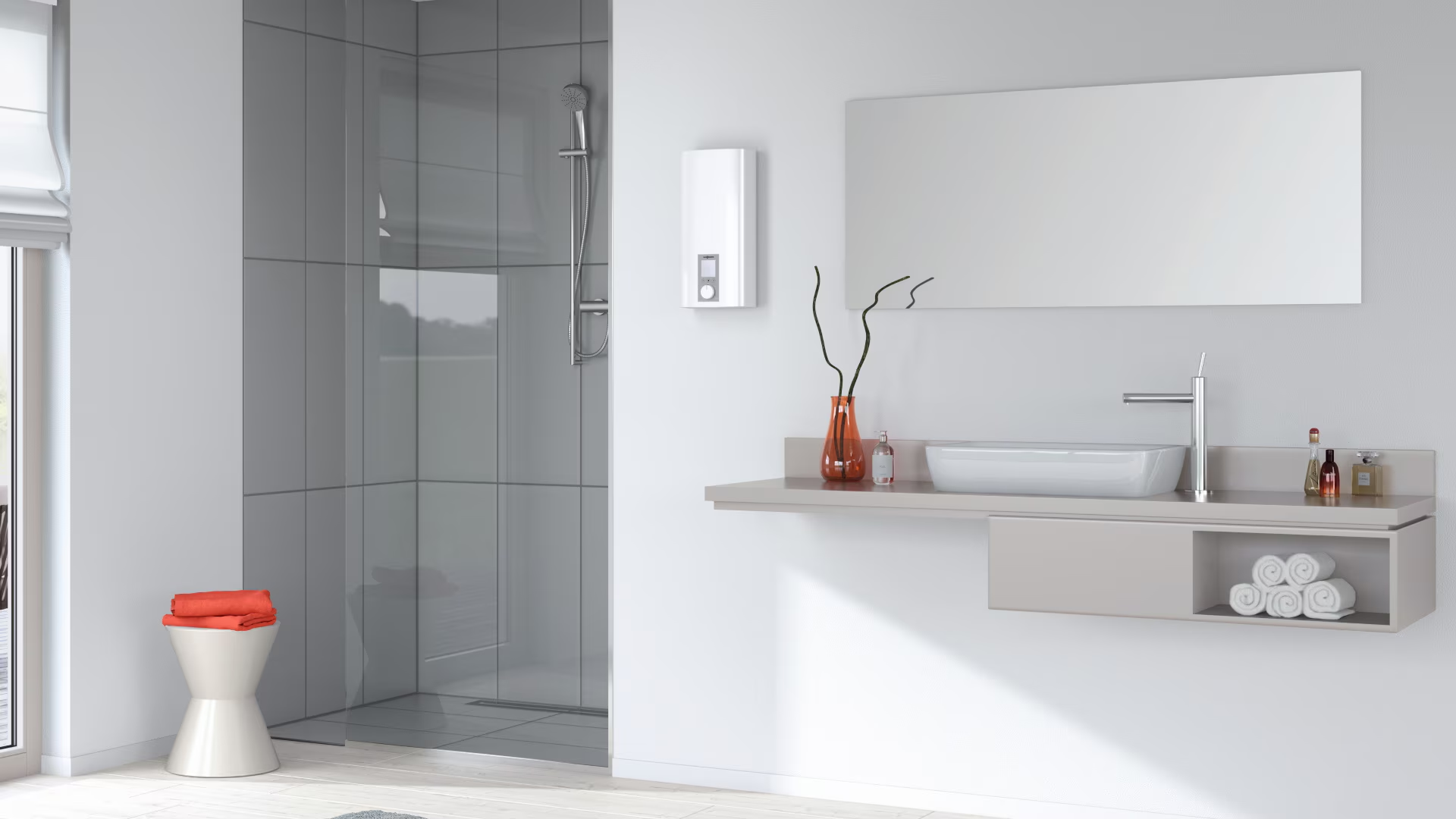
Mirror heating in the form of an electric radiator in the bathroom and Vitotherm EI4
Furthermore, electric radiators can be used in a variety of ways in the bathroom. Whether radiant heaters, towel rails, or infrared heaters, these bathroom appliances are available in a variety of designs and power settings. They can work equally well as a supplementary heater in a large bathroom or as the only heater in a rarely used guest toilet. Last but not least, electric bathroom radiators can enhance the space in many ways, as is the case with mirror heaters.
Mirror heaters are typically infrared heaters. They feature a mirrored surface and, at first glance, are difficult to distinguish from regular bathroom mirrors. They perform several functions simultaneously: as electrically powered bathroom heaters, they primarily provide a pleasant warmth in the bathroom in a short time. If needed, they do this in conjunction with an existing traditional radiator. Thanks to their highly polished surface, they also act as a reflective surface, giving them a decisive advantage over regular mirrors: they are virtually fog-free when bathing or showering. Because the surface of a mirror radiator is heated, it prevents water vapor from accumulating on it.
When choosing the right electric bathroom heater, two factors are important: the unit must be suitable for its intended use and the bathroom, both in terms of its operating mode and heat output. For example, a radiant bathroom heater is powerful and generates heat immediately after being turned on. However, since the heat is only localized, such a unit is not suitable for long-term heating. Infrared bathroom heaters are a better choice because they distribute heat differently. Using the same bathroom heater as a temporary backup for an existing radiator can be quite cost-effective. You can also find detailed information on this topic in our Electric Heating Guide .
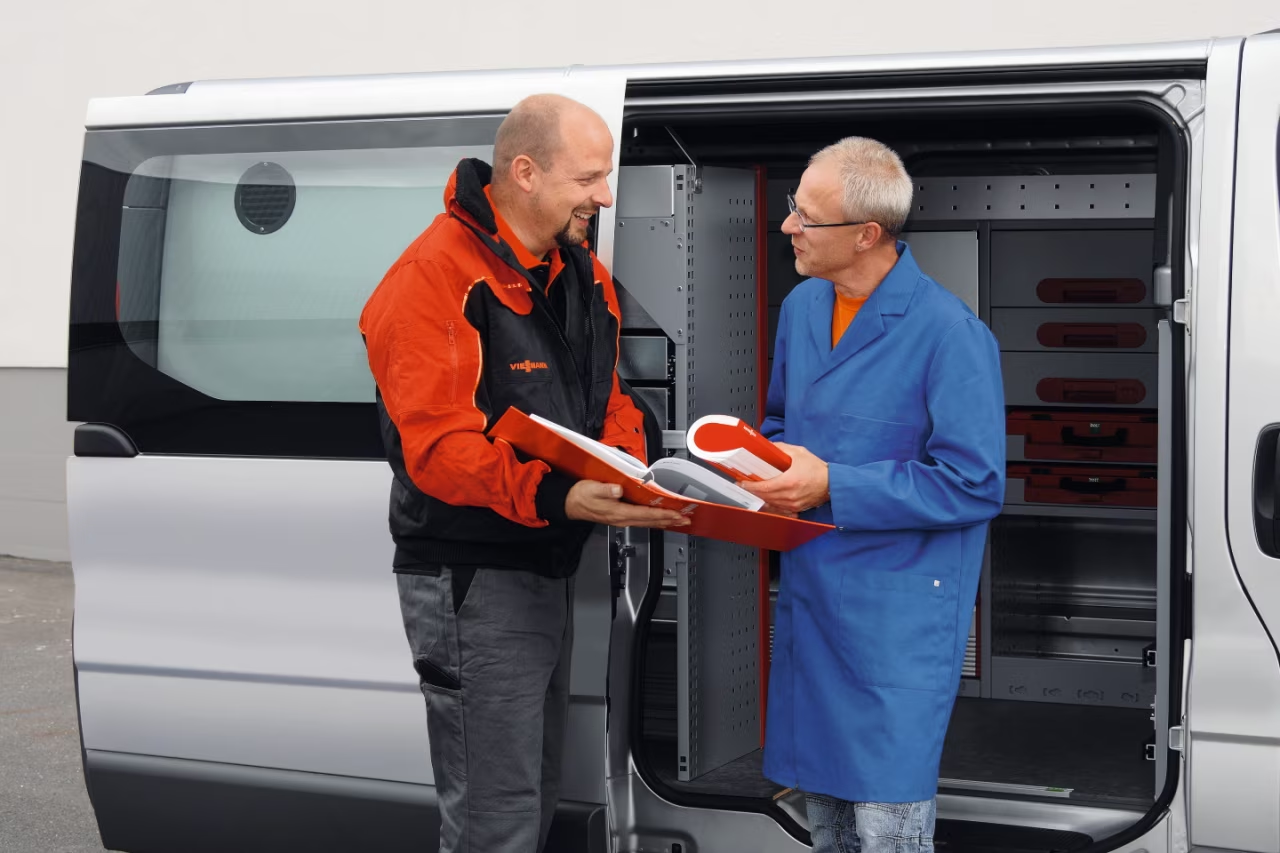
Heating power is crucial for electric bathroom heating to be both efficient and quickly effective. If it’s too low, it can take a very long time for the bathroom to become pleasantly warm. Too high a power rating affects the size of the unit. The size and power of an electric bathroom heater depends on each individual case. In some cases, it makes more sense to purchase several units with lower power ratings than several units with higher heating power. To be on the safe side, end users can also consult a heating specialist:
Check your heating now and start winter with peace of mind: tips on how to check your heating before the winter season.
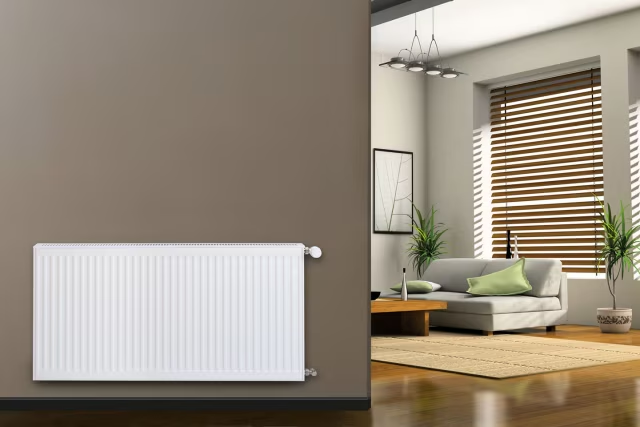
Radiators are the central component of a heating system. They transfer the generated heat into the living space via a coolant—water. However, while the operating principle is always the same, there are several different types.
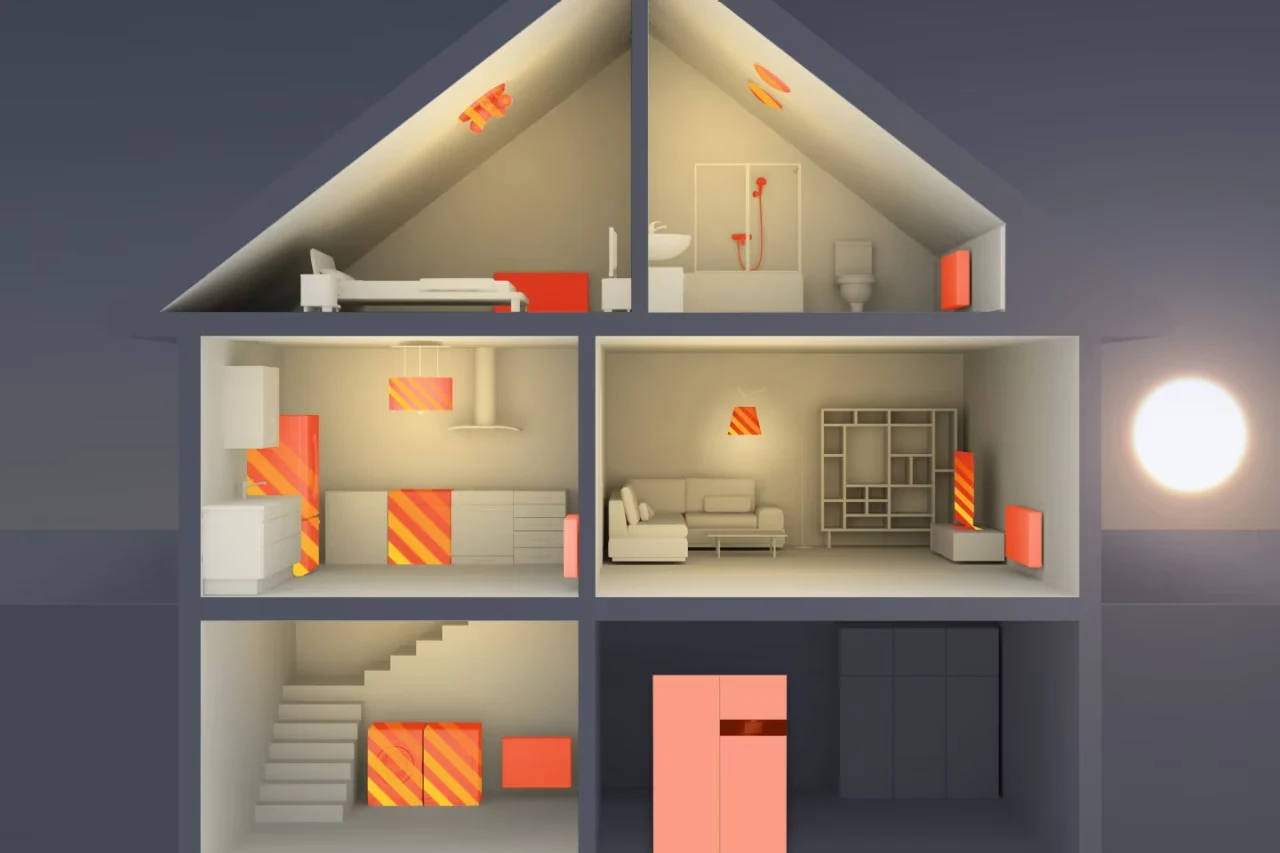
With the right measures and our professional advice, you can easily save energy and reduce your heating costs.
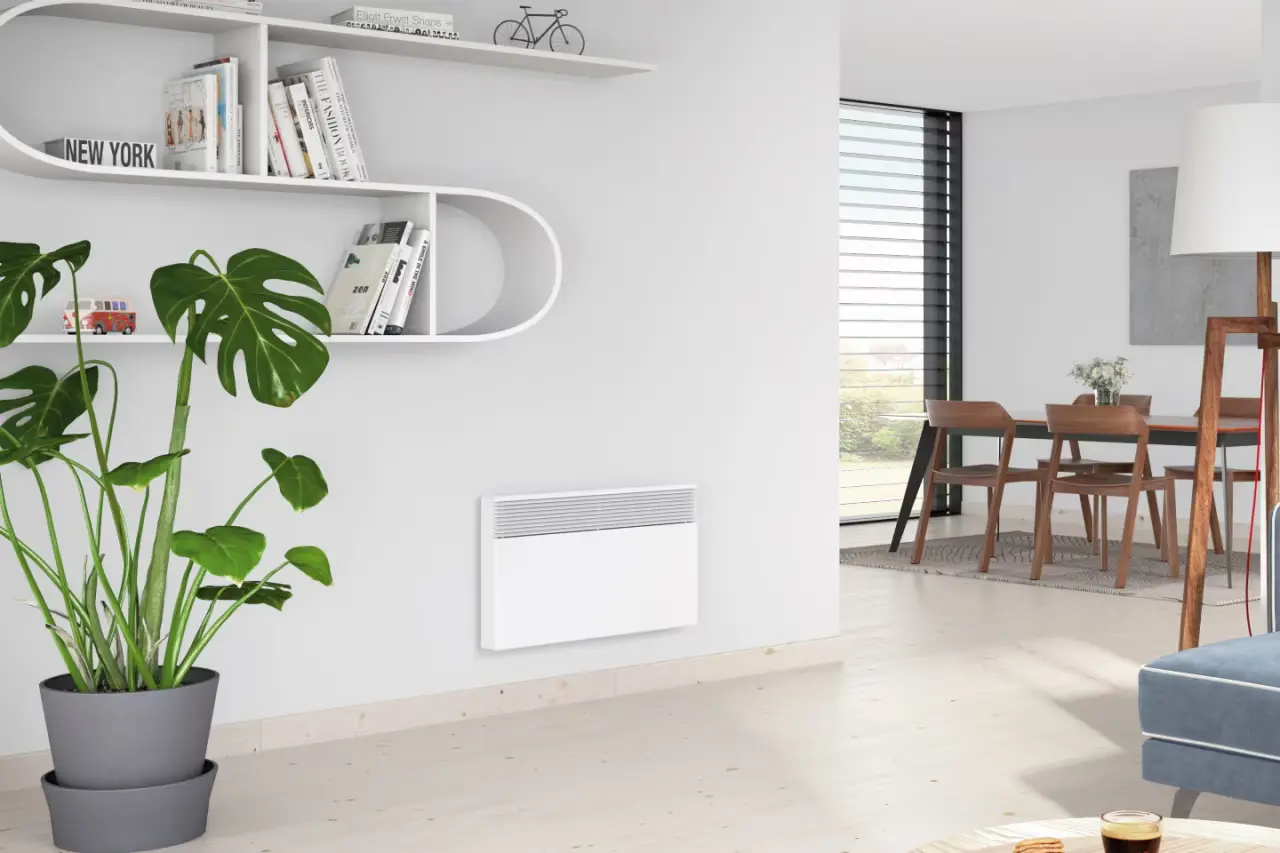
An electric heater can be easily installed virtually anywhere as a complement to your heating system. Read more about Vitoplanar products.

How often does a heating system need maintenance? Does AHI Carrier provide heating system maintenance? What should you do if you receive an error message? Here you’ll find answers and useful information to the most frequently asked questions about your heating system and heating in general.
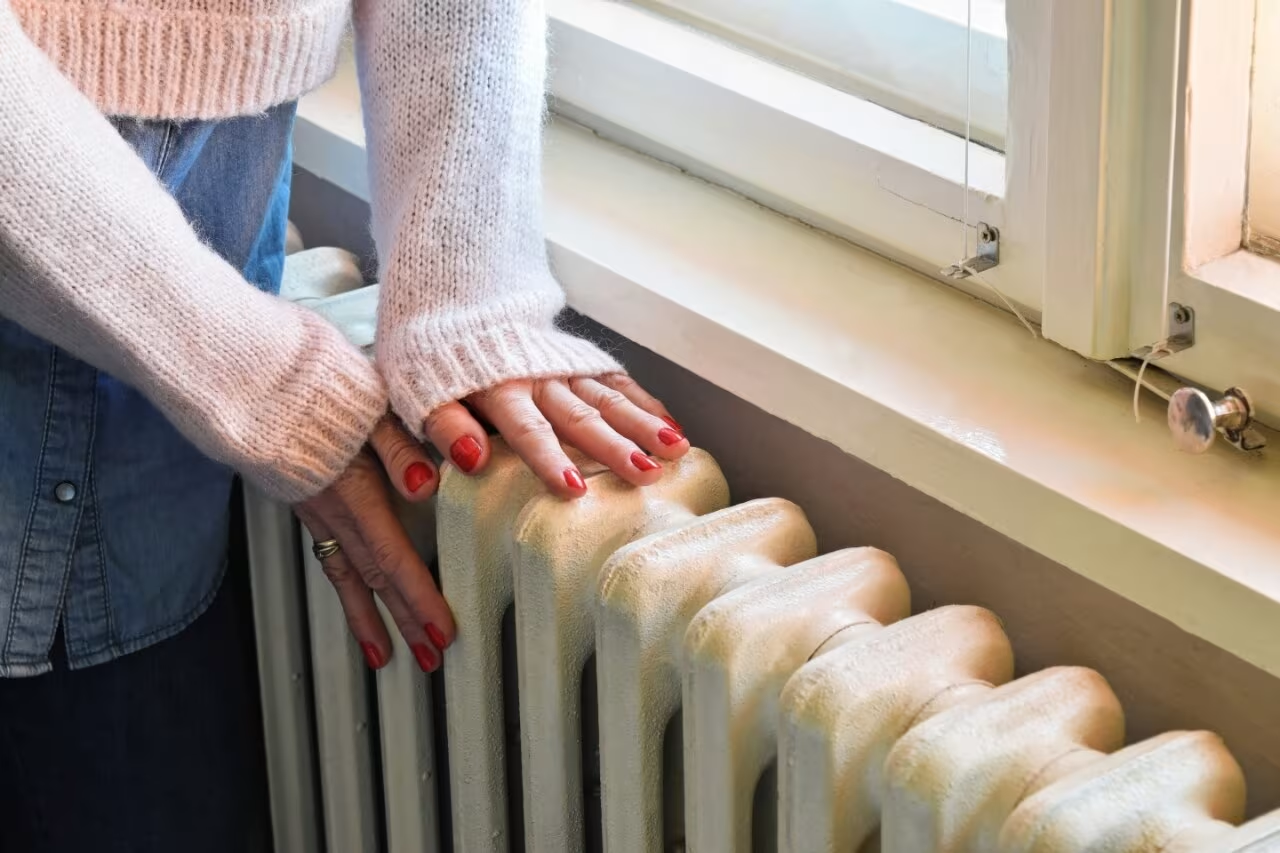
If the pressure in your heating system is too low, you need to add water. This guide will tell you the ideal pressure and why system pressure drops in the first place. It includes a video and step-by-step instructions.