Heating systems in old buildings - effective modernization
Smart renovation of old buildings using new heating technology. Energy savings of up to 85% in modernized old buildings. Learn more here.


The sun’s rays transfer heat from the solar collectors on the roof to the cylinder in the house. This coolant consists of water and antifreeze, so it doesn’t freeze even in winter. Since the coolant is subject to certain signs of aging, it’s important to regularly check its pH and antifreeze content. Learn about the properties and technical specifications of coolant here.
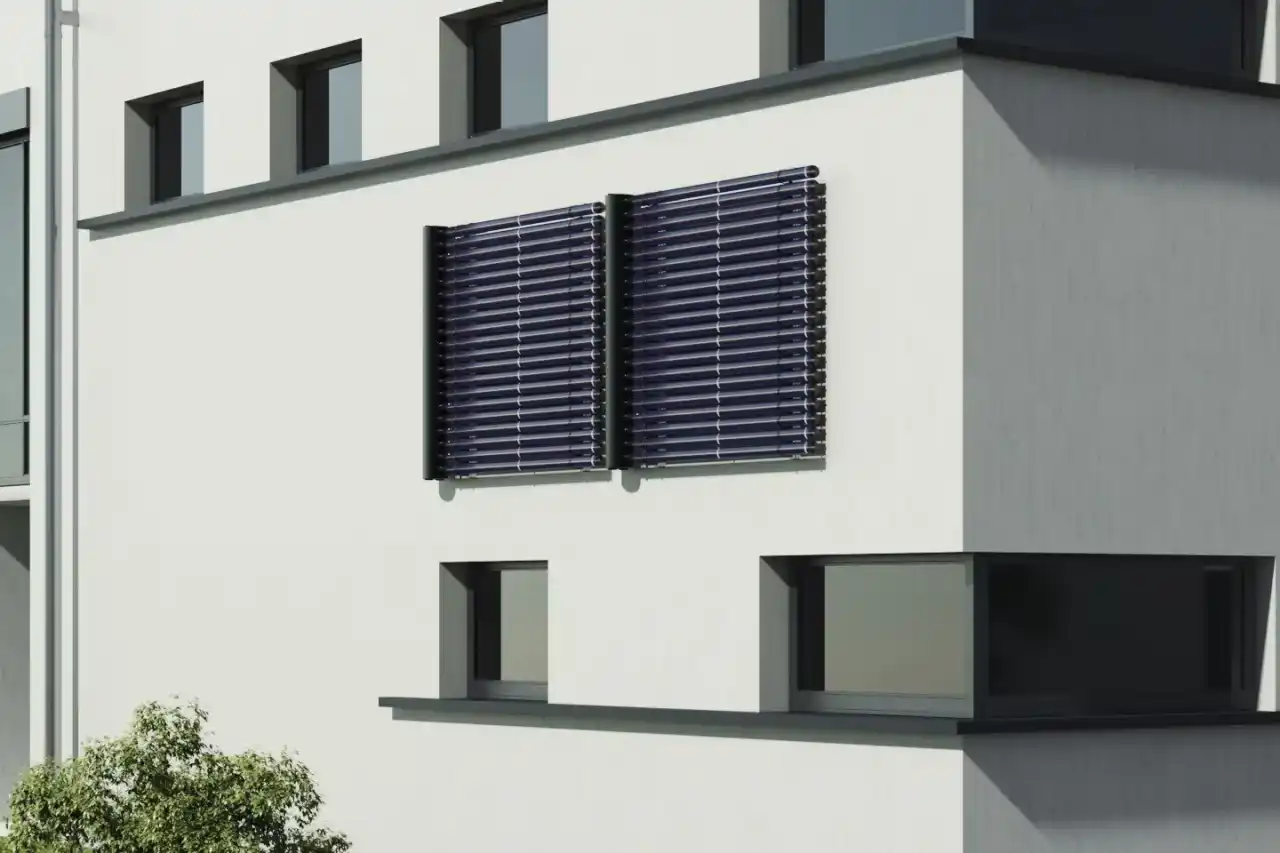
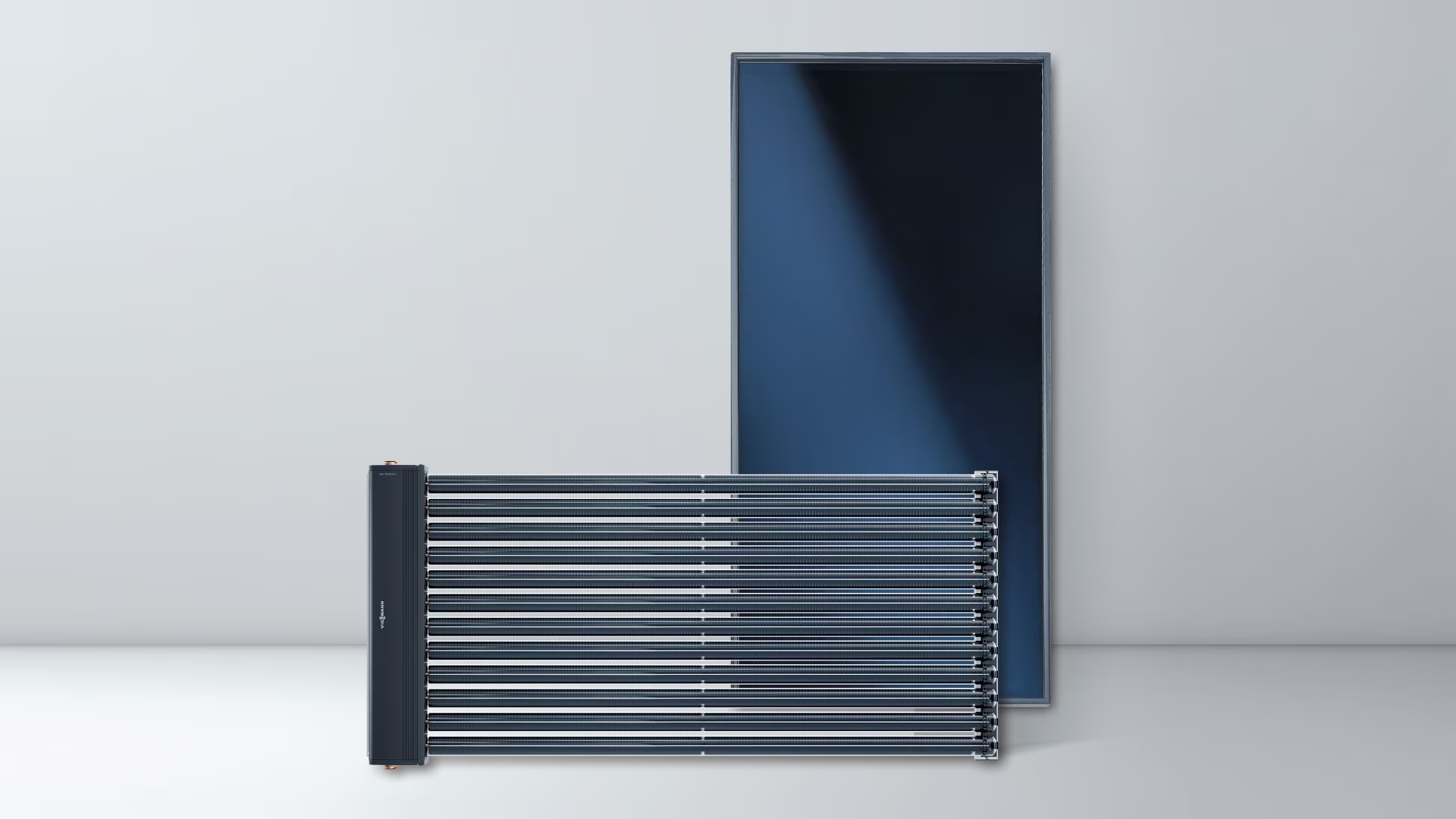
When the sun shines, the collectors in the solar thermal system heat up. They transfer thermal energy to the coolant, which then flows into the cylinder. There, through a heat exchanger, the energy is transferred to the heating or hot water supply. The coolant returns to the solar collector , and the process begins again.
The base of a solar coolant is water. If the outside temperature drops below freezing and solar radiation is absent, the coolant will freeze, expand, and potentially damage critical system components. To prevent this, the solar coolant contains an antifreeze, typically propylene glycol.
Smart renovation of old buildings using new heating technology. Energy savings of up to 85% in modernized old buildings. Learn more here.

Efficiency is an important factor when sizing and designing a solar thermal system. Several factors are important to ensure efficient operation. In this article, we'll explain what you should consider.

With solar thermal systems, you can harness the sun's free energy in your own home. This reduces heating costs and protects the environment. We provide information on the design and operation of solar thermal systems.
The 1,2-propylene glycol used is low-flammability, non-toxic, biodegradable, and does not require labeling according to EU criteria. This solar antifreeze has a boiling point of 188 degrees Celsius and provides freeze protection down to -21.5 degrees Celsius at a 40 percent concentration by volume.
Since glycol is an organic substance with characteristic signs of aging, heat transfer fluids used by AHI Carrier, such as Tyfocor LS, contain anti-aging protection. Alkaline buffering maintains the pH in the alkaline range for an extended period of time and promotes corrosion protection. This, in turn, has a beneficial effect on the service life of the entire system.
Due to common signs of aging, it’s important to check the coolant as part of your annual heating system maintenance. Heating contractors will check the pH and antifreeze levels to prevent damage from corrosion or freezing.
In small hot water heating systems, heating contractors are required to replace or top up the solar fluid on average once every ten years. For solar backup central heating systems, this may be necessary sooner. This is caused by idle time during the summer months, when the coolant temperature rises to the point where cracking or rupture of the molecules can occur. This leads to increased acid formation, and pipes and pumps can become clogged.
AHI Carrier ThermProtect coating automatically shuts off flat-plate and tubular collectors when a certain temperature is exceeded. This occurs regardless of the type of construction, design, or installation, effectively preventing cracking of the medium.
If the pH and antifreeze levels are outside the recommended range, the heating contractor must add solar fuel. The media used depends on the system’s existing media, which can be identified by factors including its color. For example, purple Tyfocor G-LS can be mixed with Tyfocor LS. If the additives are not compatible, the heating contractor will replace all the media in the solar system.
The coolant mixed with glycol circulates through the solar thermal system in a separate, non-toxic form. It does not mix with either the heating water or the hot water supply, posing no risk to other systems. If any coolant leaks from the solar system or enters the hot water supply, contact a heating specialist. They will reliably repair the leak and refill the coolant. In the unlikely event that coolant from the solar system enters the hot water supply, the heating contractor will flush the system until all residue is removed. Avoid drinking the water during this time.