MENU

Saving energy and reducing heating costs go hand in hand. This is because, according to government data, residential heating accounts for more than two-thirds of final energy consumption in private households. The energy required to heat hot water is not included in this figure. Therefore, for this reason alone, it’s worth implementing some energy-saving measures. There are also other reasons for reducing heating costs, not least of which are worsening pollution levels, energy transition goals, and, especially, rising fuel prices. With the right measures and practices, it’s quite easy to make energy saving a part of your daily life.

For example, you can bleed your heating system in just a few simple steps. Once all air bubbles are removed from the heating system, water flows freely through the heating pipes and transfers its heat into the rooms. This not only provides greater thermal comfort but also eliminates annoying noises like humming or gurgling.

You can also lower the room temperature depending on its purpose and time of day. This will allow you to use energy much more efficiently. Proper ventilation also helps save energy. You can learn how to do this in the section below. And the best part is, all these measures are free and can be easily integrated into your daily life.

To reap additional savings benefits, technical measures are essential. Balancing your Hydronic system and regular maintenance by a local heating contractor are the most effective ways to conserve energy and reduce heating costs over the long term. Last but not least, it’s also worth reducing water and electricity consumption to achieve energy savings across the board.

How can you save energy?

One effective way to save energy is by changing your heating methods, which can also reduce your heating costs. However, this doesn’t mean you have to compromise on comfort or freeze within your own four walls. The following three tips can be easily incorporated into your daily life without much effort:

Save energy by bleeding your radiators

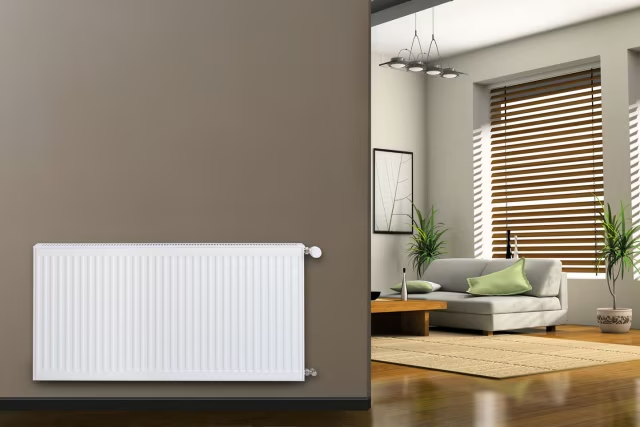
A heating system is a closed system in which water heated by a heat generator circulates. However, air can sometimes enter the system, for example, through diffusion or when working on the heat generator. Air bubbles form, preventing even heat distribution within the radiator . This often results in strange and annoying noises. If this happens, the radiator needs to be vented. Our guide to venting a heating system will show you how and what to look for.

Proper ventilation and reduced heating costs

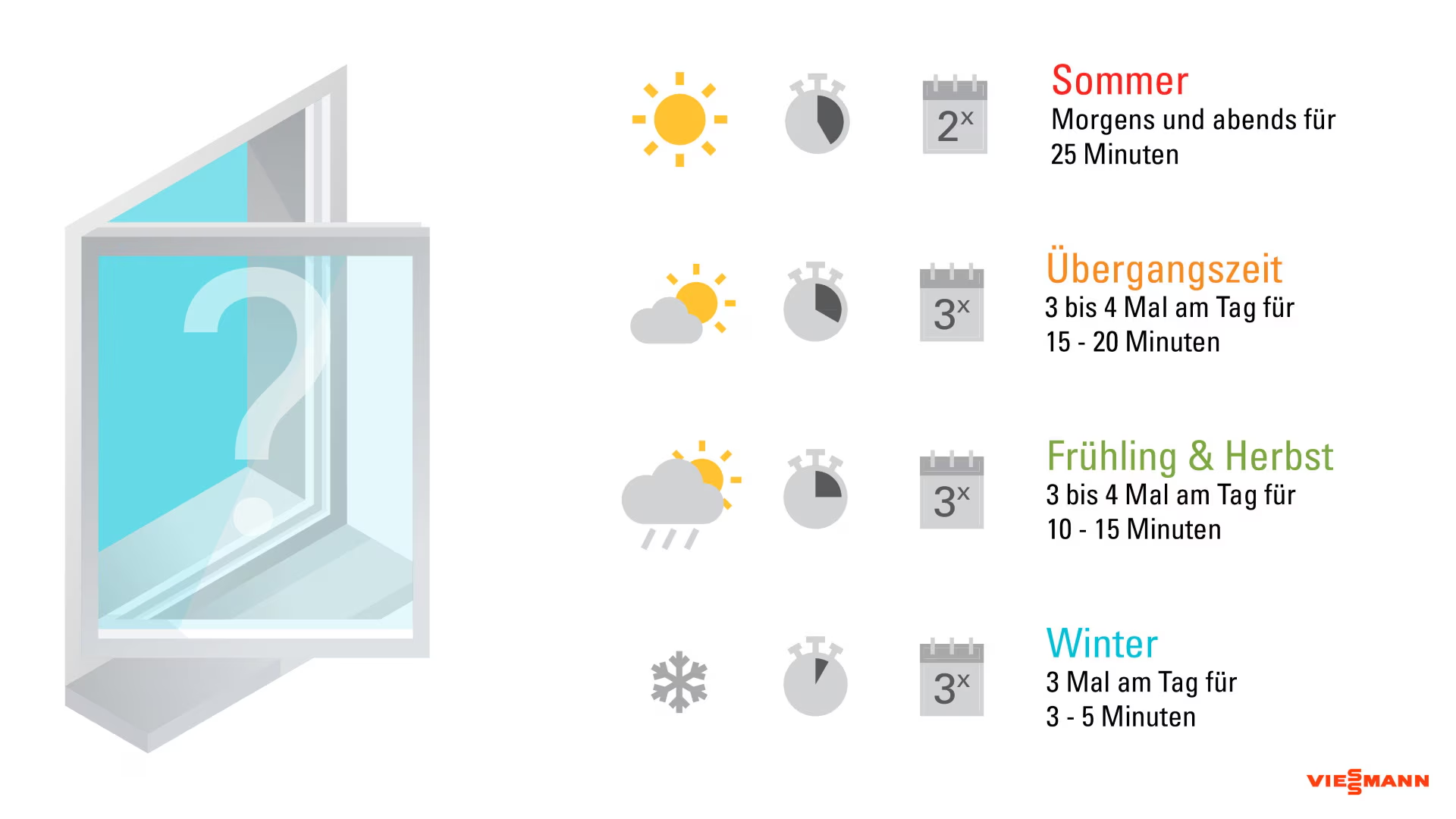
Blowing out radiators isn’t the only way to reduce heating costs. Proper ventilation is also considered one of the most effective ways to save energy. Important: When ventilating a room, fully open the windows for short periods (about five minutes) rather than leaving them slightly open for extended periods. Slightly open windows let in little fresh air but release a lot of heat. Turn off the heating while ventilating the room. If possible, repeat this process up to three times a day. Depending on the time of year, ventilating for longer than five minutes is also possible.

Not all rooms need to be equally warm.

The perception of heat is always subjective. One person may like it very warm, another a little cooler. However, one thing is certain: the temperature doesn’t necessarily have to be the same everywhere in a house or apartment. After all, spaces are used differently and are also heated indirectly, for example, by people or electrical appliances.

Maintain temperatures at the following levels:

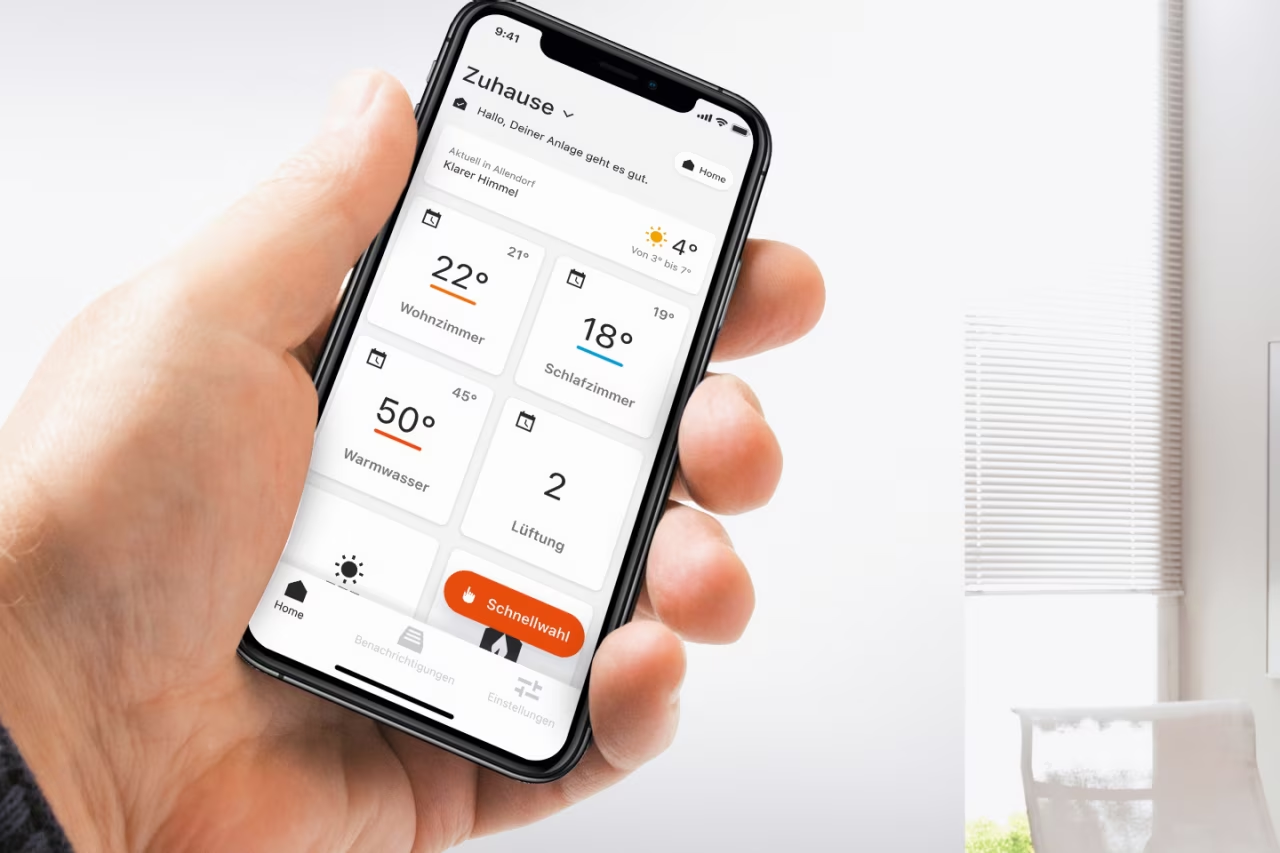
The playroom, study, and living room are between 20 and 22 degrees Celsius, the kitchen and bedroom are around 18 degrees Celsius, and the hallway is 15 degrees Celsius. The savings potential demonstrates the importance of proper room temperature: lowering the room temperature by just one degree Celsius reduces heating costs by six percent—at least in older buildings. In newer buildings, the savings may be smaller.

Technical measures to reduce heating costs

To save energy and reduce heating costs in the long term, the tips already mentioned are not enough. In practice, the greatest savings potential comes from a combination of proper heating practices and technical optimization. The latter includes hydraulic balancing and regular maintenance by a heating system specialist.

Hydronic balancing for optimal heat distribution

Radiators in a building often heat unevenly. The greater the distance from the heat generator or the thinner the heating pipes, the greater the resistance the water encounters as it passes through the system. This means that the water doesn’t reach every room equally, causing some radiators to become hotter than others. This means that heating each room to the required temperature requires a lot of energy.

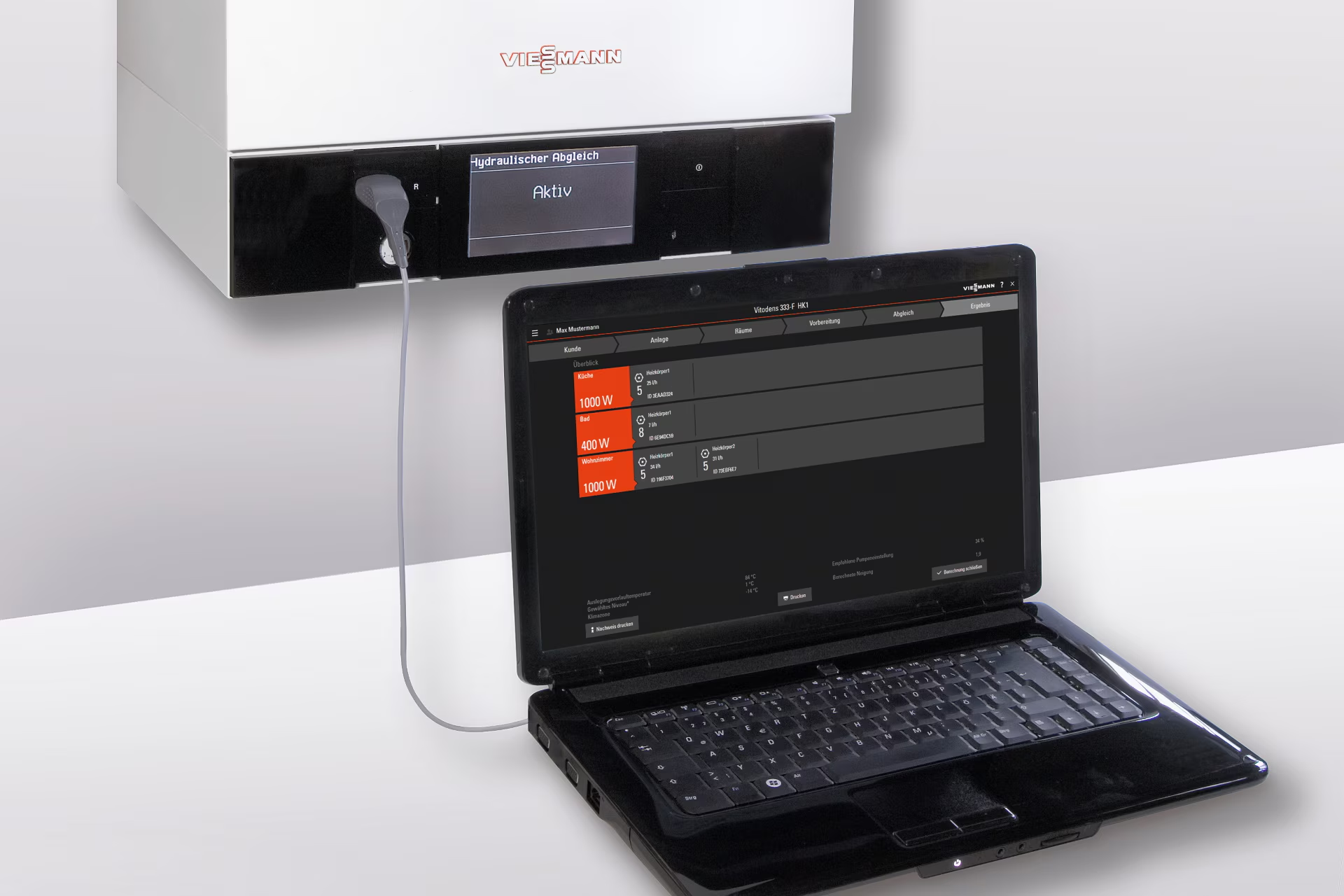
To ensure that all radiators in a particular system receive the exact amount of heat required for each room, a procedure known as hydronic balancing must be carried out .

Independent studies have proven that hydraulic balancing of a heating system improves energy efficiency by 15 percent. This not only saves energy but also reduces heating costs. If a heating system must be installed in accordance with the German Heating System Regulations DIN 4701 and the German Building Contracting Regulations (VOB), then hydraulic balancing is mandatory in any case. However, it is not a legal requirement for any heating system owner.

Save energy with regular and qualified maintenance

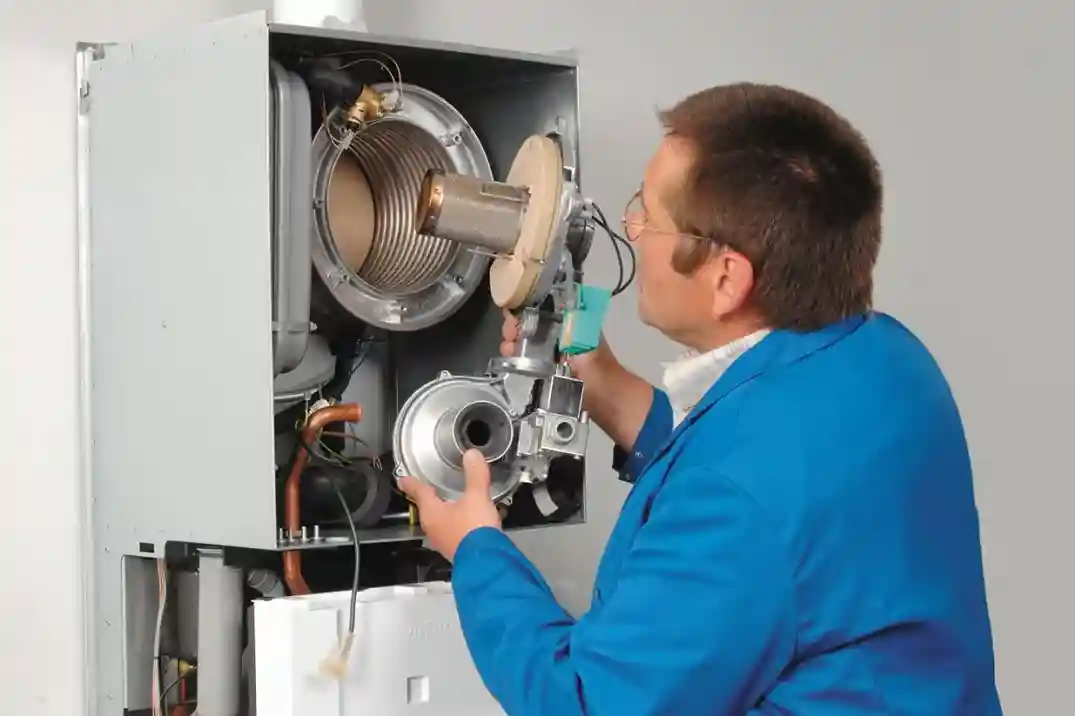
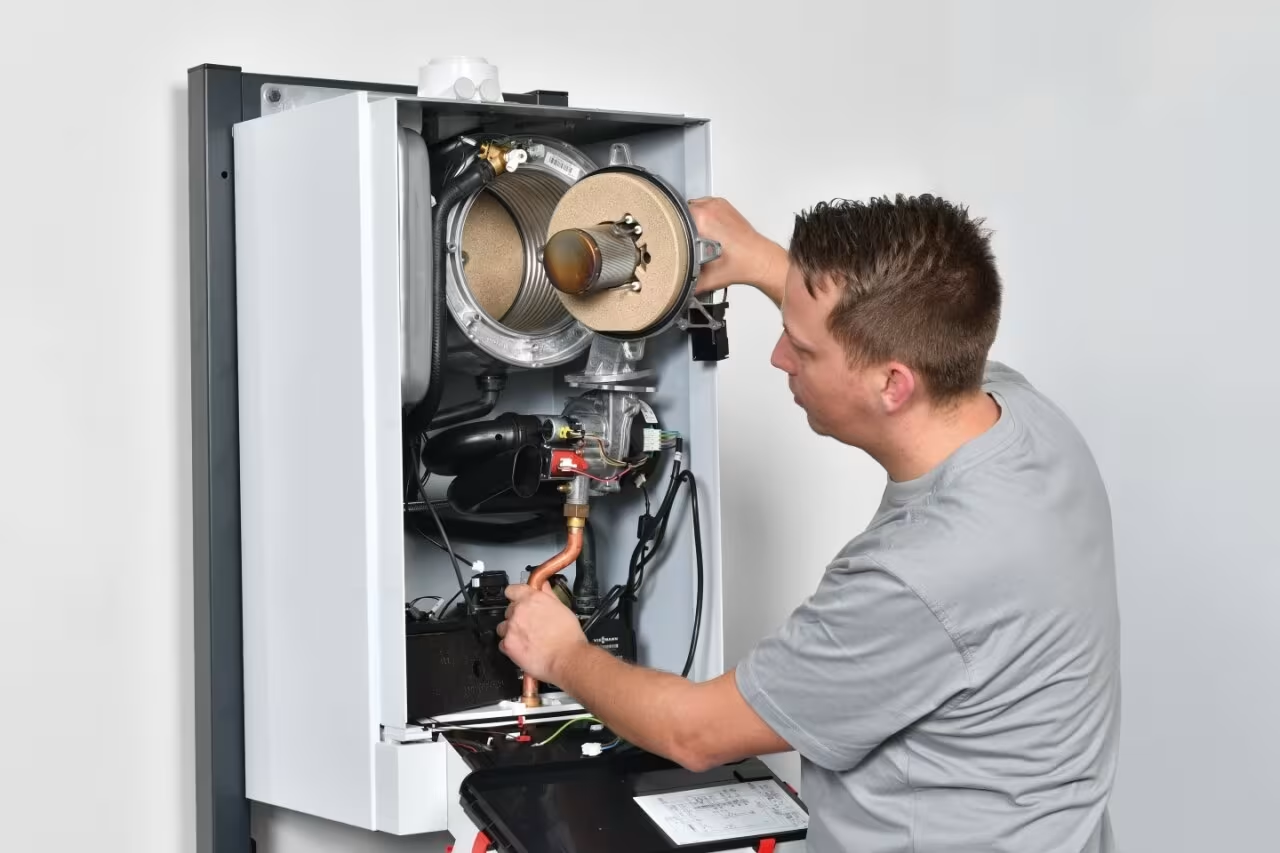
Regular heating system maintenance extends the life of your heating system and ensures reliable, trouble-free operation. This is the only way to ensure fuel energy is used efficiently and cleanly, thereby protecting the environment and saving on heating bills—without compromising the convenience of heating and hot water.

The boiler, burner, and control unit form a system similar to a car engine. If your car ran as long as your boiler, it would travel over 60,000 miles per year. And all car owners know they need regular maintenance. Therefore, your heating system should be serviced at least once a year, just like your car.

In Germany, more than five million heating systems are either not serviced at all or are serviced only when something goes wrong, even though regular maintenance is one of the duties of heating and hot water system operators (Section 3, Paragraph 3 of the Energy Saving Ordinance – EnEV).

Benefits of Regular Maintenance

Regular maintenance not only saves energy but also reduces heating costs. Experts estimate that potential input energy savings can reach five to seven percent compared to a heating system that is not maintained. This means significantly fewer resources are used for heating. Therefore, heating system maintenance ensures environmentally responsible operation.

Improving the efficiency and extending the lifespan of your heating system

Reducing heating costs

Increased operational reliability of the heating system

Constantly high level of heating and hot water convenience

Generating heat with reduced CO2 emissions through cost-effective and environmentally responsible operation

Conservation of resources through efficient use of input energy

Image

Expert service: You are in safe hands with your heating contractor

Service requires experience – this means that your heating contractor is the best specialist to conduct regular maintenance. The service provider always carefully checks all components of the system for pollution and wear. This also includes checking security and management functions. It is recommended that the system monitors the system on the basis of the maintenance compact is recommended, as this ultimately helps to reduce heating costs – and not only through efficiency gains.

Ask for expert advice right now

Reduce your heating costs with energy-saving tips from the pros

Energy saving tips don’t have to be complicated to implement. You can do a lot yourself with just a few steps. This will help you save energy and reduce your future heating bills.

Sealed connections on all windows and doors

Sealed window and door seals are essential for efficient heating. Before the heating season begins, check the seals and replace them if necessary.

Insulation of heating pipes even in heated rooms

Insulating heating pipes is simple and requires little labor or expense. It also helps save energy.

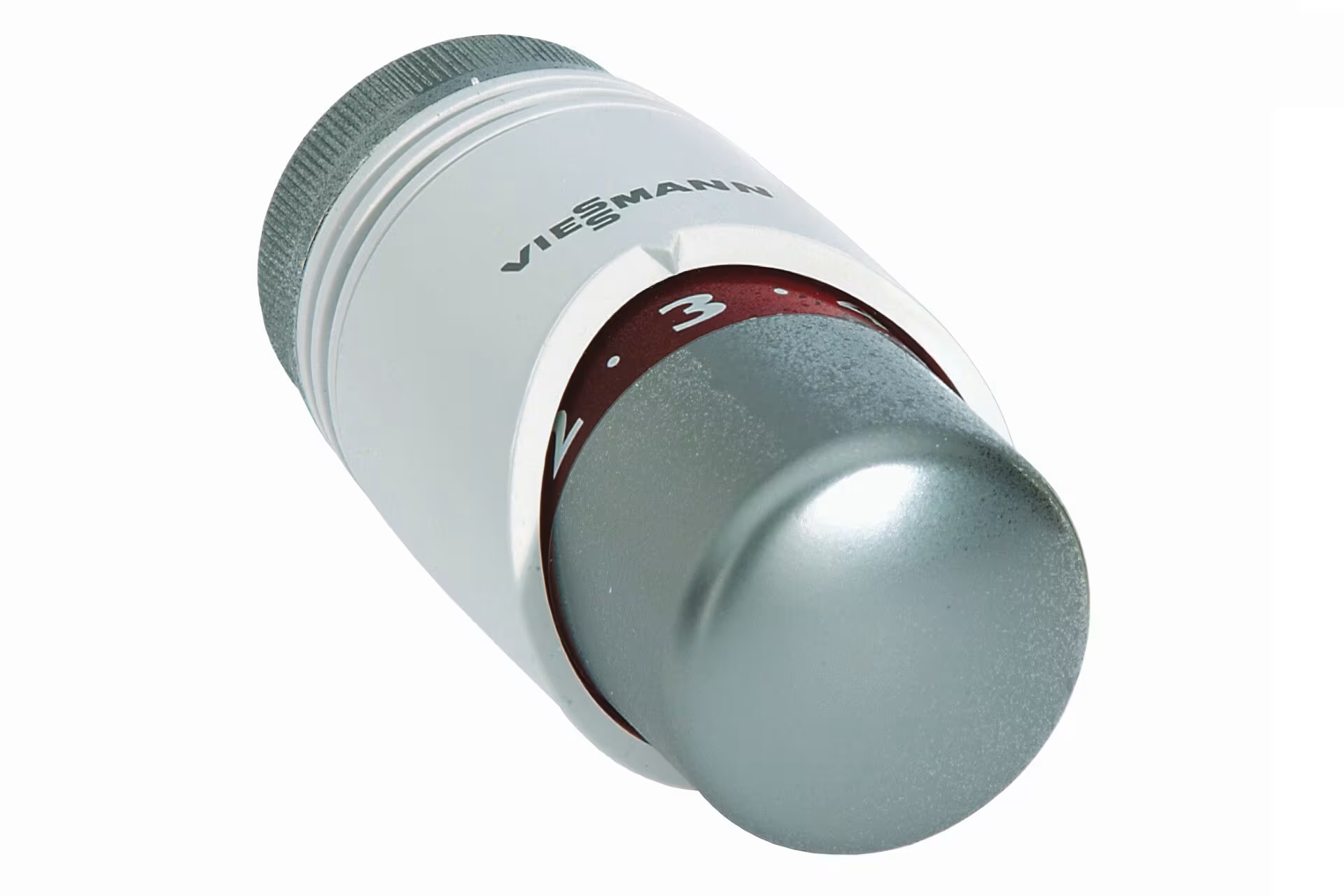
Using thermostatic radiator valves

Regularly check the operation of your thermostatic valves. A weak or even stuck thermostat will reduce heating output. To save energy, it’s recommended to troubleshoot any issues.

A brief summary of other energy saving tips

Combine all these measures to reduce your heating costs to a minimum. In addition to the three tips described above, there are other useful measures that are quickly implemented and have significant energy-saving potential:

  • At night, you should only reduce the temperature of your radiators, rather than turning them off completely; this will prevent the room from cooling down too much. If the room cools down completely, more heating water will be required to reheat it. This, in turn, increases energy consumption.
  • Curtains hanging in front of radiators or furniture placed directly in front of them impede heat circulation throughout the room. The heating system cannot achieve its full effect and must supply more heat to maintain the desired room temperature. Therefore, keep radiators clear of obstructions.
  • Curtains and blinds should be closed at night. This will reduce rapid heat loss and protect against cold and drafts.

Use less water and save energy

Efficient heating isn’t the only way to save energy and reduce heating costs. Conserving on water also reduces energy consumption. The following tips for saving water in the bathroom and when washing clothes are easy and inexpensive to implement.

Image

Saving water in the bathroom

Water-saving flush valves

Using water-saving flush fittings in toilet cisterns reduces water consumption. A standard cistern uses three times more water than a cistern with a water-saving flush button (approximately 9 liters of water per flush).

Crane repair

Fix dripping faucets immediately, otherwise water consumption will become very high.

Correct fittings

It is highly recommended to use water-saving shower heads and faucets.

Take a shower instead of a bath

Filling a bathtub consumes three times more water and energy. Besides thermal energy, providing hot water is a significant factor in household energy consumption.

Toothbrush tumbler

Use a cup when brushing your teeth and turn off the faucet.

Save water when washing clothes

No prewash

Always wash a full load. Avoid prewashing and wash at 60°C instead of 90°C. Prewashing is only necessary for heavily soiled items.

Use economic cycles

Use economy cycles if your washing machine or dishwasher has them. They may take a little longer, but they help save water and, therefore, energy.

Air drying clothes

A dryer uses twice as much energy as a washing machine for the same load. Therefore, if possible, it’s best to let your laundry dry in a drying room or outside.

Save energy and reduce your climate impact

In addition to energy for heating and hot water, a home requires electricity. Although its share of overall energy consumption is relatively small, there are many reasons to conserve electricity. Firstly, because the price of electricity is constantly rising, and secondly, because electricity is still primarily generated by traditional power plants. Fossil fuels such as coal or gas, which emit CO2 when burned, are often used as energy sources.

Turn off electrical appliances completely instead of using standby mode.

Saving electricity is child’s play in many areas of our lives. For example, completely turn off electrical appliances such as music systems, televisions, and computers if they won’t be in use for some time. Although many appliances have a standby mode from which they can be quickly activated, they still continue to consume electricity while in standby mode. For consistent savings, use switches with multiple outlets. This allows you to unplug several appliances with a single switch.

Ditch energy-hungry air conditioners

Air conditioners provide a pleasant temperature on hot summer days. However, these appliances are real energy consumers. If they are used only a few days a year, this will lead to increased energy costs. A significantly cleaner alternative is a heat
pump
 with cooling functionality. In winter, it reliably and economically heats rooms. In summer, it pleasantly cools rooms. For more information, see the section ” Natural and Active Cooling .”


Generate your own electricity with a photovoltaic system

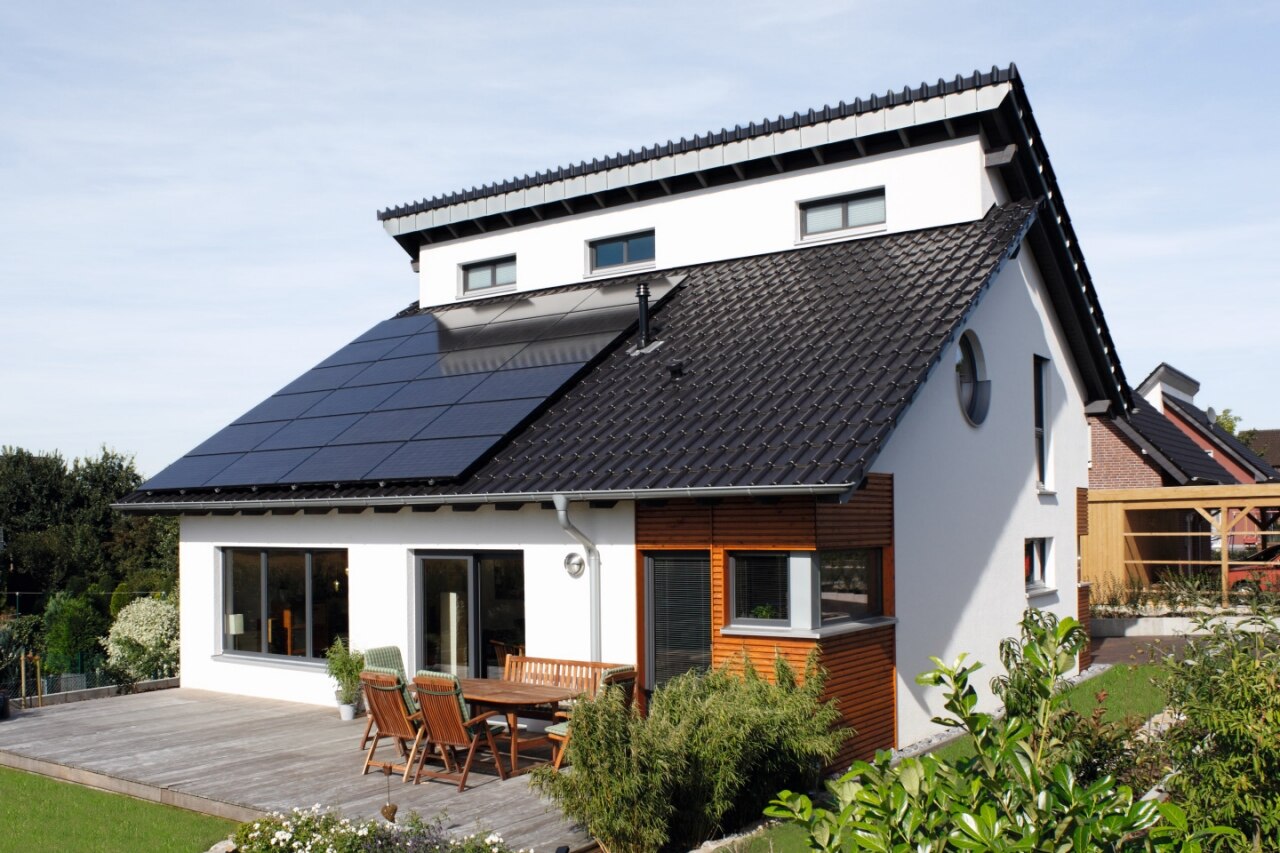
Photovoltaic systems are now available in a wide range of designs and power sizes. With the right orientation and placement on your roof, a system can be installed quickly and cost-effectively. You can feed the electricity it generates into the local power grid, and you’ll even get paid for it. Or you can simply use it yourself. In this case, you’ll never have to worry about saving energy again.

You can also find more information about energy savings in our heating FAQs and more .

Other Viessmann guides and tips

Heating with wood

Heating with wood

Read more
Adjusting the heating curve and saving energy

Adjusting the heating curve and saving energy

Read more
Heating check

Heating check

Check your heating now and start winter with peace of mind tips on how to check your heating before the winter season.

Read more