

(Photo: © Ivan Kruk / Shutterstock.com)
Heating costs are increasingly accounting for a growing portion of monthly expenses. However, they can often be reduced with simple measures. For example, through heating optimization, in which heating contractors make existing systems more efficient. The following guide explains how this works and how you can even qualify for grants for heating system optimization.
Replacing outdated thermostats and adjusting them correctly
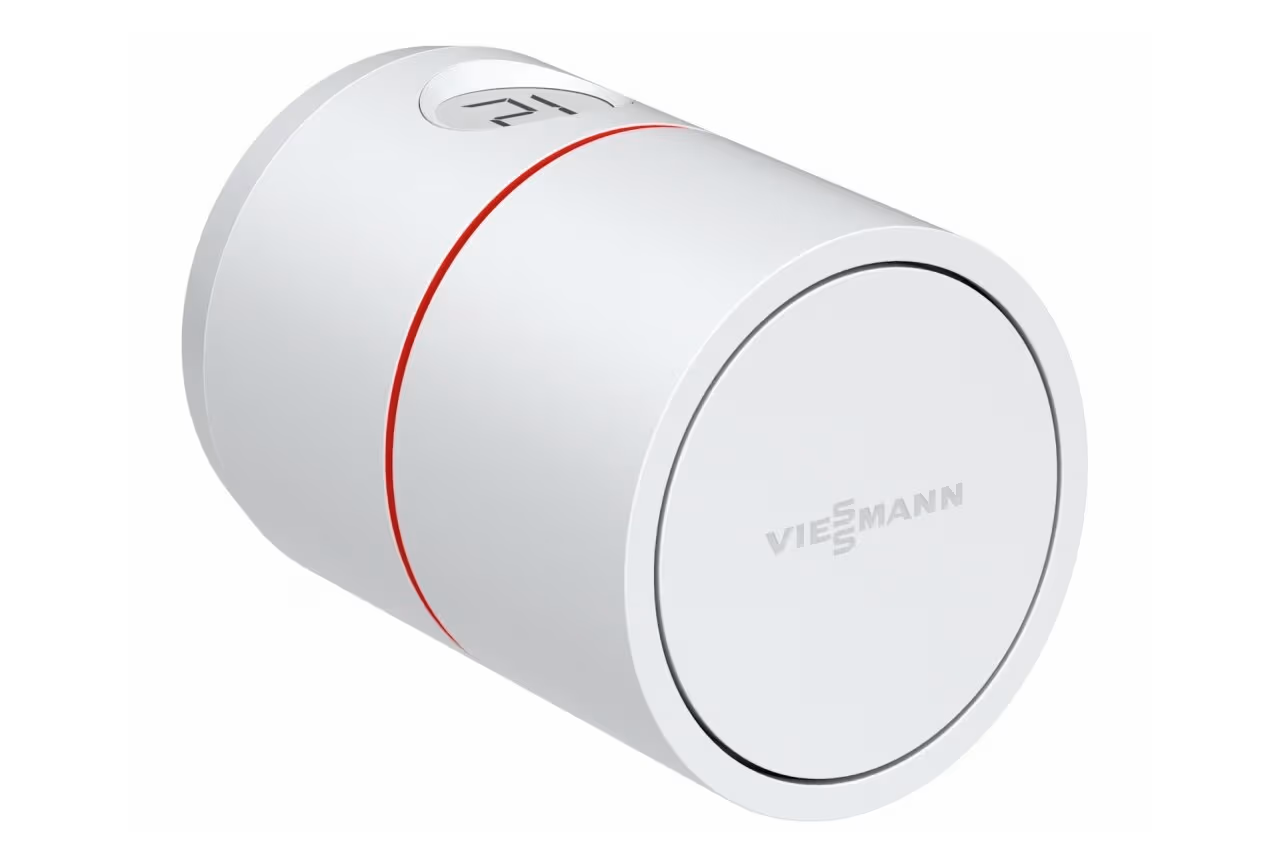
By reducing the room temperature by one degree Celsius, you can save up to six percent on heating costs. This is especially true for existing buildings, where doors between different heated rooms remain closed. Time-based controls, such as night setback , are also useful . This involves lowering the room temperature to save energy when everyone is asleep. Just before waking, the heating system heats all rooms to the desired temperature, ensuring a high level of comfort. Viessmann ViCare heating thermostats also provide this benefit and can be controlled from the comfort of your couch or on the go using your smartphone, and their programming is very simple.
Insulation of pipes and fittings to optimize the heating system
If bare pipes run through unheated rooms, they act as radiators. They radiate excess heat, thereby increasing energy consumption. This can be prevented by insulating the heating system pipes and fittings. This heating system optimization measure can be implemented quickly and inexpensively by you or your heating contractor.
Hydronic balancing for efficient heat distribution
Are some rooms in your home not reaching the desired temperature, while others are literally overheating, or are your radiators making a loud noise? These are all signs of poor hydronic balancing . Heating water isn’t flowing optimally through the system, causing it to consume more energy than necessary. When heating contractors perform hydronic balancing, they properly configure the system. They ensure that each heating surface receives the required amount of heating water, thereby reducing consumption. Incidentally, this isn’t just helpful when the symptoms described above occur. Optimizing your heating system is also beneficial when you’re insulating your home or replacing a heat generator.
Replacing the heating circuit pump and reducing energy consumption
Old heating circuit pumps operate at high power for many hours a year. They consume more power than necessary and can be easily replaced with high-efficiency pumps. These operate on demand. Their motors are particularly efficient and consume an average of 90% less electricity. Optimizing your heating system, which is especially helpful with hydronic balancing, typically takes just one to two hours for your heating contractor.
Correct setting of the heating curve and optimization of the heating system
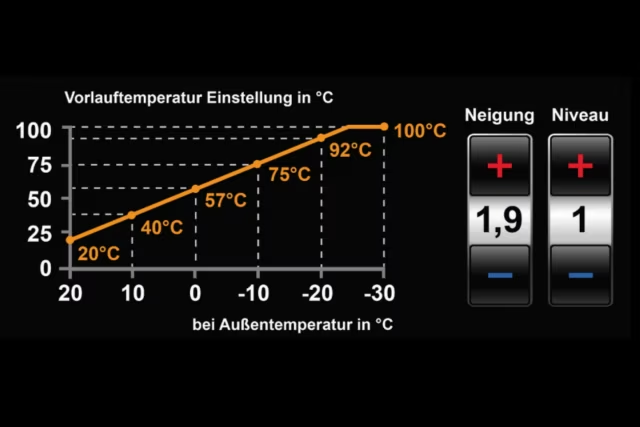
With every degree Celsius drop in outside temperature, the building loses more heat through the building envelope and ventilation. Heating systems compensate for this loss by raising the water temperature in the heating system. The heating curve determines the water temperature required to supply sufficient heat to the home at varying outside temperatures. Setting the heating curve correctly saves significant energy, while setting it incorrectly results in cold rooms or excessive consumption.
Subsidies for heating system optimization
Whether you’re optimizing radiator thermostats, insulating pipes, or hydronic balancing, you can qualify for government subsidies for heating system optimization (from BAFA, KfW, or Inland Revenue in Germany) for many types of work. These can include one-time subsidies, loans with repayment subsidies, and tax incentives. In Germany, you’ll receive a five percent increase in grants and loan repayment subsidies if this activity is included in your individual renovation plan.
Important: Apply for BAFA grants and KfW loans before implementing any projects. The modernization tax bonus can be used retroactively through your income tax return.