
(Photo: © Krasula / Shutterstock.com)
If you want to become more independent from fossil fuels and save on heating costs, you should choose heat generators that use renewable energy sources. Wood heating is just one alternative to gas and oil heating. It has its advantages, especially when the fuel is sourced locally and modern technologies are used. But does wood heating have a future? What’s important? What are the costs to expect? We offer an overview.
Technical options for using wood as a heat source
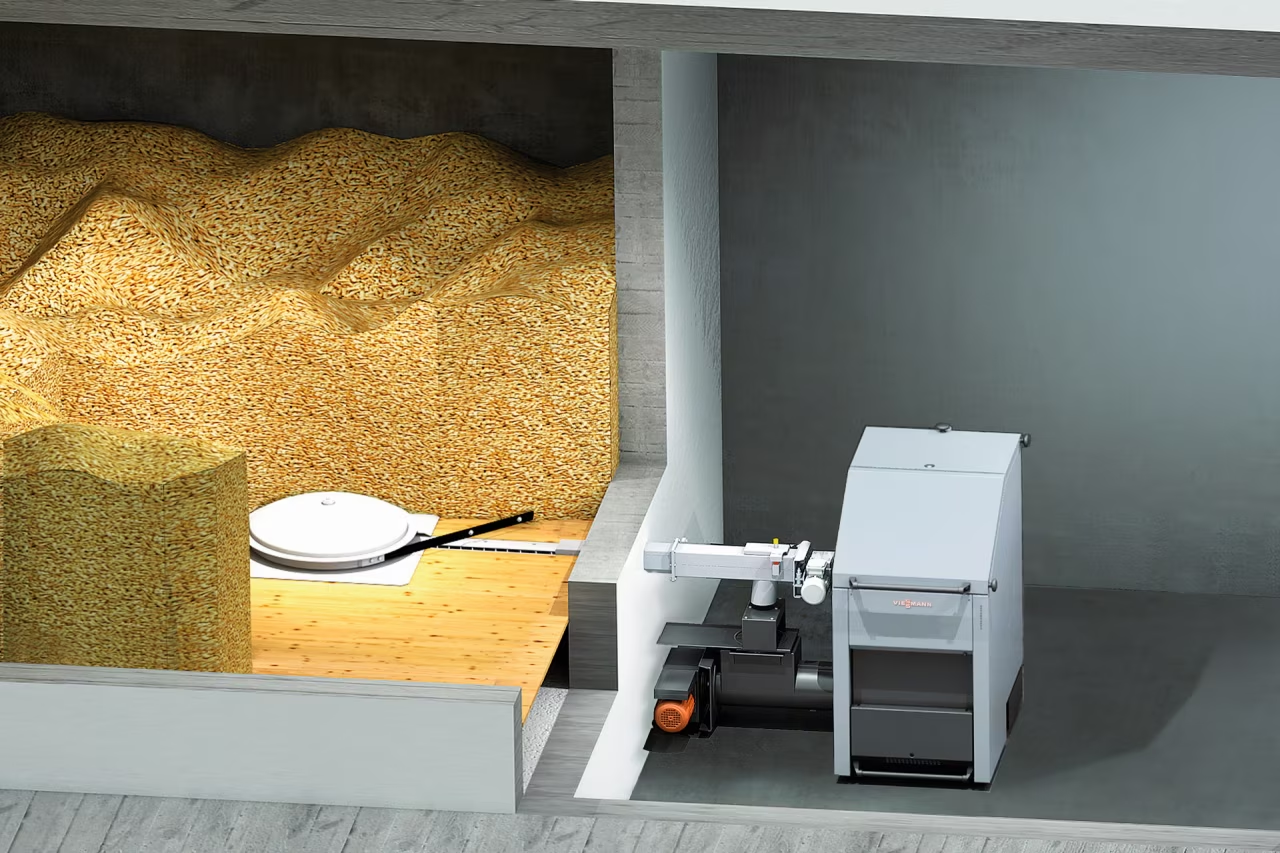
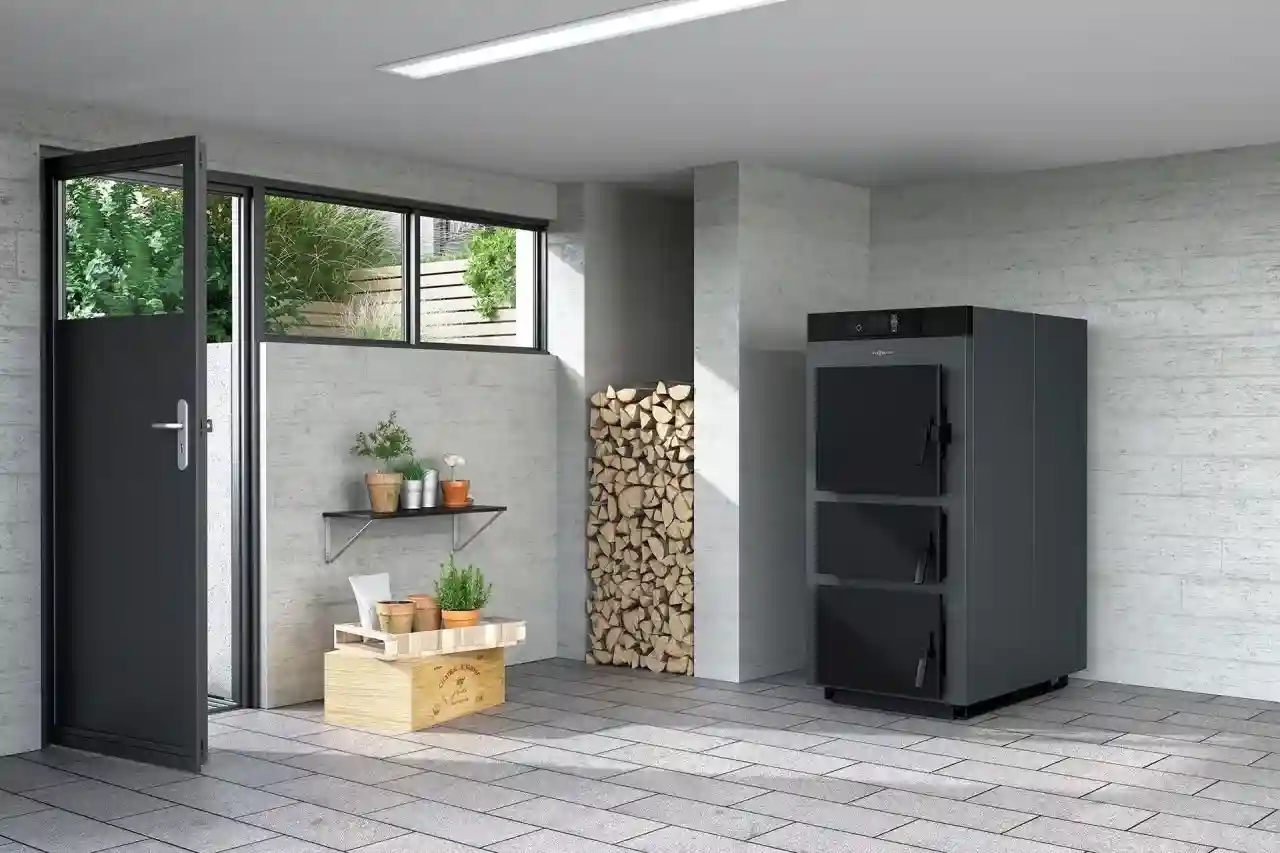
If you want to heat with wood, your primary choice is between individual room heating systems and central heating boilers. Room heating systems, such as stoves and fireplaces, primarily heat the room in which they are installed. However, using a so-called water pocket, they can be connected to the building’s central heating system to relieve the load of another heating system. Central solutions supply heat to the entire building and also provide hot water. Depending on the fuel used, there are four types of so-called solid fuel boilers :
- pellet boiler
- Log boilers
- Wood chip boilers
- combination boilers
If a central solid fuel boiler is an option, a buffer tank should be installed. It can temporarily store excess heat. This allows the wood heating system to operate continuously at a higher output and, therefore, more efficiently. Without a cylinder, the heating system must run more frequently due to fluctuations in heating demand in the home. This negatively impacts the efficiency and service life of individual components. Consult an installation specialist for additional considerations when designing a wood heating system and which wood heating technology is best suited to local conditions and requirements.
How environmentally friendly is heating with wood?
Heating with wood is considered environmentally friendly, partly because it’s a renewable fuel. Unlike oil, gas, and coal, wood grows naturally. Furthermore, heat production is characterized as carbon neutral. This is because burning wood releases CO2 , but only as much as the tree absorbed from the atmosphere during its growth.
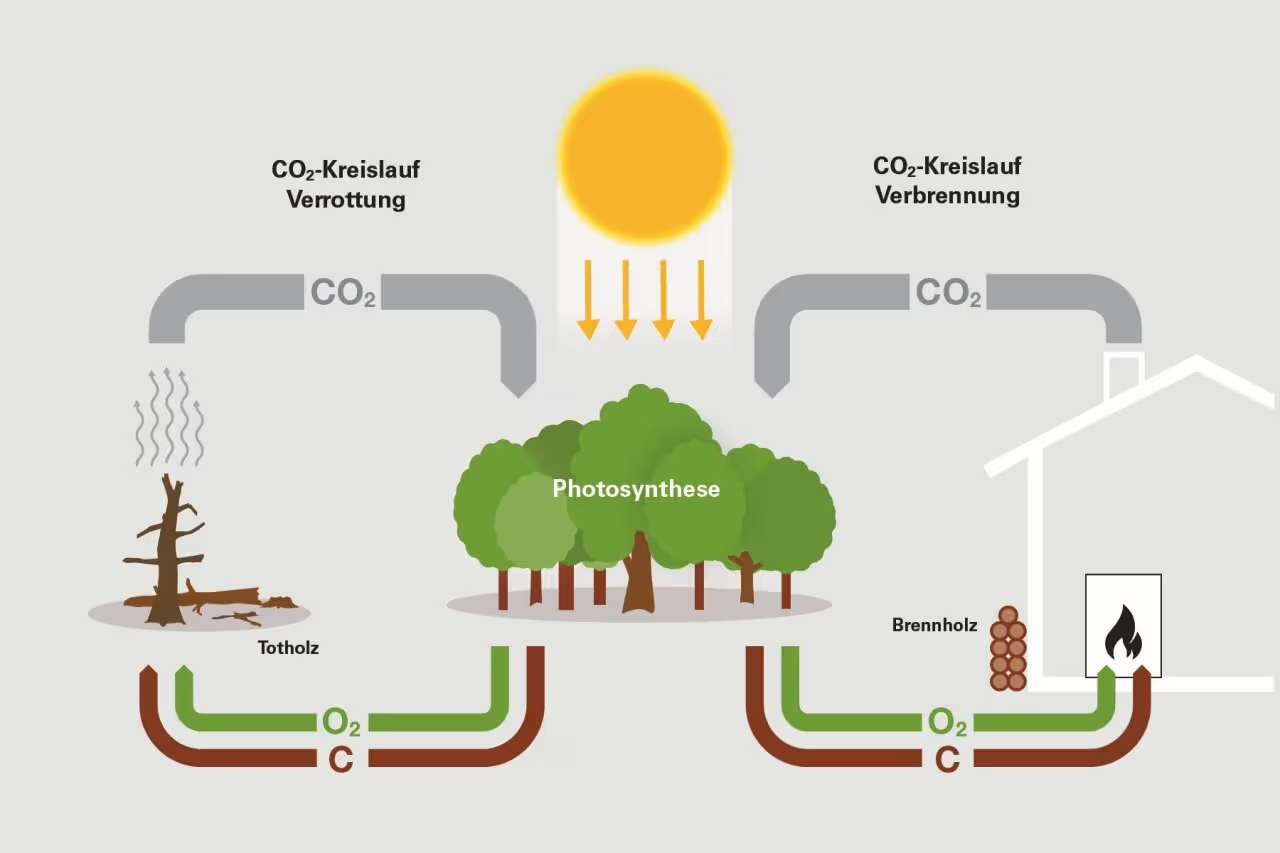
CO2 cycle in wood heating
Trees use photosynthesis to store sunlight energy as biomass. The carbon dioxide ( CO2 ) needed for this biochemical process is taken directly from the atmosphere. While trees use carbon (C) for growth, they release oxygen ( O2 ).
It’s not just the CO2 emissions of a wood heating system that are important
It’s not just CO2 emissions that need to be considered . Unlike, for example, heat pumps or solar thermal systems, biomass heat production involves combustion. In addition to CO2 , emissions also include fine dust. However, this amount can be significantly reduced by using appropriate wood heating technology, proper handling, and optimal fuel quality.
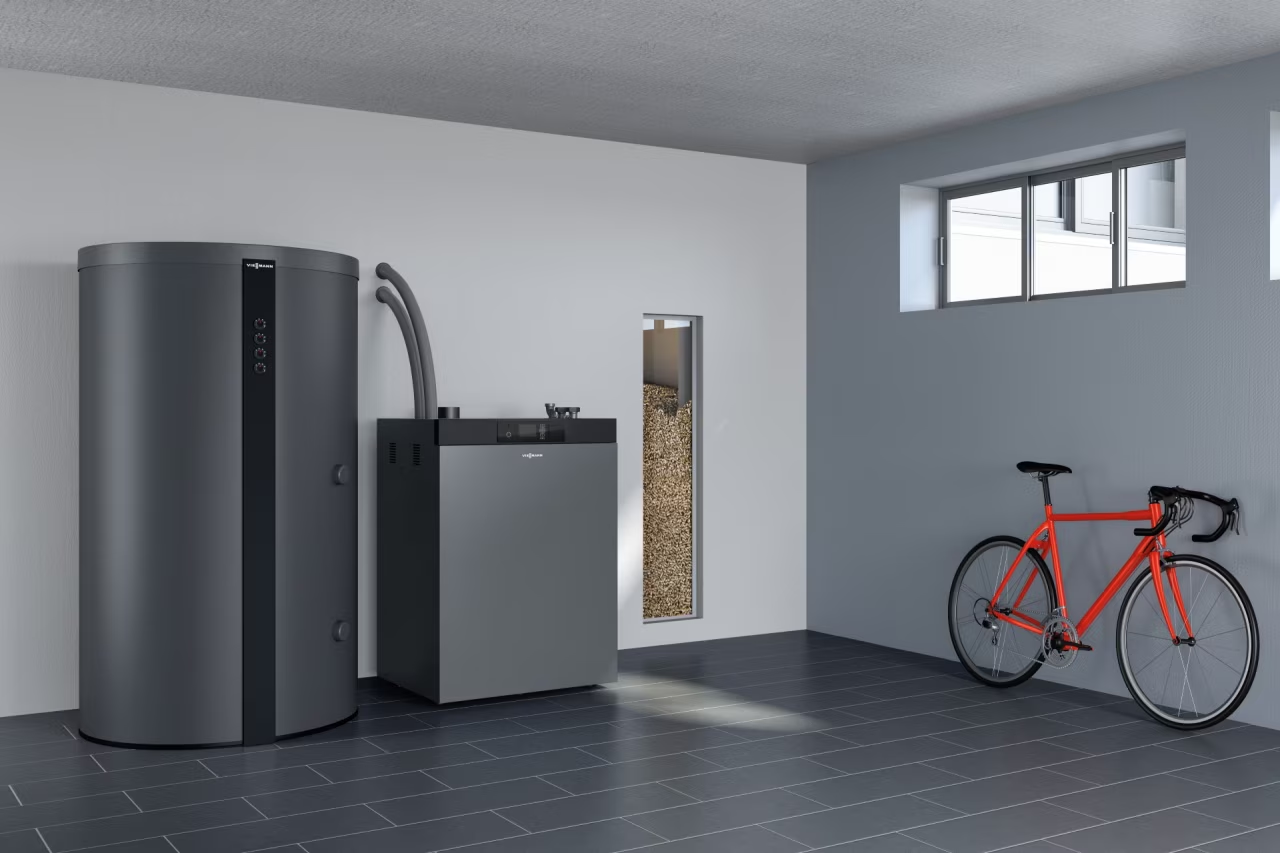
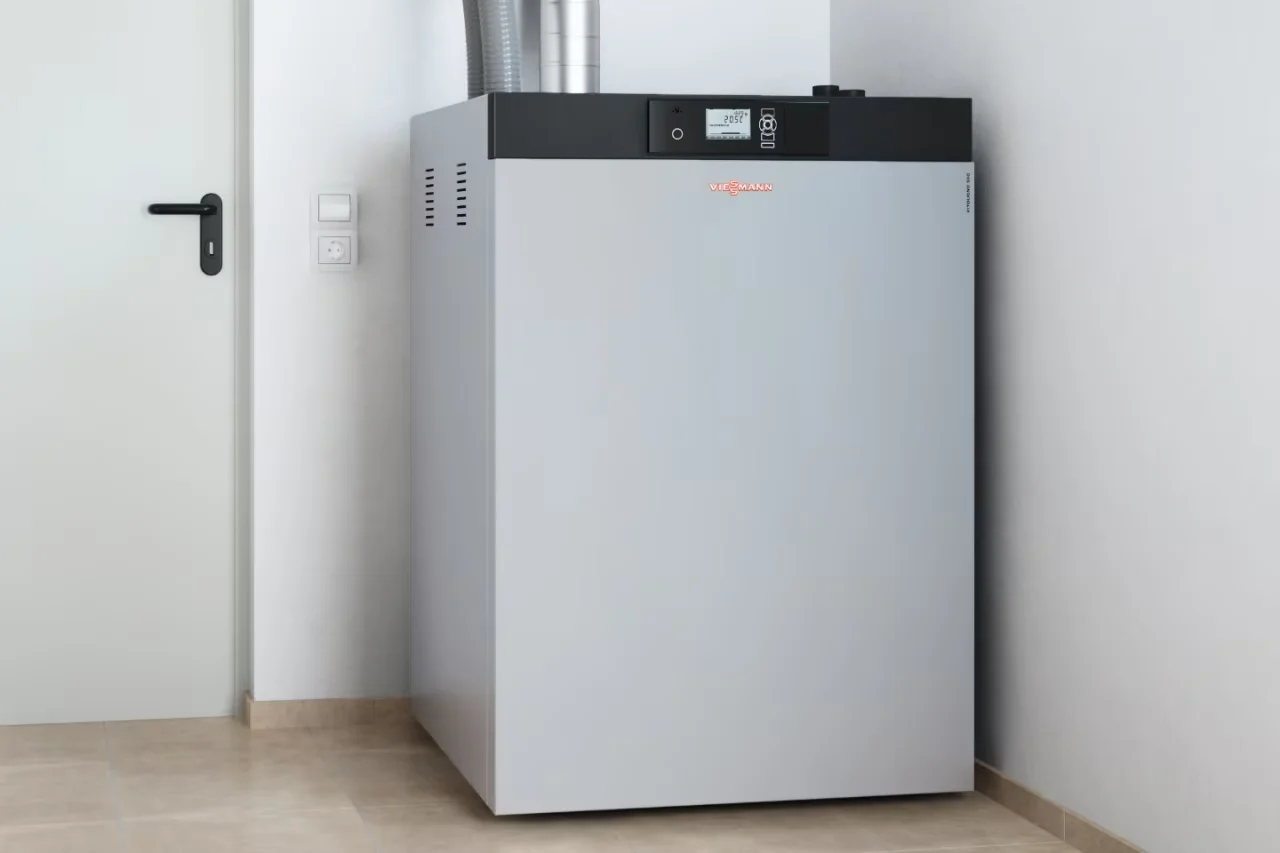
Vitoligno 300-C
Modern heating technologies reduce emissions
Anyone who wants to heat their home with wood must rely on modern technology. This guarantees low emissions. Thanks to innovative combustion technology, Viessmann Vitoligno wood-burning boilers , for example, meet all the requirements of the 1st BImSchV [German Emissions Ordinance]. What’s particularly remarkable about pellet heating systems is that errors are virtually eliminated. The correct amount of pellets is automatically fed into the combustion chamber and burned under controlled conditions. Furthermore, the small, compressed wood pieces are standardized and have a low moisture content. If the moisture content is too high, the wood will burn inefficiently. Furthermore, emissions may increase.
If you plan to install a wood-burning stove, we recommend using certified Blue Angel models. They are equipped with dust filters and automatic air control. The latter helps prevent operational errors. Dust collectors and filters are typically also upgradeable.
Wood fuel must be regional
The ability to source fuel locally is one of the advantages of heating with wood. This supports local forestry and the wood processing industry, which can efficiently utilize wood residues left over from production. Sourcing logs, pellets, and wood chips locally also reduces transportation routes. Thus, CO2 emissions can be further reduced. Those who choose to heat with wood responsibly should also choose sources based on sustainable forestry. This means harvesting only as much wood as can be regrown.
Quality labels can be useful in assessing wood fuel. For example, the German “Holz von hier” (“local wood”) label identifies companies committed to sustainable wood production and processing. The wood must come from FSC- or PEFC-certified forests. There are also requirements regarding the length of transport routes. Fuel can be traced using the product identification number on the label-issuing company’s website.
Proper storage and burning of wood
As mentioned above, proper maintenance and fuel quality are important for efficient and clean operation of a wood heating system. When heating a home with wood, several factors must be considered when selecting and storing the fuel, as well as when manually operating the system.
The wood fuel must be dry enough
When heating with wood, the moisture content of the fuel is particularly important. To ensure the most efficient and clean combustion, its residual moisture content should be no more than 25 percent of the dry weight. This complies with the requirements of the 1st BImSchV [German Immigration Ordinance]. Since freshly cut wood has an inherent moisture content of 50-65%, it must be dried for one to two years before use. Otherwise, it will not burn at all in a fireplace or stove or will significantly reduce its efficiency. This occurs because some of the combustion energy is required to evaporate the water. Therefore, the net calorific value decreases with increasing water content. As a result, more wood is required for heating, which increases fuel costs and emissions.
A moisture meter can be used to check whether the logs are dry enough. Important: The properties of bark can differ from those of the rest of the wood. Therefore, to avoid measurement errors, do not test on bark.
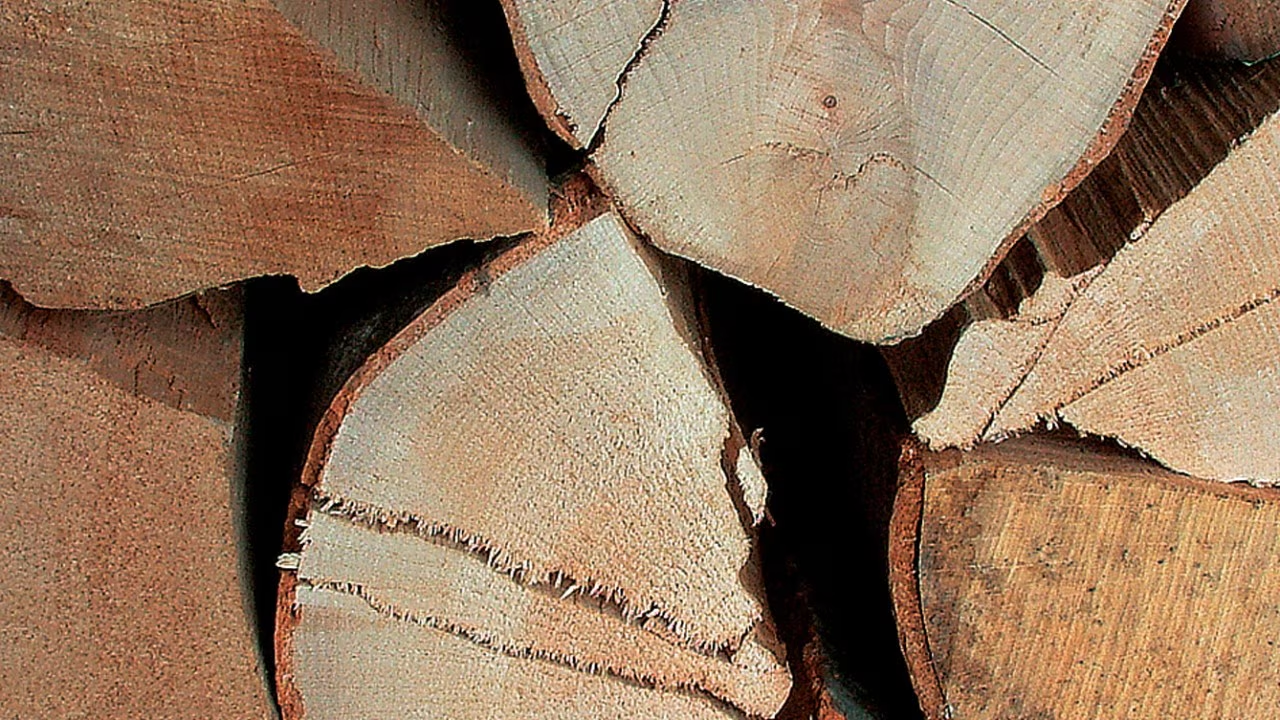
Creating optimal storage conditions before heating with wood
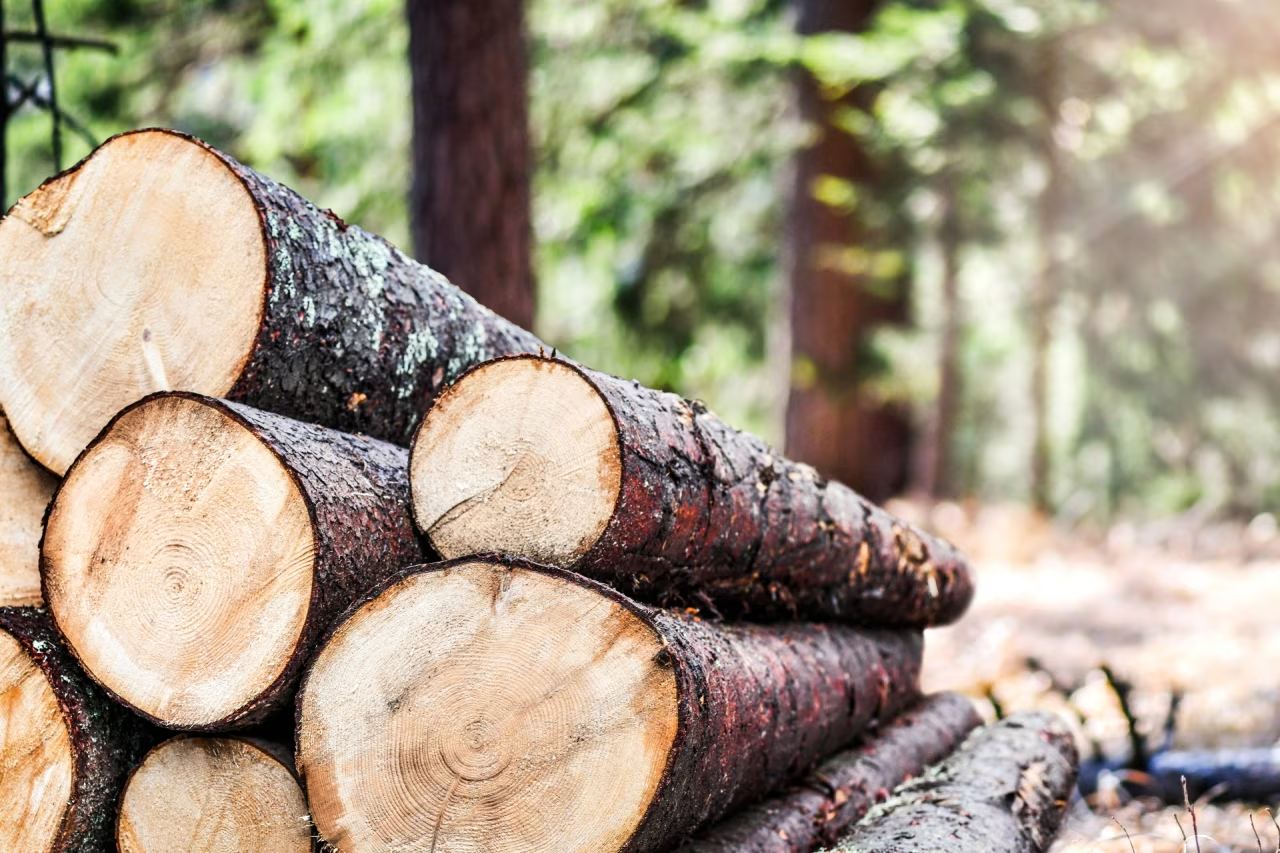
Storage conditions have a significant impact on fuel quality. Industrially produced fuels, such as pellets and wood briquettes, have a relatively constant quality. To maintain their quality, they should be stored in a dry place. This also applies to ready-to-light wood fuel, which can be stored safely in a basement due to its low moisture content. Fresh logs, on the other hand, should be stacked as quickly as possible to ensure rapid drying. Adequate air circulation should always be ensured. Other tips for storing wood fuel :
- Pallets protect wood from moisture from below
- A tarp or firewood cover protects the wood from rain and snow.
- The minimum distance to the wall of the house should be ten centimeters.
- The south and west sides of the house are good for storing firewood.
Proper heating with wood
As mentioned above, wood heating systems with automatic controls are ideal for convenient and easy wood heating. Errors are unlikely. However, to ensure trouble-free operation, regular heating system maintenance is recommended . On the other hand, when using manually controlled wood stoves, proper operation is crucial to ensure efficient and clean combustion. When lighting and heating, the following rules must be observed:
- Use only professional fire starters such as waxed wood wool, fire starter pads or fire starter cubes.
- In addition, to light the fire, place brushwood about a finger thick in the firebox.
- To ensure sufficient oxygen supply when starting a fire, open the combustion air supply fully.
- Once the logs have burned completely, reduce the air supply again.
- If coals have formed and only a small flame is visible, add more logs.
- First, knock the coals down, then place the logs on top, split edge down.
- Open the combustion air supply again until the added wood ignites.
- To prevent the room from cooling down, close the air supply after the coals have gone out.
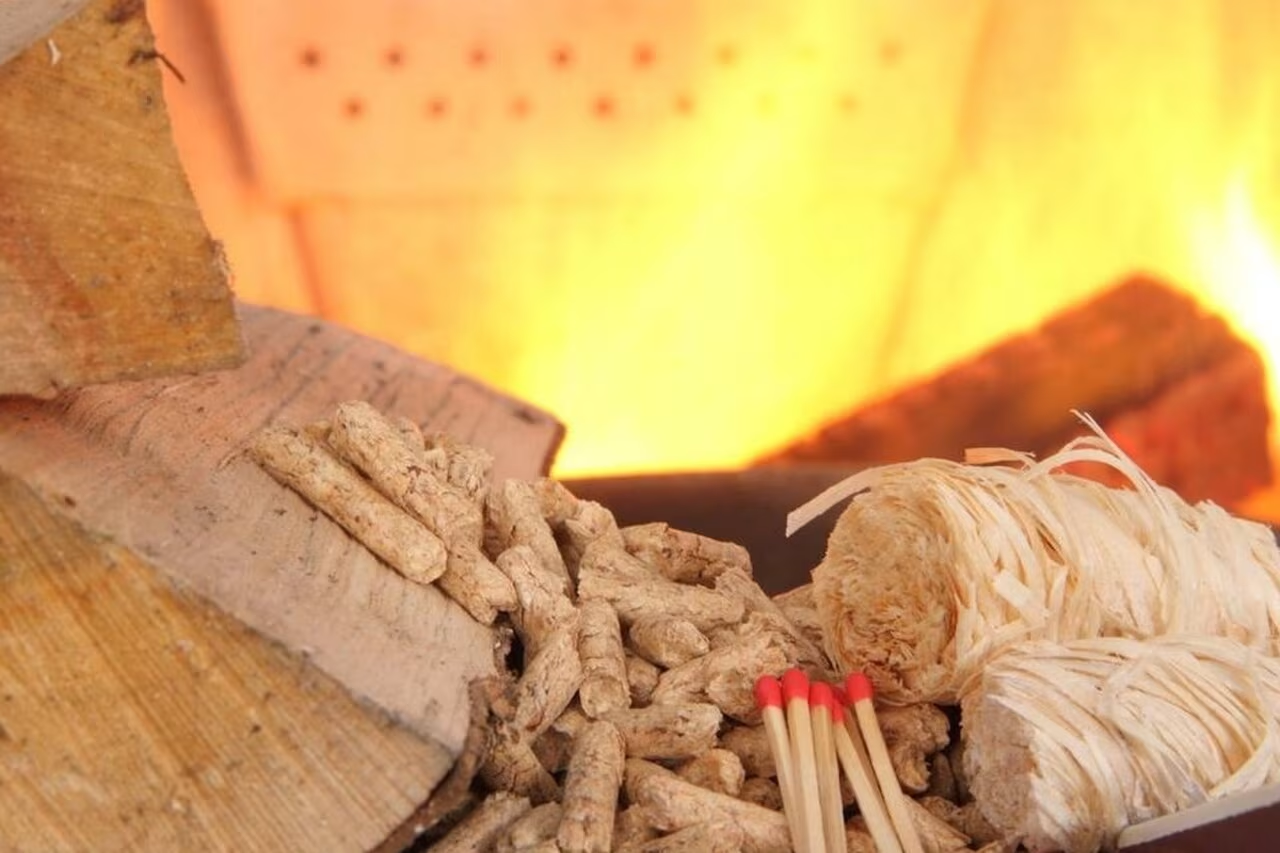
Consider the stove design when lighting it.
Detailed information on combustion air supply can usually be found in the manufacturer’s documentation. When manually heating with wood, it’s important to consider the stove or fireplace design. This determines whether it should be lit from the top or bottom.
- With a bottom grate – lighting from below: Place two layers of kindling on the open grate and place lighters between the bottom pieces of wood. Place two or three thick logs, split edge down, on the top pieces of kindling and light the lighters.
- Without a bottom grate – lighting from above: Place two or three logs on the cleared floor of the firebox, split side up. Place kindling on top. Place lighters between the pieces of kindling and light them.
Save money by heating with wood
In times of rising fossil fuel prices, heating with wood means savings. This is because, unlike oil and gas prices, the prices of wood pellets, logs, and chips remain relatively low and stable. Therefore, the relatively high investment in innovative technologies, such as those used in pellet heating systems, is worth it, especially in the long term. These high acquisition costs are due, in part, to the fact that in addition to the heat generator itself, appropriate storage and transportation technology is also required. However, those who rely on innovative technologies can save on heating costs with wood thanks to government subsidies.
Wood heating systems receive government subsidies
In Germany, the state contributes to the costs of new wood heating systems through the Federal Funding for Energy-Efficient Buildings (BEG). Those renovating buildings benefit particularly. Provided all technical requirements are met, the subsidy is 35%. For particularly low-emission heat generators, such as the Viessmann Vitoligno 200-S and 300-S wood gasification boilers with filter or the Vitoligno 300-C pellet boiler with filter, an additional five percent biomass innovation premium is available. If wood heating is an alternative to oil heating , the conversion surcharge increases the subsidy rate by an additional ten percent. Long-term planning is also beneficial. If the heating system is replaced as part of an individual renovation plan (iSFP), one can also qualify for the so-called iSFP bonus. This can reduce the associated costs by 55 percent.