
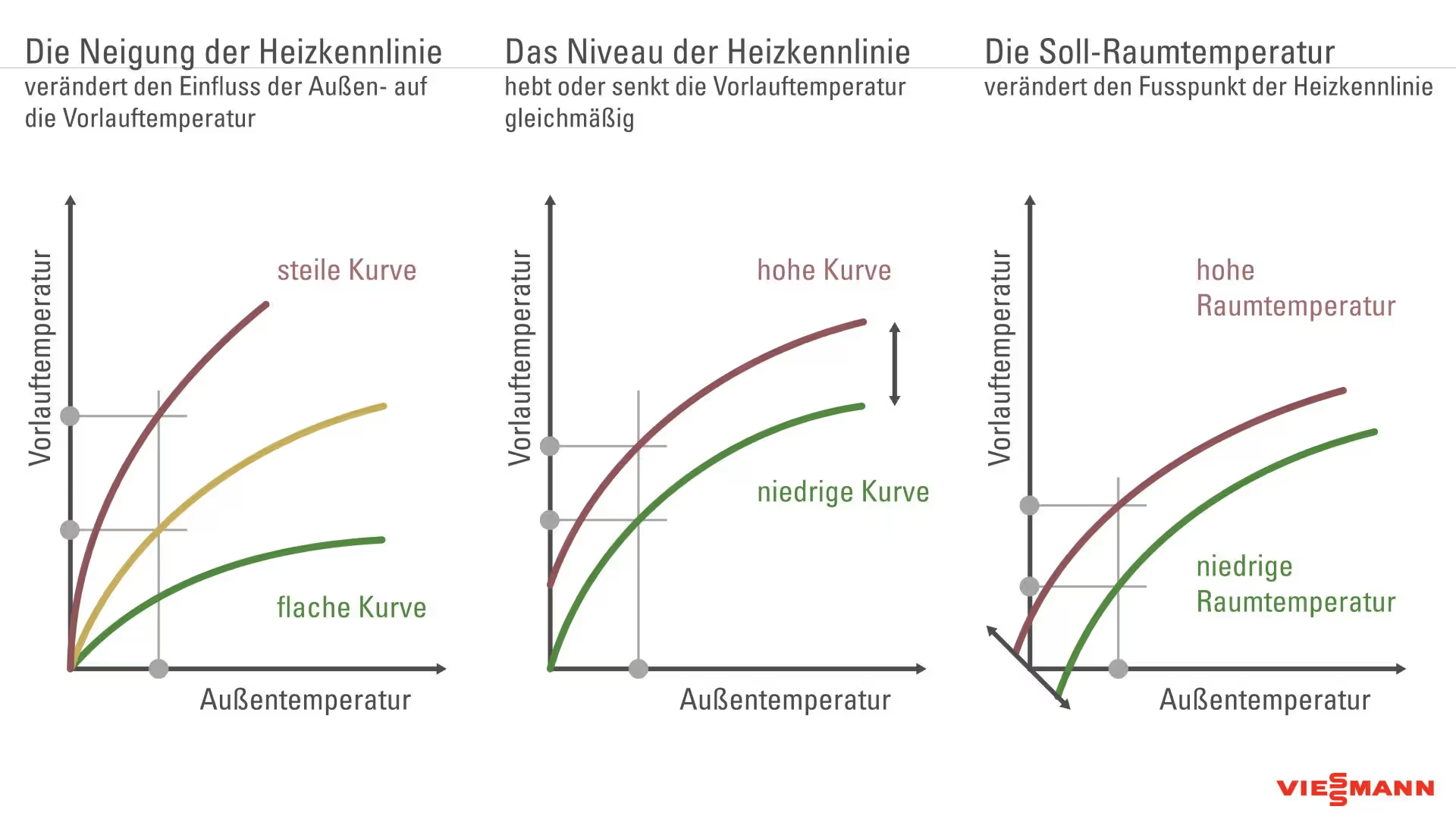
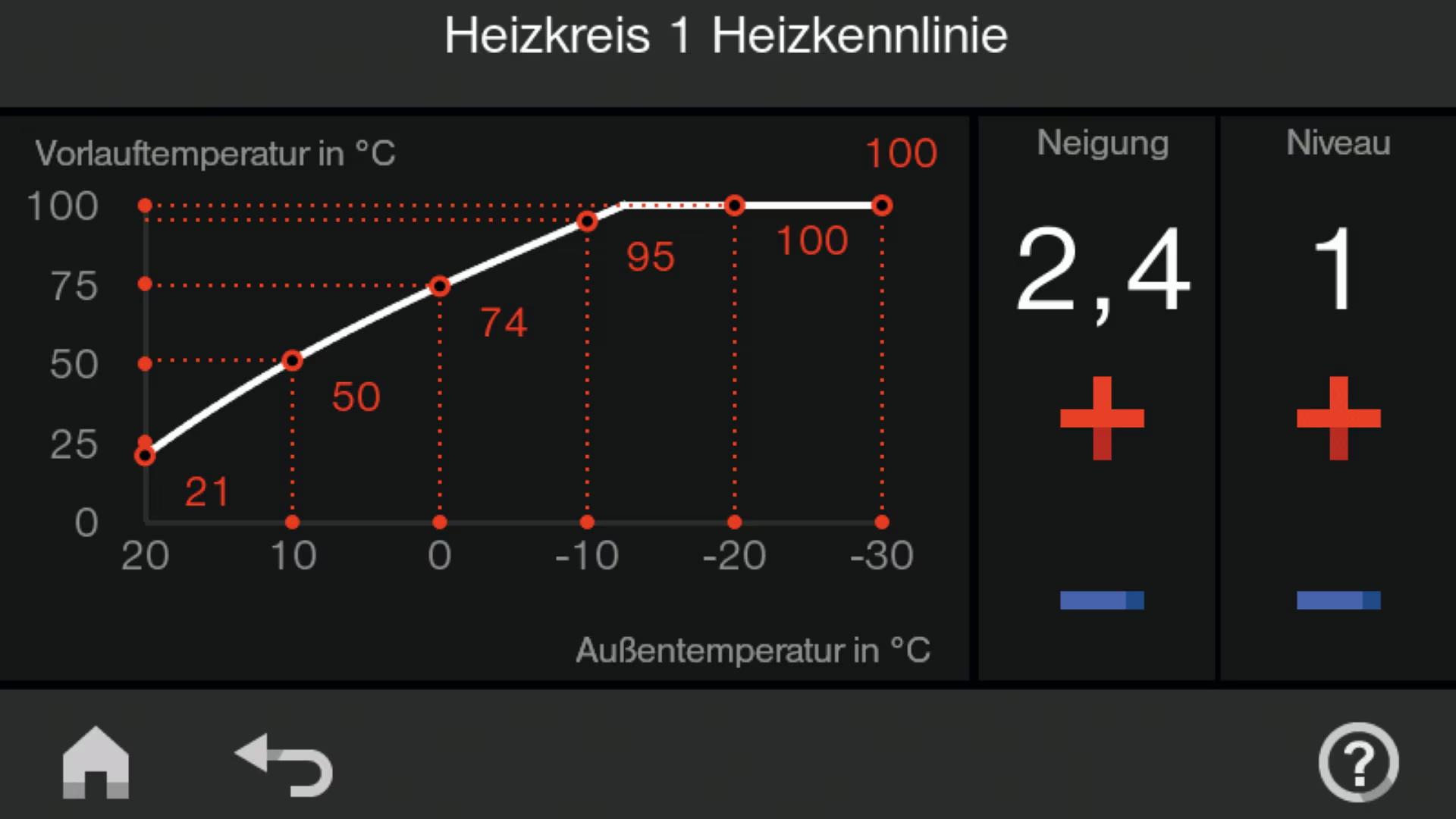

The slope and level you set depend on many factors, so it’s impossible to give a general answer. Besides the building’s thermal insulation, the type of radiators installed also plays a role.
However, the following standard values for slope can be used as a guide:
- 0.3 – 0.5 in a well-insulated house with underfloor heating
- 1.0 – 1.2 for a well-insulated house with heating radiators
- 1.4-1.6 for an old, detached building with radiators.
The following adjustments can be made to the heating curve level in an existing system:
- If the room temperature is generally too low: Increase the level
- If the room temperature is too low, especially on cold days: increase the slope
- If the room temperature is too low in spring/autumn, but sufficient on cold days: increase the level and decrease the slope.
- If the room temperature is too high in spring/autumn, but sufficient on cold days: lower the level and increase the slope