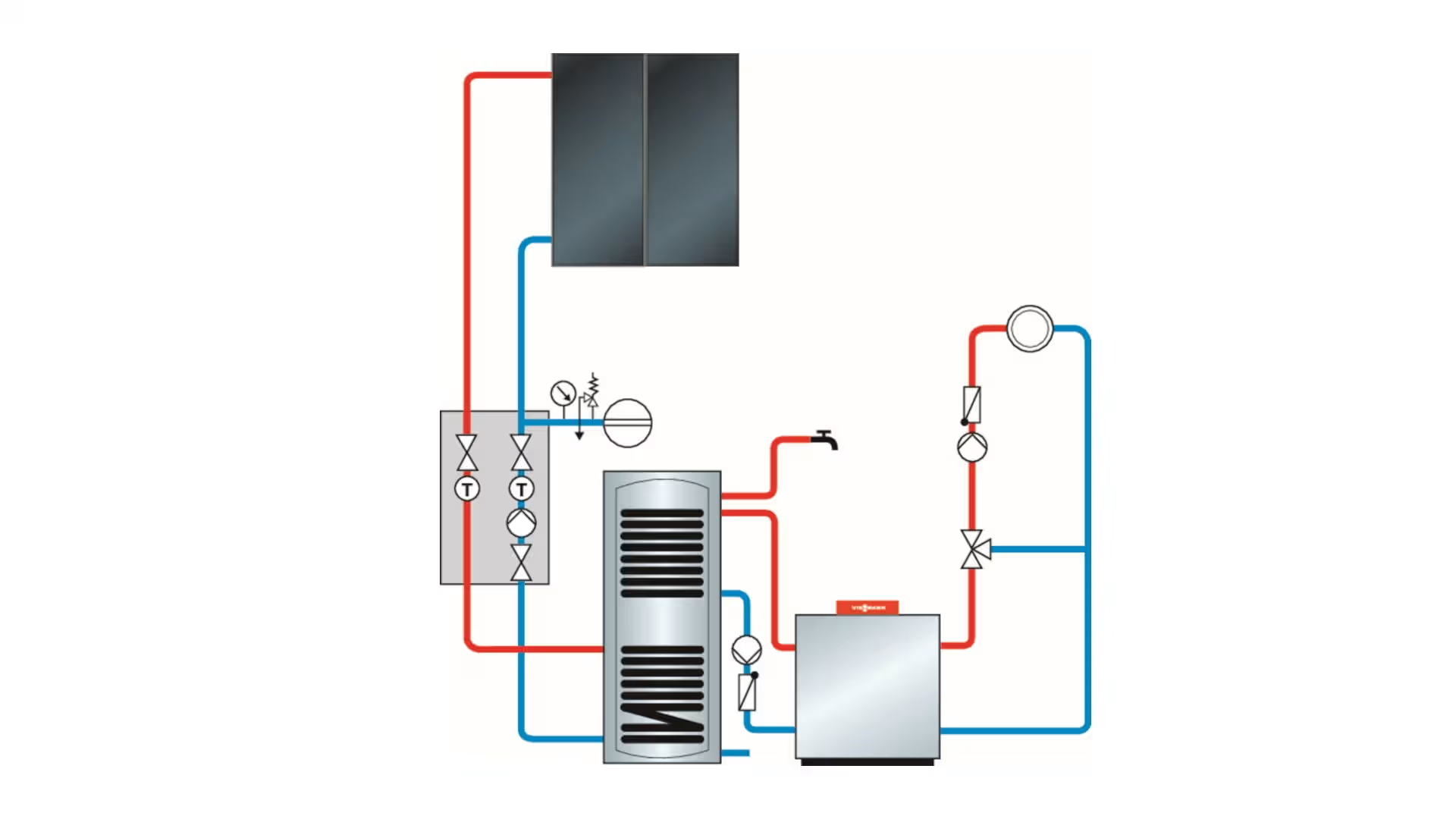
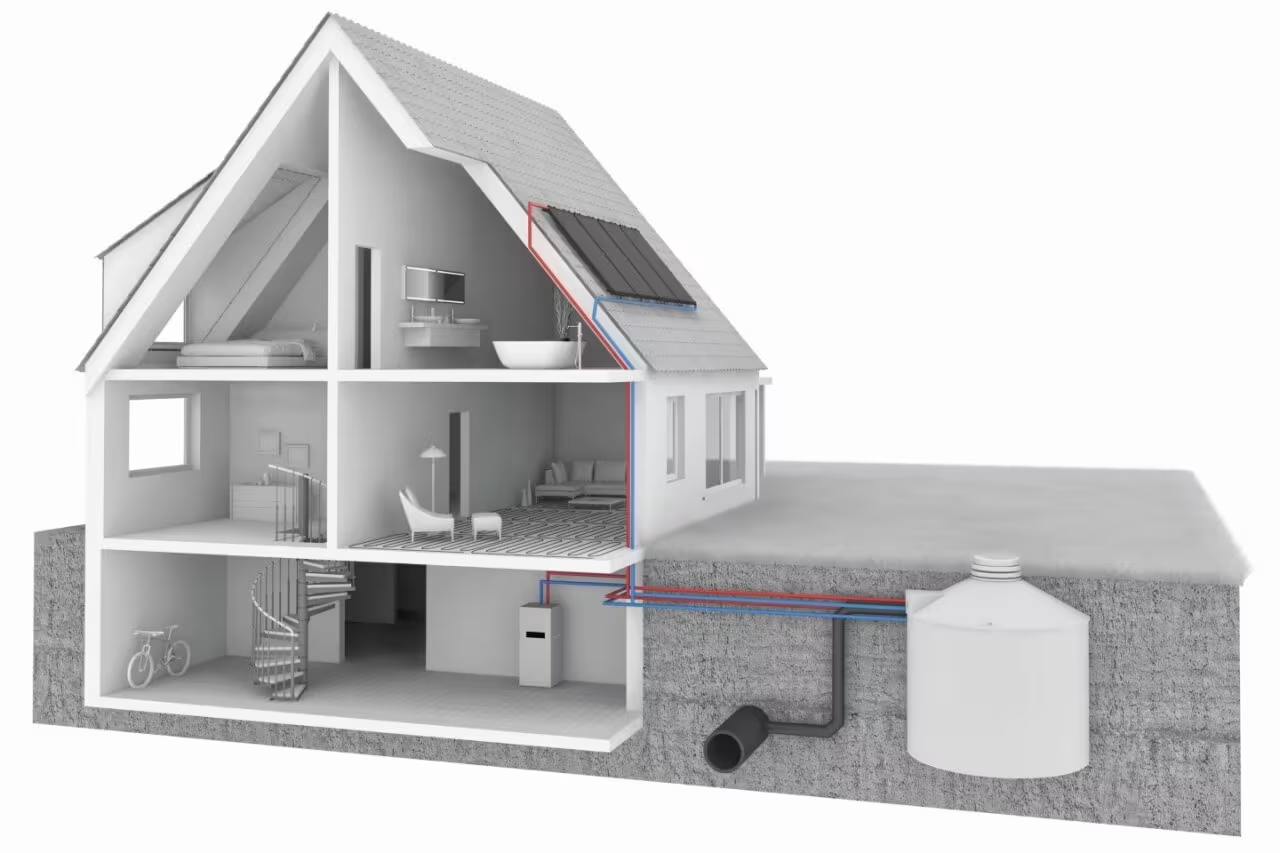
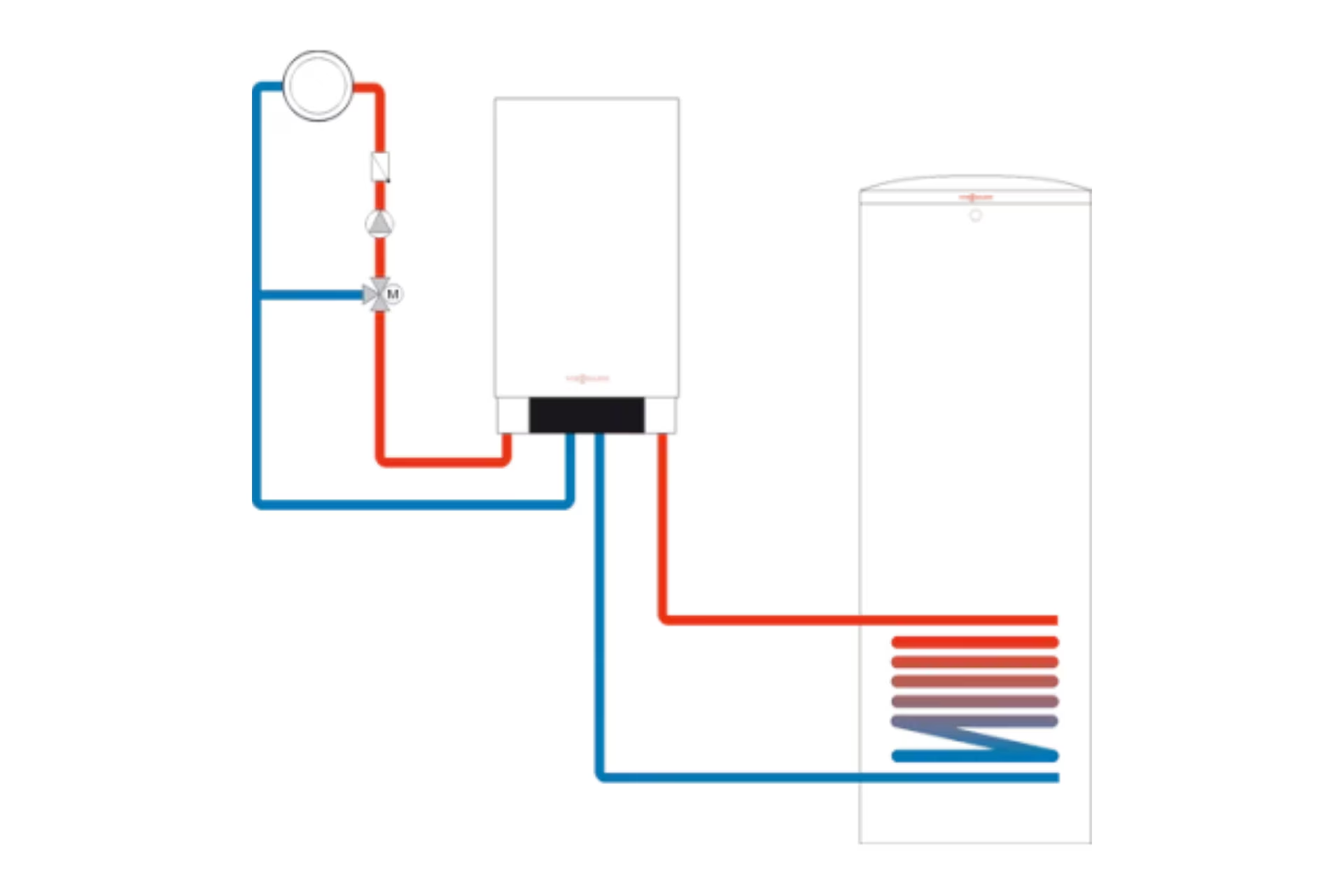
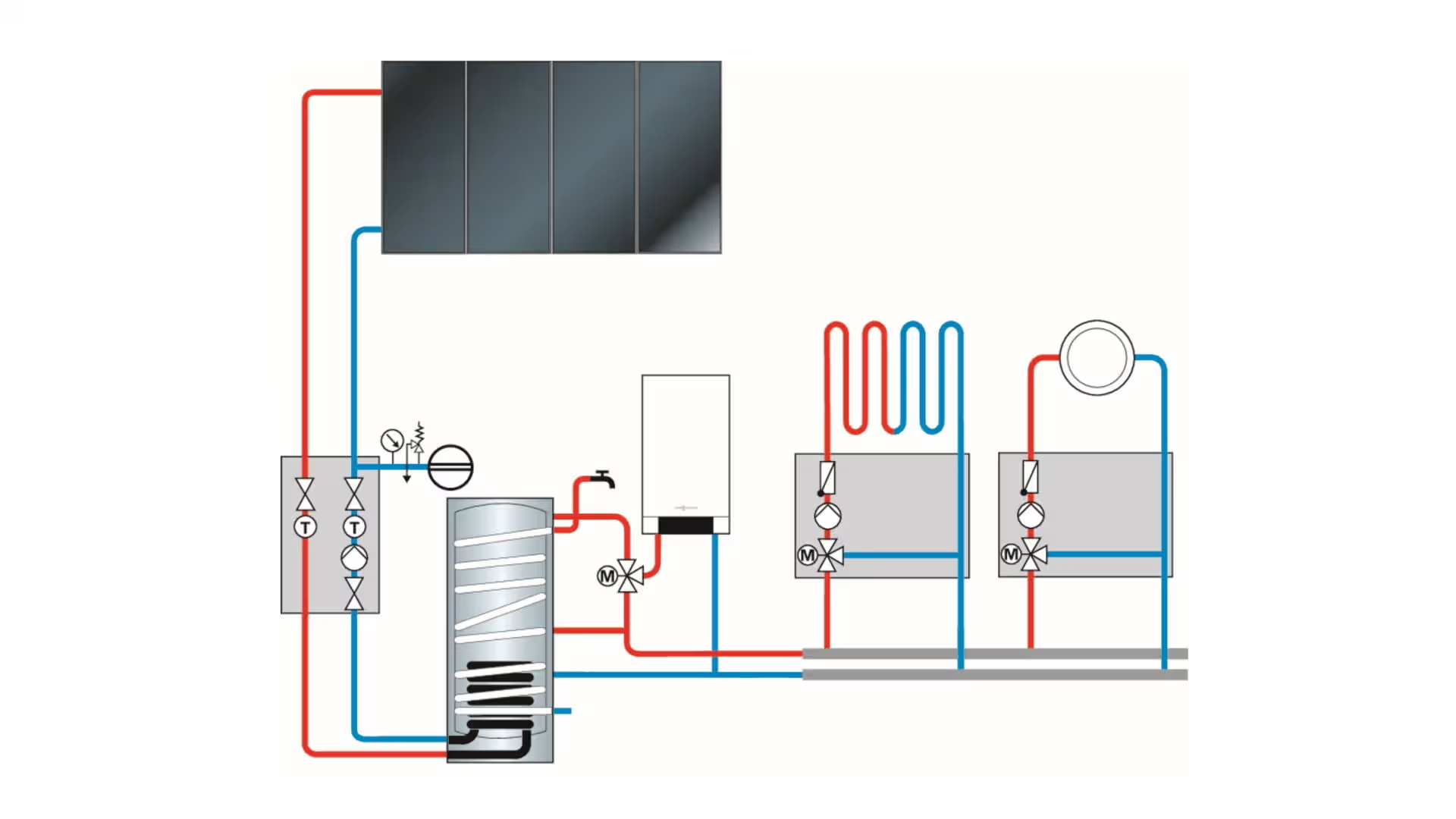
The solar collector generates heat whenever sunlight falls on the absorber—even when heat is not needed. This could be, for example, in the summer when residents are on vacation. If heat transfer through the hot water cylinder or the heating water buffer tank becomes impossible because neither is fully heated, the circulation pump switches off, and the solar thermal system enters stagnation.
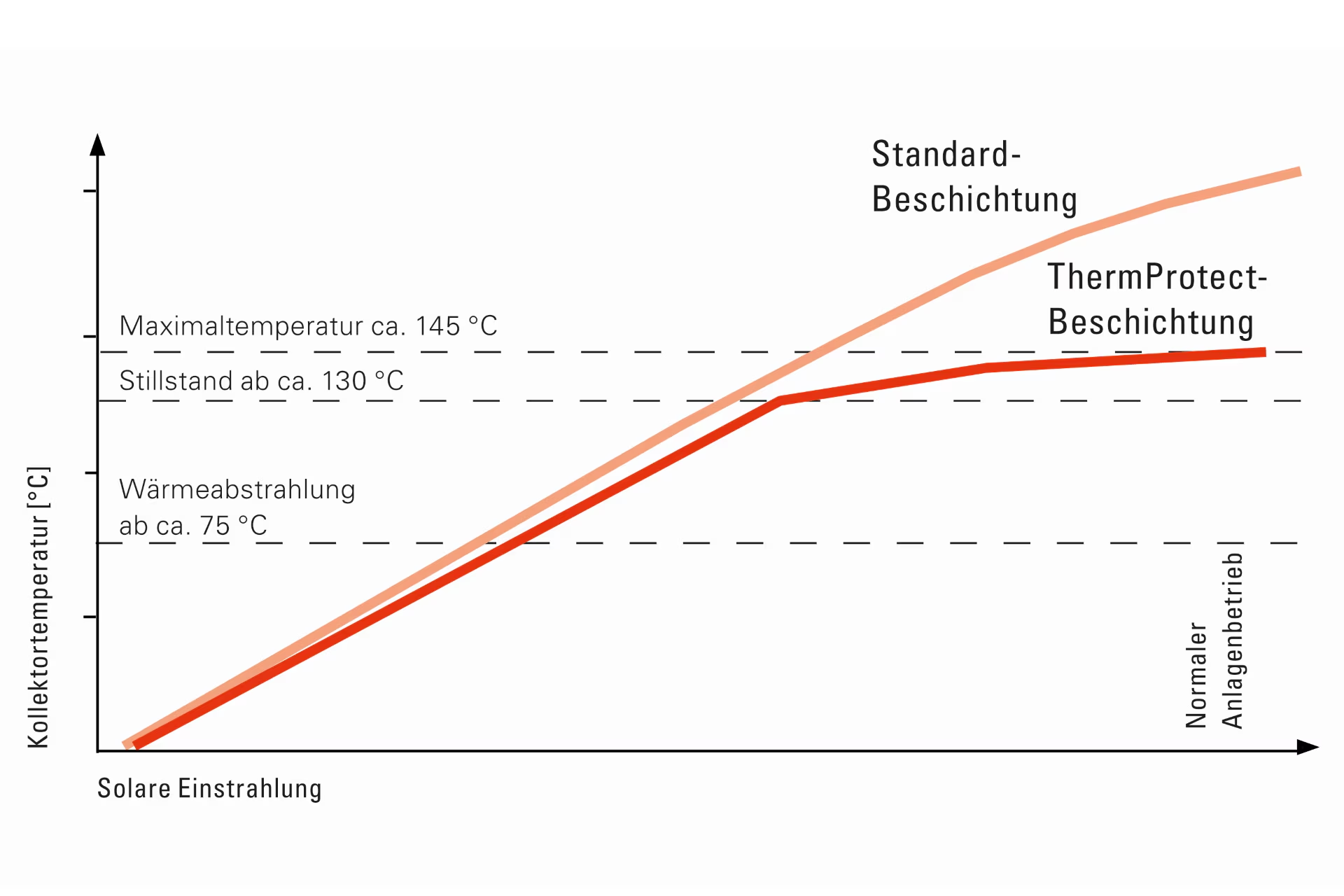
If further insolation falls on the collector, its temperature will rise until the coolant evaporates, causing high thermal loads on system components such as seals, pumps, valves, and the coolant itself. Systems with ThermProtect temperature-dependent shutdown reliably prevent steam formation.
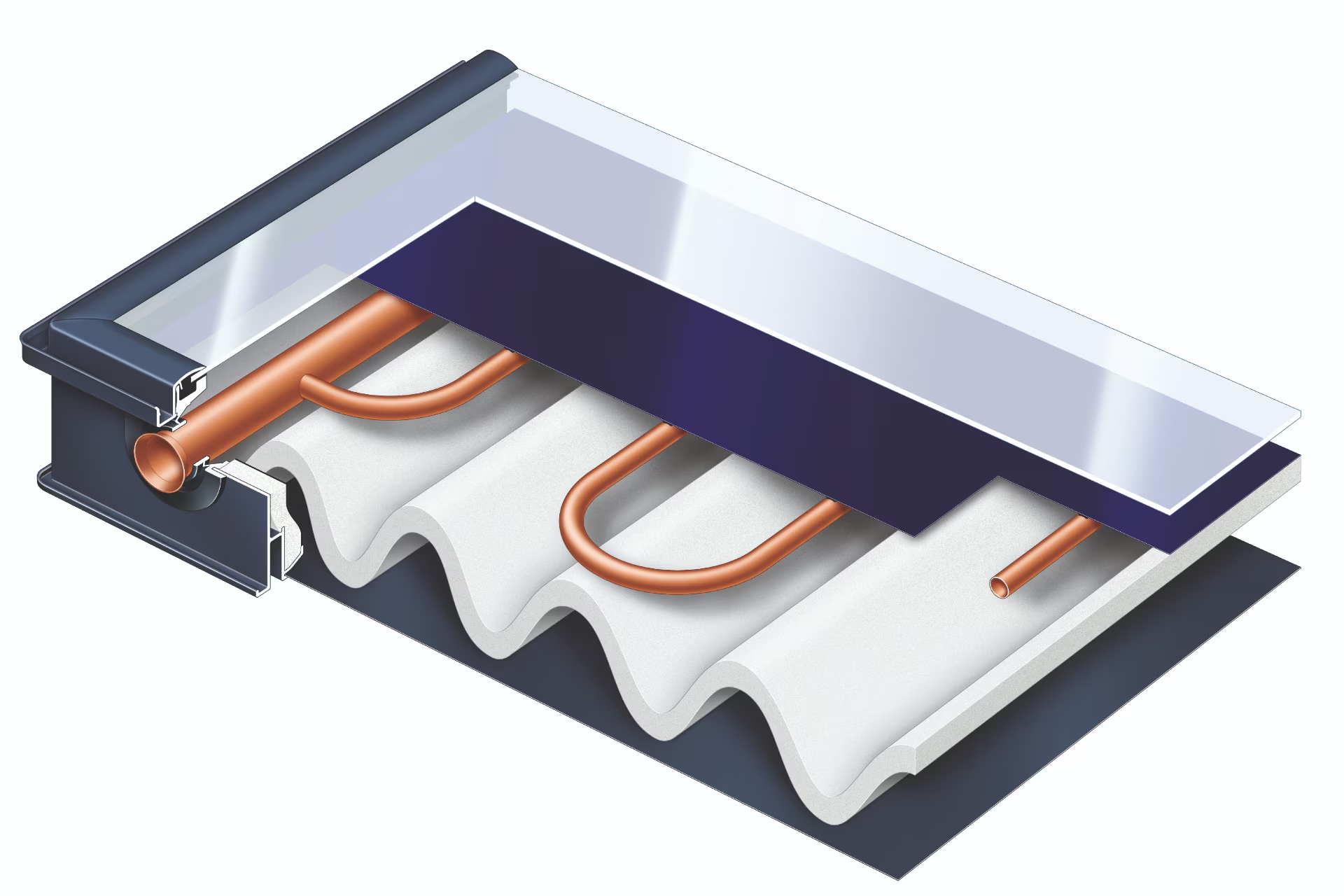
Flat collector with switched absorber layer
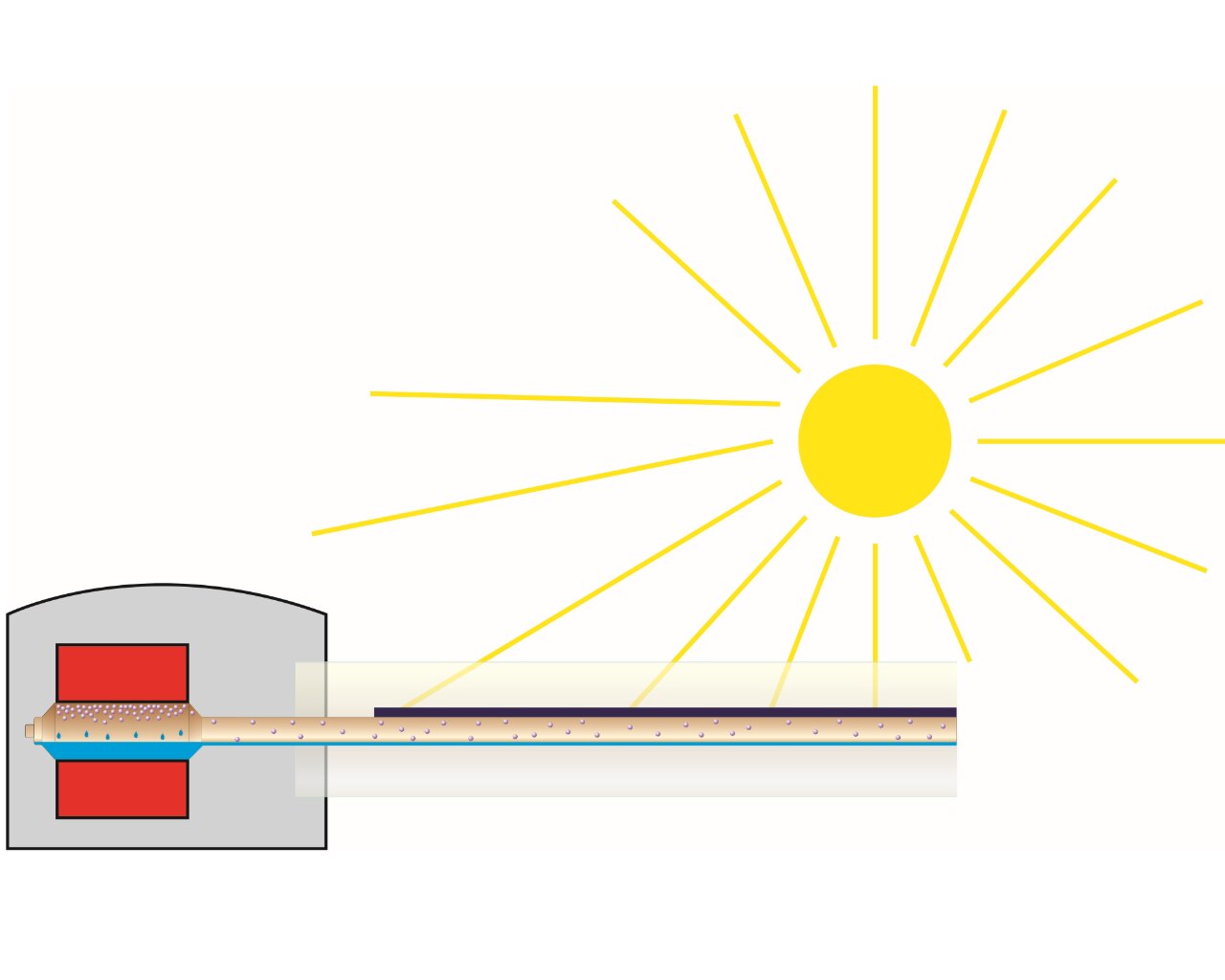
The first flat-plate collector was developed and patented that prevents further energy absorption after reaching a certain temperature. The Vitosol 200-FM absorber coating is based on the “switching layer” principle. The crystal structure, and therefore the collector’s output, changes depending on the collector temperature, thereby reducing the stagnation temperature. At absorber temperatures of 75°C and above, the coating’s crystal structure changes, significantly increasing the rate of thermal radiation. This reduces the collector’s performance, as the collector temperature rises, the stagnation temperature drops significantly, preventing steam formation.
As soon as the temperature in the collector drops, the crystalline structure returns to its original state. Now, over 95 percent of incoming solar energy can be absorbed and converted into heat; only a small portion (less than 5 percent) is re-radiated. This means the new collector’s performance is superior to that of conventional flat-plate collectors, as the collector never enters a stagnation phase and can resume supplying heat at any time. There is no limit to the number of times the crystalline structure can be activated, meaning this function is always available.