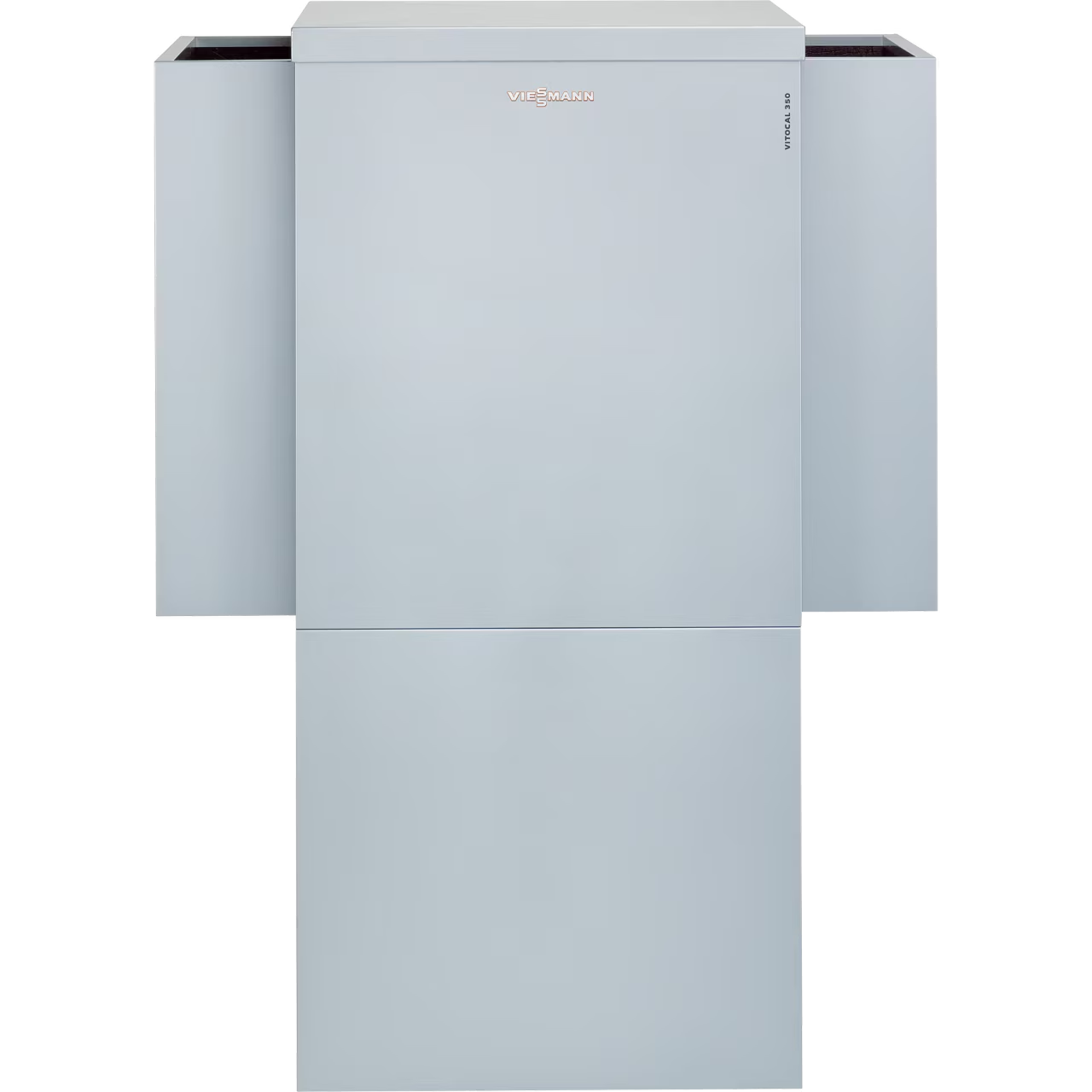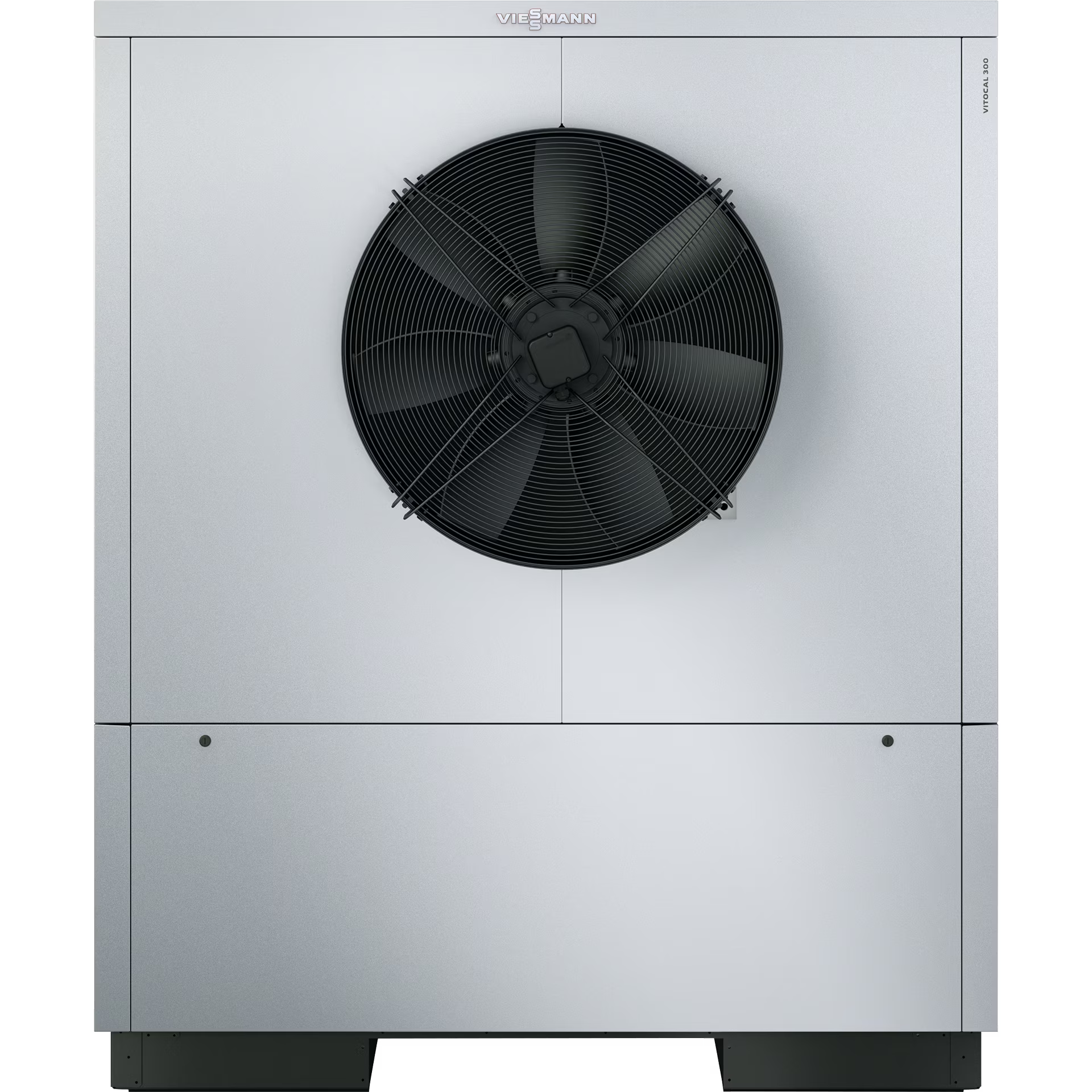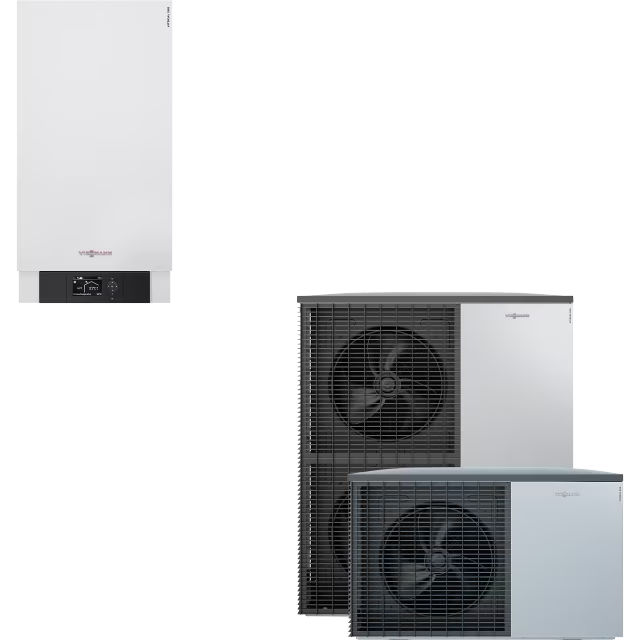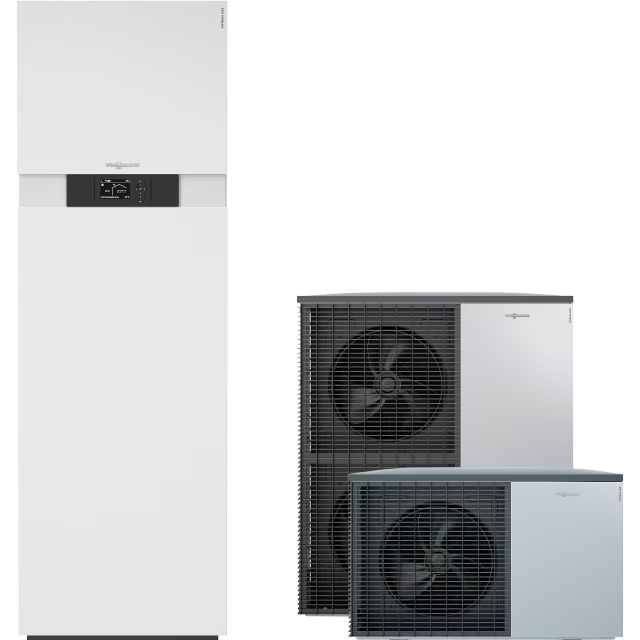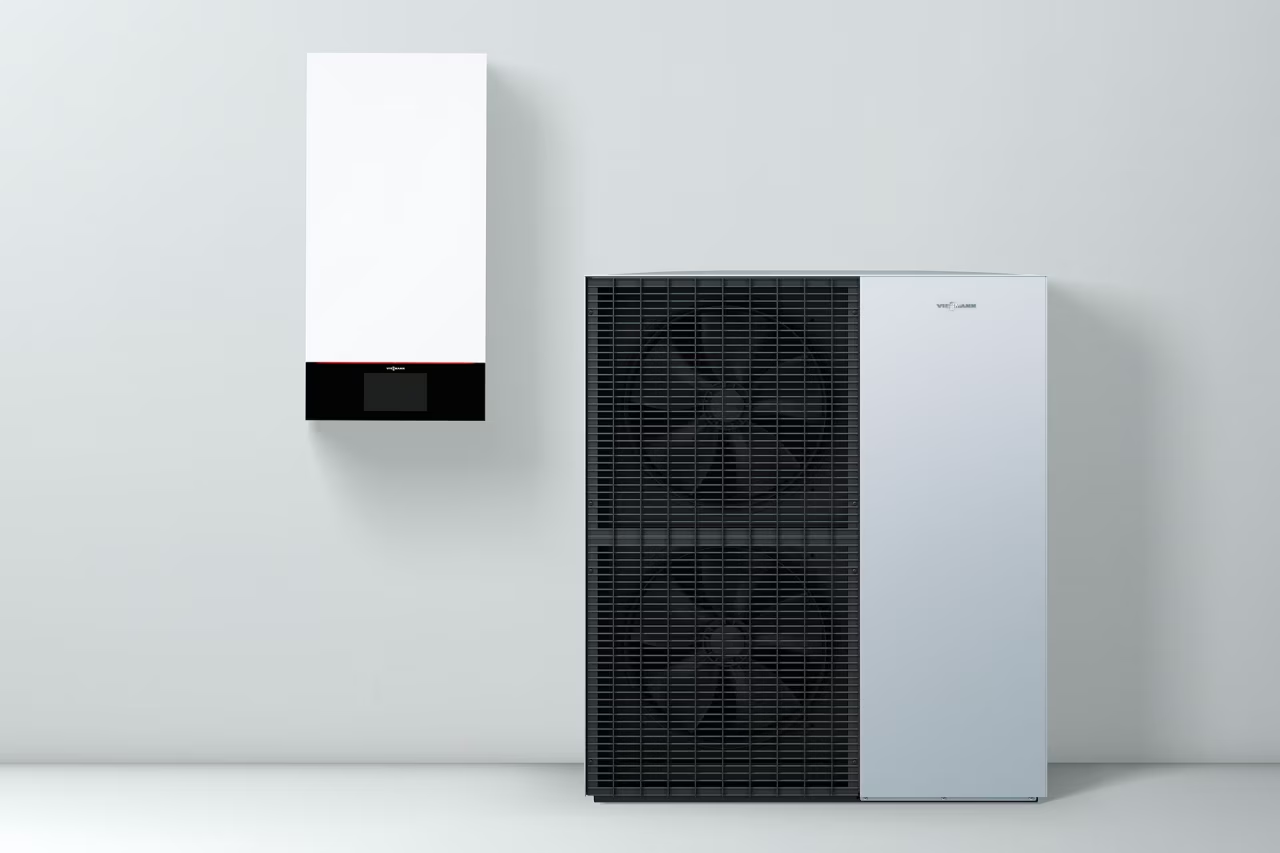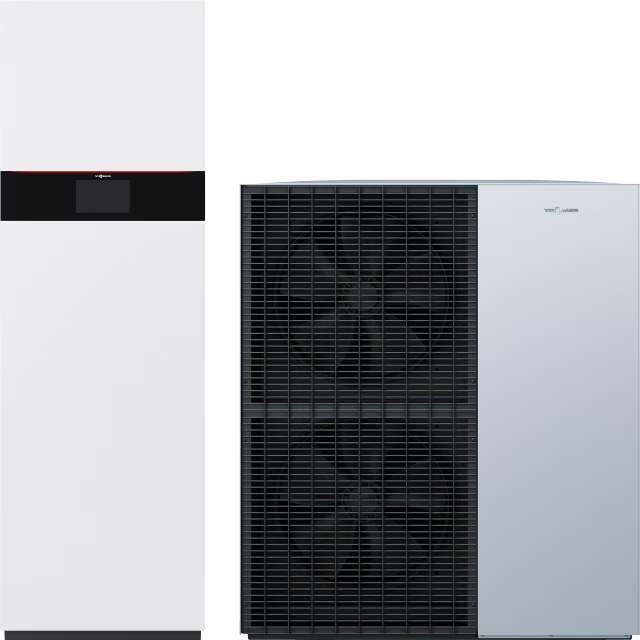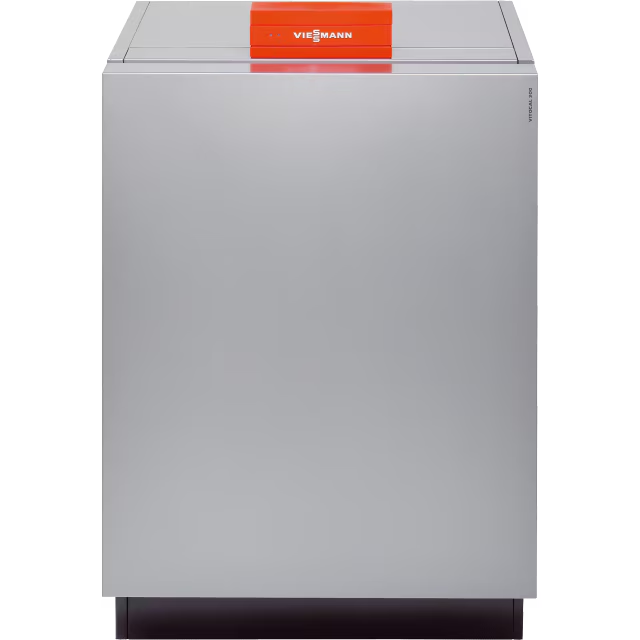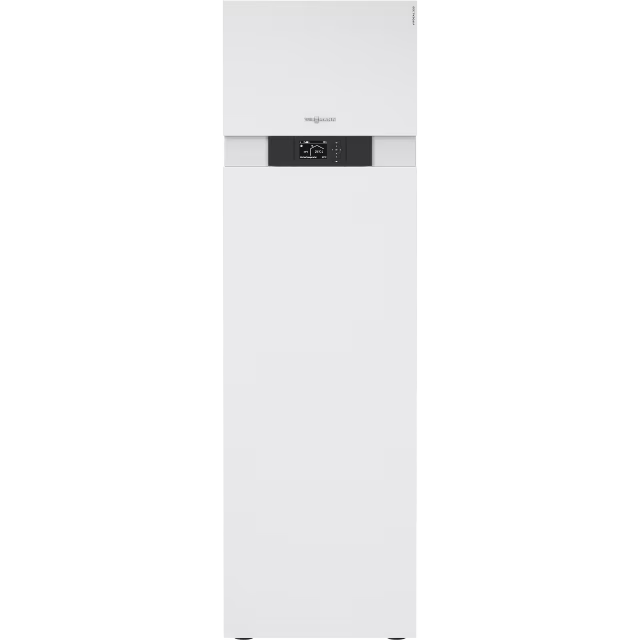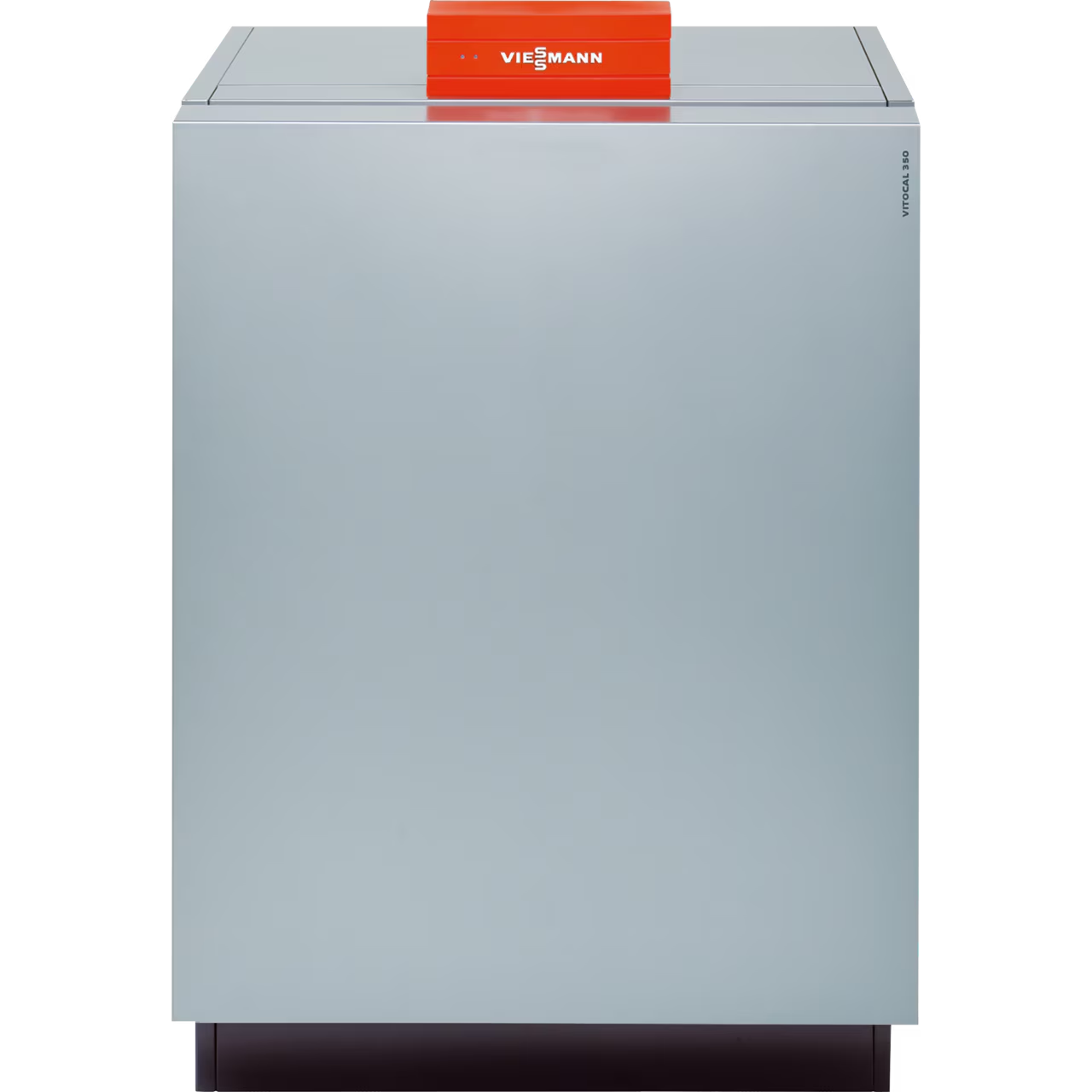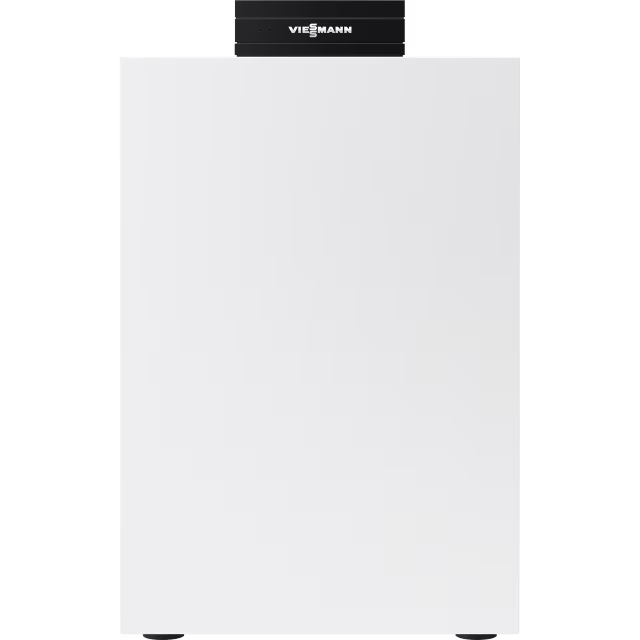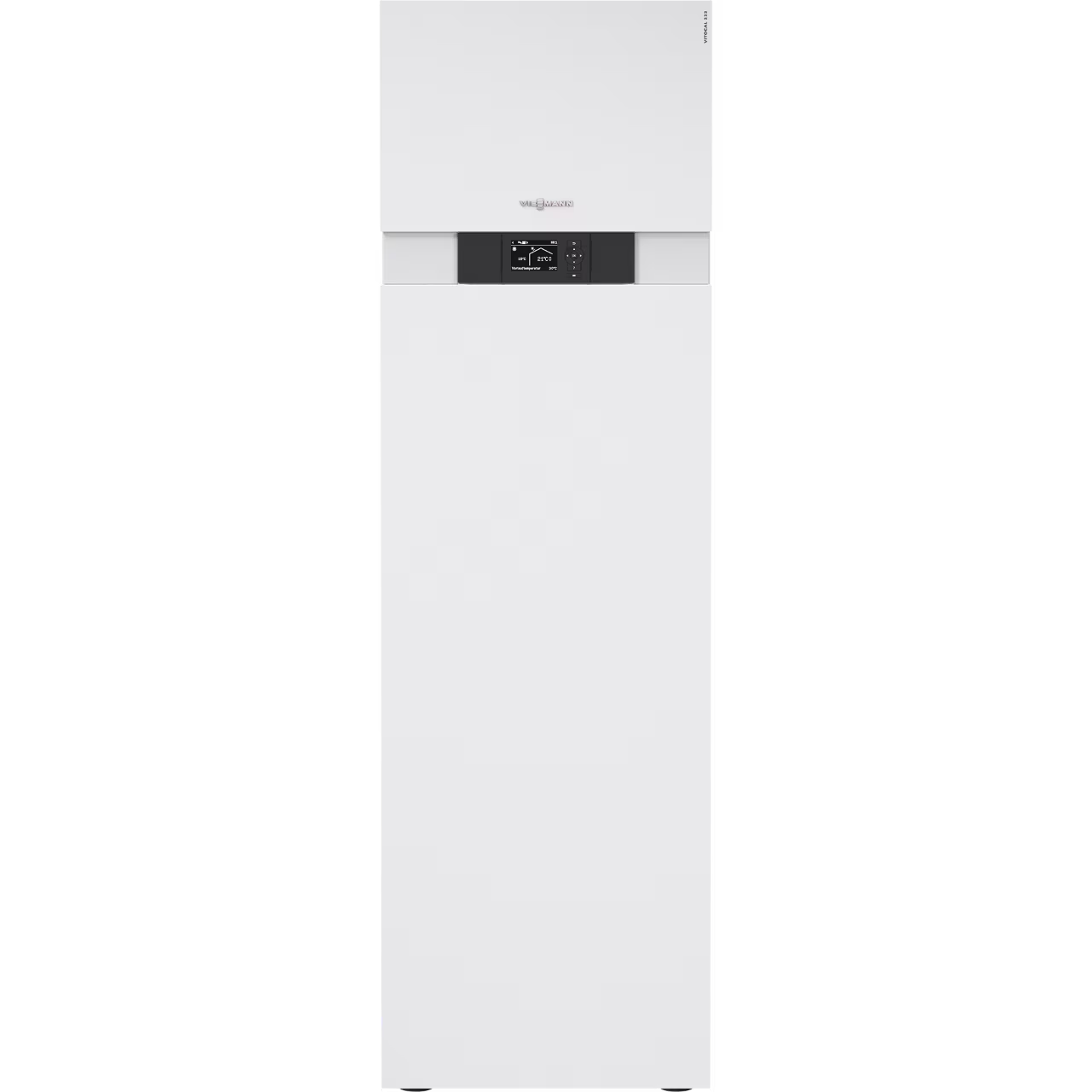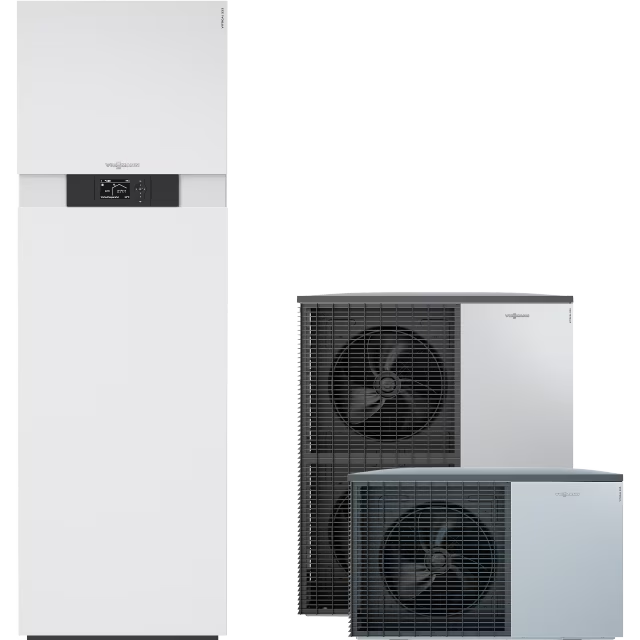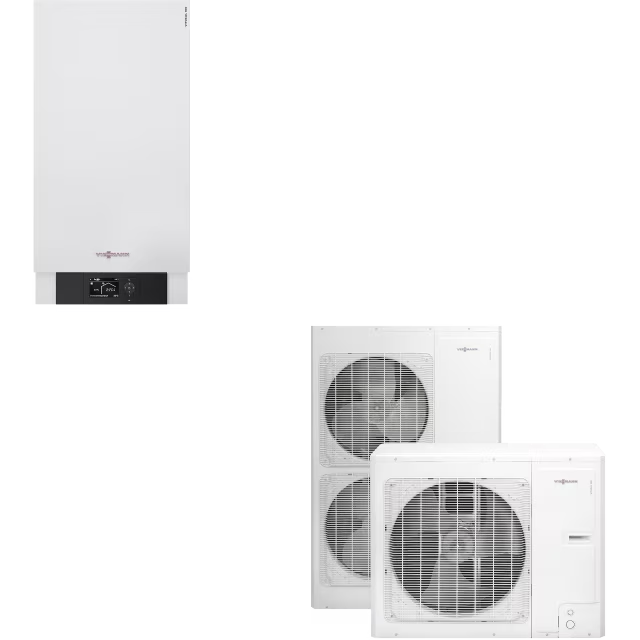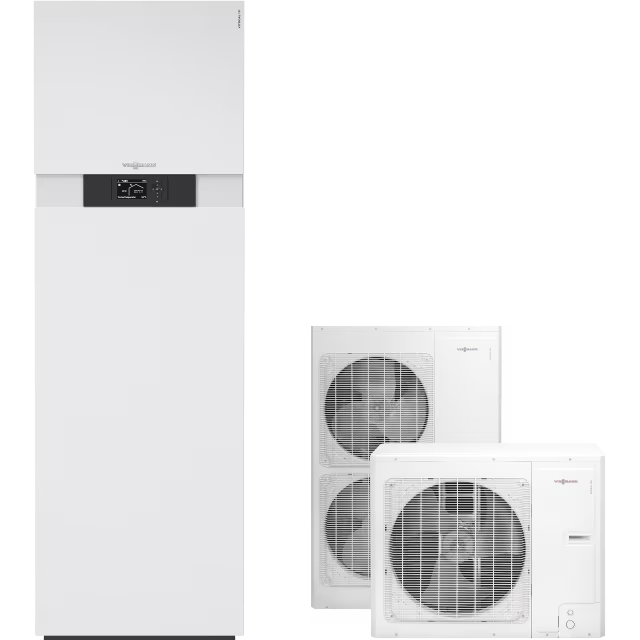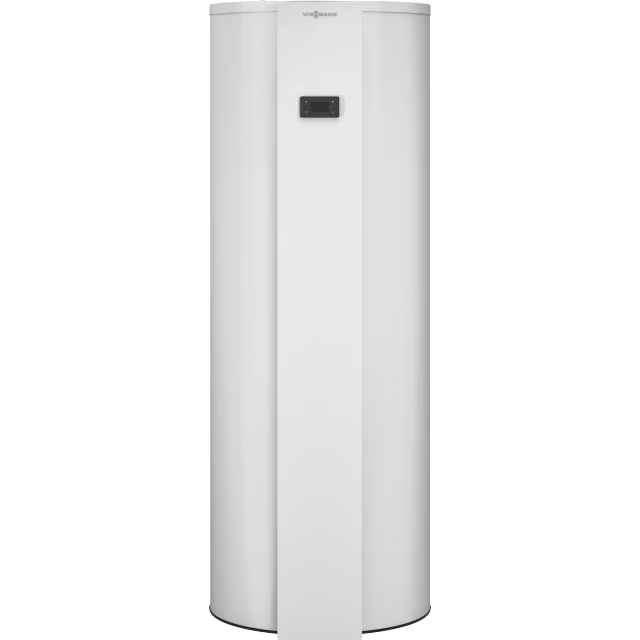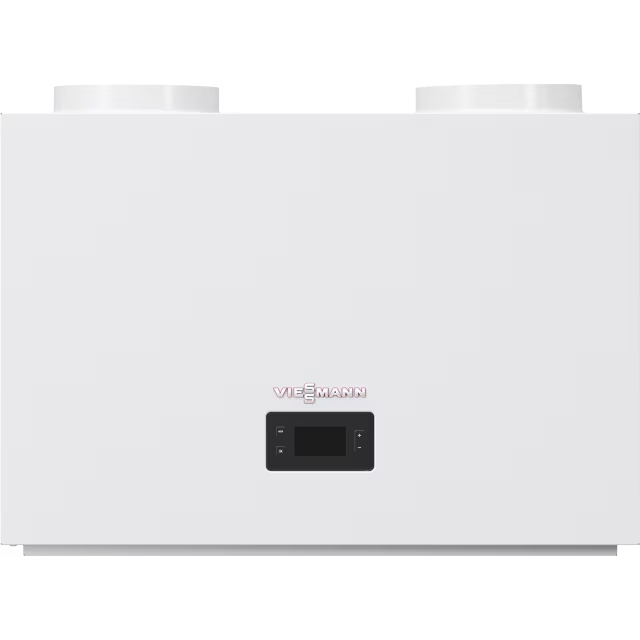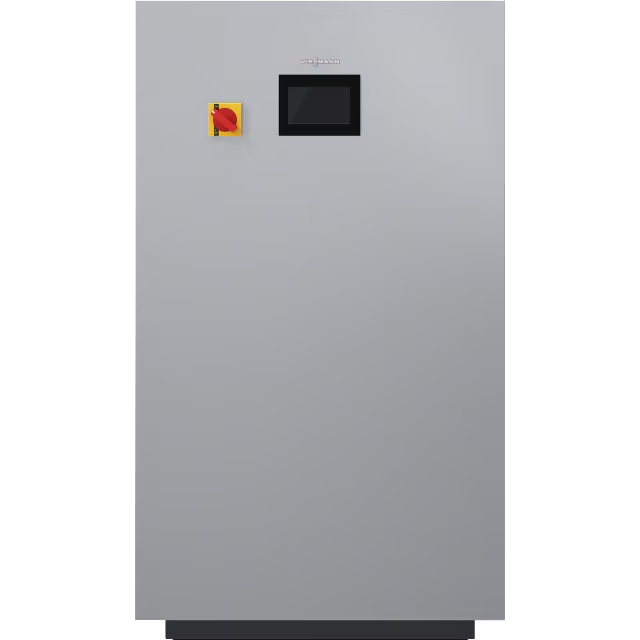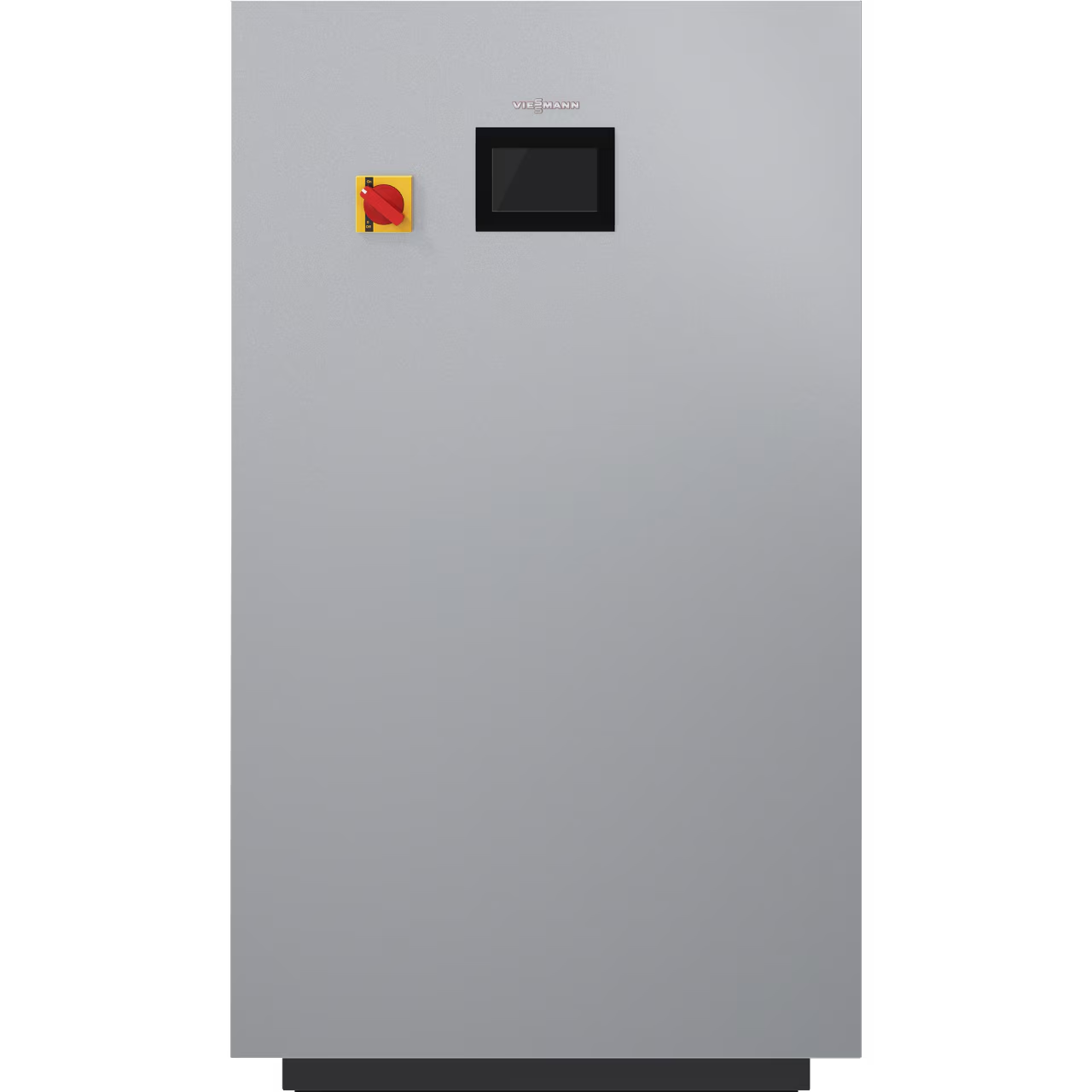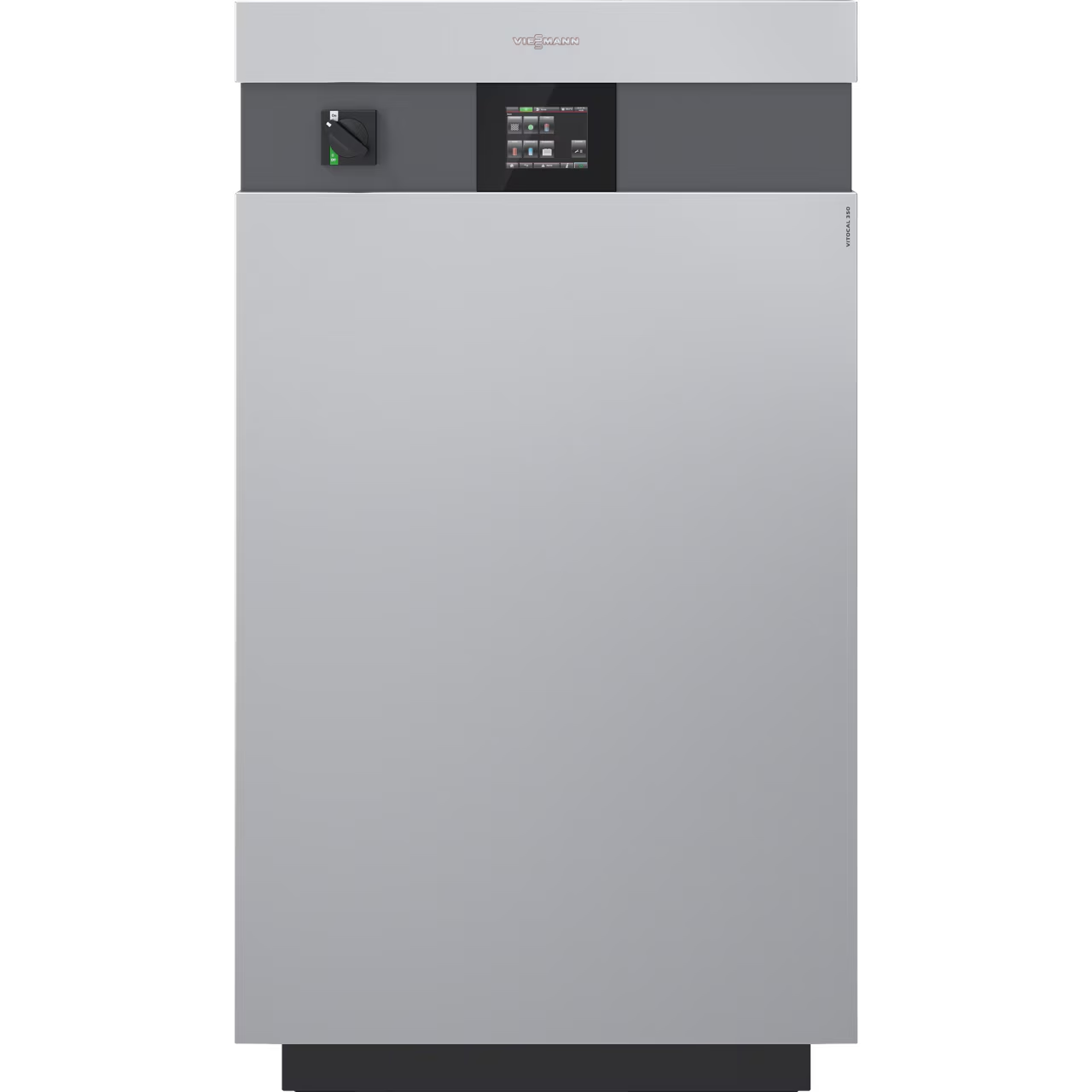

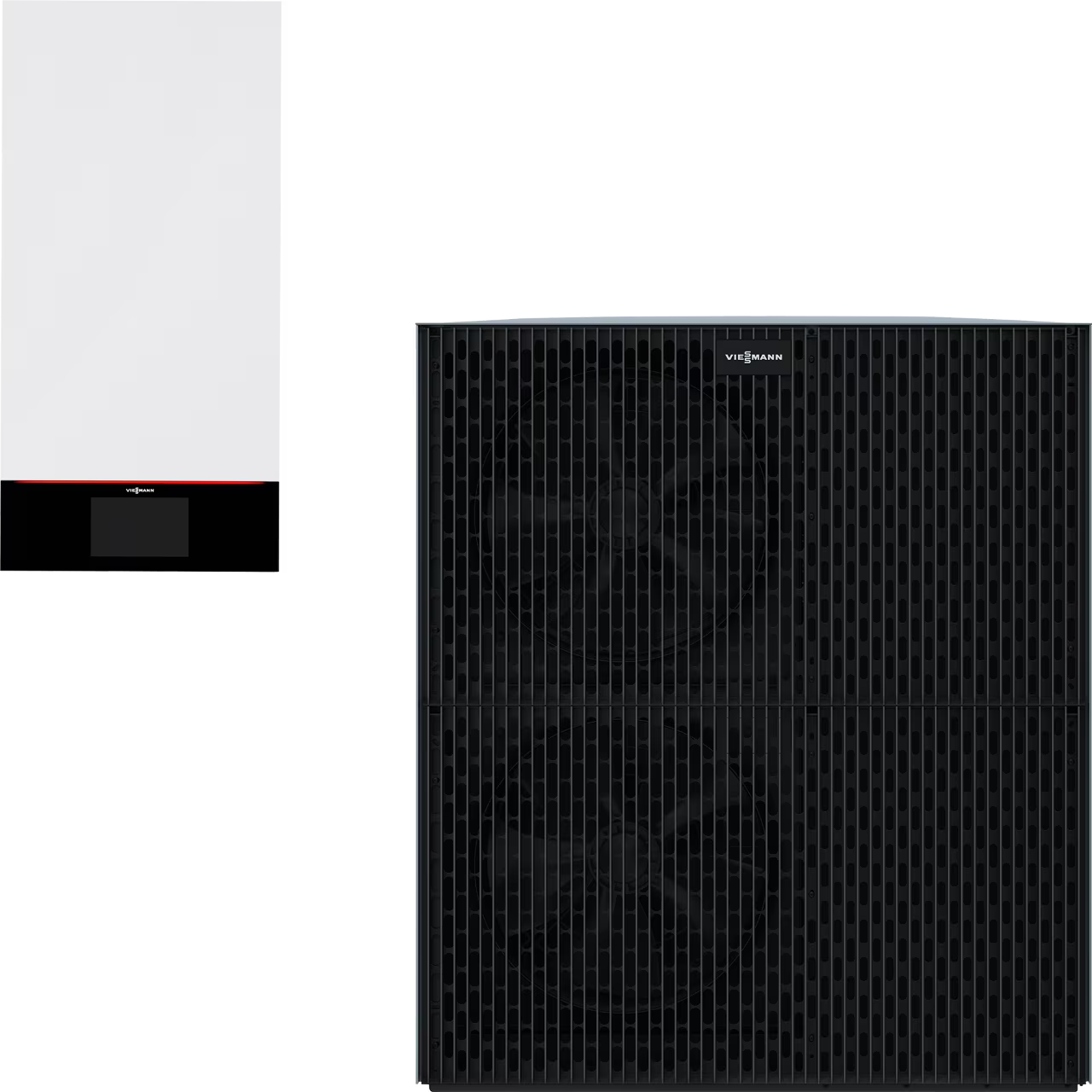
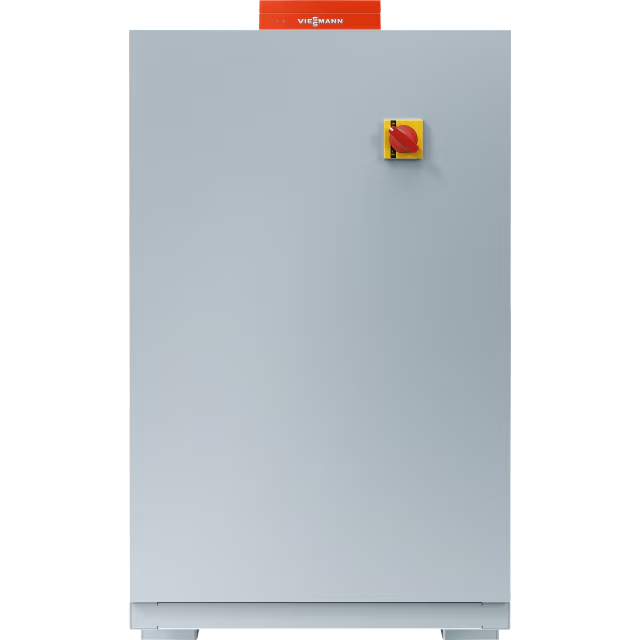
Vitocal 250-A
Heat Pumps
- Rated heat output: 2.6 - 13.4 kW
- Particularly efficient, sustainable operation
- Specially designed for modernization
- Cooling function
Strong arguments for switching to the heating of the future – by purchasing a heat pump, you save on heating costs in the long term and protect the environment and the climate. Find out everything you need to know about purchasing Viessmann heat pumps and the options they offer.
A heat pump makes extremely efficient use of environmental energy. This is because this energy, which is readily available and free, is the source of energy used to heat the home and provide hot water to a comfortable temperature. Before purchasing a heat pump, homeowners should know the answers to several questions. One of these concerns the type of heat pump.
Just as “car” is a general term encompassing many different styles and models, “heat pump” is an umbrella term for heating systems that use the surrounding environment as a heat source. Various sources and sophisticated technologies allow homeowners to find the heating system that best suits their needs and provides them with heat reliably and economically. The heat pump comparison below provides an initial understanding of when it’s worth investing in each type of heat pump. What are the advantages of an air-source heat pump, and where is a brine/water heat pump most cost-effective? You can learn more about the similarities and differences here.
As the name suggests, this heating system generates heat by pressurizing gas, similar to an air pump. Regardless of the heat source used, every heat pump relies on the circulation of a refrigerant. Before ambient heat (air, geothermal energy, or water) is raised to the required temperature, it enters the pipes and reaches a heat exchanger, through which the refrigerant passes. Due to the special properties of the material, the refrigerant evaporates at low temperatures. The heat generated in this process is too low to be used for heating and domestic hot water, so an electrically driven compressor is used to increase the temperature. You can learn more about the entire process in the ” Heat Pump Operation Principle ” section.
Anyone purchasing a heat pump should be familiar with one of the main differences between the different types: the heat source used. Ultimately, this also determines the heat pump’s installation location. In addition to ambient air, exhaust air, and groundwater, a heat pump can extract heat from the ground. In the case of ice energy storage, all three heat sources can provide the required energy. Which of these heat sources is more suitable depends on the specific circumstances. Air-source heat pumps are very common in practice, partly due to their relatively quick installation. Of course, cost also plays a significant role. Ultimately, an air-source heat pump is the most cost-effective way to heat using ambient energy.
Air source heat pumps are among the most widely installed heat pumps in Germany. This is due to both their simple and quick installation and relatively low investment costs. A standard air source heat pump extracts heat from the outside air and raises it to the required temperature through refrigerant circulation. Depending on the model, units can be installed either outdoors or indoors. In monoblock units installed outdoors, the refrigerant circuit is completely integrated into the heat pump. The generated thermal energy is transported into the building along with the heating water. In split heat pumps, the refrigerant circuit is separate. Heat is transported through the refrigerant line into the building, where the evaporator heat exchanger is located. This ensures that the outdoor unit does not freeze even in the event of a power outage.
A special type of air-source heat pump is known as an exhaust air heat pump. Instead of using outside air, this heat pump uses exhaust air from rooms, which is typically much warmer. This means the compressor requires less work to achieve the desired temperature. However, the air volume is usually limited, making it impossible to operate in single-supply mode. These types of heat pumps are typically used for very small heating loads.
Compared to outside air, geothermal heat has a relatively high temperature below a certain depth. Furthermore, it remains constant in winter, even when the topsoil has frozen. Brine-water heat pumps are very efficient, achieving COPs of up to 5.0. There are two main methods to choose from when it comes to extracting geothermal heat. If space is limited, the best option is to use geothermal probes. These are inserted vertically or at an angle through boreholes and extract heat from the ground at depths of 40 to 100 meters.
As an alternative to geothermal probes, geothermal collectors require shallow installation depths of one to two meters, i.e., below the frost line. However, they require significantly more space due to their horizontal installation and large surface area. For more information on how heat recovery works, see the section ” Operating Principle of a Brine-Water Heat Pump .”
Groundwater is also an excellent heat source, providing consistently high temperatures year-round. Heat recovery requires two wells. For a water-to-water heat pump to operate efficiently, the groundwater composition and volume must meet minimum requirements.
When considering the appropriate type of heat pump, the heat source should never be overlooked. While air-source heat pumps are used almost everywhere, using a brine/water heat pump is impractical and may not even be permitted in every location. Installing geothermal probes requires drilling. Deep drilling is generally subject to mining regulations and must be reported to the competent authority.
This also applies to geothermal probes in brine/water heat pumps, so these systems are not suitable for every home. In addition to the heat source, it’s also important to consider the type of heating system installed. Hybrid heat pumps, for example, are particularly suitable for radiator heating systems with higher temperatures.
If homeowners still want to take advantage of the benefits of a brine-water heat pump despite lacking drilling permits, they can switch to surface collectors. However, installation requires sufficient clear space. The required area depends on factors such as soil type and, of course, the home’s heating needs. Generally, the collector area should be one and a half to two times larger than the living space to be heated. Furthermore, the collector area should be clear of buildings to allow the soil to regenerate more quickly under the influence of sun and rain.
As an alternative to surface collectors, consumers can also use trench collectors, which, due to their design, achieve a much higher performance per square meter.
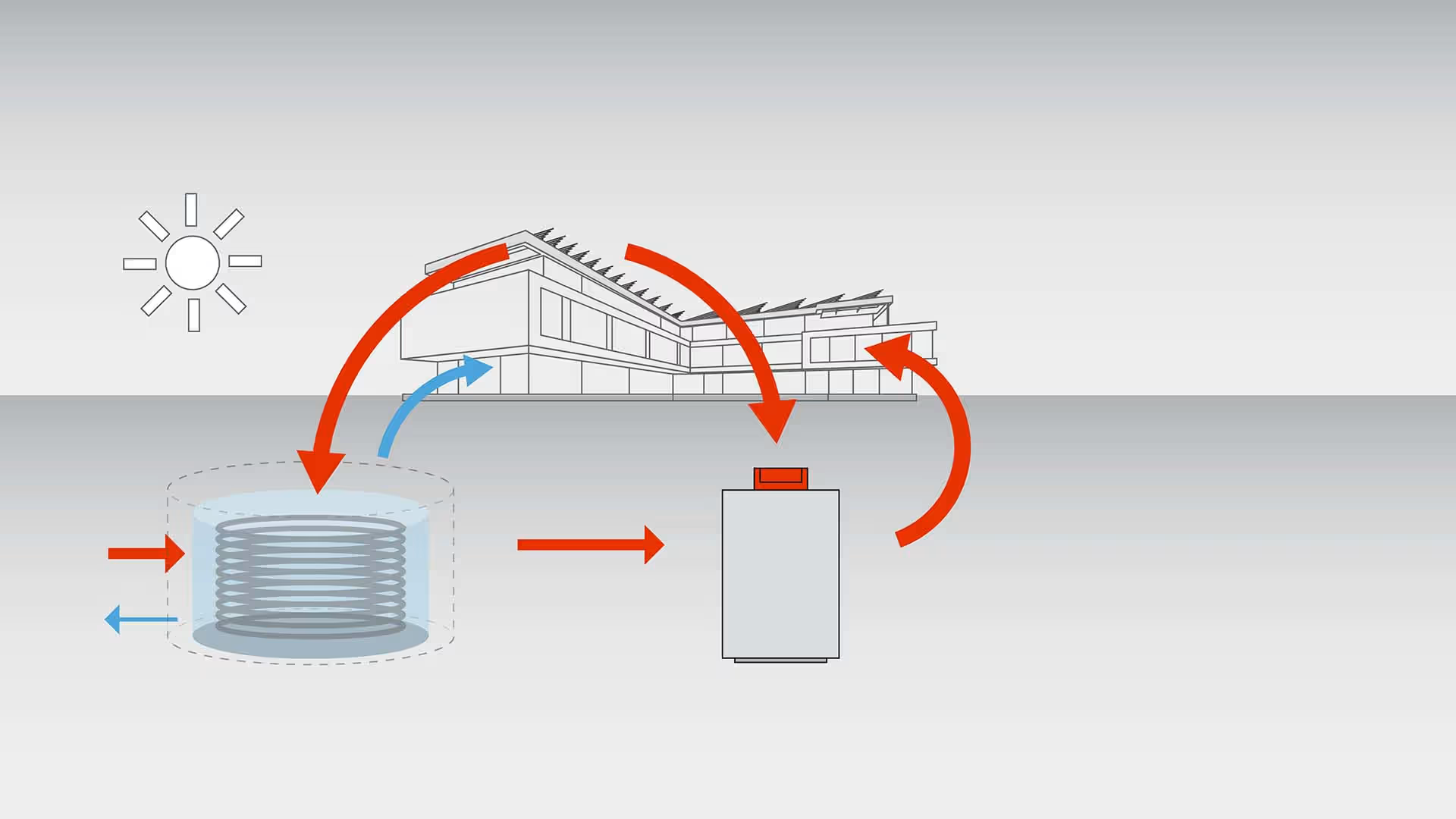
An ice-based energy storage system is a special form of heat pump. It operates with high efficiency because it combines three energy sources: ambient air, geothermal heat, and solar radiation.
The ice energy storage system consists of an uninsulated concrete tank filled with water. Inside, turbulators circulate antifreeze. The water serves as the primary heat source and undergoes selective freezing and thawing. In addition to the heat stored in the ground, the thawing process is actively supported by a solar air absorber. The individual stages of this process are described in the ” Ice Energy Storage ” section.
Ice energy storage requires an area of approximately four square meters and a depth of four meters. No official construction permit is required for this type of system. This makes ice energy storage a viable alternative to a conventional geothermal probe system.
Image: @frytkownica / Shutterstock.com
Quiet, reliable, and economical. For many, a heat pump remains the optimal heating system, as it utilizes free, readily available ambient energy and is suitable for both heating and hot water. Furthermore, the government actively supports the purchase of heat pumps with attractive subsidies. The advantages of a heat pump primarily fall into three categories: economic, environmental, and economic policy.
Just a few years ago, electric heating was considered uneconomical and unecological, as efficiency losses were very high and electricity was primarily generated from coal. However, since then, most heat pumps have become highly efficient, keeping heating costs consistently low. One of the main reasons for this is the use of green energy as a heat source. Unlike natural gas and oil, green energy is not subject to economic or political fluctuations. Most importantly, it is always available and free.
Additional economic advantages of heat pumps include their low operating costs and attractive government subsidies. The section on heat pump subsidies explains how to apply.
Another argument in favor of purchasing a heat pump is its high level of operational reliability and the ability to generate inexpensive electricity for the heat pump. Moreover, most Viessmann heat pumps are capable of lowering temperatures during warmer months using active and passive cooling. Other economic advantages of a heat pump include:
Efficiency plays a crucial role when purchasing a heating system. However, with growing environmental awareness, climate protection is increasingly becoming a priority. By investing in a heat pump today, you are also making a significant contribution to reducing harmful CO₂ greenhouse gases.
Heat pumps use renewable energy for heating and require only a small amount of electricity, meaning less need to extract and burn fossil fuels. The CO₂ balance of electricity used for heating is significantly lower than that of other fossil-fuel heating systems. Combined with energy from a “green” drive, a heat pump can operate completely carbon-neutral.
Statistics also illustrate the environmental benefits of heat pumps in practice: according to the German Federal Ministry for Economic Affairs and Energy, the use of renewable energy sources in the heating market alone prevented approximately 37 million tonnes of CO₂ emissions in Germany in 2016. By comparison, energy-related emissions in the transport sector in the same year amounted to 166.2 million tonnes.
In addition to lower investment costs compared to other heat pumps, air-source heat pumps offer other advantages. Upgrades are possible at any time, without the need for official permits. Furthermore, air-source heat pumps require a very small footprint, making them suitable for both new construction and retrofit projects.
If a brine/water heat pump is available, homeowners should seriously consider purchasing one. Due to their consistently high outlet temperatures year-round, these heat pumps operate very efficiently.
Essentially, heat can be extracted from the ground in two ways: if space is limited, geothermal probes, which are buried deep in the ground, are suitable. On the other hand, if the house to be heated has a large, undeveloped garden, geothermal collectors are a reasonable alternative. Similar to underfloor heating, they are installed beneath the topsoil. From there, they extract heat from the ground layer and transfer it to the evaporator. In addition to surface collectors, trench collectors can also be used, as they require significantly less space.
The Energy Transition is a project launched by the German government with the goal of meeting the country’s energy needs almost exclusively from renewable energy sources by 2050. Many experts believe that one strategy for achieving this goal is the integration of electricity and heat markets, as well as transport, also known as sector coupling. In the electricity and heating markets, in particular, heat pumps are an important tool because:
Thanks to the growing share of “green” electricity in the energy mix, as well as their high efficiency, heat pumps operate in more climate-friendly conditions than heating technologies based on fuel combustion. They also provide a sustainable, renewable heat supply year-round – and in large quantities. Theoretically, they can help utilize excess energy from wind turbines and photovoltaic systems, thereby ensuring grid stability. According to many experts, all this makes heat pumps an ideal technology for integrating sectors.
However, several obstacles remain to the project’s implementation. First, the legal framework necessary to provide operators with sufficient legal certainty regarding favorable energy prices is lacking. Second, electricity remains burdened with high taxes and fees. Policymakers are being urged to amend the legislation accordingly as soon as possible. Nevertheless, surveys of HVAC installers indicate that they remain optimistic that demand for heat pumps will grow significantly in the coming years.
Heat pumps not only utilize a variety of heat sources but are also available in a wide range of power ratings. Before purchasing a heat pump, homeowners should consider at least two aspects: heat demand and heat pump usage. Heat demand depends on the building’s energy status and user behavior. To ensure maximum efficiency, a heat pump should be designed accordingly.
Another aspect concerns usage. A heat pump can operate in either single or dual mode. While most new buildings can be easily equipped with a single heat pump, many home renovators opt for a combined solution when retrofitting. In this case, the heat pump operates with the existing, undamaged heating system, offering system owners not only a reliable heat supply but also a high degree of flexibility in fuel prices.
In our Tips section you’ll find more advice on purchasing a new heating system .
For efficient operation, it’s not just a matter of selecting the right capacity. The radiators and the building itself must also be optimally suited to the heat pump. Two prerequisites for efficient operation in mono-mode are radiators that can handle low flow temperatures and favorable building energy performance. In practice, underfloor heating combined with a heat pump has proven its effectiveness.
Because this technology is highly environmentally friendly, the government has subsidized programs for heat pump purchases. For example, homeowners can receive subsidies through the Federal Financing for Energy-Efficient Buildings (BEG) program, either as a standalone measure or as a partial measure for a residential building. A detailed overview of this issue is also provided in the section on heat pump subsidies. To learn about the many available subsidies and how to apply correctly, it is recommended to consult with a heating contractor.
For more information on heat pumps, please see the heat pump guide at heizung.de.
Did you know that instead of purchasing a heat pump, you can lease one? Simply choose your heating package and take advantage of zero down payment and a comprehensive warranty for up to 15 years. For more information, visit the Viessmann Wäärme website .
Before purchasing a heat pump, homeowners should carefully consider the timing of the purchase. To avoid impacting comfort, it is recommended to choose the warmer months of the year for specialist consultation, purchase, installation, and commissioning. During this time, demand for heat and hot water is very low.
For the KU module to be economically viable, the device must operate continuously for as long as possible. Read here to learn why this makes sense.