



MENU

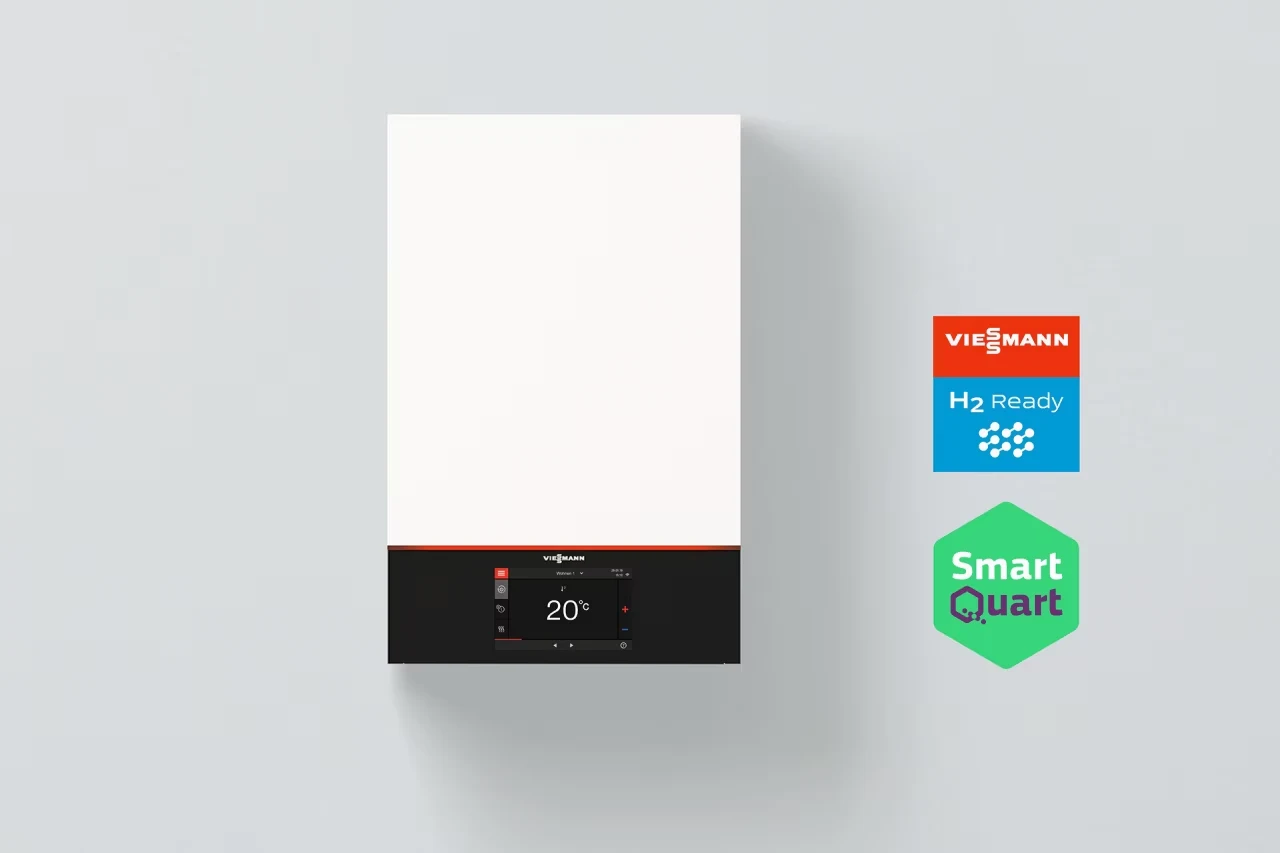
Whether for new construction or renovation projects, Viessmann offers gas heating systems, gas boilers, and gas hybrid heating systems for apartments, detached homes, and large residential complexes. Using the latest technology, it meets a wide range of needs and offers convenient heating with natural gas or liquefied petroleum gas.

To the range of gas boilers

Compact, versatile and efficient

Viessmann gas heating systems are distinguished by their extremely compact design and high efficiency thanks to the use of condensing technology. It’s no coincidence that gas heating is the most common heating system in Germany, used in detached houses, semi-detached houses, and apartment buildings (49.3% of systems) and in apartments (48.2%). This means that just under half of all heat generators used here run on natural gas, according to the “Wie heizt Deutschland 2019?” [German Heating System Overview 2019] study conducted by the Federal Association for Energy and Water Management (BDEW).

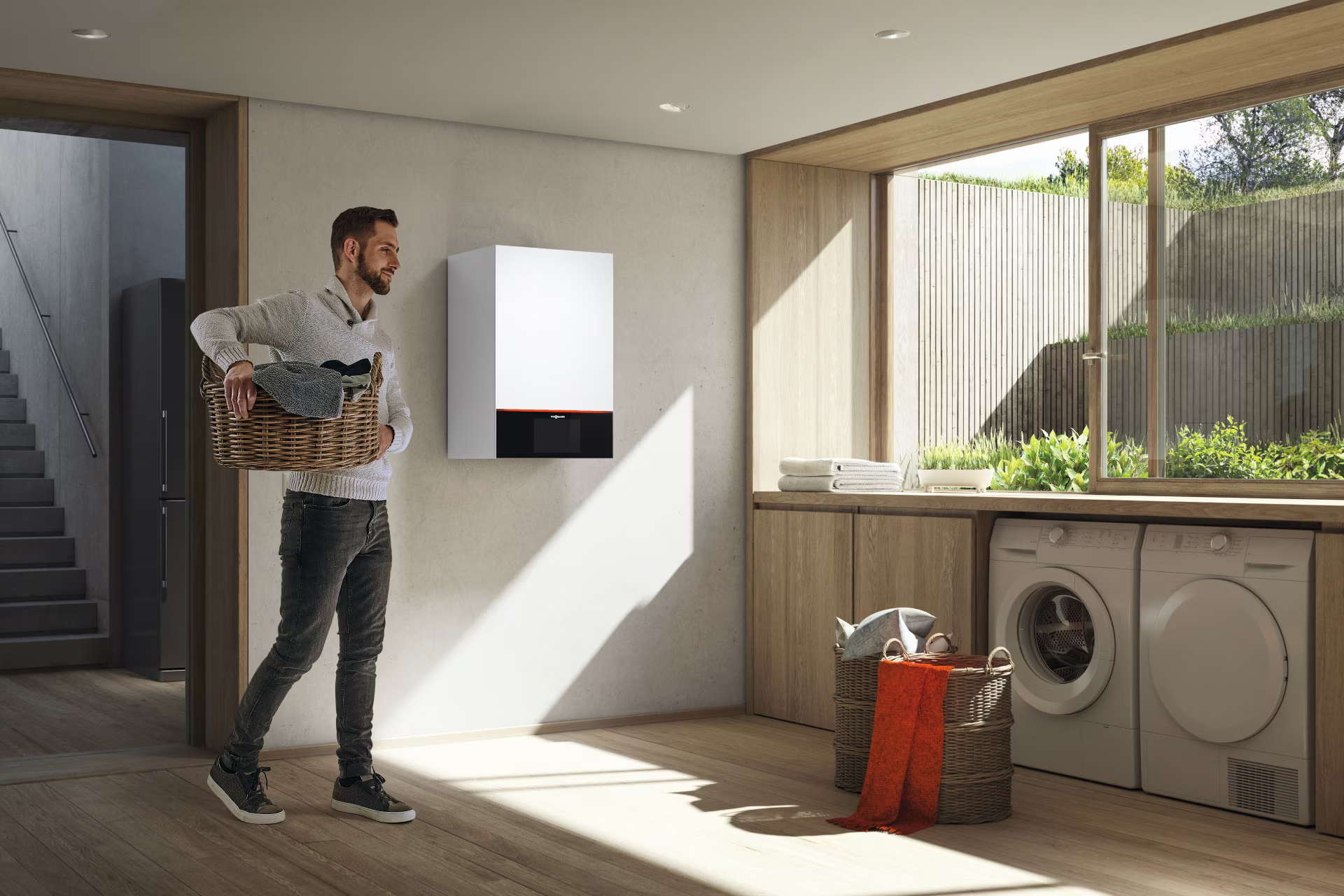
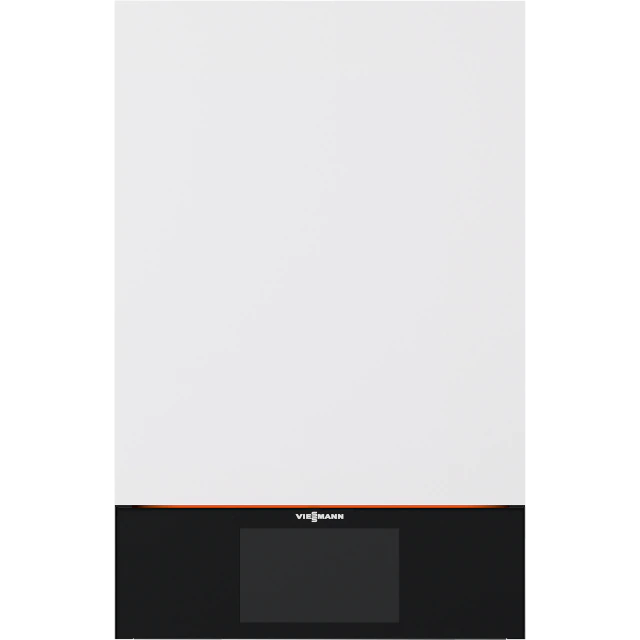
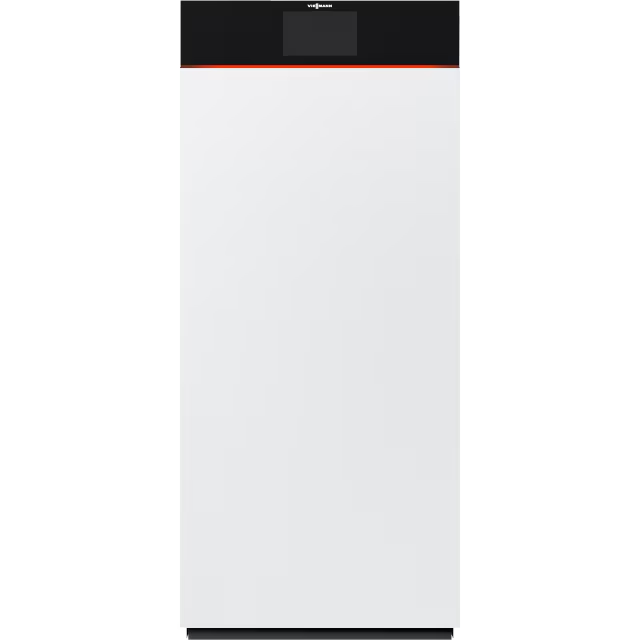
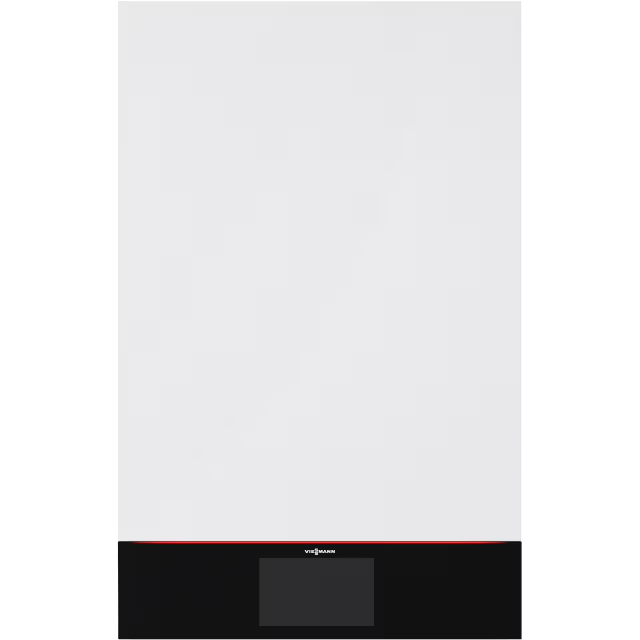
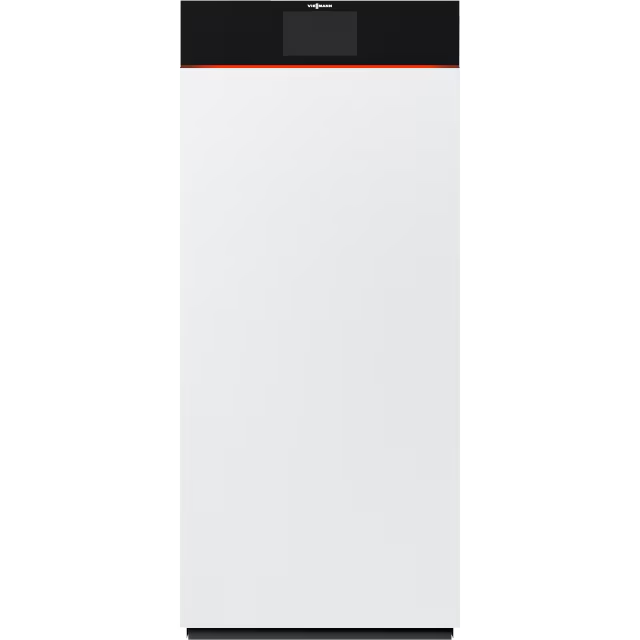
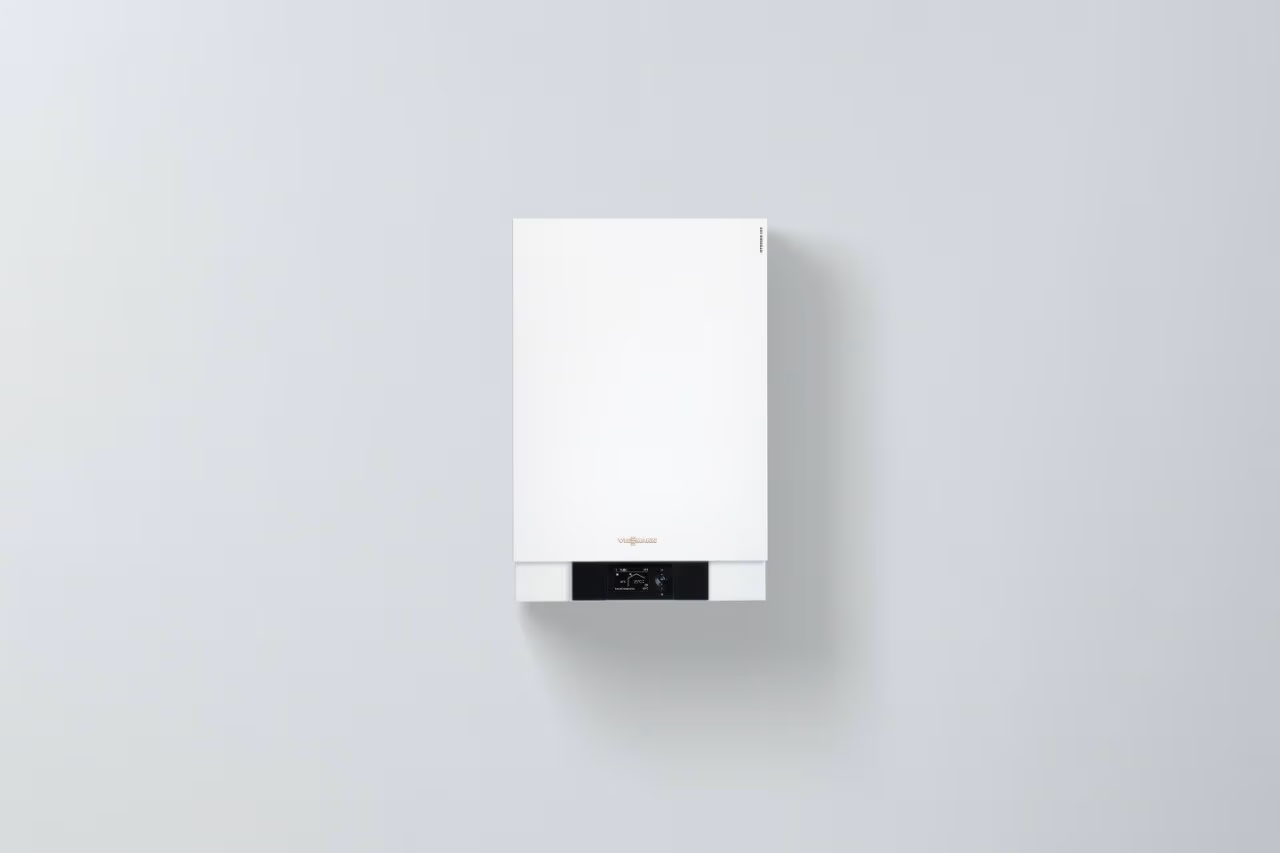
Owners of detached houses, semi-detached houses, and small apartment buildings particularly benefit from the wide range of products Viessmann offers in the residential sector. Whether they choose a compact condensing appliance like a wall-mounted gas boiler or a floor-standing gas boiler with an indirect solar heat exchanger with a rated heating output of up to 80 kW, Viessmann gas heating systems always efficiently and reliably meet heating and cooling needs.

Detailed information on gas condensing boilers is available in the “Gas Heating with Condensing Technology” section. Those interested in proven traditional heating technology for outputs ranging from 405 to 2000 kW will find all the essential information in the section on low-temperature gas boilers.

Caring for the environment with condensing technology

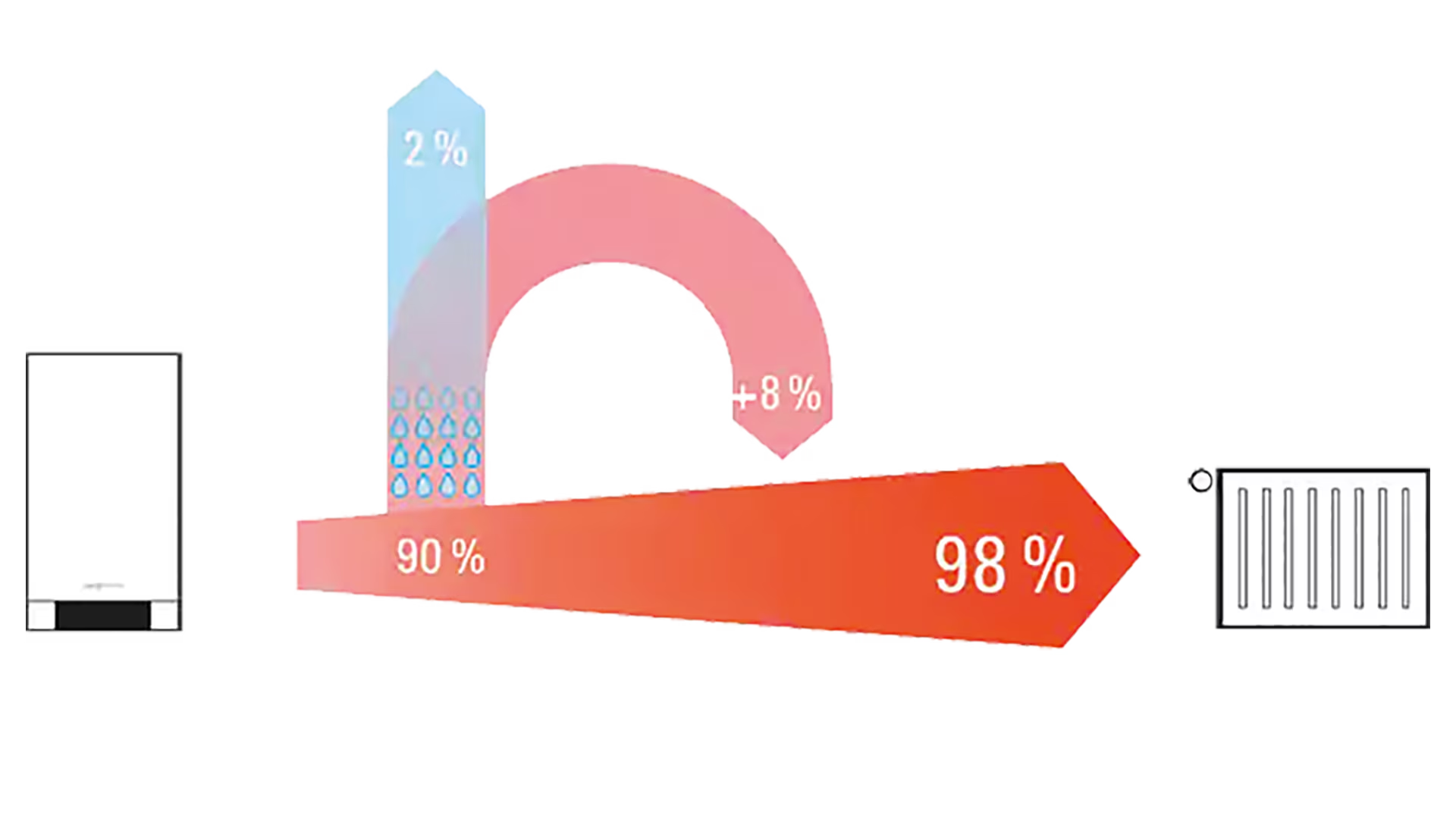
All Viessmann gas heating systems meet EU requirements for efficient condensing technology. Up to 98 percent of the energy used is converted into heat. Thanks to this unrivaled level of efficiency, anyone using a gas condensing boiler makes a positive contribution to climate and environmental protection. By comparison, most heating systems without condensing technology, such as low-temperature gas boilers, operate at approximately 87 percent efficiency under the same conditions. Innovative technologies, such as the new gas adsorption heater, reduce gas consumption by approximately 25 percent compared to traditional condensing technology. This saves fuel, further reduces emissions, and makes heating with a gas boiler even more efficient.

High efficiency

Viessmann gas boilers with condensing technology convert up to 98 percent of the energy used into heat. How this works in detail and which components play a role are explained in the section on the features and benefits of gas condensing technology.

Diagram: How a gas condensing boiler works

Buying Tips and Requirements

A gas heating system requires certain conditions to operate. These conditions ensure stable, economical operation. Learn about these requirements and what to consider before purchasing here.

Which gas heating system is best for me?

Before purchasing a gas heating system, it’s recommended to familiarize yourself with the variety of models available and the advantages they offer. Condensing boilers are generally considered cutting-edge and therefore very reliable. If homeowners have limited heating needs, they can usually choose a very compact wall-mounted unit, which could theoretically fit even in a closet. Combi boilers with an integrated loading cylinder, which provide a consistently high level of hot water convenience, offer a slightly broader range. If homeowners plan to utilize solar energy from the outset, gas condensing boilers with an integrated solar loading cylinder are the best choice.

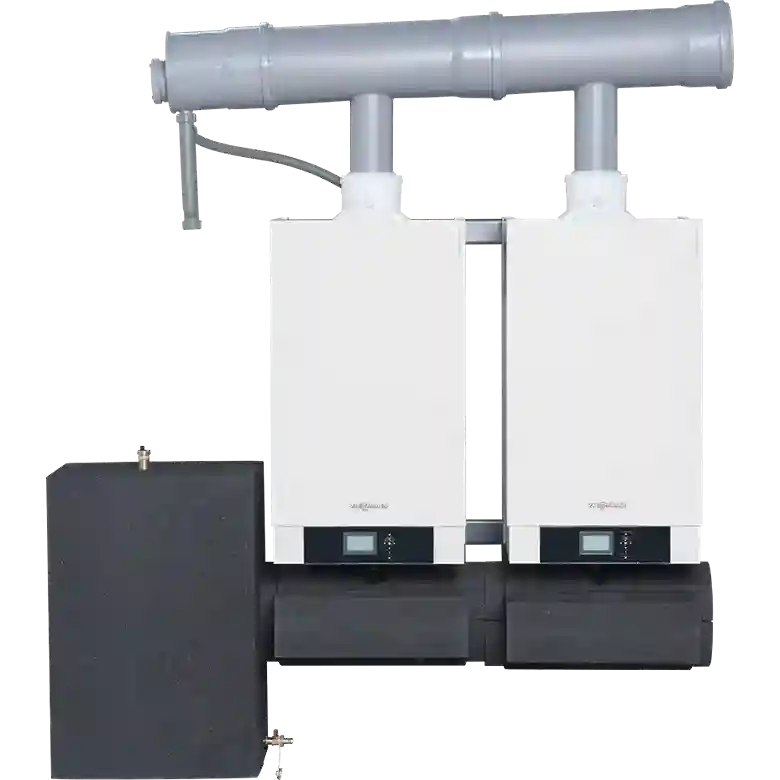
For larger buildings and industrial facilities, higher-power gas boilers are worth considering. These optionally use condensing technology and, thanks to cascade functions, can achieve a nominal heating output of up to 2,000 kW.

Image

Expert advice on gas heating

Get a free, personalized consultation on our gas boilers from our qualified sales partners!

Request a consultation now →

Consulting with a specialist is the first step in any heating system modernization project.

For a new gas heating system to be economical and reliable over the long term, it must meet your heating needs. This is best determined with the help of a professional.

Buying a gas heating system with subsidies

Homeowners choosing a gas heating system should also consider using renewable energy sources. This is because the combination of a gas condensing boiler with a solar thermal system, heat pump, or wood heating is subsidized by the state through attractive grants. For example, the Federal Office for Economic Affairs and Export Control (BAFA) covers up to 30 percent of the eligible costs of gas hybrid heating systems under the Federal Funding for Energy-Efficient Buildings (BEG). If the gas heating system is prepared for the future integration of renewable energy sources, the subsidy is up to 25 percent. Detailed information on this topic can also be found in the section on subsidies for gas condensing equipment.

Further recommendations for purchasing a gas heating system can be found in the heizung.de gas heating guide.

Simple and convenient: rent a gas heating system

Did you know that you can simply rent a gas heating system as an alternative? Zero purchase costs, a guarantee of up to 15 years, and even receive a subsidy. To learn more, visit the Viessmann Wäärme website.

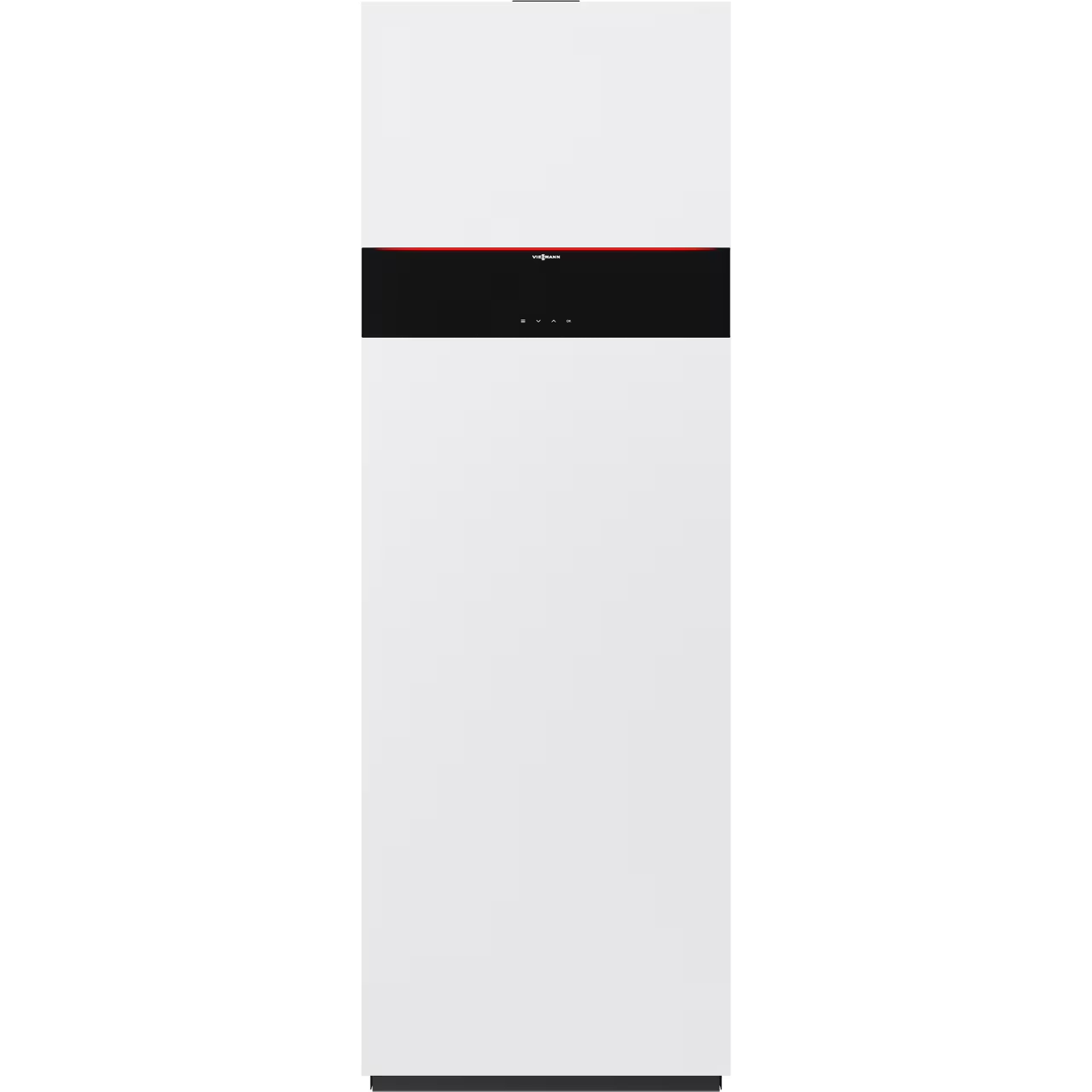
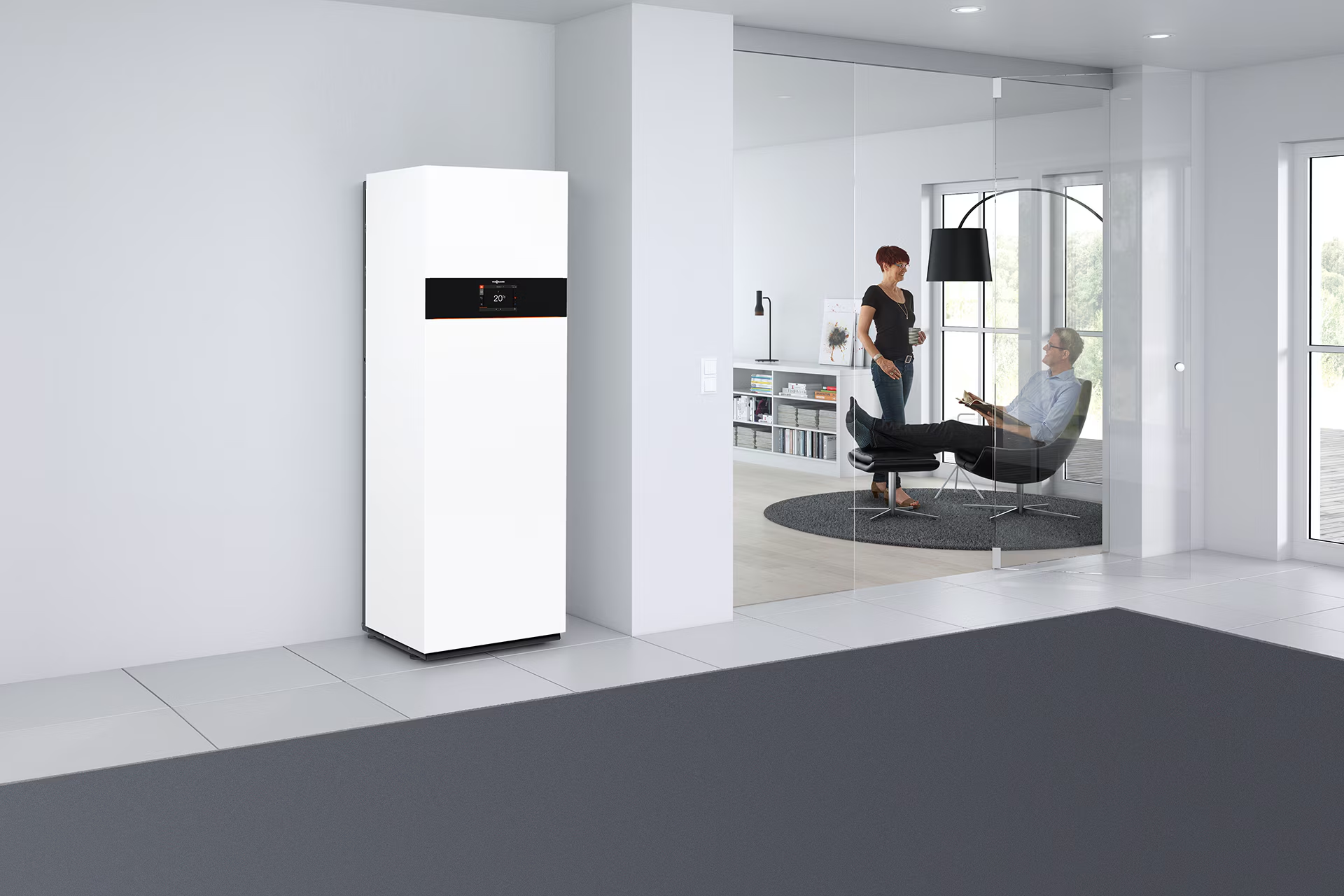
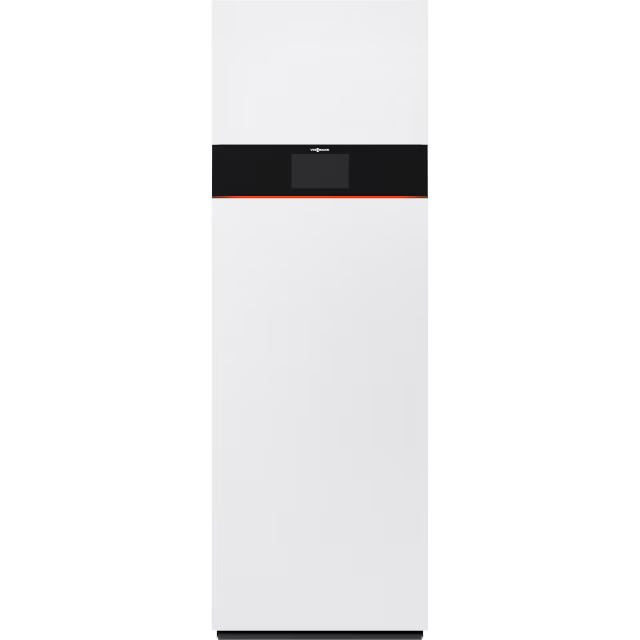
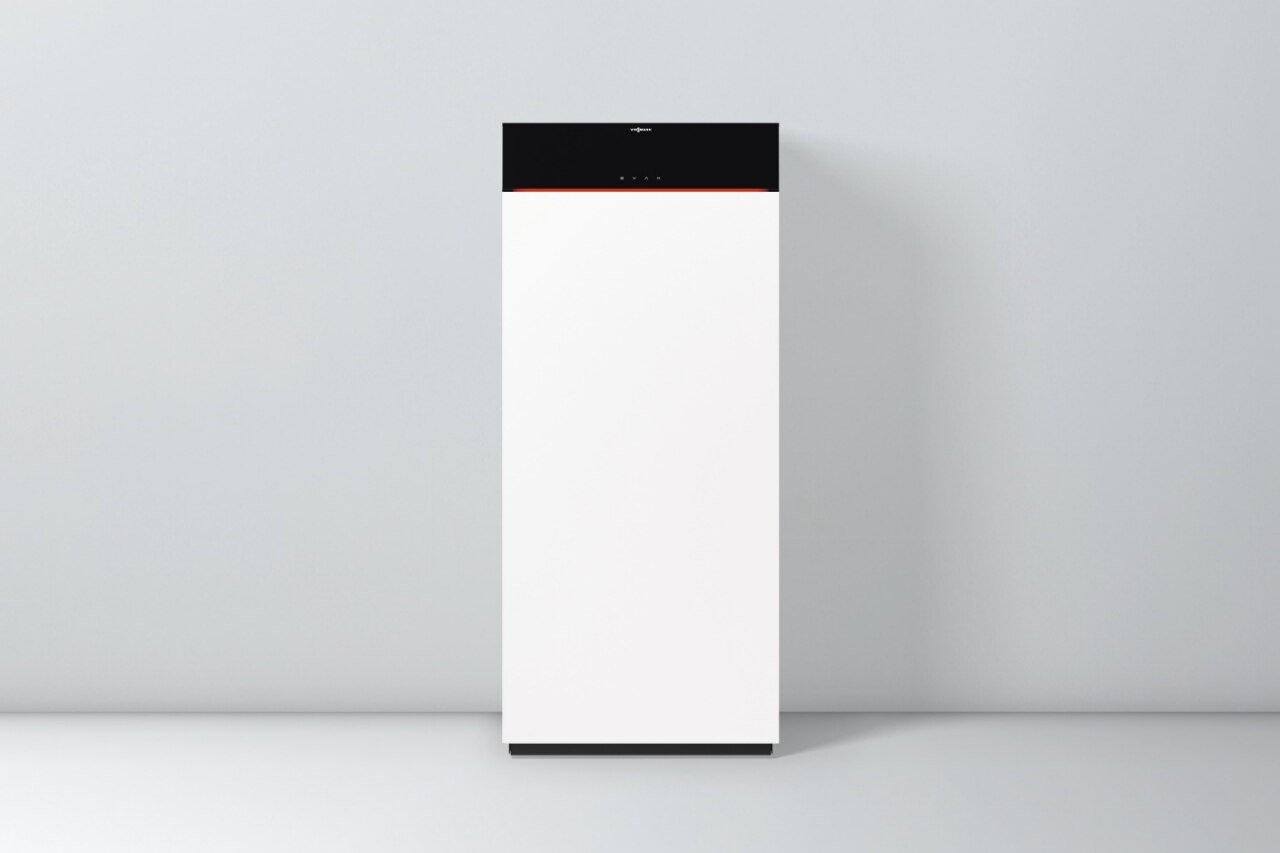
Vitodens 343-F is a gas condensing storage combination boiler with an integrated 170-litre stainless steel hot water cylinder and indirect solar heat exchanger.

Requirements for the operation of a gas condensing heating system

Those considering a gas heating system also need to decide on the technology in advance. Conventional boilers in residential buildings are now only used in exceptional cases. Gas heating systems using condensing technology are considered cutting-edge. They are highly efficient, capable of converting almost all of the energy contained in the fuel into heat. To learn more about this technology, see the section on how gas condensing boilers work. However, certain requirements must be met for a gas condensing heating system to operate.

Gas connection for uninterrupted operation

One of the advantages of gas heating is that system owners don’t need to store fuel. Natural gas is typically supplied directly from the gas connection valve, providing exceptional ease of use. Or at least, this is the case in most cases. Germany’s gas distribution network, which stretches over 500,000 kilometers, is capable of supplying most homes and apartments in Germany with natural gas. However, connecting every home is simply unrealistic. Particularly in rural areas, laying a gas pipeline may prove impossible. Therefore, anyone considering purchasing a gas heating system should contact their local gas company beforehand.

Liquefied gas tanks for liquefied gas systems

A connection to the local gas network is not required if the gas heating system runs on liquefied gas (LNG) rather than natural gas. These are gases that have been liquefied under pressure, sometimes at very high pressure. The most common types of LNG are butane and propane, as well as LPG (liquefied petroleum gas) and LNG (liquefied natural gas). Compared to natural gas, LNG has a higher energy content. This means a gas boiler requires less fuel to produce the same amount of heat. If you want to purchase a LNG-powered gas heating system, you will need a fuel storage tank. It can be placed either above ground or buried underground. Underground tanks are more expensive and require TÜÜV inspection.

Low flow temperatures

The key to condensing technology is the utilization of condensation heat. This heat is recovered by cooling the combustion products and releasing the latent heat of water vapor. For condensation to occur, the flow temperature in the system must be as low as possible. Specifically, this means that the heating water returning from the radiators to the boiler must be as cold as possible. Only in this way can condensation of hot flue gases be achieved. Underfloor heating systems and large-area radiators are particularly well suited for this operating mode.

A suitable chimney system is required

Some components of hot flue gases are acidic and can damage the chimney in the long term. Before homeowners purchase a condensing gas heating system, they should consider a suitable flue system approved for use with it.

It is necessary to ensure condensate drainage.

When a gas condensing boiler operates, condensate forms. To remove it, a condensate drain pipe must be installed. Slightly acidic condensate can be safely discharged into a regular public sewer system. Only large gas condensing boilers with a rated heating output greater than 100 kW require neutralization of the condensate before discharge. The pH value of the condensate is a decisive factor. The “DWA-A 251” code of practice of the German Association for Water, Wastewater, and Waste (DWA) can be used as a guide. A detailed description can be found in the section on gas as a fuel.

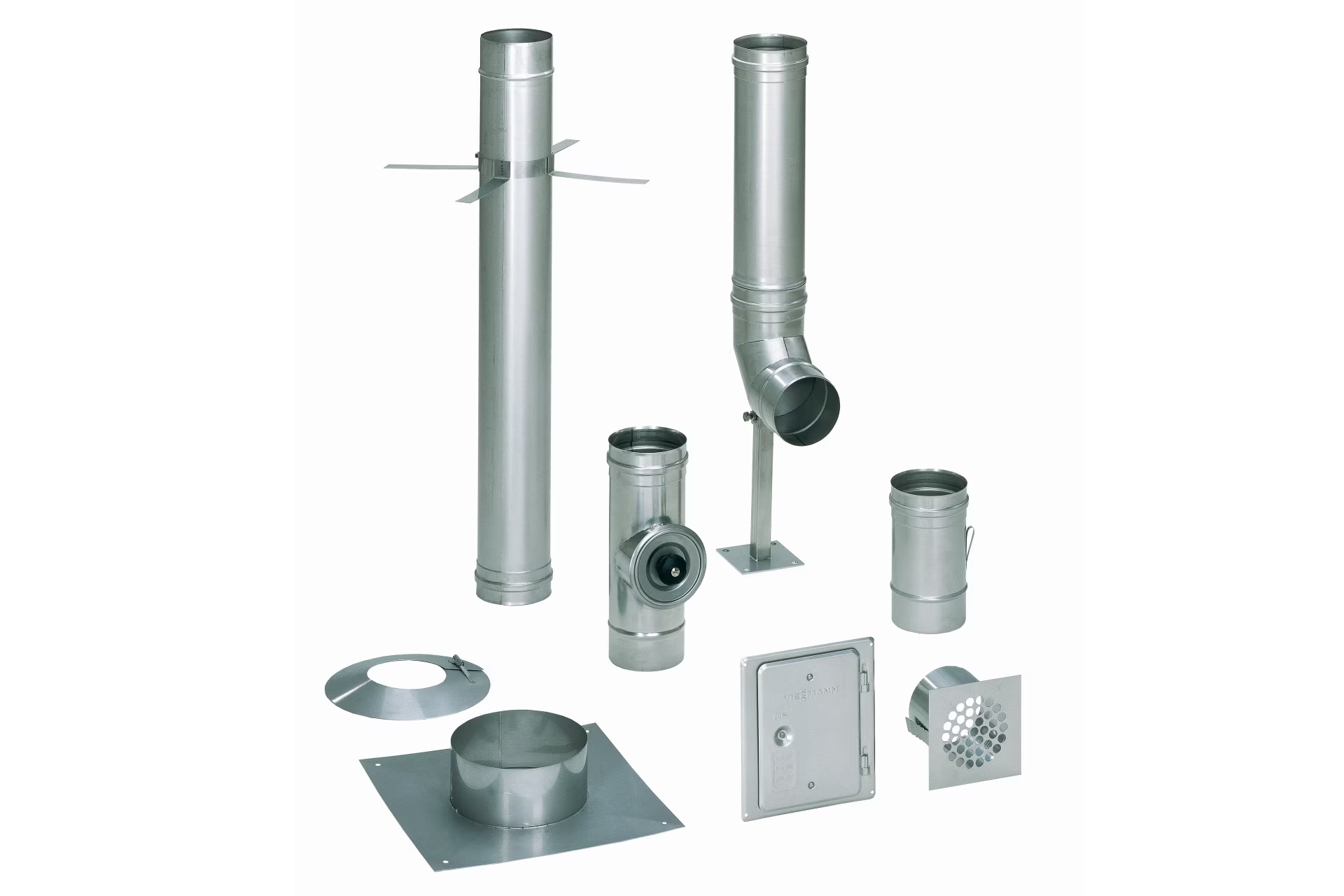
Flue gas system components required for a gas condensing heating system

Benefits of upgrading your gas heating system

Countless gas heating systems still exist, using outdated technology and posing a burden not only to the economy but also to the environment. Modernizing an outdated gas heating system offers homeowners numerous benefits. However, to ensure a smooth process, several considerations must be taken into account. Read more about incentives and specific aspects of modernization here.

Biogas Blending: Preparing for the Future

By choosing a gas condensing boiler, homeowners actively contribute to saving resources and reducing their environmental impact. Taking this a step further and using biogas can further enhance their environmental credentials. Technically, this transition is easy with a Viessmann gas condensing boiler. Thanks to the Lambda Pro Control combustion controller, gas condensing boilers automatically adjust to various gas types, including biogas mixtures. In addition to natural gas, biogas, and liquefied petroleum gas, Vitodens products are also suitable for natural gas-hydrogen mixtures containing up to 20% hydrogen. This ensures they always convert the maximum possible amount of energy into heat, regardless of the gas quality.

The Potential of Solar Technologies in Modernization Projects

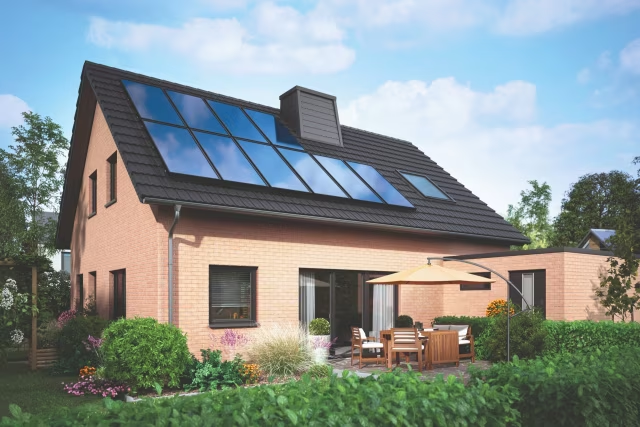
Another argument in favor of upgrading older gas heating systems is the possibility of combining them with solar thermal energy. Every new gas heating system can and should be integrated with solar collectors to utilize free solar energy. Viessmann gas boilers are prepared for connection to a solar thermal system. In just a few simple steps, they can be switched from mono-mode to dual-mode. In this case, the solar thermal system can provide hot water and serve as a backup for the heating system. The Viessmann system’s design ensures that all components work seamlessly together, right down to the user-friendly control unit—even online, with an app that handles everything you ask of it.

Gas heating systems can be combined with heat pumps

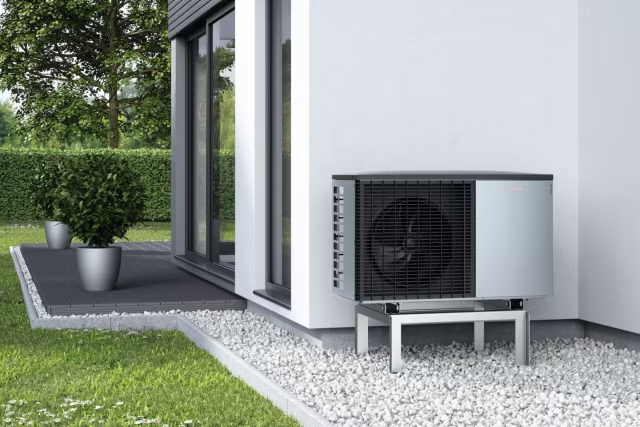
For dual-mode operation, a gas boiler can be combined not only with a solar thermal system but also with a heat pump. In the latter case, the heat pump not only provides hot water but also heats the premises. The gas boiler is activated during peak loads. This allows system owners to heat their homes extremely efficiently and cleanly, while conserving resources. Not least, the government supports such combinations with attractive subsidies, provided the boiler uses condensing technology. A gas heating system in an older building, wisely supplemented in this way, will ensure optimal economic efficiency.

Hassle-free installation

Since most connections lead directly into the house, installing a gas heating system is quite simple. If a homeowner chooses this type of heating system, the boiler can be installed virtually anywhere. Compact wall-mounted gas condensing boilers don’t take up much space and can be quickly and easily installed in a utility room or basement. While compact floor-standing units can be installed in an attic or utility room, homeowners can also easily install gas condensing units in living spaces. There are even gas condensing boilers that fit in a kitchen cabinet.

No need for a pantry

Since the connection is made directly to the house, homeowners don’t need a storage room or fuel tank to operate a gas heating system. A tank is only required if liquefied petroleum gas (LPG) is used instead of natural gas. It can be installed, for example, in the garden. An existing chimney is always required. When installing or fitting in the attic, a fireproof roof outlet with a small diameter of about ten centimeters is sufficient. If a chimney is present, the flue pipe can also be routed through the roof. If the gas heating system uses condensing technology, the flue pipes must meet certain requirements.

Other reasons

Cause Explanation
Mandatory replacement The Building Energy Act (GEG) requires the replacement of boilers installed before 1991. These boilers are now over 30 years old and consume unnecessary energy. However, the mandatory replacement only applies to constant-temperature boilers.
Increase in cost Another reason to upgrade a gas heating system is to increase property value. A new, reliable gas boiler is a key factor influencing the desirability of a property, especially one that has undergone structural renovations for use as rental apartments. New gas boilers are also very compact, meaning they take up little space when installed. Therefore, replacing the boiler allows you to increase the space in your home.
Subsidies In order to qualify for government subsidies under the Federal Building Energy Efficiency Grant (BEG) program to reimburse the costs of retrofit projects, condensing technology must be used.

Gas heating is an environmentally friendly solution for businesses and local authorities

A gas boiler is a proven technology suitable for a variety of applications. With a product range of up to 2000 kW, Viessmann has a suitable solution for every need and budget. From a technical perspective, it’s important to distinguish between low-temperature and condensing technologies. We’ll explain the differences and how these two systems differ in commercial and municipal applications.

Gas condensing boilers with a capacity of up to 2000 kW for commercial use

Gas condensing boilers additionally utilize the heat of condensation of hot gases, thereby achieving an exceptionally high level of efficiency. Here, hot gases are not discharged as flue gases directly into the open air through a chimney, as is the case with conventional boilers. Instead, they pass through a heat exchanger and are cooled in the process. As the gases cool, the water vapor they contain condenses, releasing the latent heat of condensation. This heat is then used to heat the heating water. This means the boiler has to perform less work to bring the flow temperature to the required level. Thus, gas condensing boilers for commercial applications not only reduce heating costs in the long term but also help reduce the amount of fossil fuel burned. This means a significantly reduced impact on the environment.

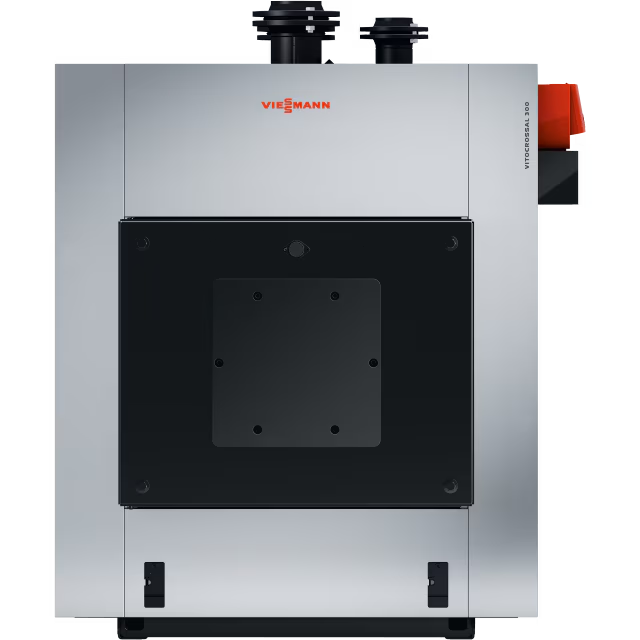
Viessmann’s advanced gas condensing technology features Inox-Crossal stainless steel heat exchangers. These are ideal for condensing technology and are found in all Vitocrossal series boilers, ranging in output from 80 to 1400 kilowatts. Vitocrossal condensing boilers are primarily used in apartment complexes, public and commercial buildings, and district heating networks. The most suitable boiler type for a specific application should be determined through careful project preparation and planning.

Low temperature gas boilers for commercial use

Low-temperature boilers feature proven and reliable technology. Their compact design allows for easy transport to the point of use. One of the main advantages over outdated constant-temperature boilers is that the output of a low-temperature gas boiler can be adjusted to meet the building’s current needs. This is also known as modulating temperature control. Furthermore, these boilers are designed to operate at low flow temperatures. Viessmann low-temperature boilers are suitable for use in commercial, local government, and large residential buildings, for both new construction and retrofit projects.

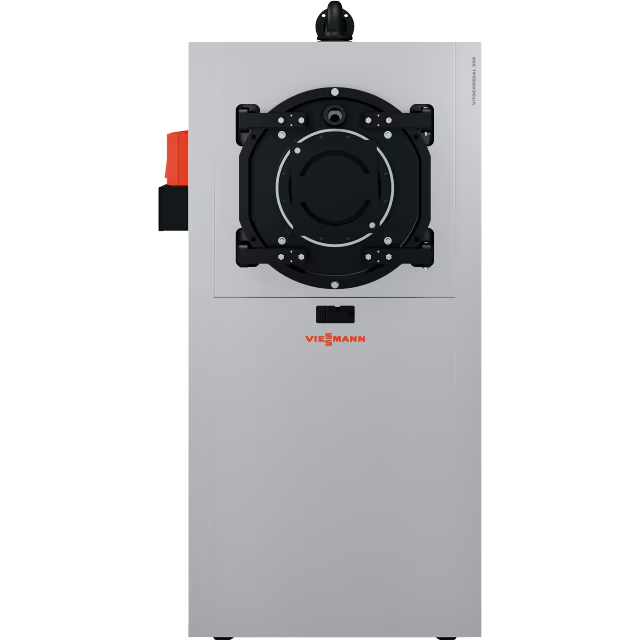
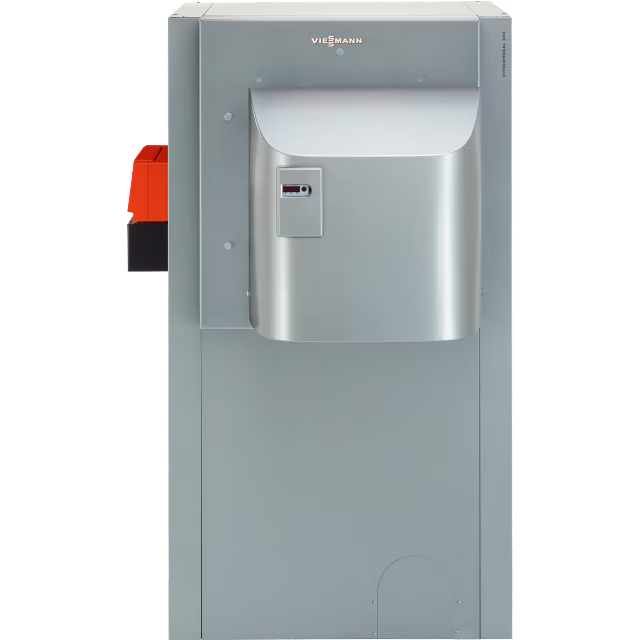
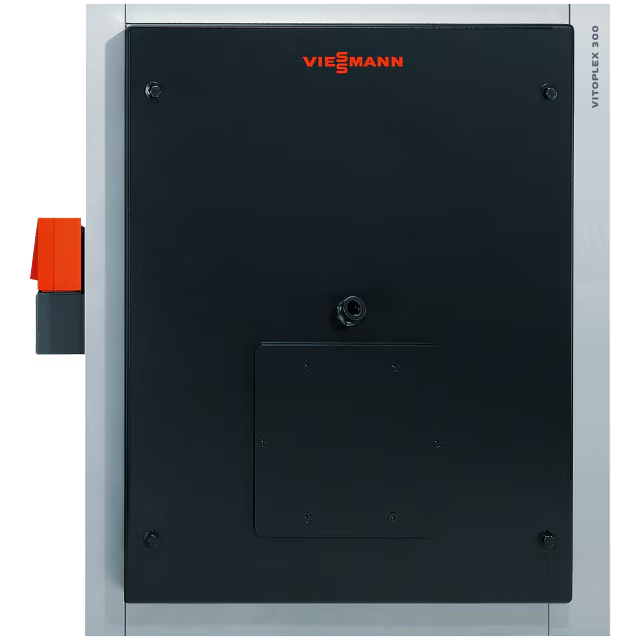
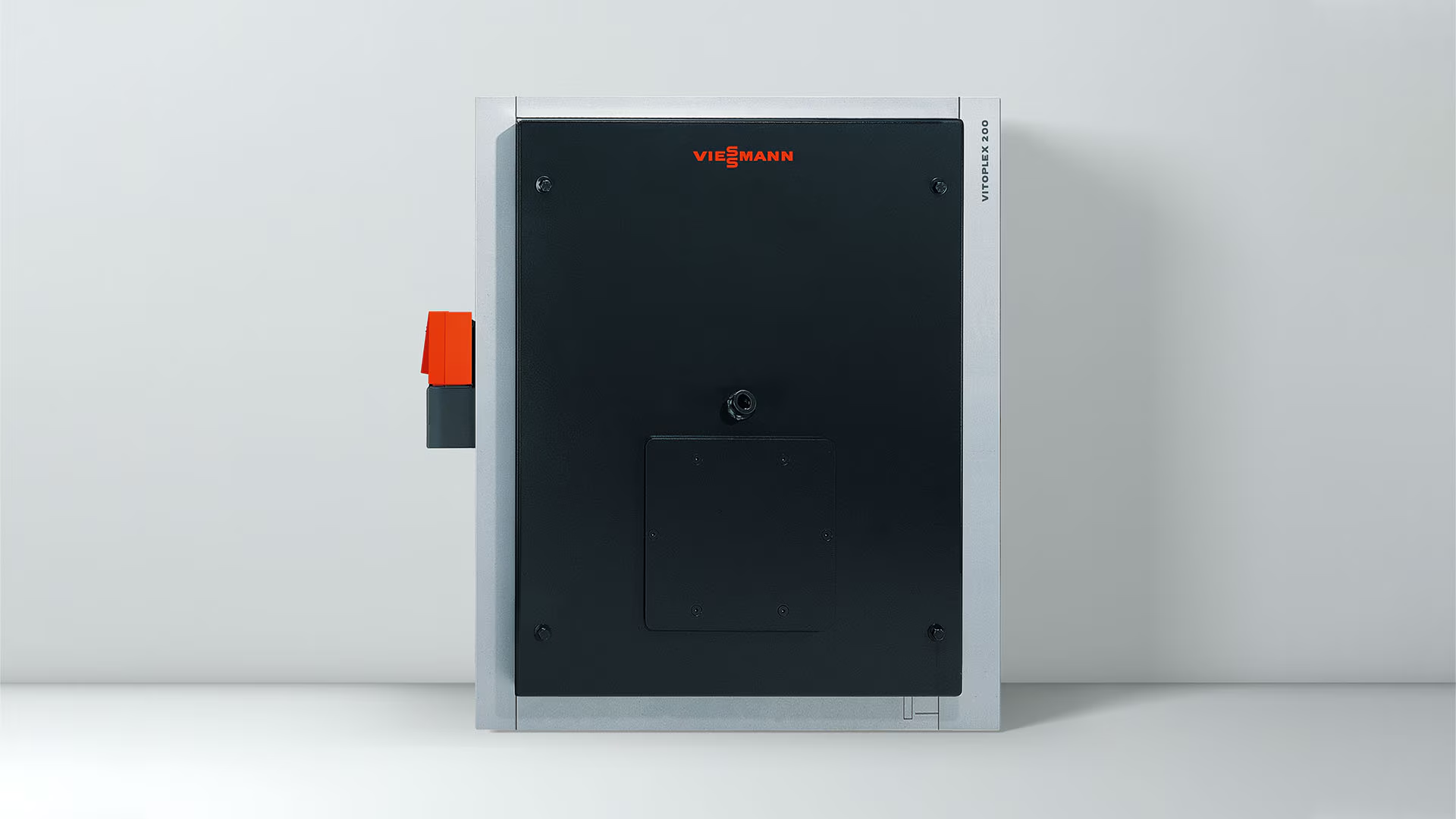
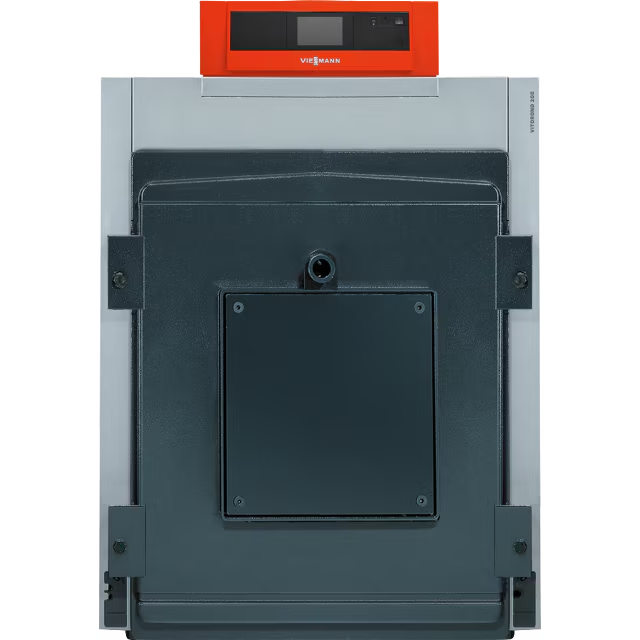
These include the Vitoplex 200, Vitoplex 300, and Vitorond 200 series. All three boilers feature a three-pass design. Their output ranges from 405 to 2000 kilowatts, making them suitable for use in municipal, commercial, and large residential applications. All three series utilize the user-friendly and powerful Viessmann Vitotronic control unit. This ensures simple commissioning and remote monitoring during operation.

Matrix gas burner in operation

Frequently asked questions about gas heating

What are the benefits of upgrading? How much can you save on energy costs with a new gas heating system? What does the upcoming switch to gas mean? Isn’t gas a finite fuel, and how can I become independent of price trends? Five frequently asked questions about gas heating and answers.

How much can you save on energy costs with a new gas heating system?

With a boiler using conventional heating technology, savings of 15 percent are quite realistic. With an older constant-temperature boiler, on the other hand, savings can reach 30 percent. If homeowners choose a combination of a gas condensing boiler and solar thermal energy as part of a heating system upgrade, their bills can be up to 35% lower than before. This is assuming all system components—boiler, radiators, pump, and piping—are properly matched.

Is the existing heating system suitable for all types of gas?

In the coming years, many gas boilers will have to undergo technical retrofitting as part of the gas transition in Western Germany. Specifically, L-gas is being replaced by the more energy-intensive H-gas. All owners of Viessmann gas condensing boilers with the intelligent Lambda Pro Control control unit will not be affected by the retrofitting. This is because the control unit automatically adapts to the new gas type and can burn H-gas without any issues.

Are there any additional costs to be expected when switching to gas?

Those with gas condensing boilers not equipped with the Viessmann Lambda Pro Control intelligent control unit should pay attention to all letters, notifications, and deadlines received from their energy supplier. Customers will not be responsible for any costs incurred as a result of the conversion. Detailed information can be found on the “Conversion to Gas” page.

How can we achieve greater independence from gas prices?

Those who choose tomorrow’s technology today will be less dependent on their fuel supplier and will reduce their heating costs in the long run. This technology already exists in the following forms:

  • Solar thermal combined with gas condensing boilers. Here, the solar thermal system is responsible for hot water heating and can ease the load on the heating system.
  • Gas condensing boiler and heat pump. The gas condensing boiler only operates during peak loads.
  • A fuel cell heating system such as the Vitovalor 300-P with a peak load boiler that only comes on when needed.

You can also find more information about gas heating in the Gas Hybrid Appliances Guide .

©️ MaximP / Shutterstock.com

Downloads and links for gas heating

In this section, you’ll find all the important links and brochures for Viessmann gas boilers. All brochures are available for free download in PDF format.

In the following brochure, you’ll find information about condensing technology and its positive impact on the climate and the environment. Explore and learn more about how this technology works, the wide range of gas condensing boilers, and how they can be combined. The “Gas Condensing Technology” brochure also presents the most important key data for individual units in a concise and easy-to-understand format.

Viessmann gas boilers are also available in higher output ranges. This extensive range for commercial applications includes efficient energy systems for cost-effective heat, steam, cooling, and electricity supply. In the brochure dedicated to gas boilers up to 2000 kW, you’ll find an overview of all heat generators for commercial applications.

Download library: brochures and data sheets for each model

Viessmann offers a wide range of models to meet any requirement. For detailed information, simply click on the relevant technical data sheet and, if necessary, on additional product information.

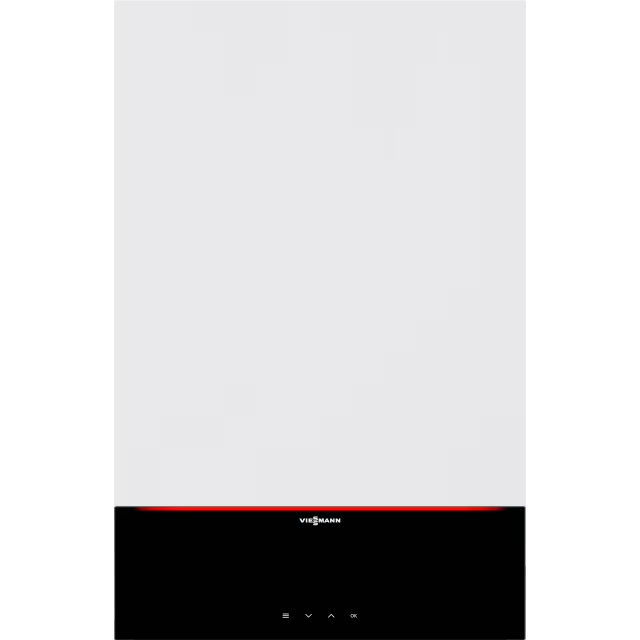
Vitodens 300-W

Wall-mounted gas condensing boiler (heating device)
Nominal heating power: 1.9 – 32 kW

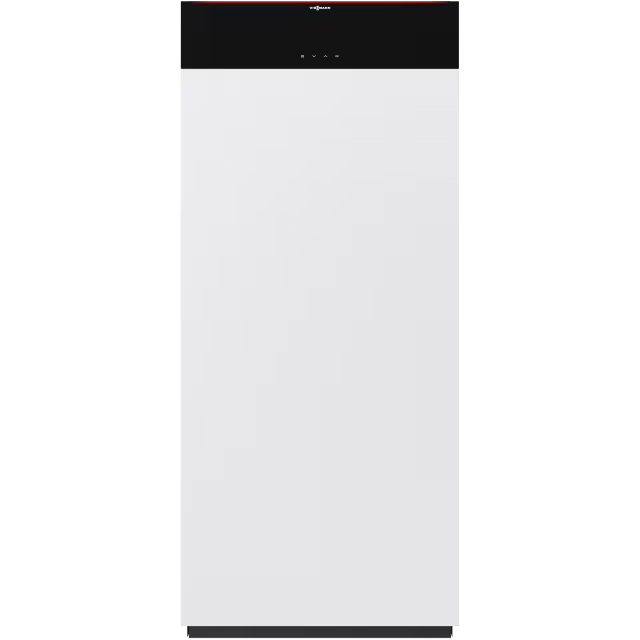
Vitodens 333-F

Gas condensing storage combination boiler with integrated stainless steel loading cylinder
Nominal heating output: 1.9 – 32 kW

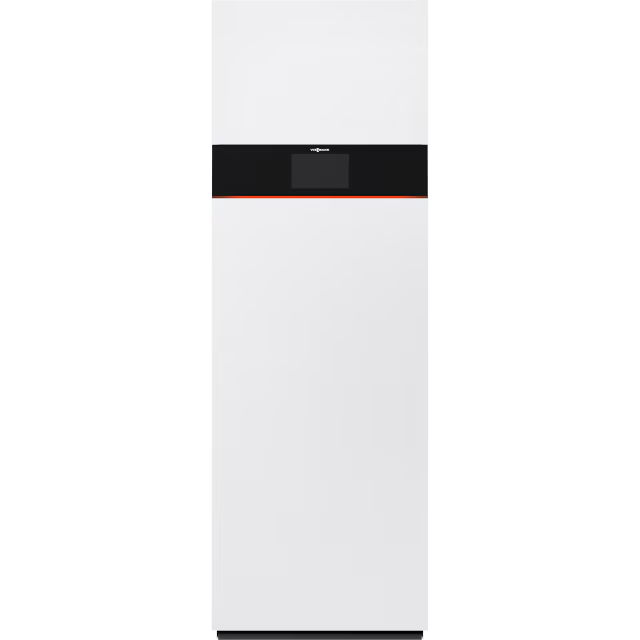
Vitodens 343-F

Gas/solar condensing storage combination boiler with solar hot water heating
Nominal heating output: 1.9 – 19 kW

Vitodens 200-W

Wall-mounted gas condensing boiler
Nominal heating power: 2.5 – 32 kW

Vitodens 222-W

Gas condensing storage combination boiler with integrated stainless steel loading cylinder
Nominal heating output: 2.5 – 32 kW

Vitodens 222-F

Gas condensing storage combination boiler with integrated 100 litre loading cylinder or 130 litre hot water cylinder with internal indirect heat exchanger
Nominal heating power: 2.5 – 32 kW

Vitodens 242-F

Gas condensing storage combination boiler for modern heating with condensing and solar technology in detached houses.
Nominal heating output: 2.5 – 19 kW

Vitodens 200-W

Wall-mounted gas condensing boiler
Nominal heating power from 49 to 150 kW
As a multi-boiler system from 98 to 594 kW

Vitocrossal 300 type CU3A

Gas condensing boiler
Nominal heating power: 2.6 – 60 kW

Vitocrossal 300 type CM3C

Gas condensing boiler
Nominal heating power: 87 – 311 kW

Vitocrossal 300 type CT3B

Gas condensing boiler
Nominal heating power: 187 – 635 kW

Vitocrossal 300 type CT3U

Gas condensing boiler
Nominal heating power: 400-630 kW, as a two-boiler system up to 1260 kW

Vitocrossal 300 type CRU

Gas condensing boiler
Nominal heating power: 800 and 1000 kW

Vitocrossal 300 type CR3B

Gas condensing boiler
Nominal heating power: 787 – 1400 kW

Vitocrossal 200 type CIB

Loadings for low-temperature gas boilers with a capacity of up to 2000 kW

Vitoplex 300

Low temperature oil/gas boiler, three-pass boiler
Nominal heating power: 405 – 2000 kW

Vitoplex 200

Low temperature oil/gas boiler, three-pass boiler
Nominal heating power: 440 – 1950 kW

Vitorond 200

Other Viessmann guides and tips

Geothermal collectors

Geothermal collectors

Read more
Heat Pump: All information at a glance

Heat Pump: All information at a glance

Read more
Climate-neutral heating using hydrogen

Climate-neutral heating using hydrogen

Read more