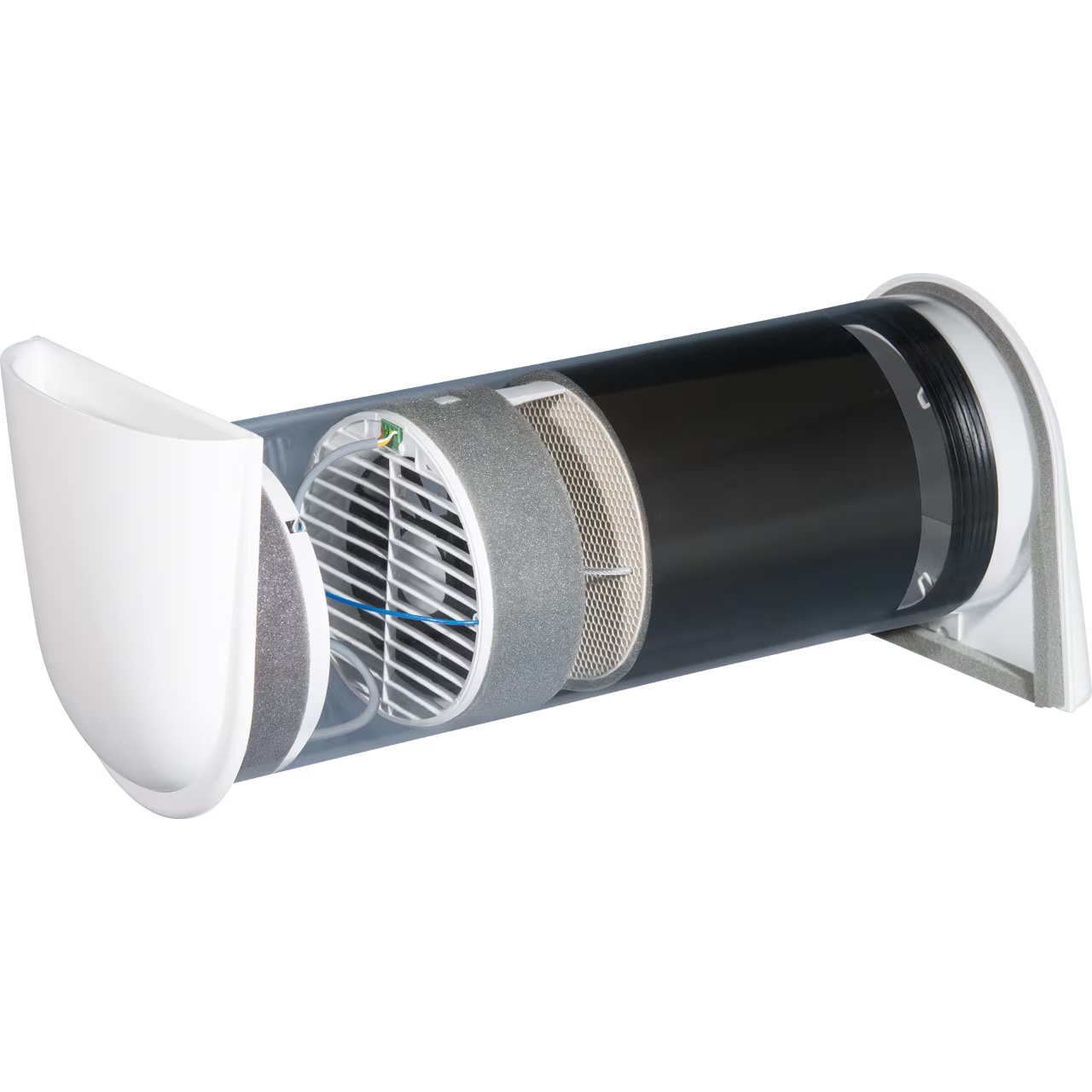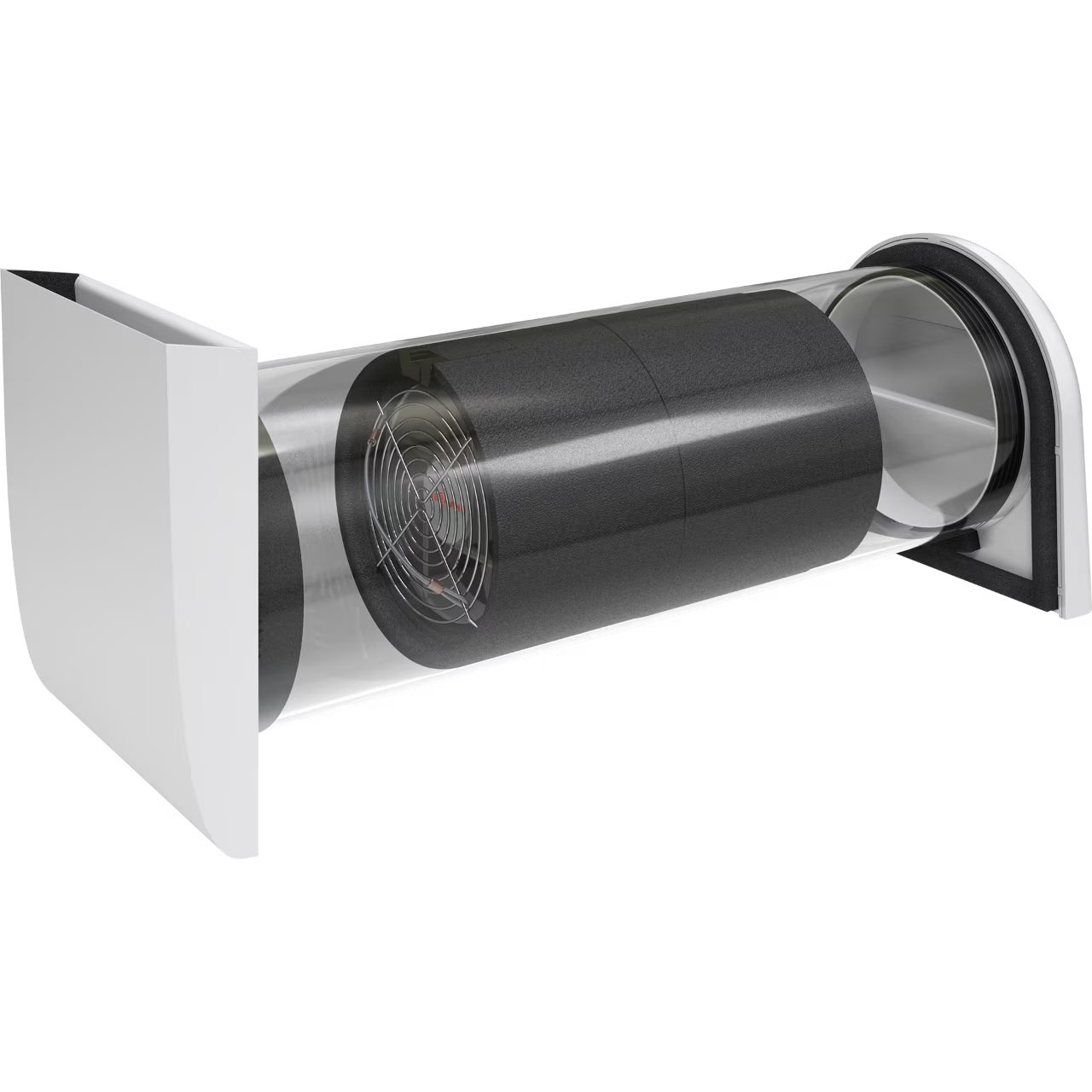
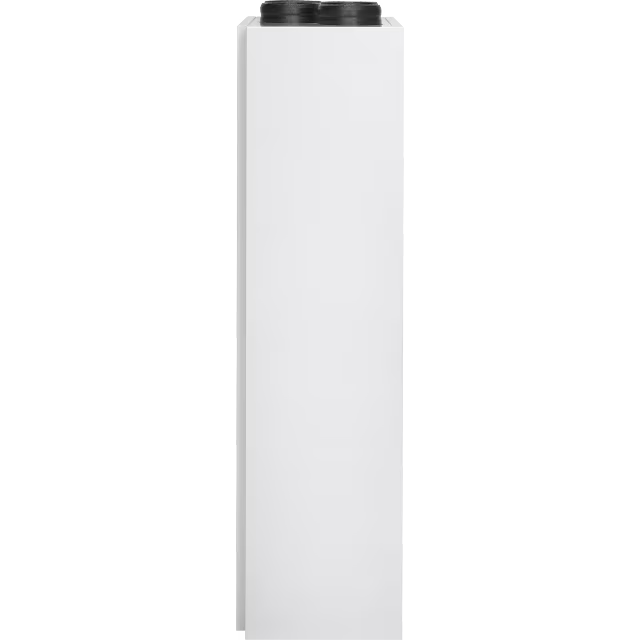
Vitovent 300-F
Ventilation
- Air flow: up to 285 m³/h
- Heat recovery up to 98%
- Saving on energy costs
- Combination with Vitocal
Photo: © yu_photo / Shutterstock.com
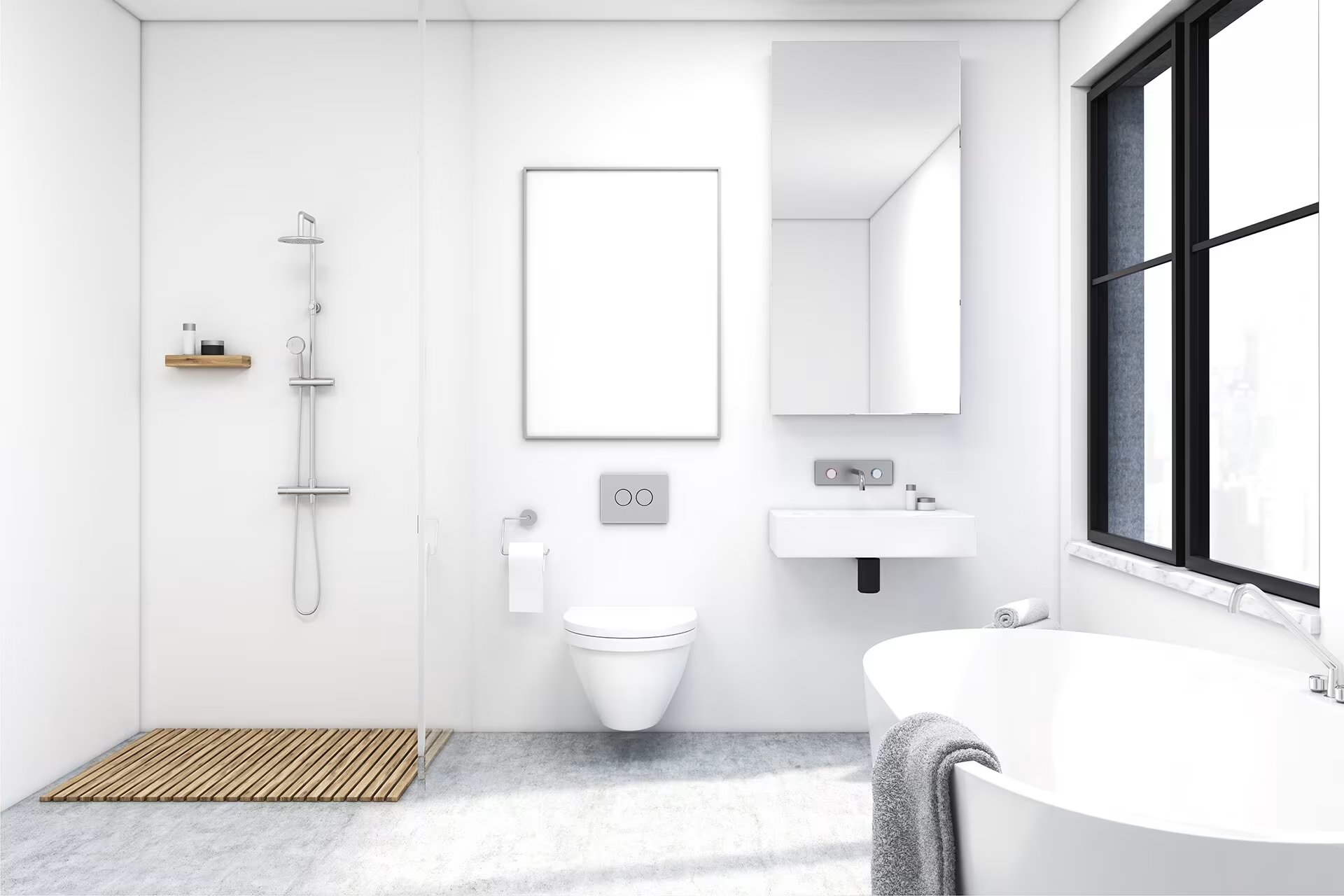
Excessive humidity and unpleasant odors—both can be avoided with the right bathroom ventilation system. This doesn’t necessarily require windows. There are various technical solutions for ventilation in windowless bathrooms, which are often found in older buildings. But even in newer buildings with bathroom windows, a ventilation system can be beneficial. It ensures a pleasant indoor climate and can also reduce energy consumption. Learn more about the importance of ventilation, various solutions, and what to consider during renovations and maintenance.
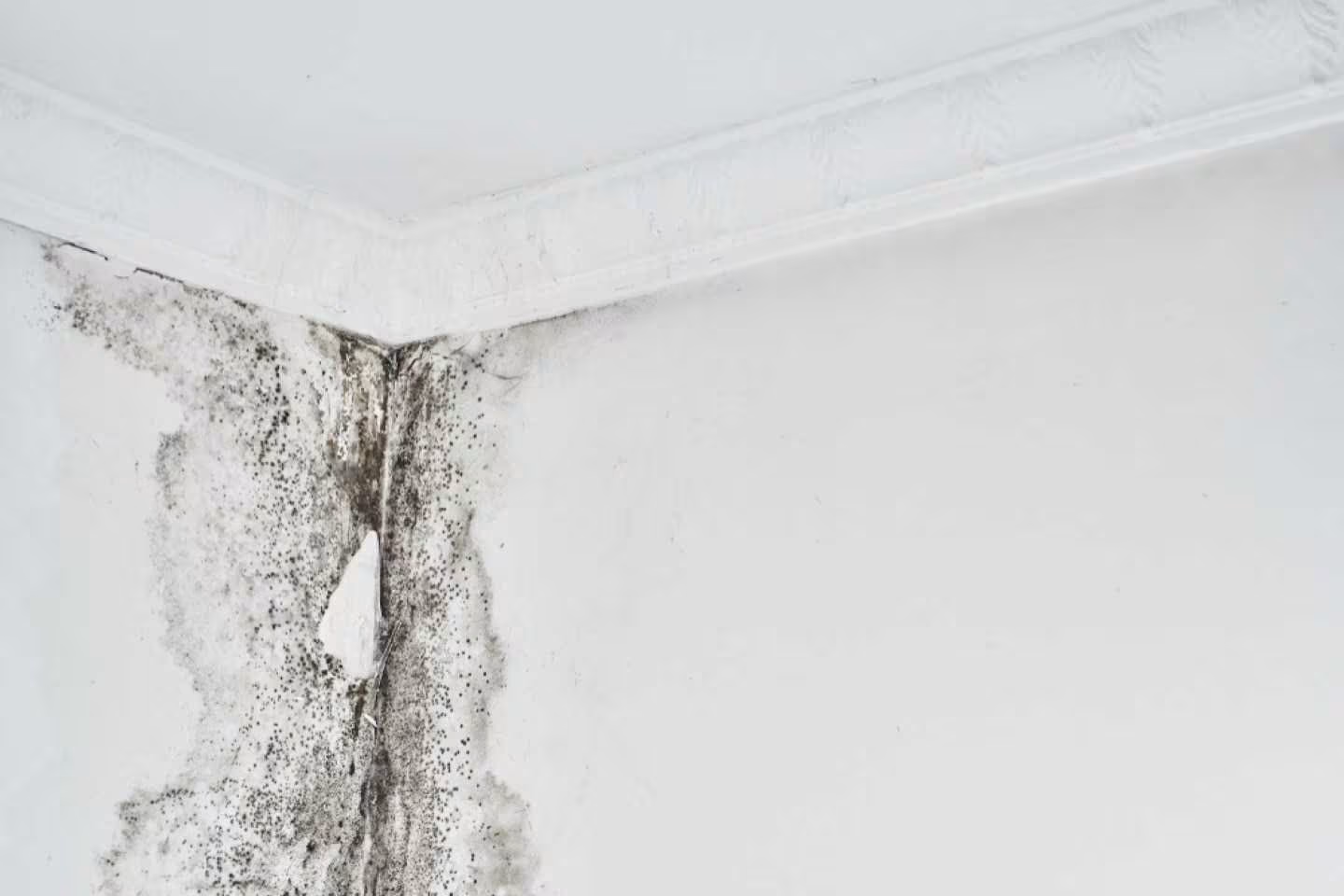
Bathrooms tend to have higher humidity than other rooms. This is because showering, bathing, washing clothes, and drying wet towels generate a lot of moisture. The problem is this: If the temperature drops below the dew point, moisture condenses on cold surfaces, such as exterior walls and cracks. This promotes mold growth. The exact dew point depends on, among other factors, the temperature and humidity of the air. For example, at a room temperature of 24 degrees Celsius and 70 percent humidity, the dew point is 18.2 degrees Celsius. Bathroom ventilation or an open window removes moisture before the temperature drops below the dew point and condensation occurs. Ventilation in the bathroom is not only a way to prevent mold . Air exchange also helps disperse odors and maintain a comfortable room.
The following table shows the optimal humidity and temperature ranges for various living spaces. Both values are slightly higher in the bathroom than in other rooms. A higher temperature promotes comfort in the bathroom, but, as explained above, it also helps the air bind more moisture. Therefore, to prevent condensation, it is recommended to ensure an even temperature distribution in the bathroom.
| Premises | Optimum humidity (%) | Optimum temperature (°C) |
|---|---|---|
| Bathroom | 50 - 70 | 21 - 23 |
| Living room and study | 40 - 60 | 20 - 23 |
| Bedroom | 40 - 60 | 16 - 18 |
| Children's bedroom | 40 - 60 | 20 - 23 |
| Kitchen | 50 - 60 | 18 - 20 |
| Hallway | 40 - 60 | 15 - 18 |
| Basement | 50 - 65 | 10 - 15 |
Please note: humidity levels below 30 percent should be avoided at all costs. Levels below this level are unhealthy and can damage materials such as wood.
Photo: © Image Flow / Shutterstock.com
Controlled mechanical ventilation (CMV) allows for optimal ventilation in a windowless bathroom. However, its use is also beneficial in a bathroom with a window. There are two main types of this mechanical ventilation:
In a windowless bathroom, ventilation is practically mandatory. According to DIN 18017 and the guidelines of many federal states, windowless rooms must be ventilated mechanically.
Because they require structural intervention, central ventilation systems are primarily installed in new buildings. They consist of a ventilation unit and air distribution system, which can be integrated into the floor, wall, or ceiling. Ventilation in the bathroom and other rooms is controlled by the central ventilation unit. Systems with integrated heat exchangers offer a useful secondary benefit: they can utilize the thermal energy of the exhaust air to heat the incoming fresh air. This reduces the load on the heating system and significantly reduces costs. Viessmann central mechanical ventilation systems are equipped with such heat exchangers. For example, the Vitovent 200-C and Vitovent 300-C systems are suitable for residential spaces ranging from 60 to 120 square meters (m²). For larger living spaces, the Vitovent 300-W system provides reliable ventilation for all rooms, including the bathroom.
Decentralized bathroom ventilation is more common, especially in older and existing buildings. This is because ventilation units can be installed in individual rooms, eliminating the need for ventilation ducts. The bathroom must be located on an external wall. In this case, installation requires only a hole in the wall and an electrical connection. Due to their ease of installation, decentralized solutions are also ideal for modernization projects. Various options are available for ensuring good ventilation in the bathroom.
It’s possible to combine decentralized and centralized mechanical ventilation. Consult your contractor to determine the best solution for your project. They will understand the on-site conditions and provide you with personalized advice.
With decentralized ventilation, many measures can be taken independently. For example, if the system emits an unpleasant odor, it is most likely caused by deposits and dirty filters. To remove or replace them, first remove the cover. Afterwards, simply clean the fan and cover with a damp cloth. New filters from the manufacturer are available at specialty stores.
If the bathroom ventilation system runs continuously, residents can also first try to determine the cause themselves. In the case of a decentralized ventilation system, the culprit may be a faulty or improperly adjusted overrun relay. This relay is designed to ensure that the bathroom fan shuts off after a certain amount of time. In certain circumstances, adjusting it may be sufficient. If the relay needs to be replaced or if there is another malfunction, it is recommended to contact a professional installer. They will professionally replace the component and perform the adjustment. With centralized ventilation systems, it is always advisable to hire a contractor for both repairs and cleaning. This is because the entire ductwork must be inspected.
It’s a good idea to ventilate the bathroom through windows and a ventilation system. Moisture can quickly escape through an open window. After taking a shower or bath, it should be fully opened for five to ten minutes. To prevent moist air from spreading throughout the living space, it’s recommended to simultaneously close the bathroom door. Especially in winter, avoid leaving the window open for too long. The more heat escapes through the window, the more intense the heating becomes. To avoid this, it’s best to turn off the heating while ventilating. Furthermore, moisture condenses, especially on cold surfaces, and can lead to mold growth in the medium and long term. For this reason, it’s important to maintain a bathroom temperature of 21 to 23 degrees Celsius year-round.
A heat recovery ventilation system helps make bathroom ventilation even more efficient. This is because it ensures regular air exchange even without open windows and the associated heat loss. At the same time, stale air is replaced with fresh, oxygen-rich air. Built-in filters also trap dirt particles. This saves energy, creates a pleasant indoor climate, and prevents mold growth.
In addition to proper ventilation and maintaining a consistently warm room temperature, there are other measures to combat mold. These include thoroughly drying tiles, faucets, and shower enclosures after showering and bathing. Shower curtains should be drawn to allow them to dry properly. It’s also recommended to ensure that bathroom furniture isn’t positioned too close to the wall, to prevent moisture from accumulating behind it.
Geothermal collectors for brine/water source heat pumps extract heat close to the surface and can be installed without a permit. You can read more about the differences here.