MENU

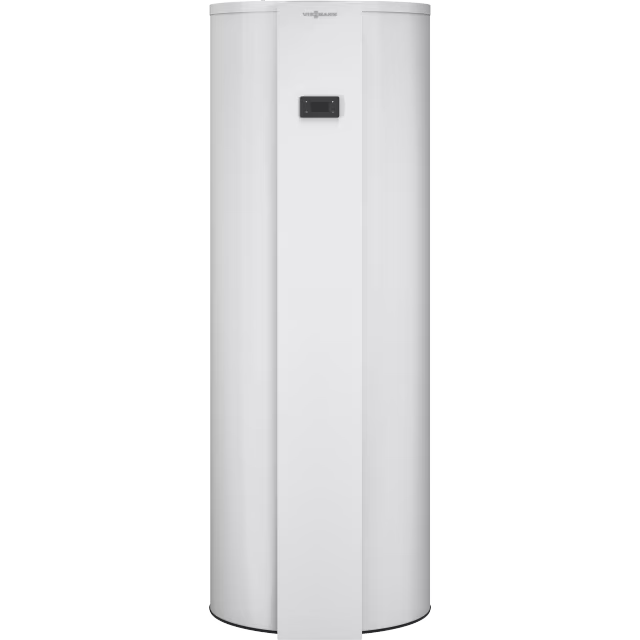
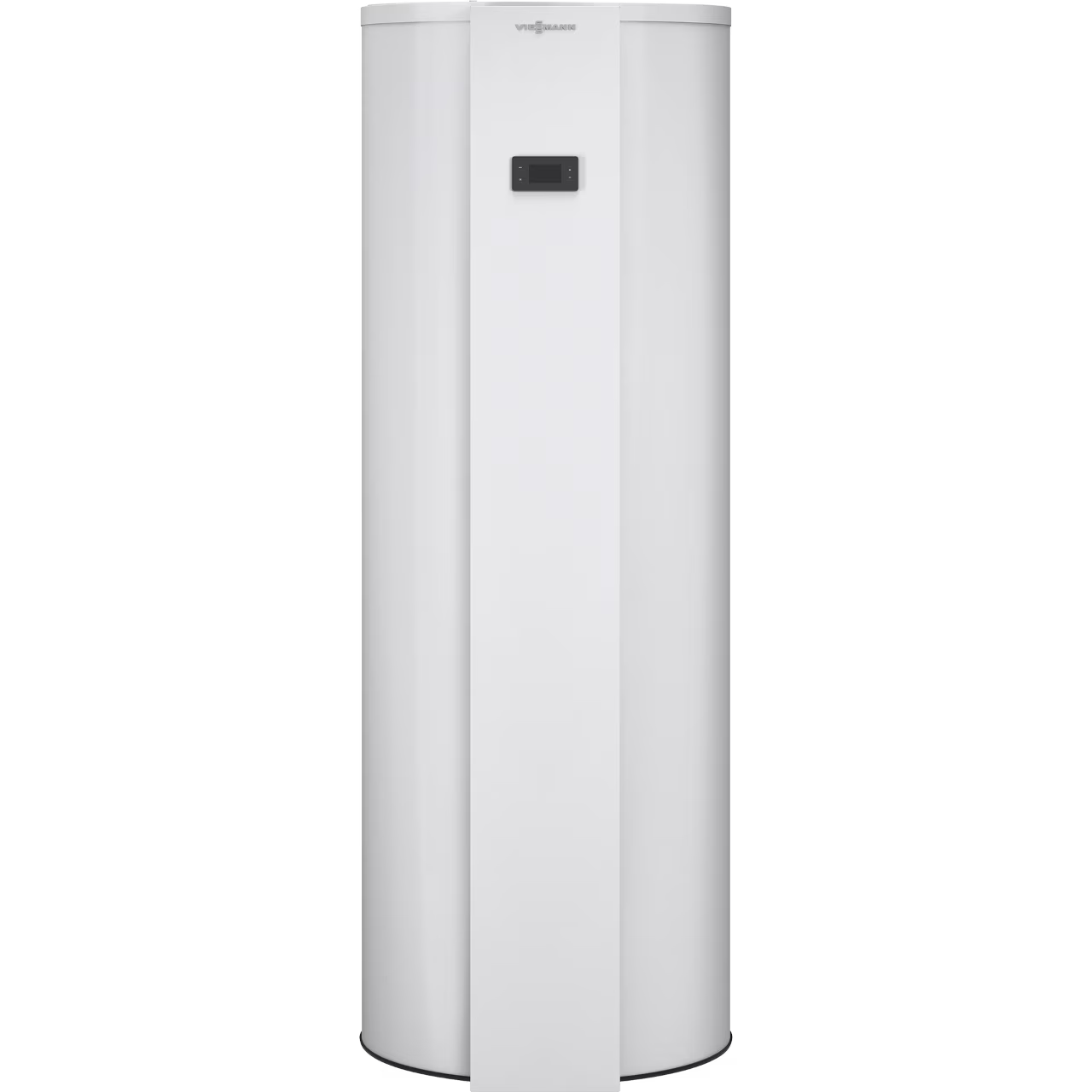
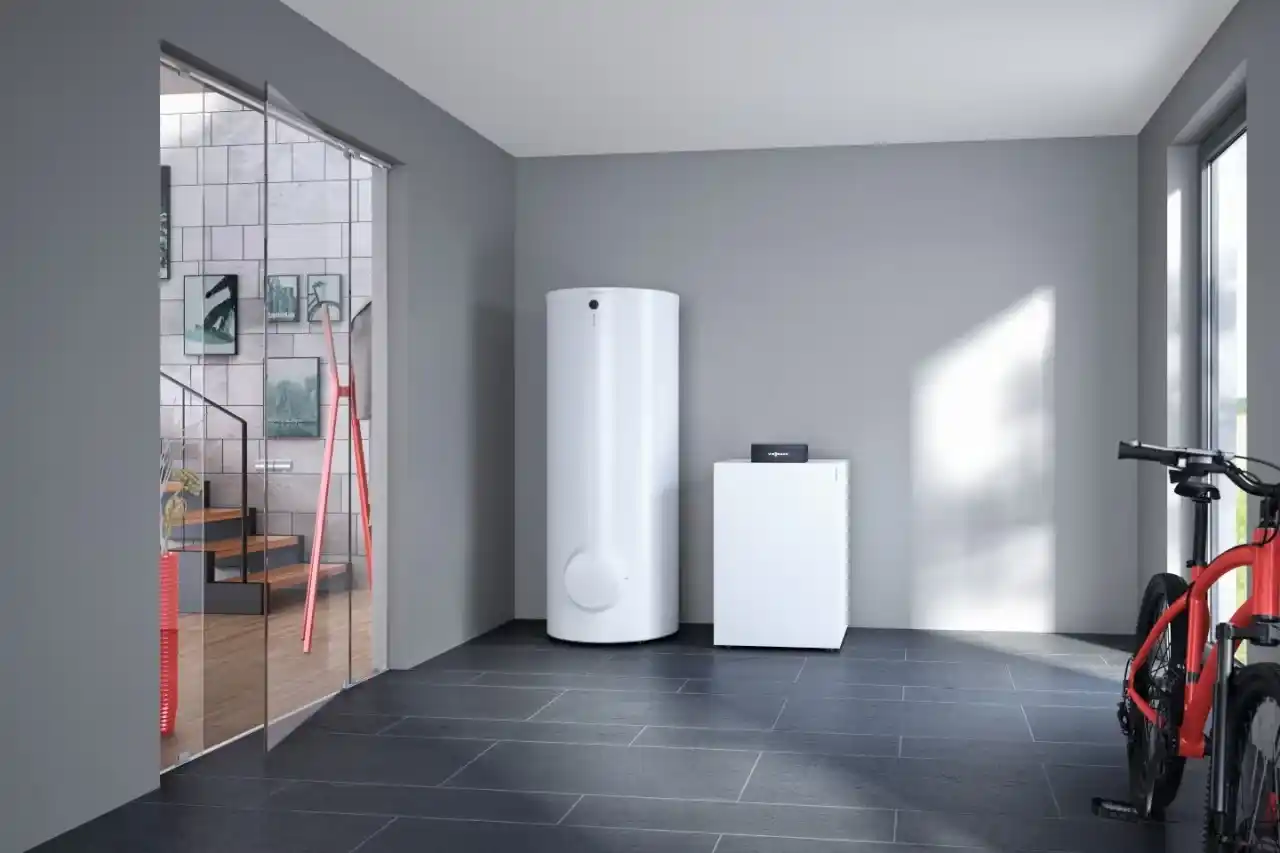
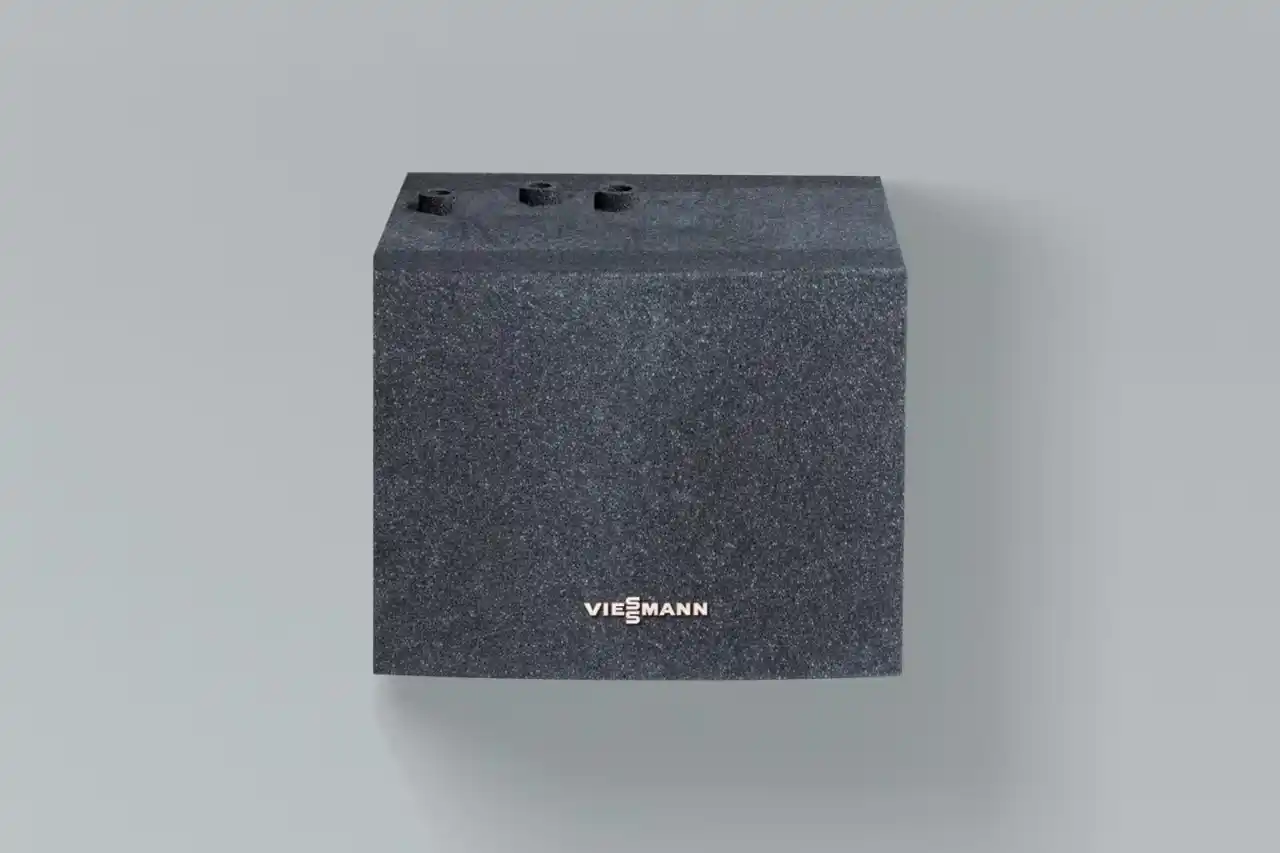
Vitocal 262-A DHW heat pump in combination with a condensing boiler

DHW heat pumps

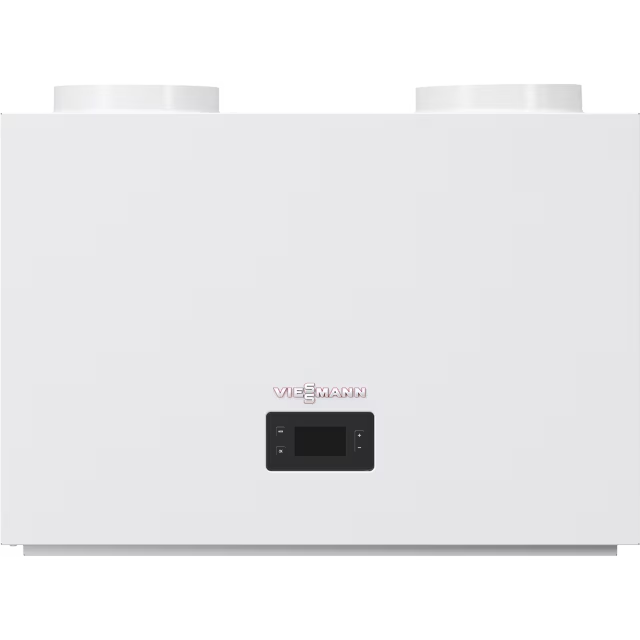
Domestic hot water heat pumps, or domestic hot water heat pumps, utilize thermal energy already present in the environment to produce domestic hot water. They are also suitable for optimal consumption of self-generated energy from photovoltaic systems and can be connected to an existing air distribution system.

Structure and operating principle of a DHW heat pump

A domestic hot water heat pump consists of a unit containing all the essential components for the heat recovery process. These include an evaporator, compressor, condenser, and domestic hot water cylinder. Depending on the model, a solar heat exchanger is also integrated, allowing for the connection of solar collectors.

The compressor provides the required temperature

During operation, a domestic hot water heat pump absorbs heat from recirculated or exhaust air and transfers it to the evaporator. This evaporator contains a refrigerant that is heated to a low temperature and then converted into vapor. Since the temperature of the evaporated refrigerant is not yet high enough to heat the water, a compression process follows. During this process, the vapor is fed to a compressor, driven by electrical current, which compresses it until it reaches the required temperature.

In the final stage, the heated refrigerant vapor transfers its thermal energy to the integrated DHW cylinder, cools, and condenses. The liquid refrigerant then expands under high pressure through an expansion valve, continuing to cool significantly. Once the refrigerant returns to its original state, the compression process can begin again.

Working with recirculated air

Domestic hot water heat pumps can extract heat from recirculated air, outside air, or exhaust air. Suitable rooms for a recirculated air DHW heat pump include basements, which maintain a constant and relatively high temperature during the winter months. During operation, the basement temperature is cooled by approximately two to four degrees Celsius. At the same time, the air in the basement is dehumidified. If the temperature difference between the heat source and the heating system is small, a Viessmann domestic hot water heat pump operates extremely efficiently.

Alternatively with exhaust ventilation

Another option is for heat pumps to heat domestic hot water using exhaust air. In this case, the heat pump’s top cover is replaced with an exhaust air cover, and the heat pump is connected to the existing air distribution system. The heat pump is fed with warm exhaust air from several rooms, providing adequate ventilation for an average detached house. The exhaust air, cooled during domestic hot water heating, is directed outside as exhaust air. To avoid negative pressure, outside air should be supplied through separate supply ventilation elements. Ventilation mode is also possible without domestic hot water heating.

Prepared for solar energy use

Viessmann DHW heat pumps are designed for both single-mode and dual-mode operation with a solar thermal system. In the dual-mode mode, the solar circuit pump is switched on and off electronically using a temperature difference controller. When the solar circuit pump is active, the heat pump does not heat the DHW. This ensures optimal use of free solar energy. Additionally, the heat pump can optimally utilize self-generated energy from a photovoltaic system . Solar-ready.

Viessmann DHW heat pumps are designed for both single-mode and dual-mode operation with a solar thermal system. In the dual-mode mode, the solar circuit pump is switched on and off electronically using a temperature differential controller. When the solar circuit pump is active, the heat pump does not heat the DHW. This ensures optimal use of free solar energy. Additionally, the heat pump can optimally utilize the electricity generated by the photovoltaic system .

Advantages of a heat pump for hot water supply

If a heat pump only produces domestic hot water, it offers many advantages for system owners. One of these is low investment and operating costs. There’s no need to develop a heat source, as is the case with many systems, as the energy source is already available and free. And since a water heat pump emits no harmful emissions, there’s no need for a chimney. When combined with a solar system or air-to-air distribution system, this heat pump operates extremely efficiently.

Drying the installation site

Disconnecting from the heating system has other advantages as well. During warmer months, the boiler can be completely shut off, eliminating electricity consumption. Installing a domestic hot water heat pump takes very little time. No gas connection or oil tank is required. And since no fossil fuels are burned to heat the hot water, system owners save both the environment and their wallets in the long run. Last but not least, a domestic hot water heat pump, if installed in a basement, can also dehumidify the space. This reduces the risk of mold and protects the masonry. For more benefits of heat pumps, see the section on heat pump advantages.

DHW heat pumps

Independent of any other heating system, a DHW heat pump heats domestic hot water inexpensively and efficiently using heat from the room

Additional information

Heat Pump: All information at a glance

Heat Pump: All information at a glance


Read More
Viessmann split heat pumps

Viessmann split heat pumps

Brine/water source heat pumps extract energy from the ground

Brine/water source heat pumps extract energy from the ground

Read More
Large Heat Pump: Product Information and Overview

Large Heat Pump: Product Information and Overview

Read More
Structure, functions and products

Structure, functions and products

Read More
Natural and active cooling

Natural and active cooling

Read More