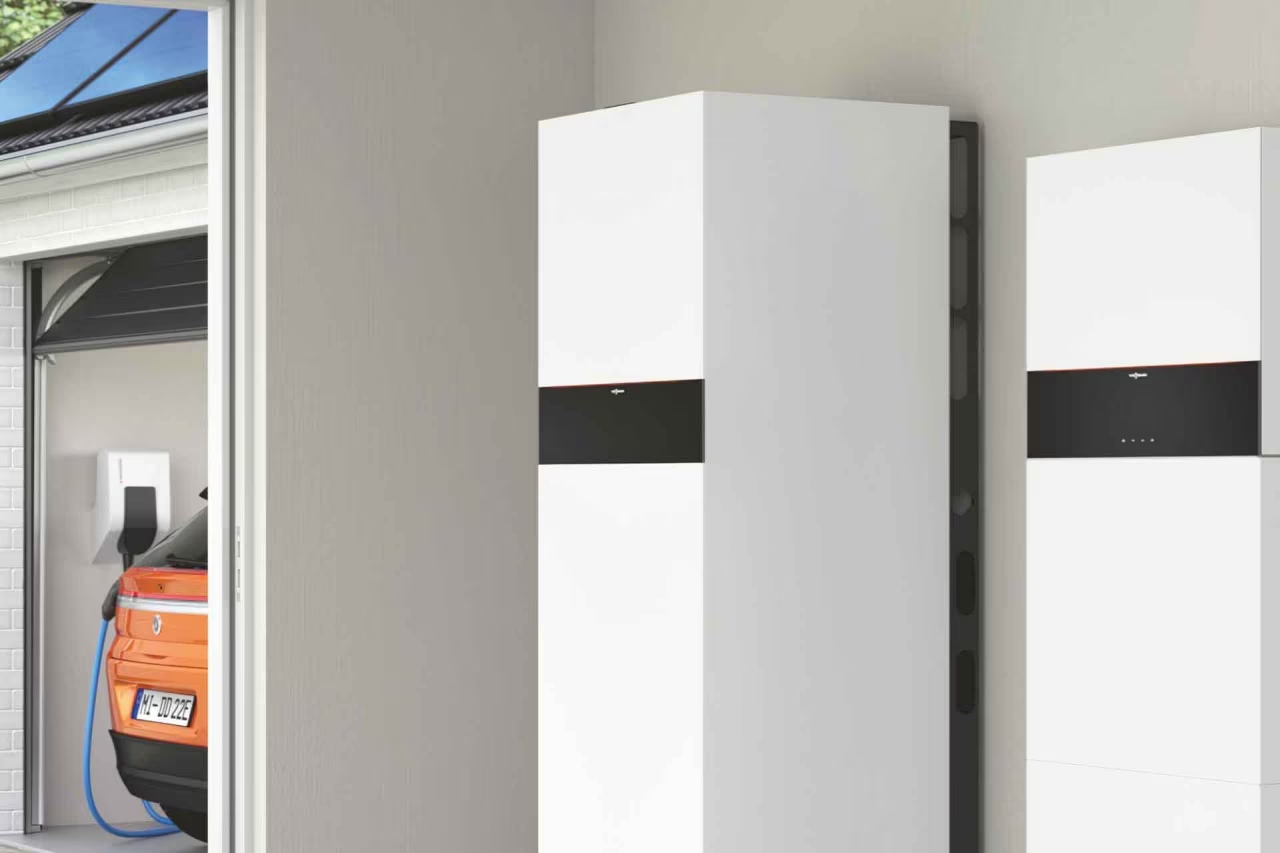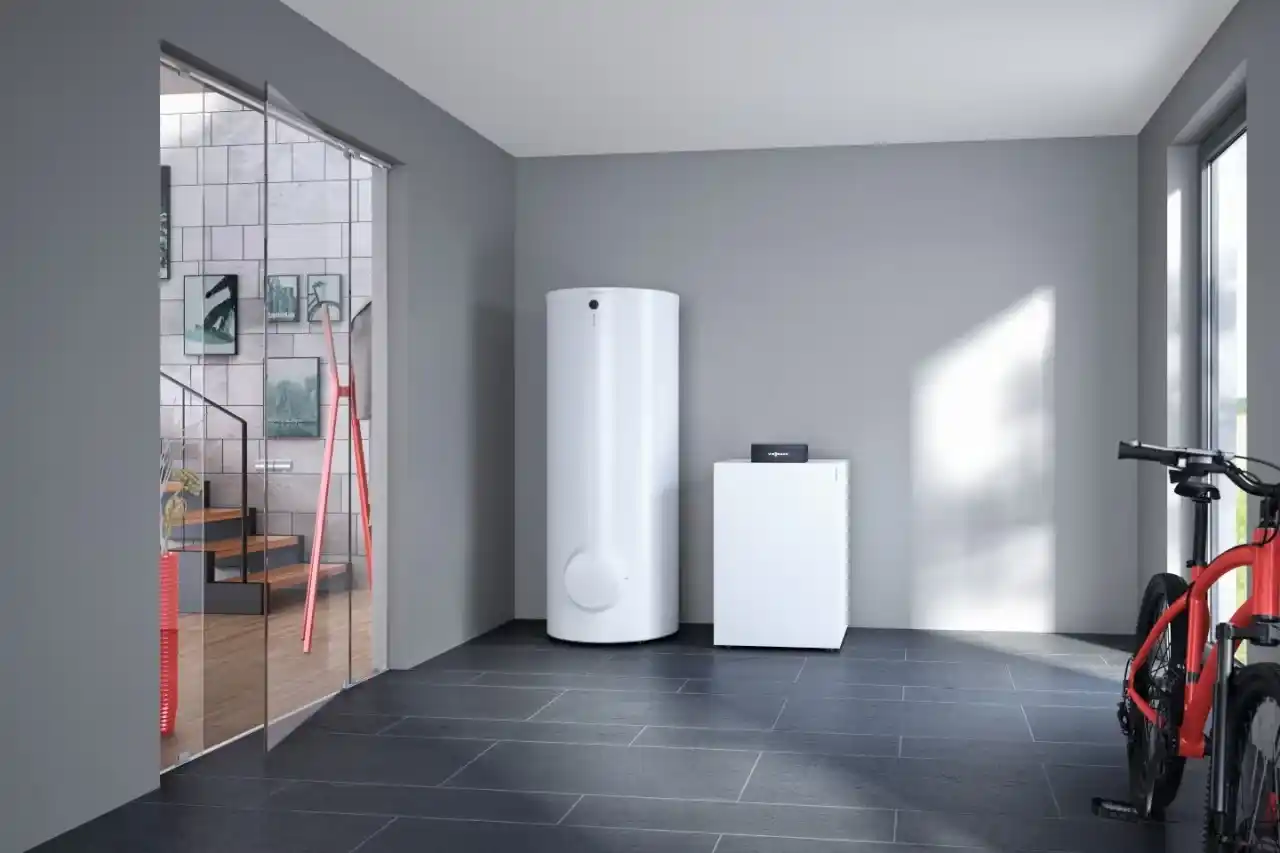
Brine/water source heat pumps extract energy from the ground
Ground source heat pumps use the ground as their primary energy source, either through geothermal collectors or geothermal probes.


A heat pump operates based on the refrigeration cycle, which raises heat from the environment to the required temperature. This is achieved using scroll or piston compressors. They operate efficiently and are virtually silent, but they typically consume electricity. The power consumption of a heat pump, the factors that influence it, and methods for calculating power consumption are explained in the following sections.
Depending on the heat source, a heat pump requires 20 to 25 percent of the electricity as drive energy to generate heat from air, ground, or water. This means that producing ten kilowatt-hours of useful heat requires approximately two kilowatt-hours (kWh) of electricity. A heat pump’s annual consumption depends on various influencing factors. The most important of these are:
The heat source used by a heat pump heating system affects energy costs. Generally, an air-source heat pump has higher energy consumption than a brine/water or water/water heat pump. This is because the soil and water release heat relatively evenly throughout the year. Ambient air temperatures fluctuate more widely. Meeting the heating demand requires more energy, especially in the winter months. On the other hand, air-source heat pumps can be installed virtually anywhere, require no official permits, and are less expensive to purchase and install. This is because heat recovery requires no drilling or excavation.
The seasonal performance factor (SPF) is necessary for an approximate calculation of a heat pump’s energy consumption. It determines the amount of thermal energy generated relative to the electrical energy consumed. For example, with a seasonal performance factor of four, a heat pump produces four kWh of thermal energy from one kWh of electrical energy. Therefore, the higher the SPF, the more efficient and economical the heat pump.
Please note: The calculated seasonal performance factor is a theoretical figure. It is based on standard values such as room temperature, domestic hot water consumption, climate zones, and ventilation characteristics. In practice, the SPF may deviate from the theoretical value.
In addition to the seasonal coefficient of performance, heat pumps may also be specified as a coefficient of performance (COP). This also represents the ratio of energy output to energy dissipated. However, the COP is only valid for a specific point in time, such as an air temperature of 15 degrees Celsius and a flow temperature of 35 degrees Celsius. This means it is merely a snapshot in time.
In addition to the seasonal performance factor and heat source, the decisive factor in a heat pump’s energy consumption is the individual heating demand. The level of heating demand depends on the individual behavior of the occupants and the building’s energy status. For example, older buildings that have not been modernized have higher heating demands than well-insulated newer ones. Last but not least, it matters whether the heat pump is used solely for space heating or also for domestic hot water. Therefore, it is impossible to make a definitive statement.
To roughly determine the energy consumption of a heat pump, three variables are needed: heating capacity, seasonal performance factor, and operating or heating hours. The calculation is based on the following formula:
Heat pump power consumption = heating capacity/SPF x operating hours.
Example calculation: If a 10 kilowatt brine water heat pump with a coefficient of performance of 4.0 operates 2000 hours per year, it requires 5000 kilowatt hours (10 / 4.0 x 2000 = 5000 kWh).
If system owners want to calculate annual energy costs, they can multiply the total by the cost per kilowatt:
Heat pump electricity cost = power consumption x cost per kWh

Get a free, personalized consultation on our heat pumps from our qualified sales partners!
Request a consultation now →Although special tariffs do not reduce heat pump consumption, they can still offer cost savings. This is because when using electricity for heat pumps, suppliers have the right to temporarily interrupt power supply during peak periods. This allows for better load management. In turn, tariffs for heat pumps are cheaper. However, to take advantage of these tariffs, you must install a separate electricity meter so that you can bill your household and heat pump separately.
Heat pump electricity has no inherent or qualitative differences from traditional electricity. For system owners, the only factors that matter are cost and source. Currently, many suppliers offer electricity for heat pumps. Some also offer “green” electricity tariffs. It is always recommended to compare tariffs before signing a contract. Once system owners have found the optimal heat pump tariff, they can change tariffs as usual, subject to standard notice periods. This process can be carried out in the same way as with traditional electricity.
When the utility company (EVU) disconnects the system from the grid, this is called a blocking time or heat pump power outage. A heating system with an electrically powered heat pump cannot operate during this time. However, buffer cylinders can still provide heat and hot water. System operators must take this into account when planning. Since the heat pump must not only heat but also charge the storage tank during this time, a higher capacity is required. This additional capacity can be calculated using a blocking time factor.
Blocking Time Factor = 24 hours / (24 hours – sum of blocking times during the day)
Calculation example: If the power supply company interrupts the power supply for heating the heat pump three times for two hours each time, the power must be one third higher (24 / 24 – 6 = 1.3).
The number and duration of interruptions are regulated by law. No more than three two-hour blockages per day are permitted.
A significant portion of the energy consumed in a household is spent on space heating and hot water. By replacing an outdated central heating boiler with a heat pump or hybrid system, homeowners can reduce energy consumption by 30 percent. If, in addition to upgrading the heating system, they take additional measures, such as hydronic balancing or replacing thermostats, they can achieve even greater success. However, to minimize energy consumption, radiators should also be matched to the heating system. A heat pump’s efficiency is best achieved when combined with a panel heating system.
An underfloor heating system is a room heating system that transfers heat into a room via radiant heat. This way, the thermal energy is evenly distributed over a large area and is released only when it hits solid objects, such as walls or people. Due to its large surface area, underfloor heating can handle flow temperatures of approximately 35 degrees Celsius.
By comparison, a radiator requires a temperature of up to 70 degrees Celsius. Since the efficiency of a heat pump heating system increases significantly the smaller the difference between the heat source temperature and the flow temperature in the heating system, using underfloor heating is not only possible but recommended. This is because it is in this combination that the heat pump achieves its maximum efficiency. Dual-mode heat pumps or hybrid heat pumps are recommended for radiator systems with higher temperatures and for older buildings. You can learn more about this in the sections on heat pumps and heat pumps in new buildings and older buildings .
Heat pump consumption can be inexpensively covered by solar energy collected from your own roof. Photovoltaic systems generate electricity from readily available solar energy. Storage batteries ensure this energy is available even when the sun isn’t shining. Thus, consuming your own energy provides greater independence from utility providers. However, to reap this benefit, choosing the right design is crucial. An example of how well a heat pump, photovoltaic unit, and storage battery complement each other and improve the efficiency of the entire system is shown in the following video:
Ground source heat pumps use the ground as their primary energy source, either through geothermal collectors or geothermal probes.
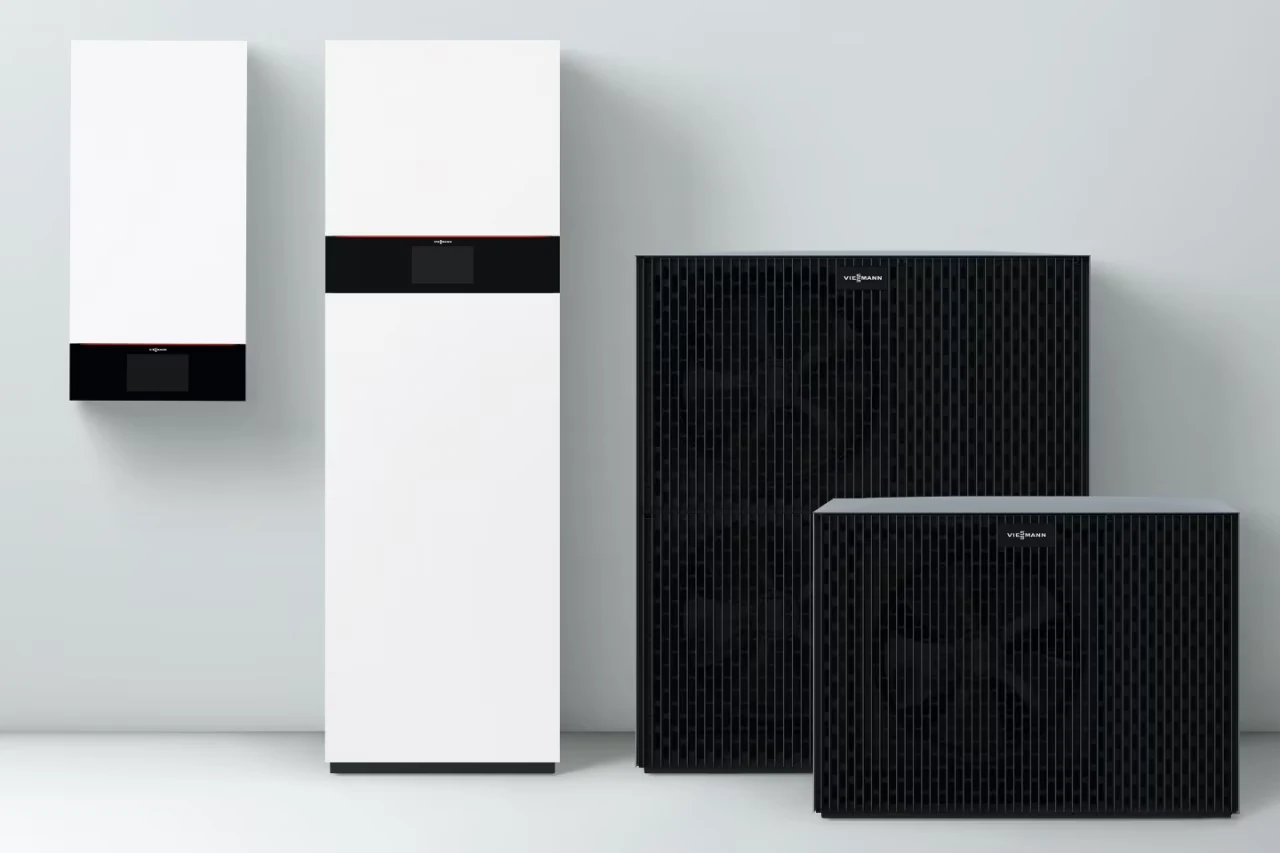
Air-source heat pumps are quiet. Learn more about how they work, their advantages, and our products here.
Read more
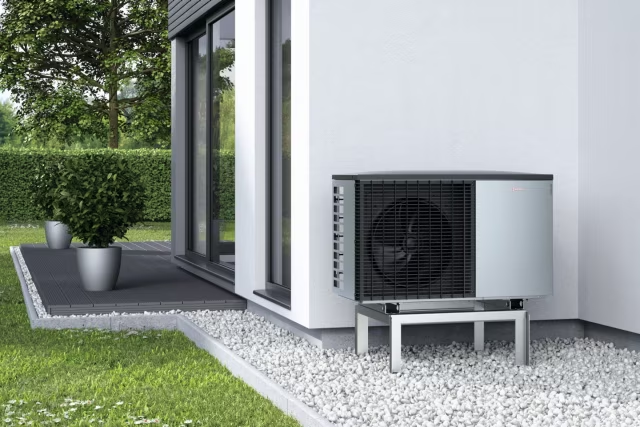
Sound and space requirements play a significant role when it comes to air-source heat pumps. Split heat pumps are among the heating systems that not only consider both factors but also optimally implement them.
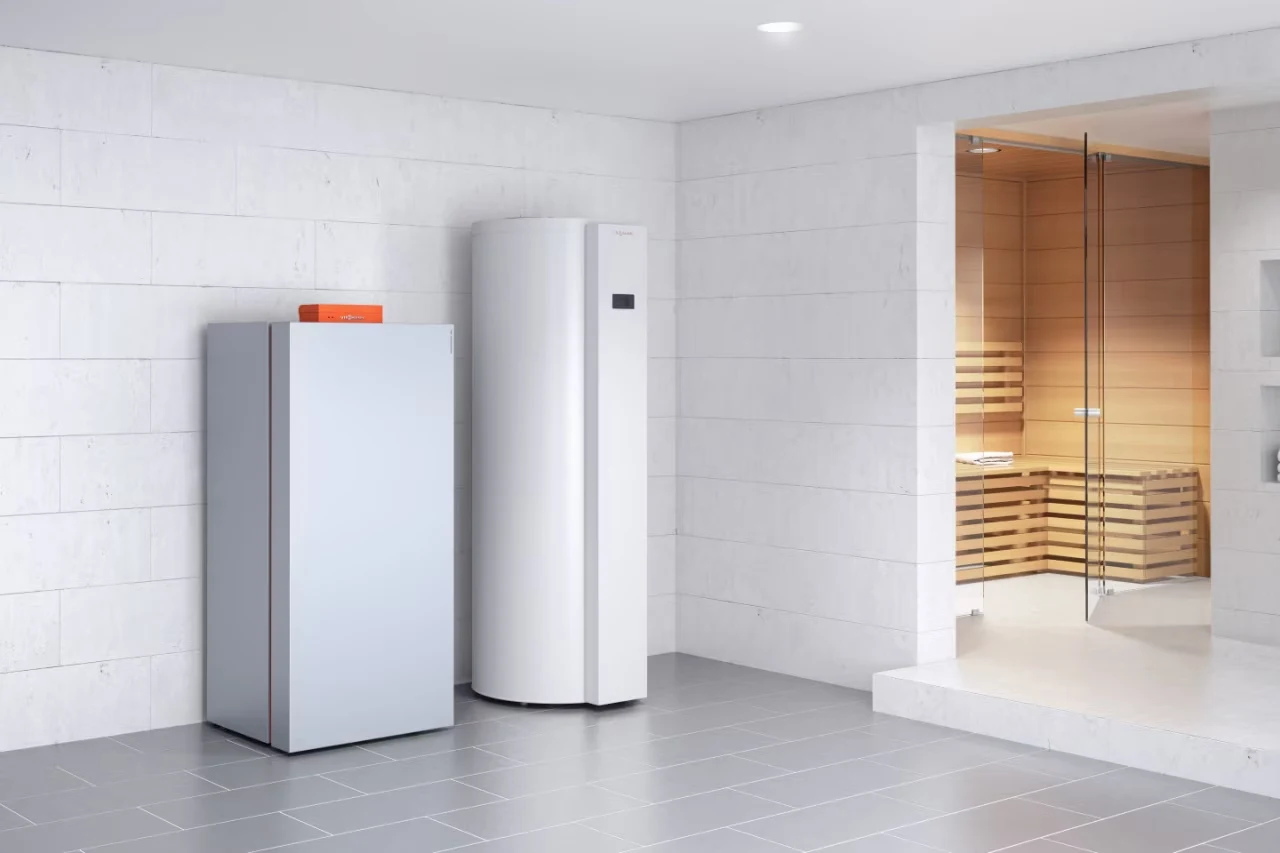
Independent of any other heating system, a DHW heat pump heats domestic hot water inexpensively and efficiently using heat from the room.
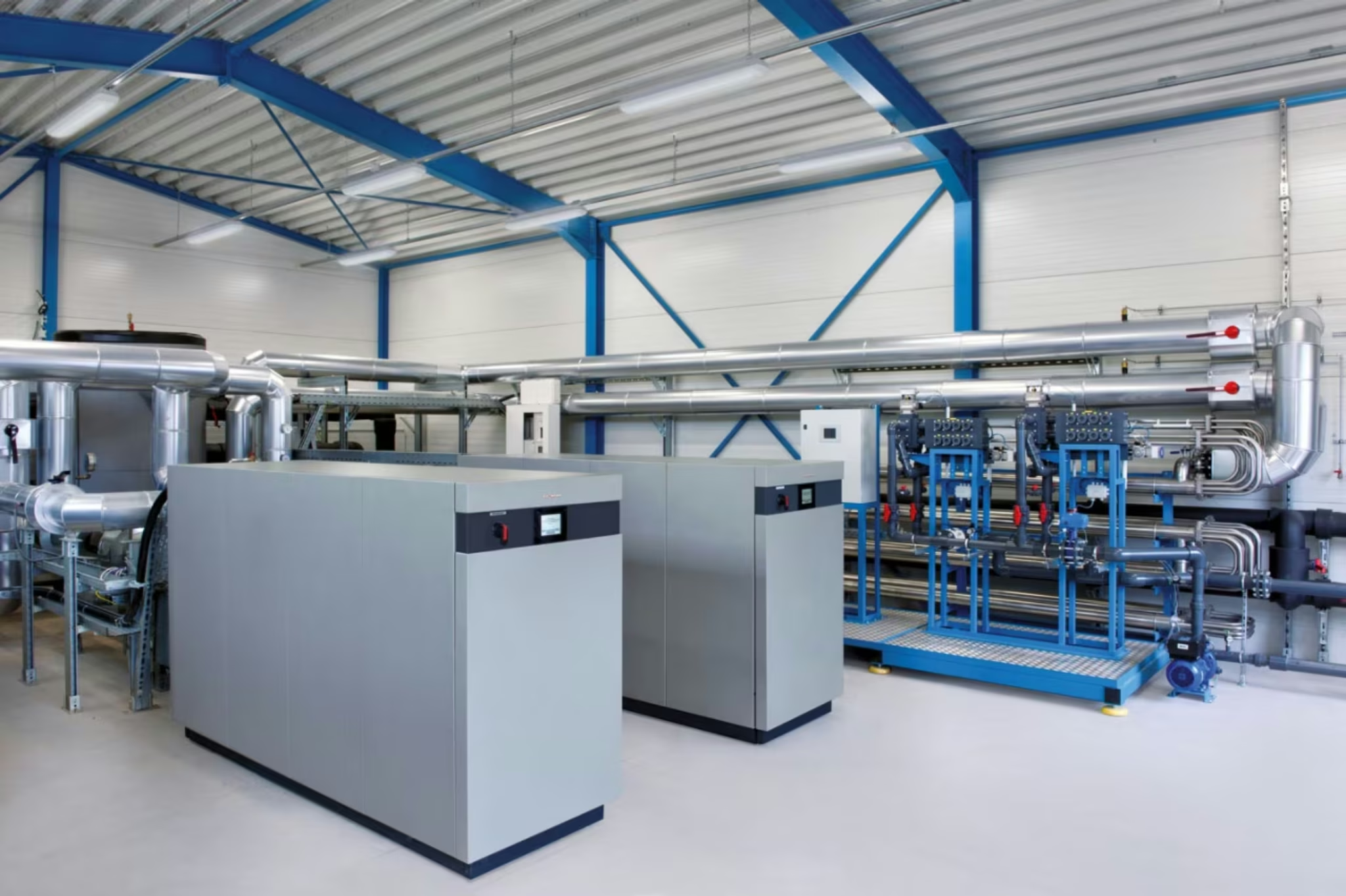
Viessmann’s large heat pumps provide environmentally responsible heating using renewable energy. Learn more about their use and features here!
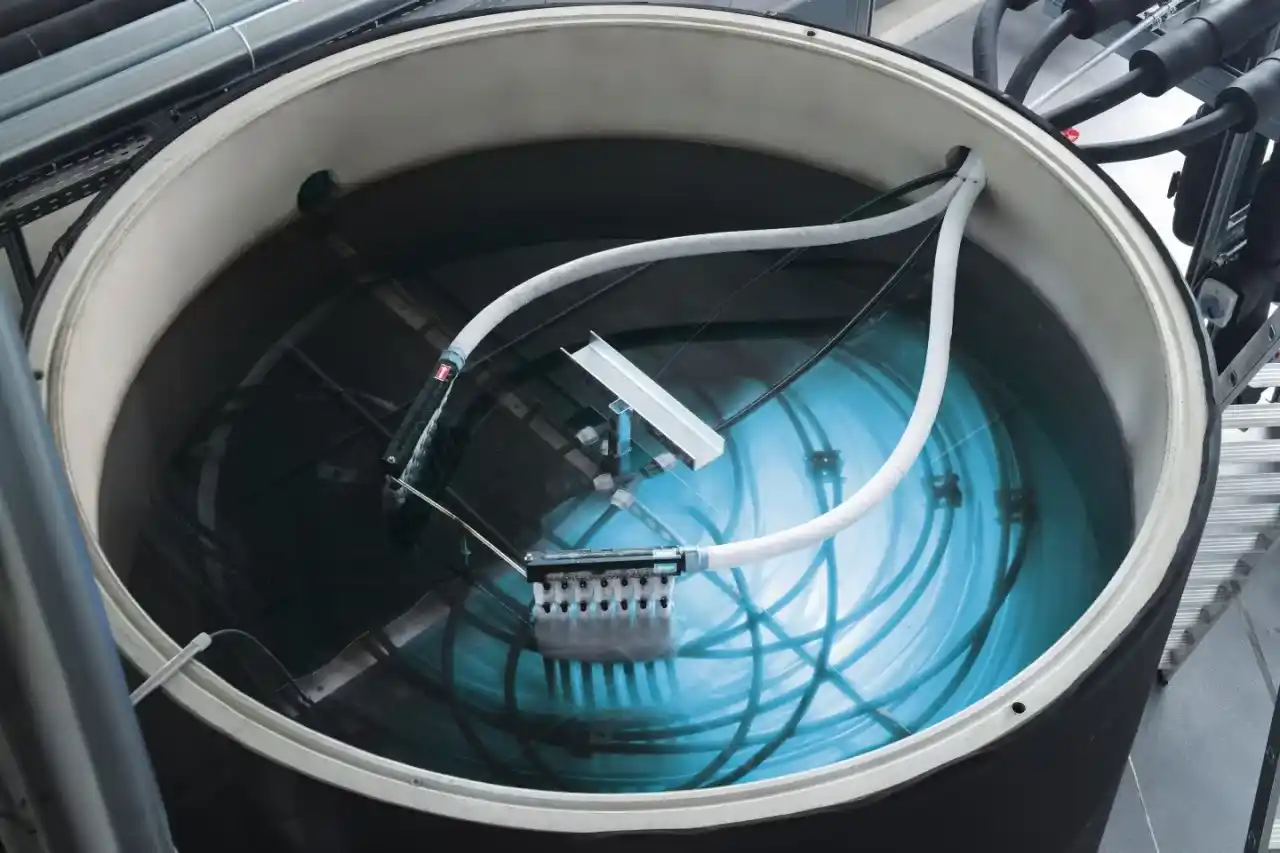
The new ice storage heating concept combines air and geothermal energy and can also use solar radiation as a heat source.
In addition to providing a high level of heating comfort and reliable hot water supply, heat pumps with natural and active cooling technology also create a pleasant indoor microclimate in hot weather.

Whether it’s air, brine, or water, a heat pump extracts heat from the environment and uses it to generate space heating and hot water. Read more about how a heat pump works here.