
Vitovalor PT2 fuel cell heater
Topics at a glance
Electricity generation also generates heat. In central power plants, this is lost as waste heat, which typically requires cooling with additional energy. Combined heat and power (CHP) systems, on the other hand, utilize the waste heat for heating and hot water. Therefore, their overall efficiency is significantly higher than with separate power and heat generation. Furthermore, there are no transmission losses. This is because electricity is generated where and when it is actually needed. Based on the CHP principle, Viessmann offers two different, highly efficient technologies to meet different needs:
- Fuel cell heating system
- Cogeneration units
Decentralized power generation is becoming increasingly important
The energy transition and rising electricity prices make decentralized power generation increasingly important. Wind farms and photovoltaic systems have been built in large numbers to replace nuclear power plants and conventional large-scale power plants. However, since energy production fluctuates and therefore cannot be scheduled, dispatchable CHP systems are essential building blocks for achieving a successful energy transition. When power shortages arise due to fluctuating production, combined heat and power (CHP) systems can make a significant contribution to meeting demand. Because this occurs locally and energy is generated on-site, it also reduces the strain on the power grid. Generating your own electricity is now a viable alternative to consuming electricity from the grid.
Combined Heat and Power: Economics and Investments
Using a cogeneration system saves up to 40 percent of your energy, significantly reducing CO₂ emissions and thereby making a significant contribution to climate protection. Another advantage of this innovative technology is greater independence from energy companies and their rising electricity prices. Consuming the energy you generate costs only one-third of your standard electricity rate. Furthermore, any excess energy is fed back into the grid and billed.
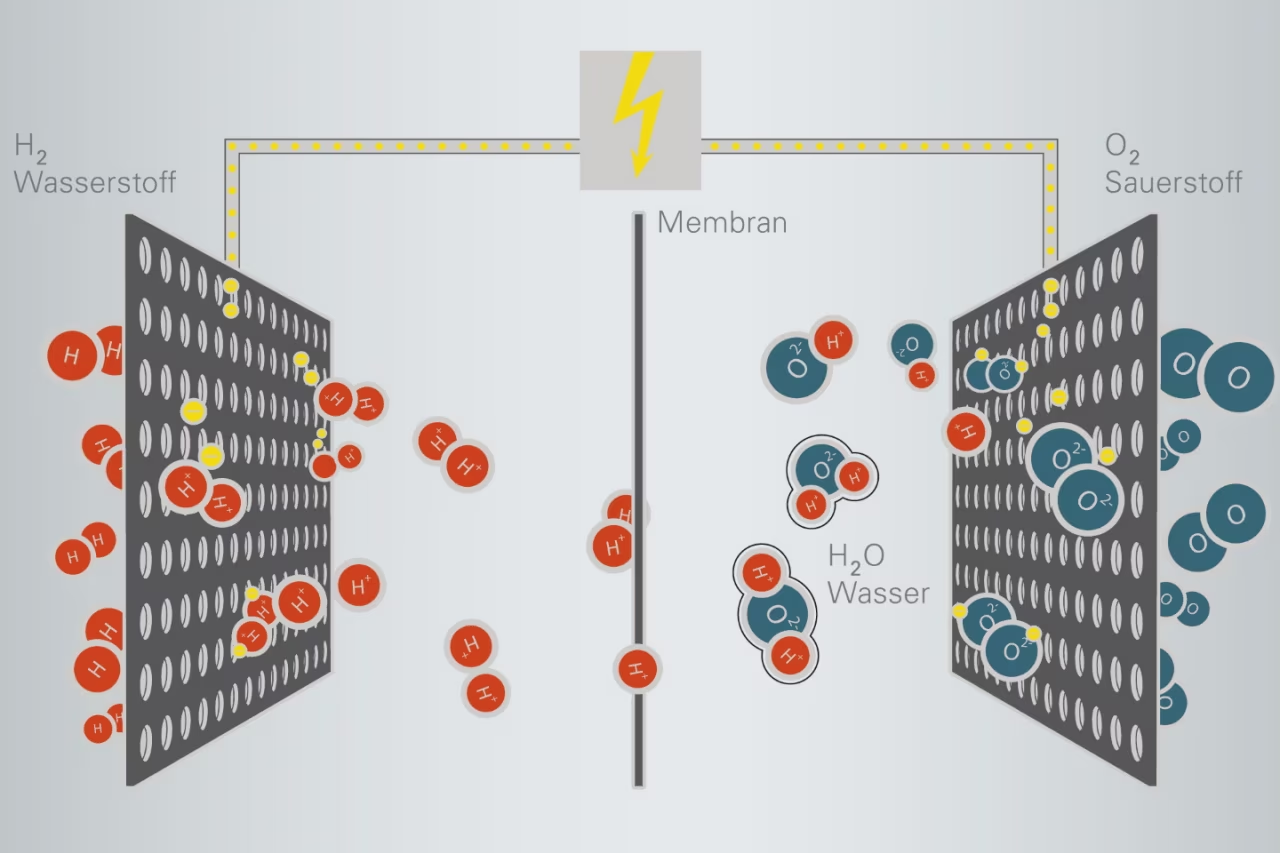
The principle of combined heat and power generation based on the fuel cell function
Fuel cell heating system
Unlike previous gas appliances, a fuel cell uses incoming energy electrochemically rather than for combustion. Hydrogen contained in natural gas is used through electrolysis to generate both heat and electricity. The combined heat and power process in the heating system produces only water. This is better for the environment and conserves limited resources. Viessmann micro-CHP systems with fuel cells are also suitable for use in detached and semi-detached homes.
Fuel cell technology
Hydrogen and oxygen are all that are needed to generate heat and energy. The chemical reaction between these two substances is the basis of what is sometimes called “cold combustion.” It occurs between two electrodes: hydrogen is fed to the anode, where a catalyst splits it into positive ions and negative electrons. The electrons travel to the cathode through an electrical conductor, generating an electric current. Meanwhile, positively charged hydrogen ions reach the cathode through an electrolyte (ion-exchange membrane), where they react with oxygen to form water. This releases heat. The entire process is completely pollutant-free and environmentally friendly.
For Viessmann, it would be unthinkable to innovate without prioritizing reliability and durability. When creating a fuel cell heater, Viessmann once again turned to proven technology. That’s why the Vitovalor PT2 (formerly the Vitovalor 300-P) was developed in collaboration with Panasonic. Panasonic has mass-produced over 34,000 units for the Japanese market.
Gas-fired combined heat and power plant
A gas-fired combined heat and power (CHP) plant generates heat and electricity simultaneously. Depending on its capacity, it is suitable for large residential buildings and apartment complexes, as well as commercial enterprises and municipal projects. Since capacity is calculated based on the base load—the average heat demand throughout the year—a CHP plant in residential buildings is often combined with a peak-load boiler. This ensures sufficient heat even in winter. Both heat generators are connected to the heating system to provide hot water or, in this case, domestic hot water.
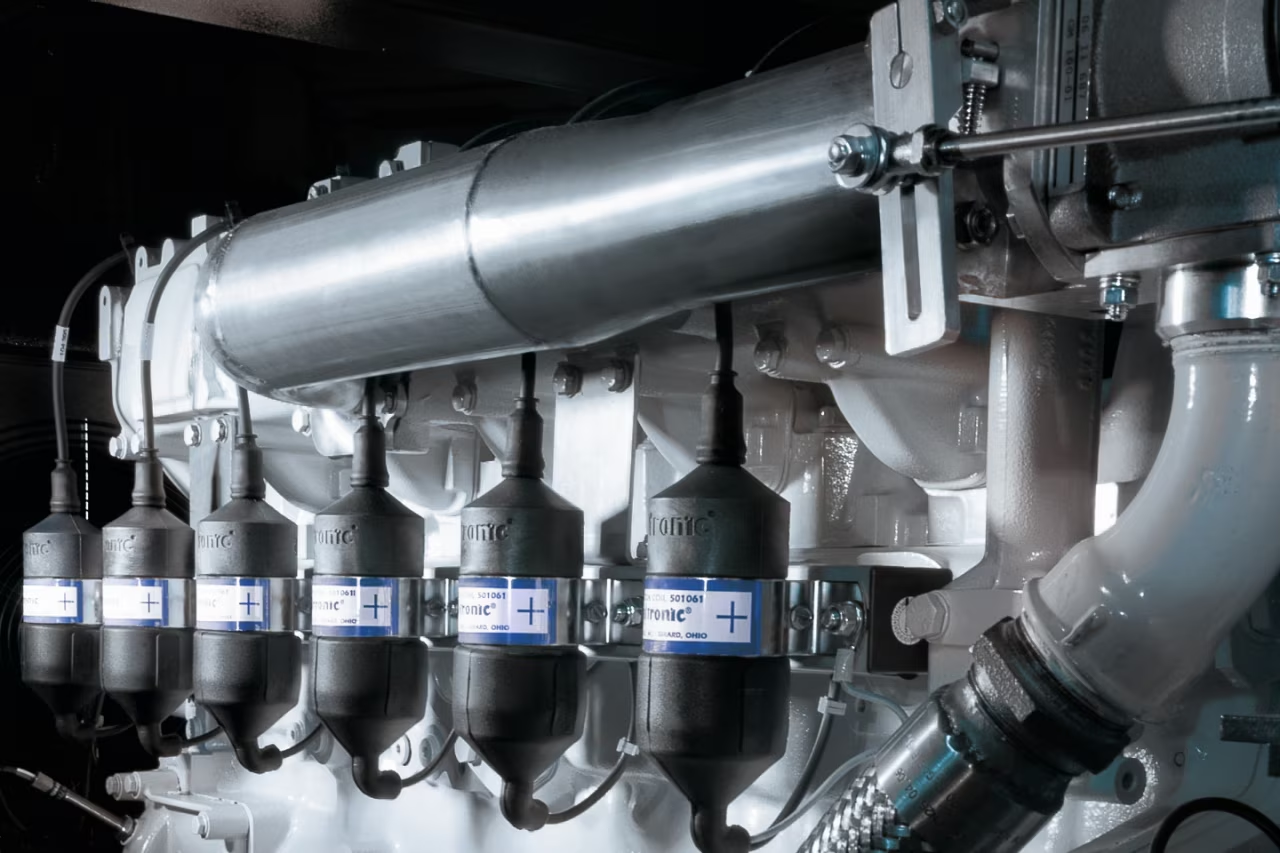
Combined heat and power plant (CHP) with gas drive
Various power sizes ensure high levels of cost efficiency
The compact Vitobloc 200 units are designed as decentralized cogeneration systems with a focus on heating. These relatively small units generate electricity using the combined heat and power (CHP) principle for on-site consumption. The heat generated is simultaneously used for heating, with virtually no losses. Unneeded energy is exported to the public grid, and the utility company remunerates it accordingly. Thanks to their high flexibility and maximum efficiency, CHP systems are already an excellent complement to fluctuating solar and wind power generation. Furthermore, the systems are available in various versions and outputs. This allows them to be optimally tailored to specific requirements and guarantees long-term cost effectiveness.
Product range
Increase your independence from external energy suppliers and rising prices with this innovative method of power generation. Viessmann has over 25 years of experience in efficient gas cogeneration systems. In addition to standard products, the company also manufactures cogeneration systems tailored to individual customer needs. Depending on the type, they can operate seamlessly with natural gas and/or liquefied gas. Power outputs range from 6 to 530 kWel or 15 to 660 kWh.